Cidade Velha
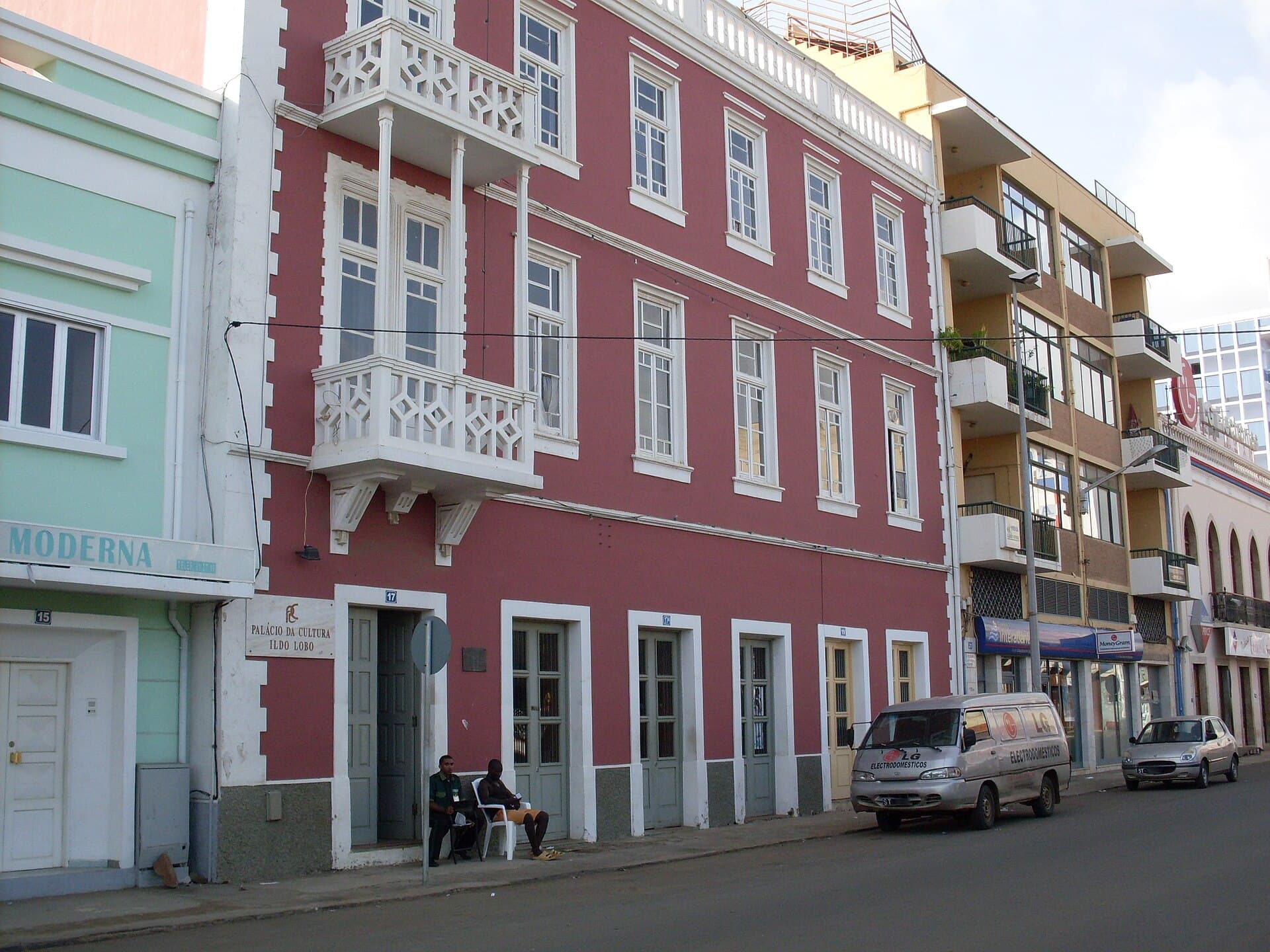
Near Praia lies Cidade Velha, the original capital. What dark secret does its central square hold about its past?
Full story unlocks in the tour
 Xandu / Public domain, via Wikimedia Commons
Self-guided audio walking tour of Praia — GPS route, offline playback, story-driven narration in 32 languages.
“Where Atlantic breezes carry the scent of history and the rhythm of Creole life.”
Not the postcards. The stories even locals don't know — whispered in your ear, right where they happened.
Near Praia lies Cidade Velha, the original capital. What dark secret does its central square hold about its past?
The historic heart of Praia, known as the Plateau, offers more than colonial architecture. What advantage did its elevation provide?
In Cidade Velha, one can walk on Rua Banana, a street said to be a significant first in tropical Africa. What makes this unassuming street so special?
Discover every secret of Praia
Every address, every reveal in full — in your ear, right where it happened.
You pick your stops. You walk. The voice reveals what the others miss.
Your self-guided audio tour of Praia is ready — pick your landmarks, choose your language, and start the moment you arrive.
BuyLume has a built-in augmented-reality guide. Hold your phone up and its camera shows the street ahead of you, with a glowing arrow laid over the real view that always points to your next stop — no map to puzzle over, no wrong turns. Like everything in Lume, it works fully offline.
Praia, the capital of Cape Verde, is a city that immediately immerses you in a unique blend of African, Portuguese, and island cultures. Situated on the southern coast of Santiago Island, it serves as the political, cultural, and economic heart of the archipelago. The city's landscape is defined by its historic Plateau, which rises above the bay, offering colonial architecture, lively markets, and streets alive with the rhythms of Creole life.
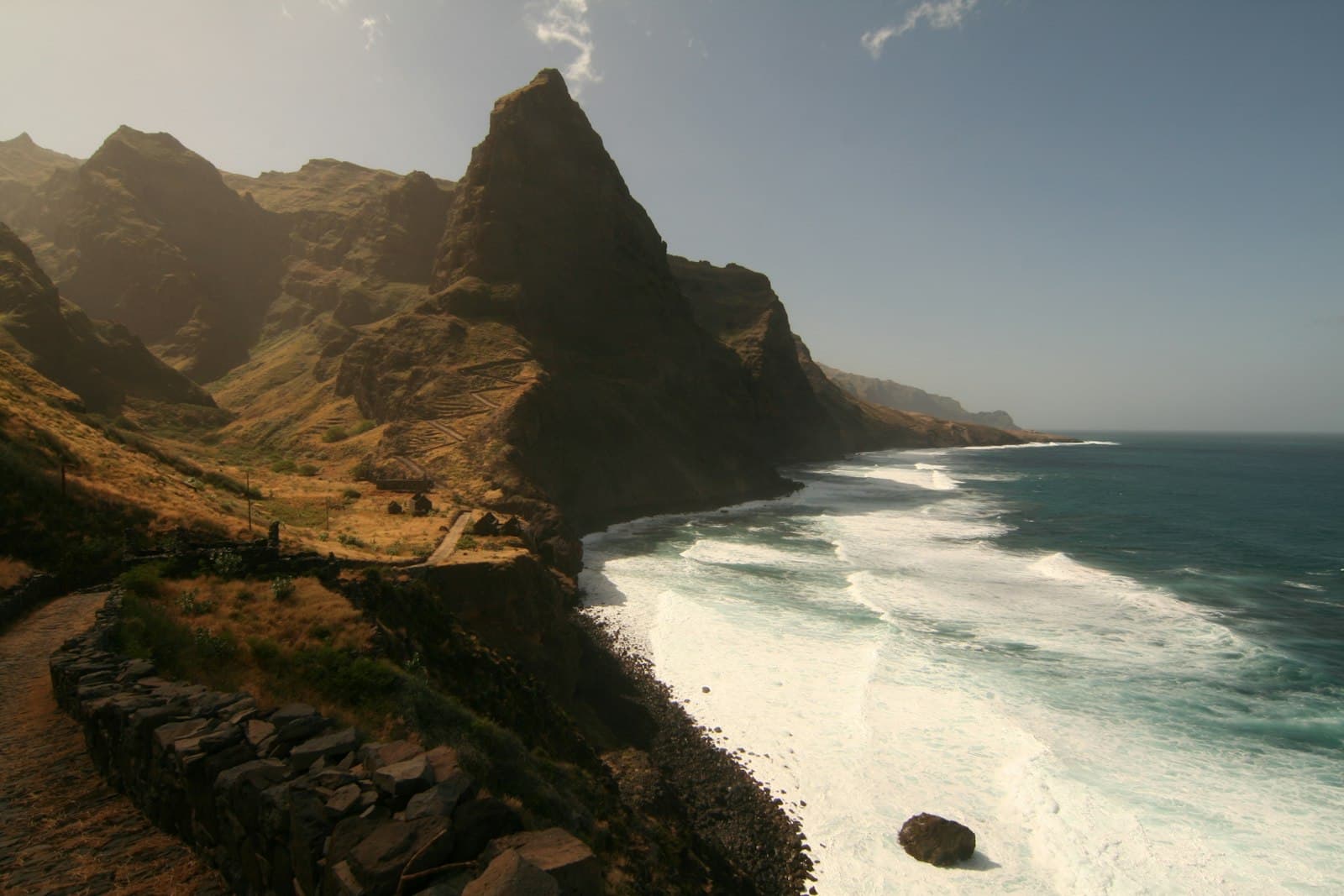
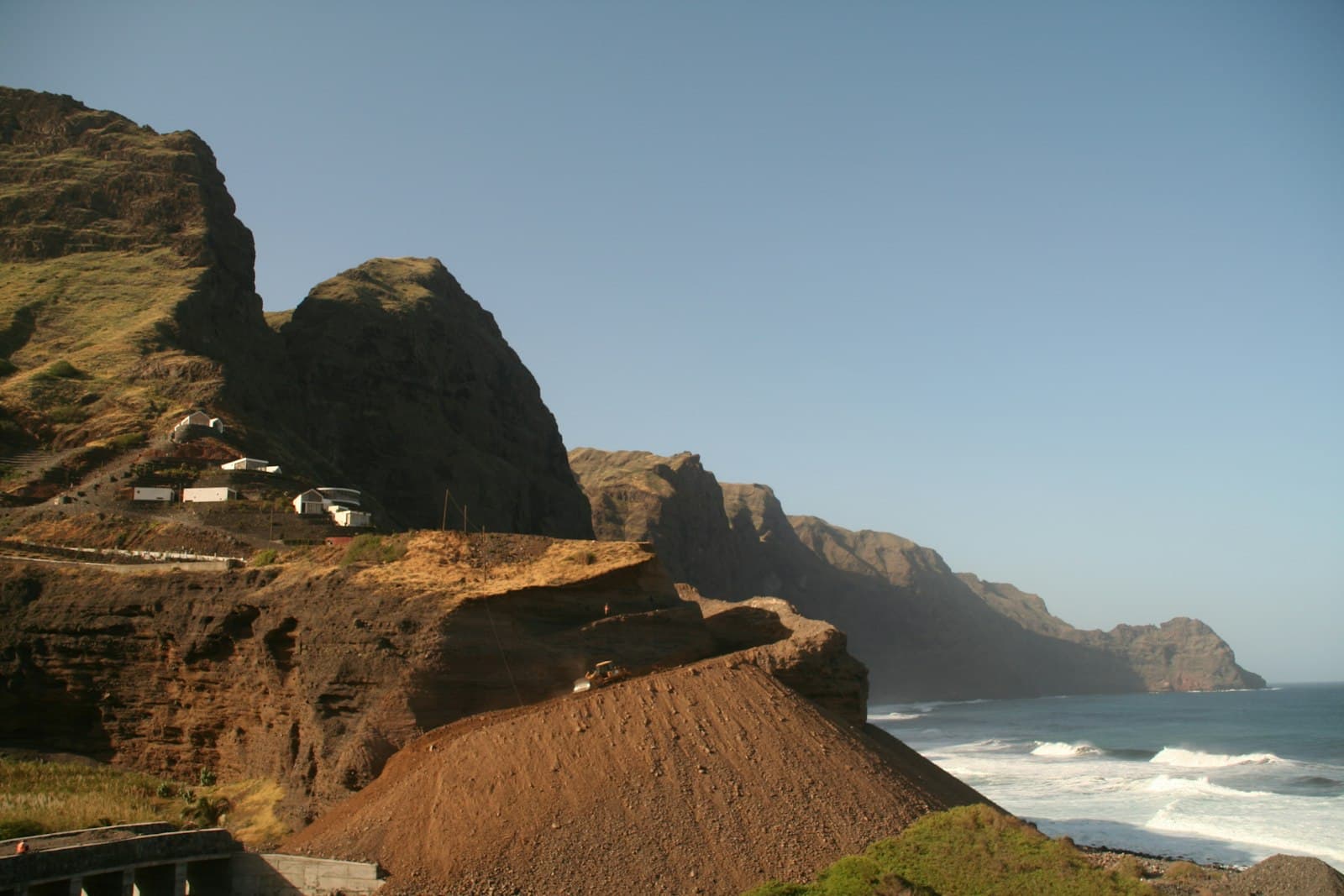
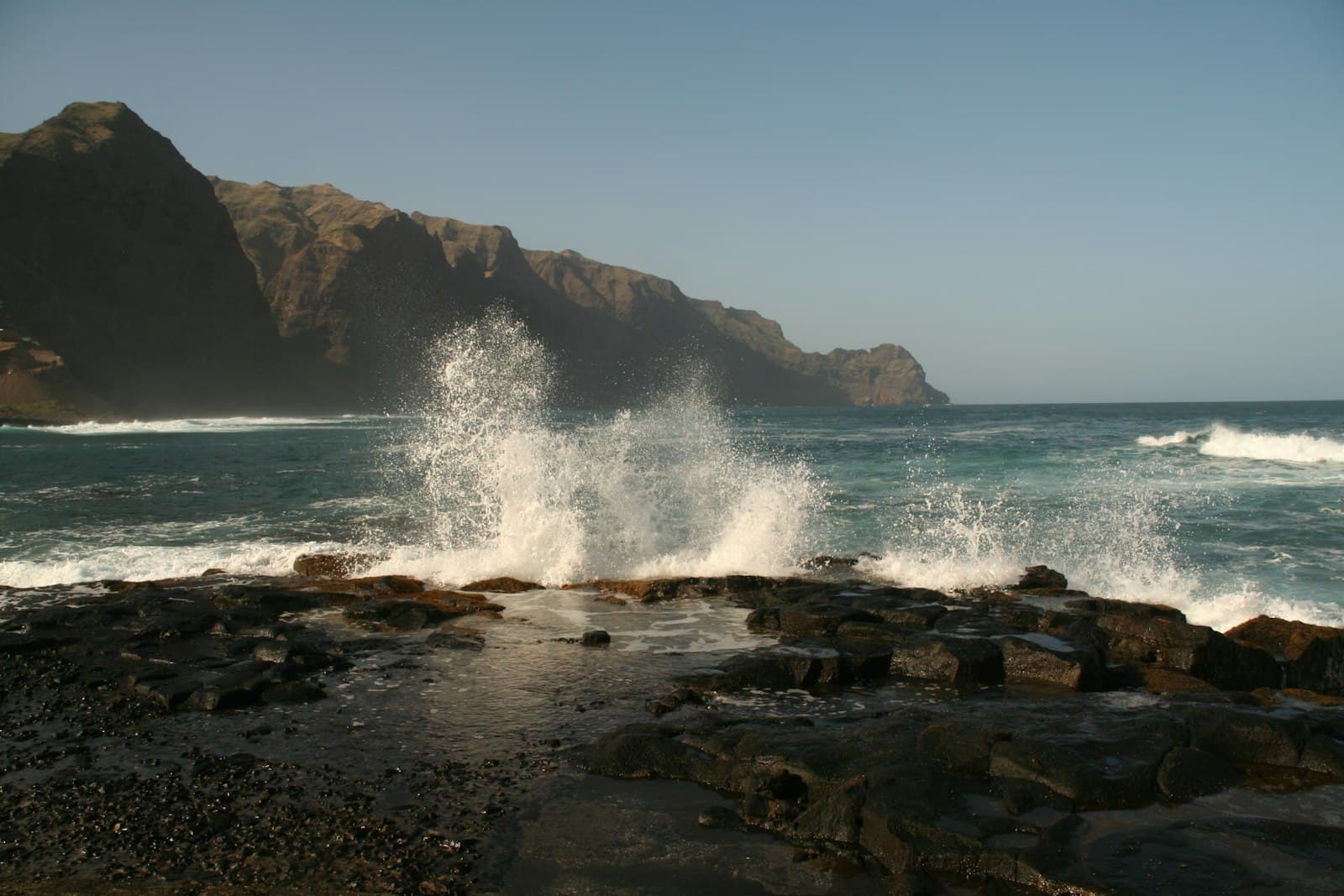
Beyond the Plateau, Praia unfolds into seaside neighborhoods, dark volcanic cliffs, and small beaches that contrast with the turquoise Atlantic. Hills and winding roads provide scenic viewpoints, especially as the sun dips below the horizon. Praia offers a lively yet unhurried atmosphere, where music fills the air, locals are friendly, and a visible blend of cultures shapes daily life. It's a city that, while not a sprawling metropolis, provides an authentic introduction to the Cape Verdean spirit.
Praia is also an important gateway for exploring Santiago Island, the most historically significant island in Cape Verde. From here, you can easily venture to Cidade Velha, a UNESCO World Heritage Site and the oldest European settlement in sub-Saharan Africa. Whether you're strolling through its markets, relaxing on its beaches, or delving into its compelling past, Praia promises an unforgettable experience.
## From Settlement to Capital Praia's origins trace back to a modest 15th-century Portuguese settlement. While Santiago Island was discovered by the Portuguese in 1456, the village at the site of modern Praia, initially known as Praia de Santa Maria, first appeared in records around 1516. It was initially less significant than Ribeira Grande, the first capital, now known as Cidade Velha. Praia's natural harbor, however, made it a popular alternative to Cidade Velha's port, which had high fees.
## A Strategic Hub and a Difficult Past Praia's history is deeply intertwined with the development of Atlantic trade routes. Portuguese navigators and European explorers utilized the Cape Verde islands as strategic stops. By the 17th century, Praia's port became an important link in the transatlantic slave trade, connecting Santiago with wider Atlantic routes. Merchant ships carried goods and enslaved African captives through the islands, making Praia and other Santiago ports integral to this wider system. The Fortaleza de São Filipe, overlooking the bay, stands as a testament to coastal defense during this volatile period.
## The Rise of Praia In 1770, the capital was officially transferred from Ribeira Grande to Praia. This move was driven by Praia's more rapid growth and its reputation for being healthier. Despite its new designation, the first major dock for Praia's port wasn't completed by Portuguese colonial officials until 1863. The city's development continued, and it became the seat of government and the country's largest port, exporting coffee, sugarcane, and tropical fruits.
## Independence and Modernity Cape Verde gained its independence from Portugal on July 5, 1975, following a nearly 15-year struggle linked to anti-Portuguese movements in Guinea-Bissau, Angola, and Mozambique. Upon independence, Praia officially became the capital of the new nation. Today, Praia is a cosmopolitan city, with a population primarily of African ancestry due to centuries of the slave trade and a plantation economy. However, a significant European population, including many Portuguese, also contributes to its diverse cultural fabric. The city continues to evolve, blending colonial architecture with lively markets and modern developments, all while maintaining its distinctive Cape Verdean identity.
Begin your exploration in the Plateau, Praia's historic city center. Here, you'll find colonial architecture, government buildings, and the lively Praça Alexandre Albuquerque, a central square perfect for people-watching. Wander through its streets to discover quiet courtyards and local shops.
Immerse yourself in local life at Mercado de Sucupira, a bustling covered market where vendors sell everything from clothing to fresh produce. It's an authentic experience that showcases Praia's commercial pulse. For a deeper dive into Cape Verdean culture, visit the Museu Etnográfico da Praia, housed in a 19th-century colonial mansion on the Plateau. This small museum features artifacts related to basketry, pottery, agriculture, and fishing, many donated by local families.
For a relaxing afternoon, head to Quebra Canela Beach, a dark volcanic sand beach where locals swim and dominoes are played on beachside tables. Enjoy grilled lobster from cliffside shacks as the sun sets. Another scenic spot is the Dona Maria Pia Lighthouse, offering wide views of the Atlantic coast.
Consider a day trip to Cidade Velha, just 25 minutes west of Praia. This UNESCO World Heritage Site, the oldest settlement in Cape Verde, features the ruins of Sé Cathedral, the São Felipe Royal Fortification, and a city center that illuminates its complex past.
Praia enjoys a warm, dry tropical climate year-round, making it an appealing destination in any season. However, the best time to visit for comfortably warm and dry weather is generally from November to June. During these months, temperatures are moderate, typically ranging from 22 to 30 degrees Celsius (72-86°F), with clear skies and consistent trade winds.
For beach activities and relaxation, November through May is ideal, as the trade winds keep conditions pleasant. If you're interested in cultural exploration, February and March are rewarding, as the Carnival season brings more street life and music to the city. The wet season, from July to October, brings higher humidity and short, heavy bursts of rain, particularly in September, but these showers usually clear within an hour or two. The sea is also warmest from August to November.
The local currency is the Cape Verdean Escudo (CVE). While some establishments may accept credit cards, cash is often preferred, so it's advisable to have escudos on hand. ATMs can be unreliable, so consider exchanging currency before arrival.
Getting around Praia is relatively easy. Local buses offer a cost-effective way to navigate the city, with tickets typically ranging from $0.50 to $1.00 per ride. Taxis are readily available; always agree on a fare before starting your journey, as meters are not common. For more flexibility, car rentals are an option, but be aware that finding parking in busy areas can be challenging. Walking is also a great way to explore the downtown area.
Tap water is not recommended for drinking; bottled water is widely available and affordable. While Cape Verde is generally considered a safe destination, it's always wise to be mindful of your belongings and stick to well-lit areas, especially at night.
Praia in Korean, in Chinese or in Hebrew — and 29 more languages, every stop narrated by a native voice. The widest language range of any self-guided audio tour.
Available in: