Tajhat Palace
This grand palace, now a museum, holds a secret in its very name, hinting at the opulent past of its builder.
Full story unlocks in the tour
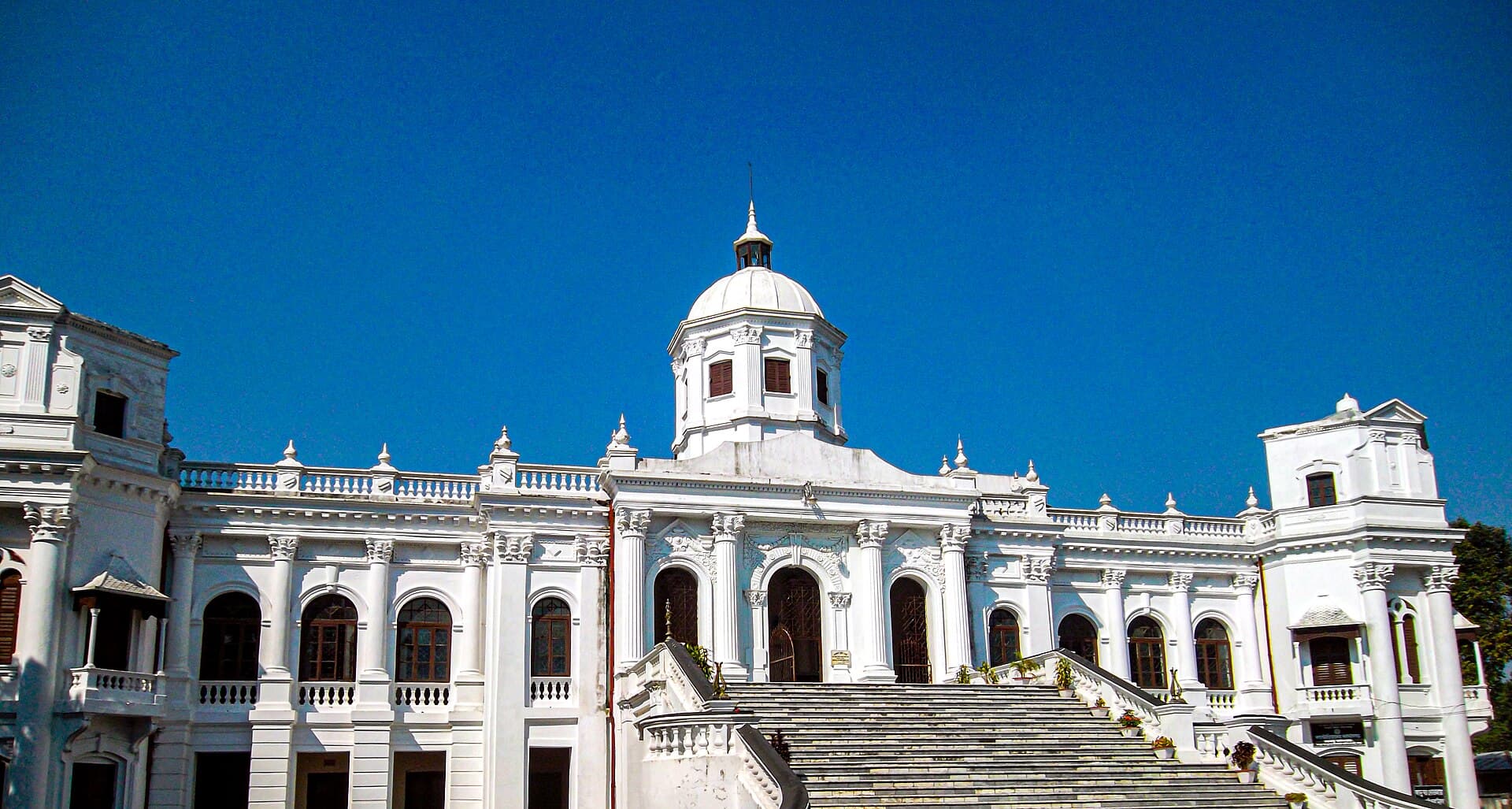 Md. Rifat Hasan Jihan / CC BY-SA 4.0, via Wikimedia Commons
Self-guided audio walking tour of Rangpur — GPS route, offline playback, story-driven narration in 32 languages.
“Where emerald fields meet echoes of empires and indigo dreams.”
Not the postcards. The stories even locals don't know — whispered in your ear, right where they happened.
This grand palace, now a museum, holds a secret in its very name, hinting at the opulent past of its builder.
A vital canal in Rangpur has a legendary origin tied to a mysterious illness.
The city's name itself carries a dual historical meaning, one tied to color and another to entertainment.
Discover every secret of Rangpur
Every address, every reveal in full — in your ear, right where it happened.
You pick your stops. You walk. The voice reveals what the others miss.
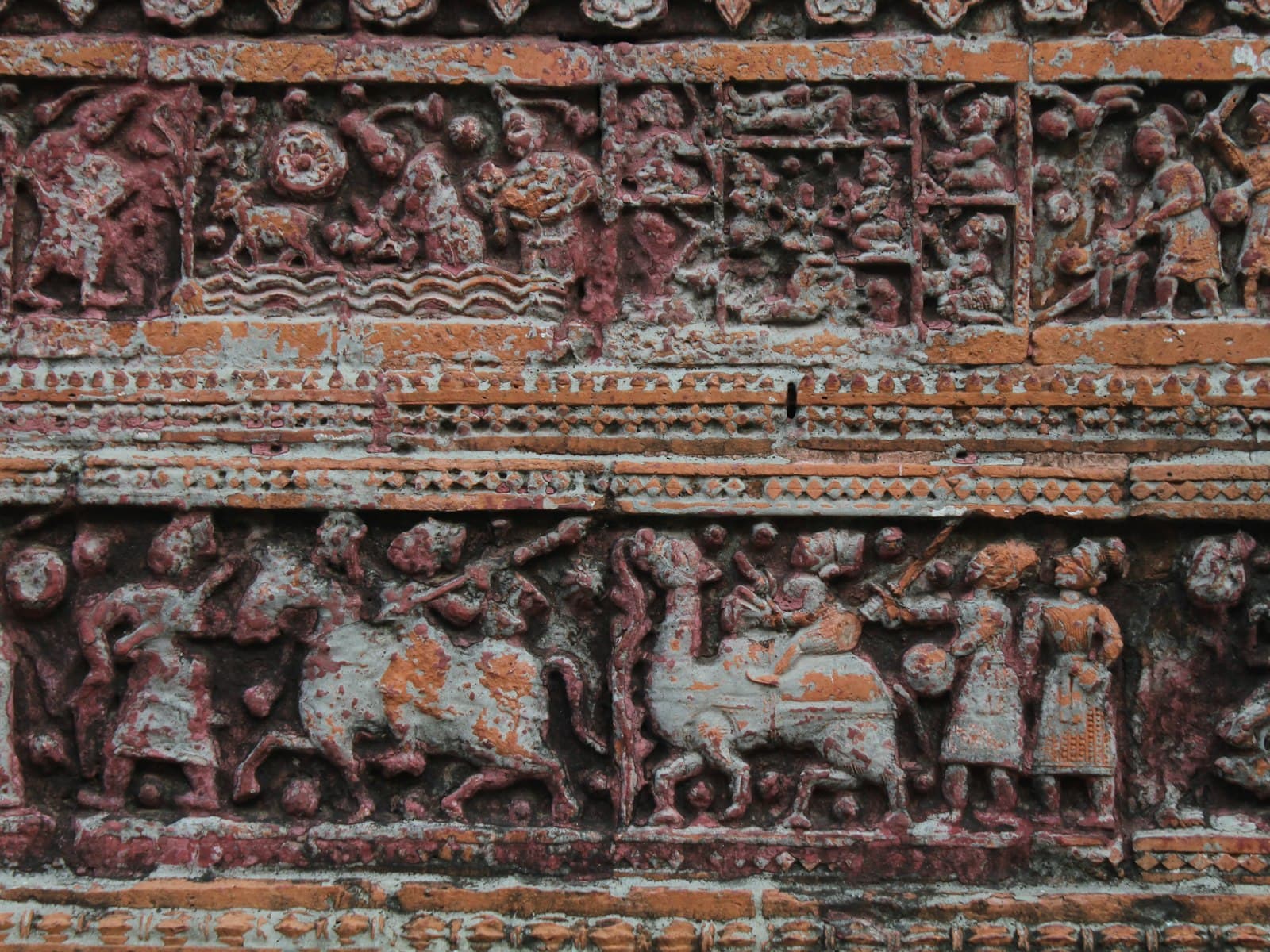
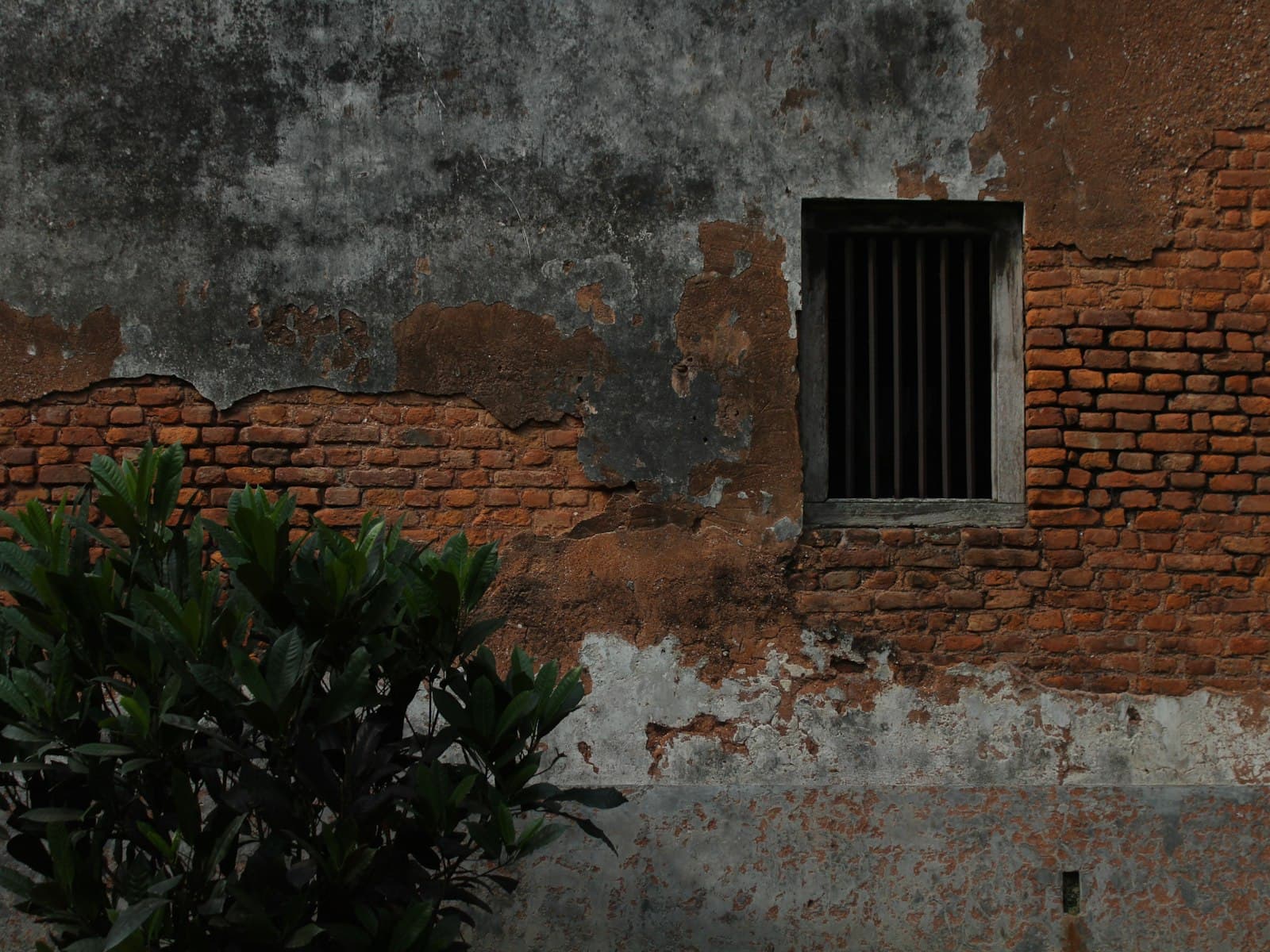
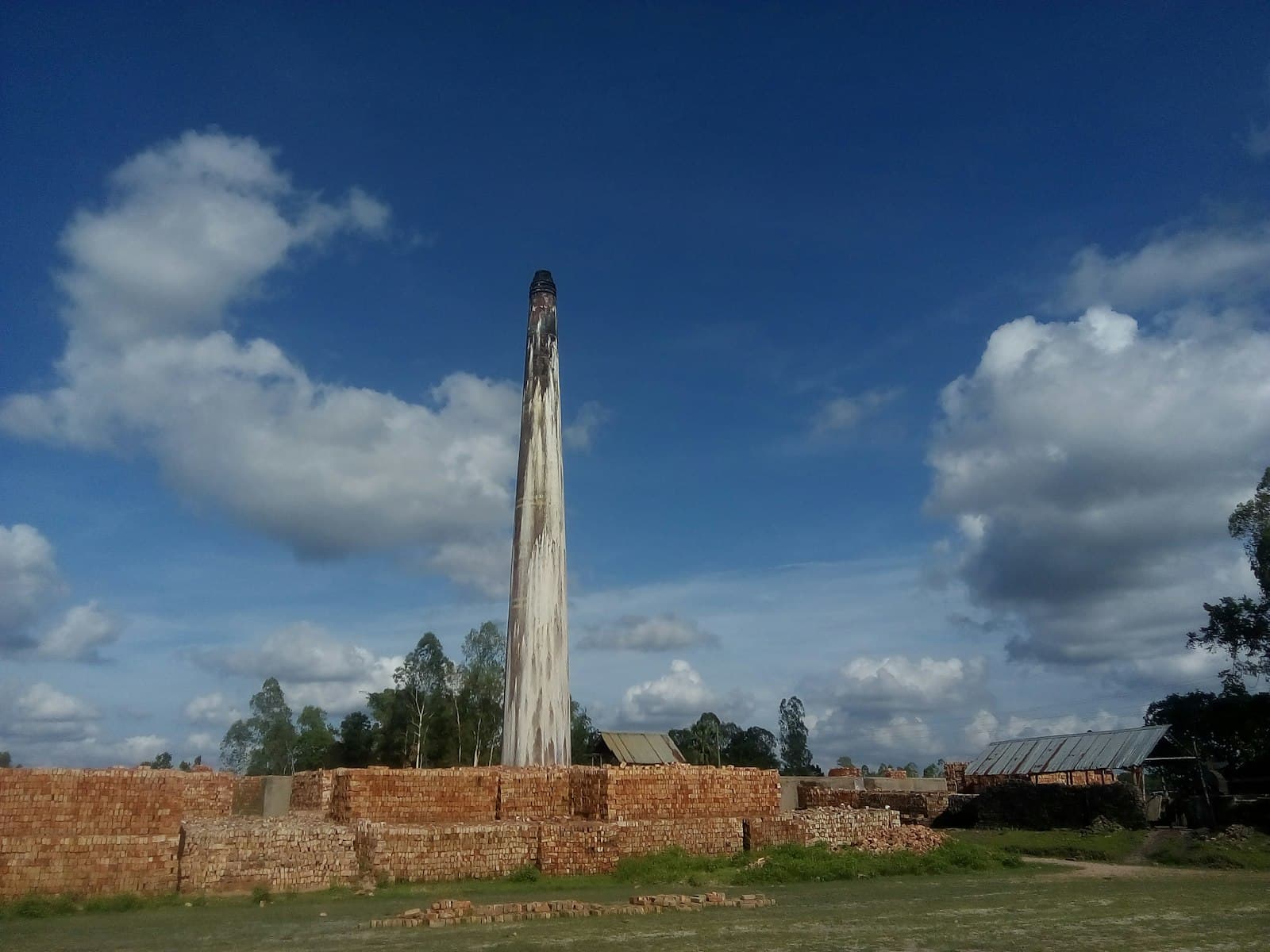
Your self-guided audio tour of Rangpur is ready — pick your landmarks, choose your language, and start the moment you arrive.
BuyLume has a built-in augmented-reality guide. Hold your phone up and its camera shows the street ahead of you, with a glowing arrow laid over the real view that always points to your next stop — no map to puzzle over, no wrong turns. Like everything in Lume, it works fully offline.
Rangpur, a city in northern Bangladesh, offers a captivating blend of historical significance, cultural depth, and natural beauty. Situated on the banks of the Ghaghat River and near the Teesta River, it serves as the administrative center of the Rangpur Division and is the second-largest city corporation in Bangladesh. The city enchants travelers with its serene landscapes, warm hospitality, and a unique mix of urban grace and rural tranquility, making it an ideal destination for those seeking diverse experiences.
Known as the 'Gateway to the North,' Rangpur's identity is deeply rooted in its past, reflecting influences from the Mughal era and British colonial rule. Its fertile alluvial plains, fed by the Teesta River, have historically shaped its agrarian economy, making it a significant producer of jute, tobacco, and rice. Beyond its agricultural importance, Rangpur is a hub for education and culture, with notable institutions and traditional festivals that showcase the authentic spirit of northern Bangladesh.
The history of Rangpur stretches back to ancient Bengal, with the region once forming part of the eastern kingdom of Kamarupa, also known as Pragjyotisha. Ancient stories suggest that during the time of King Bhagadatta, around the 15th century BC, Rangpur was part of his kingdom. Later, around 340 AD, it functioned as a 'Tax state' of Kamarupa.
Rangpur's significant historical chapter began in 1575 when Raja Man Singh, a commander for the Mughal Emperor Akbar, conquered parts of the region. By 1686, Rangpur was fully integrated into the Mughal Empire, with its fertile lands and strategic location along trade routes contributing to its development as an important administrative and trading center. Place names such as Mughalbasa ('a locality of the Mughals') and Mughalhat ('local market') in the nearby Kurigram District still bear testimony to this deep-rooted Mughal connection.
The East India Company took control of Rangpur in 1765, marking the beginning of British rule. On December 16, 1769, Rangpur was declared a District Seat, and in 1869, it was established as one of the oldest municipalities in Bangladesh. The British established administrative institutions, revenue offices, and educational facilities, transforming Rangpur into a regional center of colonial governance.
This period also saw significant resistance. The Fakir-Sannyasi rebellion and other peasant uprisings, including the Rangpur Rebellion of 1783 against oppressive taxation, were prominent early anti-colonial revolts in the region, with leaders like Fakir Majnu Shah playing key roles. Brave anti-colonial rebels such as Devi Chaudhurani also hailed from this area. Later, the first Civil Disobedience Movement in Rangpur began in 1930, and the Tebhaga movement, an anti-British revolution, also started here in 1946.
During the Pakistani Period, Rangpur was a district of East Pakistan, and its people actively participated in movements like the Bengali language movement, the Six-Point Movement, and the 1969 Mass Uprising. Sangku Samajhder was the first person from Rangpur to be martyred in the liberation war on March 3, 1971. Just three days after the Pakistani crackdown, on March 28, 1971, the people of Rangpur decisively began the Bangladesh Liberation War by attacking the Rangpur Cantonment. The city was strategically important due to its proximity to the Indian border and was part of Sector 6 of the Bangladesh Forces.
After Bangladesh gained independence, Rangpur continued to evolve. In 2010, Rangpur became a division, and in 2012, the Rangpur Municipality was elevated to a City Corporation. Today, Rangpur is a rapidly developing metropolitan area, with improved infrastructure and services, solidifying its role as a key regional hub and a significant destination for education.
Begin your exploration at the Tajhat Palace, an early 20th-century architectural marvel built by Maharaja Kumar Gopal Lal Roy. This white palace, with its neoclassical design, tall columns, and a grand marble staircase, now houses the Rangpur Museum on its second floor. The museum's collection includes ancient Hindu carvings, Mughal-era calligraphic art, rare coins, and manuscripts.
For a glimpse into local religious harmony and traditional Bengali architecture, visit the Kellaband Mosque, known for its impressive terracotta embellishments. Another spiritual oasis is the Keramatiya Mosque, admired for its serene ambiance and architecture. History enthusiasts should also make time for Carmichael College, founded during the British colonial period, which offers impressive architecture and a storied past as one of Bangladesh's oldest educational institutions.
Nature lovers can find respite at Rangpur Zoo, a lush green space home to diverse wildlife, or enjoy the walking trails and playgrounds of Rangpur City Park. For a unique recreational experience, Proyash Sena Binodon Park (Ghagot Army Park) offers an artificial beach and boating on the Ghagot River, while Vinnya Jagat Amusement Park and Chiklee Water Park provide family-friendly thrills and natural beauty. Do not miss the Taj Mahal Replica, a testament to the region's architectural prowess.
The most favorable time to visit Rangpur is during the winter months, from November to February. During this period, the weather is mild and pleasant, with daytime temperatures around 20°C to 25°C and cooler nights, making it ideal for sightseeing and outdoor activities. This dry season also coincides with various local festivals, offering a deeper cultural immersion. While the monsoon season from May to October brings heavy rainfall, often short-lived, the winter months provide the most comfortable conditions for exploration.
Rangpur is a key transport hub in northern Bangladesh, making it accessible for travelers. The fastest way to reach the city is by air, with regular flights from Dhaka to Saidpur Airport (SPD), which is about 42 km (26 miles) west of Rangpur city. Railway connections link Rangpur with all major centers in Bangladesh, offering a comfortable and inexpensive way to travel while enjoying scenic views of rice and jute fields. Buses also operate frequently from Dhaka, with services departing from Kalyanpur and Gabtali.
Within Rangpur, rickshaws and auto-rickshaws are common modes of transport. Accommodation options include hotels like Hotel Shah Amanat, Hotel Golden Tower, Hotel The Park, Hotel Tilottama, Hotel Vijay, and RDRS. Dining in Rangpur offers a gastronomic journey into the flavors of northern Bangladesh, with local cuisine based on rice, fresh vegetables, jute-based dishes, and traditional fish curries. Popular restaurants include RDS Cafe and Restaurant, North View Restaurant, The Pavilion, and Motel Restaurant, offering a mix of Bengali, Chinese, Thai, Indian, and Continental dishes.
Rangpur in Korean, in Chinese or in Hebrew — and 29 more languages, every stop narrated by a native voice. The widest language range of any self-guided audio tour.
Available in: