Isar Fortress
Below the commanding Isar Fortress, a concealed passage once offered a vital conduit—or a point of vulnerability—to the city.
Full story unlocks in the tour
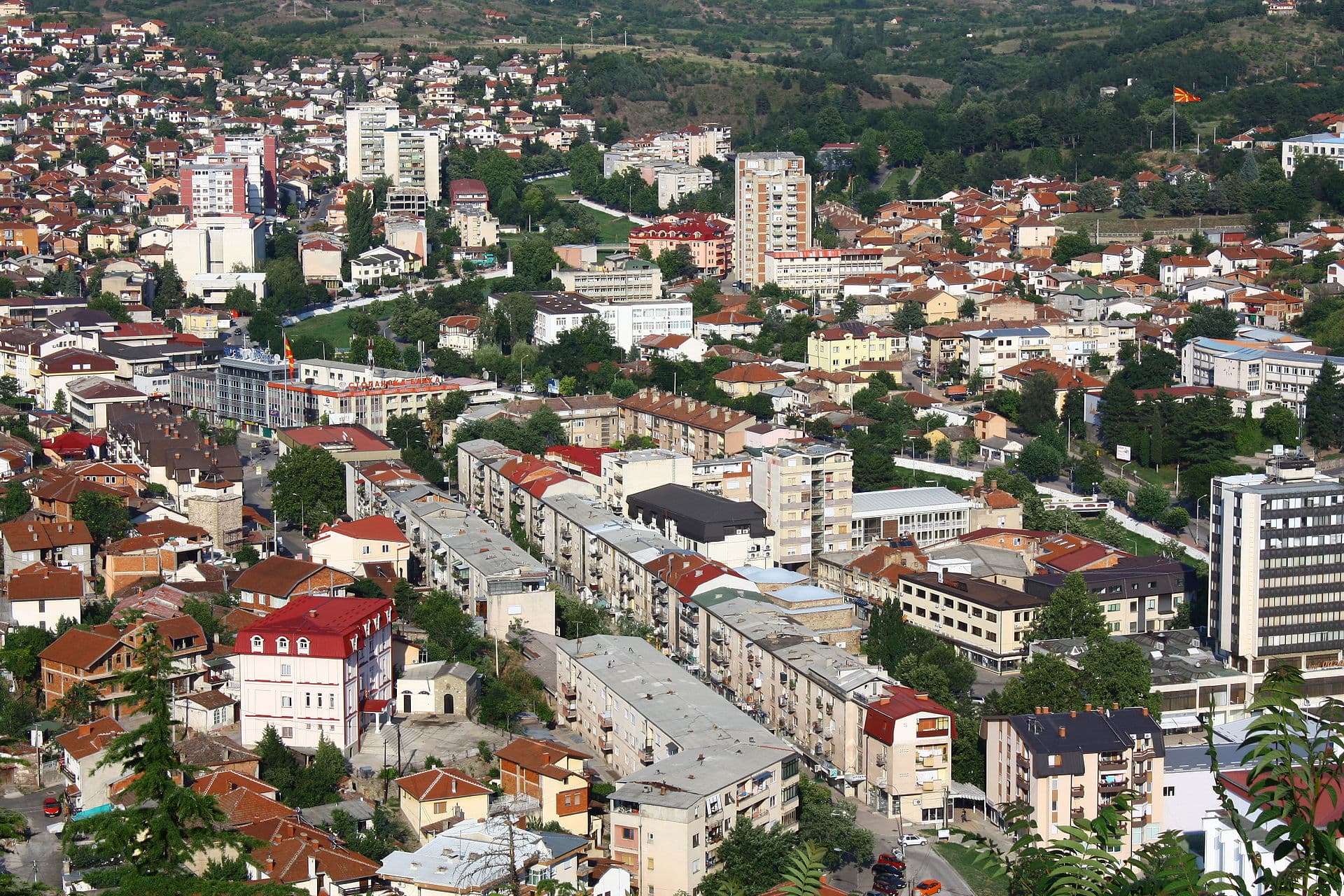 This illustration was made by Rašo. An email to Rašo would be appreciated too. / CC BY-SA 3.0, via Wikimedia Commons
Self-guided audio walking tour of Štip — GPS route, offline playback, story-driven narration in 32 languages.
“Where the echoes of antiquity meet the pulse of university life.”
Not the postcards. The stories even locals don't know — whispered in your ear, right where they happened.
Below the commanding Isar Fortress, a concealed passage once offered a vital conduit—or a point of vulnerability—to the city.
This medieval church, a guardian of Štip, conceals a past where its sacred walls served a dramatically different function.
The ancient city of Bargala, a brief journey from Štip, once flourished as a central hub with an advanced infrastructure that rivaled many contemporary settlements.
Discover every secret of Štip
Every address, every reveal in full — in your ear, right where it happened.
You pick your stops. You walk. The voice reveals what the others miss.
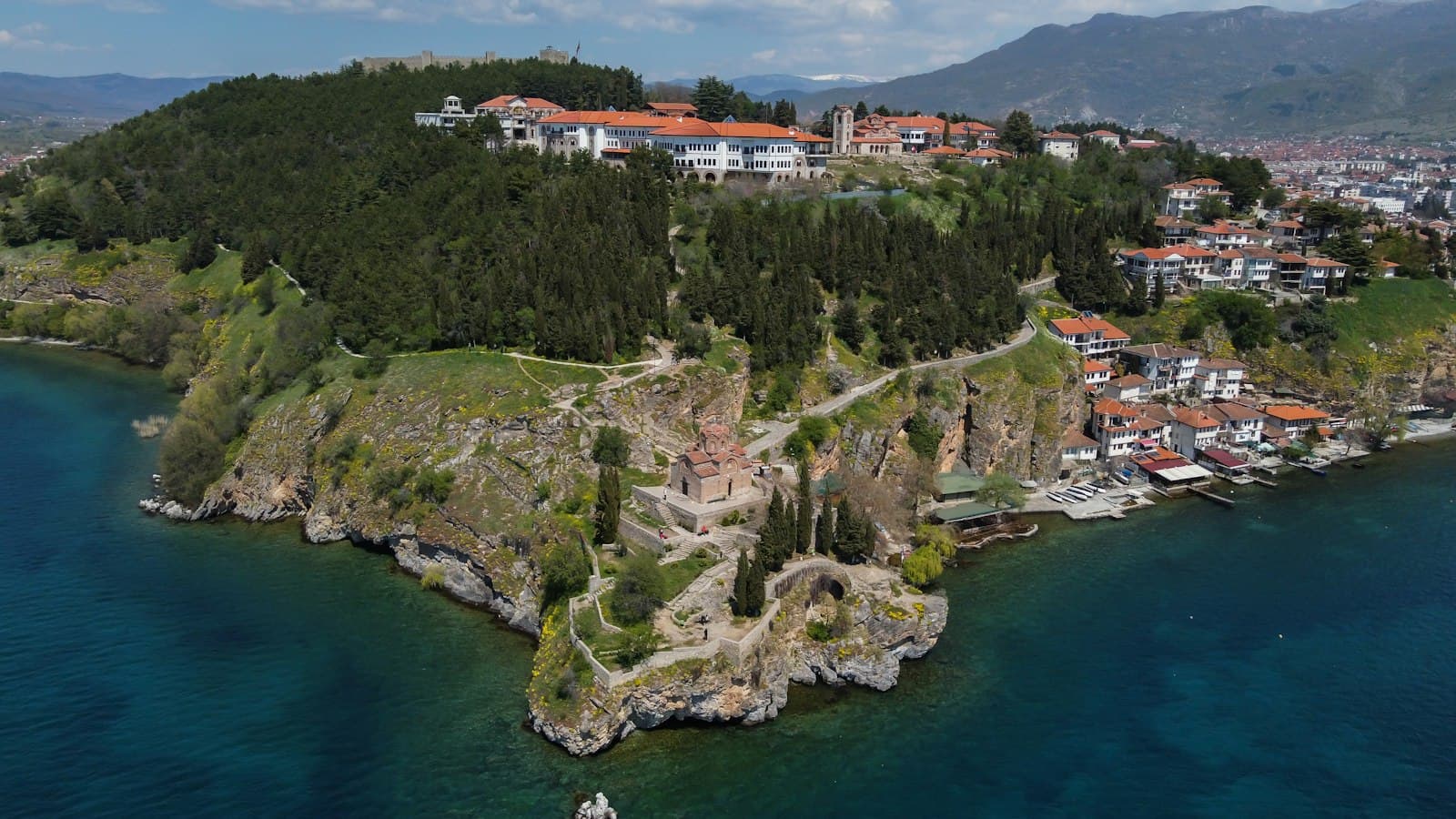
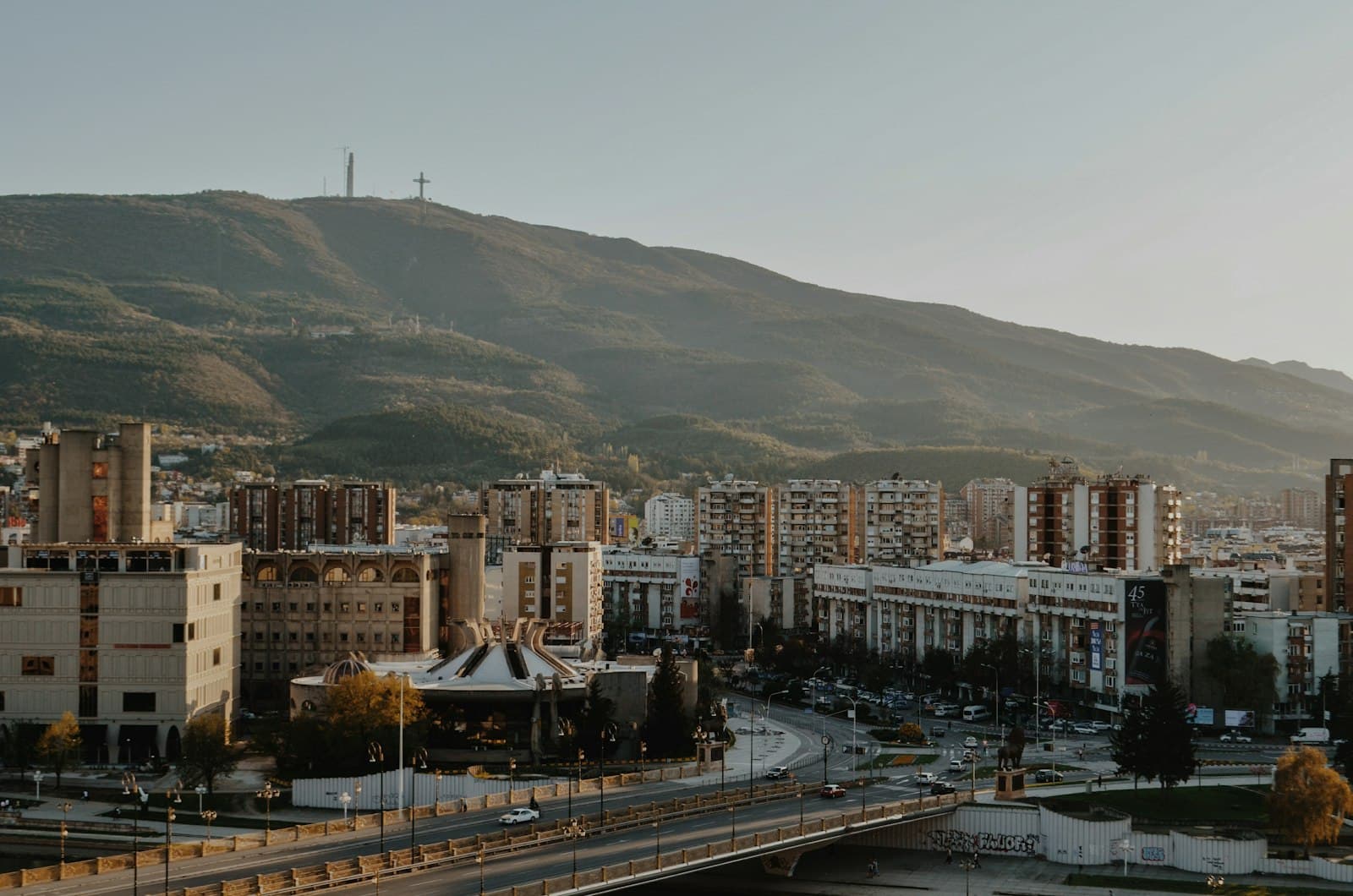
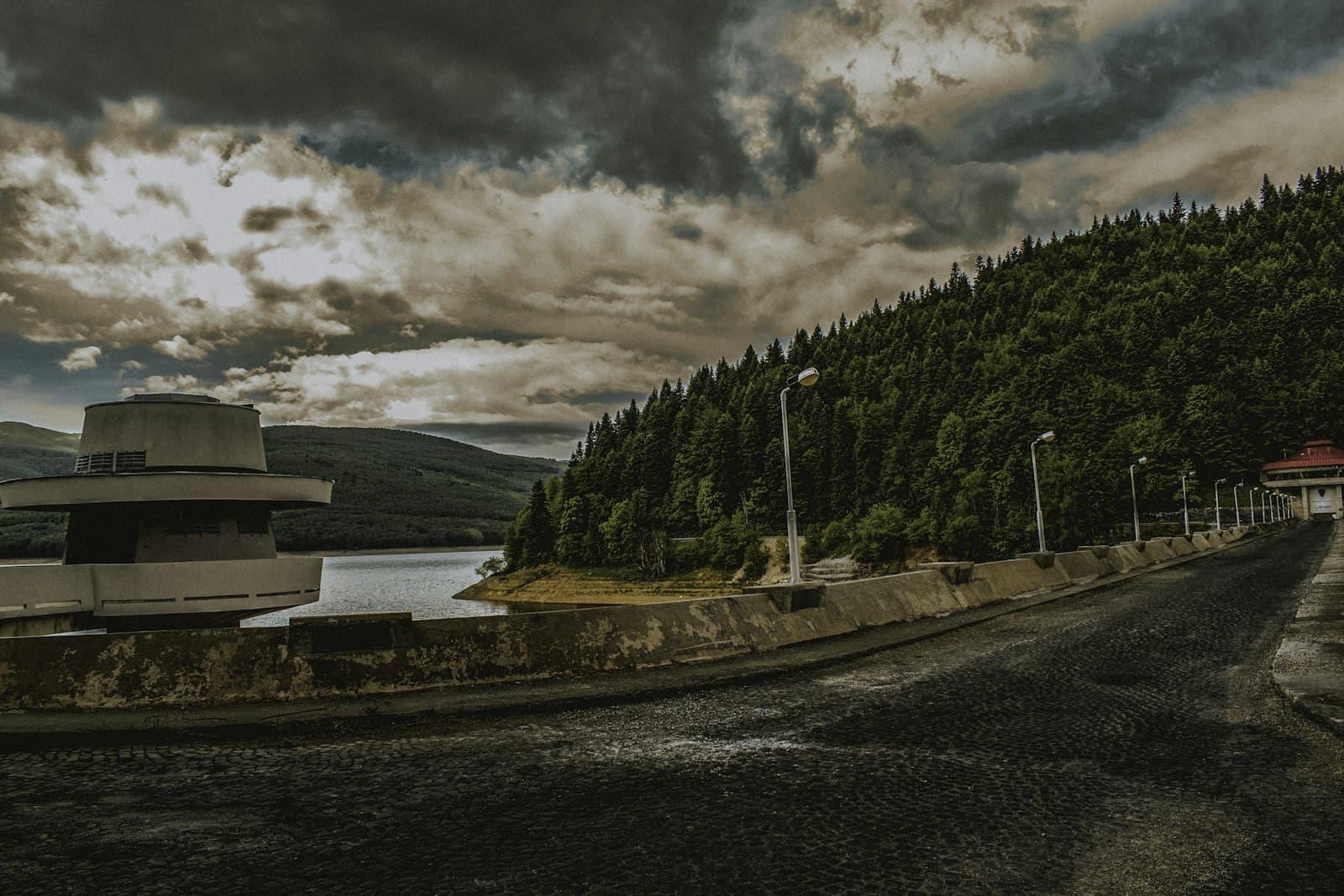
Your self-guided audio tour of Štip is ready — pick your landmarks, choose your language, and start the moment you arrive.
BuyLume has a built-in augmented-reality guide. Hold your phone up and its camera shows the street ahead of you, with a glowing arrow laid over the real view that always points to your next stop — no map to puzzle over, no wrong turns. Like everything in Lume, it works fully offline.
Štip, the largest city in eastern North Macedonia, presents a compelling fusion of ancient history and contemporary existence. Overlooked by the commanding Isar Fortress, the city unfolds along the banks of the Bregalnica and Otinja rivers. It is a place where archaeological marvels, medieval churches, and Ottoman-era architecture harmoniously coexist with the lively energy of a university town.
While Štip may attract fewer international visitors than some of North Macedonia's more celebrated destinations, this only enhances its authentic character. Residents are known for their warmth, and the city offers a genuine glimpse into Macedonian culture. From exploring Roman ruins to savoring local delicacies, Štip invites you to peel back its many layers.
Štip also functions as a vital economic and educational hub, particularly recognized for its textile industry and the Goce Delčev University. This dynamic combination fosters a lively atmosphere, especially in the city center, where cafes and boutiques line the main pedestrian boulevard.
The story of Štip extends back millennia, with archaeological discoveries providing evidence of its deep roots. The area was once home to the Paeonian tribe of Derrones in the 7th and 6th centuries BC, who were among the first tribes globally to mint silver coins. The Bregalnica River, then identified as Astibos, held ritualistic significance, where Paeonian kings performed coronation baths.
One of the most important archaeological sites nearby is Bargala, a fortified Late Antique and Early Byzantine city located approximately 10-15 kilometers southeast of Štip. Constructed between the 4th and 6th centuries AD, Bargala was a flourishing city and a significant religious and cultural center, serving as the seat of a bishopric. An inscription found at the site dates the construction of its city gate to 371/372 AD. The city featured an advanced infrastructure, including a sophisticated sewage system and lead piping for water supply.
Štip's strategic position rendered it a desired territory throughout history. It was absorbed into the Ottoman Empire in 1385 and became known as İştip, serving as the seat of a sanjak. During Ottoman administration, the city experienced considerable development, with the Turkish traveler Evliya Çelebi noting in 1661 that it contained 2,240 homes, 24 Islamic religious buildings, seven hans (Turkish baths), one caravanserai, and a bazaar with 450 shops. The Bezisten, a historic covered Ottoman market from the 16th or 17th century, stands as a testament to this period.
The city briefly fell under Austro-Hungarian rule from 1689 to 1691. Štip also maintained a relatively substantial Jewish community, with Sephardic Jews settling there after the Spanish Inquisition. Tragically, in 1943, 551 Jews from Štip were deported to Treblinka by occupying Bulgarian fascists, and the city's Jewish quarter was destroyed.
In the 20th century, Štip endured the tumult of the Balkan Wars and World War I, changing hands between Bulgarian and Serbian control. During World War II, it was occupied by Axis-allied Bulgarian forces and later by German troops. Today, Štip is a contemporary city, a key educational hub with Goce Delčev University, and a center for North Macedonia's textile industry.
Begin your journey at the Isar Fortress, resting atop a rocky hill overlooking the city. These medieval ruins provide expansive views of Štip and the surrounding valleys, a truly gratifying ascent. Below the fortress, seek out the Church of St. Archangel Michael, a valuable medieval monument built in 1332. While its original frescoes were lost when it was converted into a mosque, its cross-shaped architecture and single dome remain impressive.
In the city center, the Bezisten, a historic covered Ottoman market, now functions as an art gallery. This stone-built structure offers a glimpse into Štip's trading past and frequently hosts contemporary art exhibitions. Nearby, the Štip Museum, situated in the historic Arsovi House, displays archaeological finds, art, ethnology, and the city's history. Do not overlook the grand Church of St. Nicholas in the lower town, a 19th-century basilica with frescoes and a gallery of icons.
A brief drive from Štip leads to the Bargala Archaeological Site, an expansive ruin of a Late Roman and Early Byzantine city. Wander through the excavated remains of fortifications, basilicas, a market, and a sophisticated water system, envisioning daily life in this ancient settlement. For a serene respite, visit City Park Suitlak, a beautifully maintained hilly park with trails and benches.
Štip experiences warm, mostly clear summers and snowy, very cold, and partly cloudy winters. The hot season extends from early June to mid-September, with July being the warmest month, averaging highs of 87°F (31°C). The cold season runs from late November to early March, with January being the coldest, averaging lows of 27°F (-3°C). For warm-weather activities, the optimal time to visit is from early July to late August.
Spring and autumn offer agreeable temperatures for exploration. Autumn is particularly notable due to the Pastrmajlijada festival, a lively event filled with music, dance, and the aroma of freshly baked pies. If you appreciate music festivals, the Makfest pop music festival, North Macedonia's most renowned, is held annually in Štip.
The local currency in Štip is the Macedonian Denar (MKD). While larger supermarkets and hotels accept cards, it is wise to carry cash for smaller bakeries and local markets. When utilizing ATMs, always opt to be charged in Macedonian denars to avoid unfavorable exchange rates.
Štip is well-connected by road, with frequent bus services to Skopje and other major cities. The main bus station is centrally positioned, offering easy access to accommodation and sights. While a train station exists, passenger services are limited. Navigating Štip is best accomplished on foot or by taxi, with competitive prices.
Štip is considered a very secure city for international travelers, with residents generally welcoming and helpful. While serious crime is uncommon, exercising general prudence, as you would in any unfamiliar location, is always advised.
Štip in Korean, in Chinese or in Hebrew — and 29 more languages, every stop narrated by a native voice. The widest language range of any self-guided audio tour.
Available in: