Vanadzor Fine Arts Museum
Beyond the canvases, a particular sculpture holds a quiet secret, a reflection of the city's shifting identity.
Full story unlocks in the tour
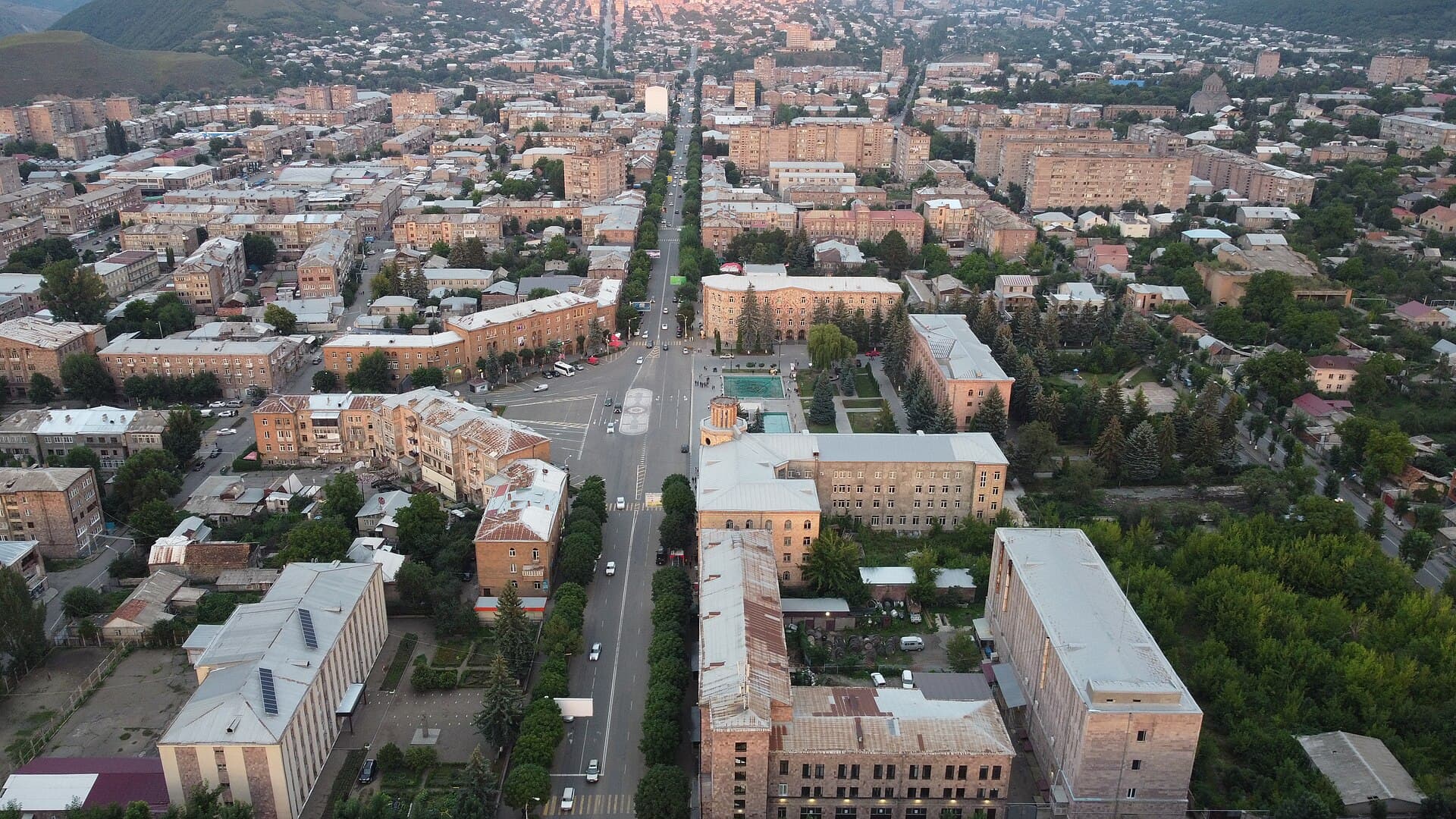 Emptyfear / CC BY-SA 4.0, via Wikimedia Commons
Self-guided audio walking tour of Vanadzor — GPS route, offline playback, story-driven narration in 32 languages.
“Vanadzor: Where Soviet-era echoes meet the Lori Province's green embrace.”
Not the postcards. The stories even locals don't know — whispered in your ear, right where they happened.
Beyond the canvases, a particular sculpture holds a quiet secret, a reflection of the city's shifting identity.
Amidst the lively stalls, a specific vendor offers a taste of Vanadzor's enduring agricultural legacy, a flavor rarely found elsewhere.
Among the carefully cultivated flora, a particular section tells a quiet story of international collaboration and botanical resilience.
Discover every secret of Vanadzor
Every address, every reveal in full — in your ear, right where it happened.
You pick your stops. You walk. The voice reveals what the others miss.
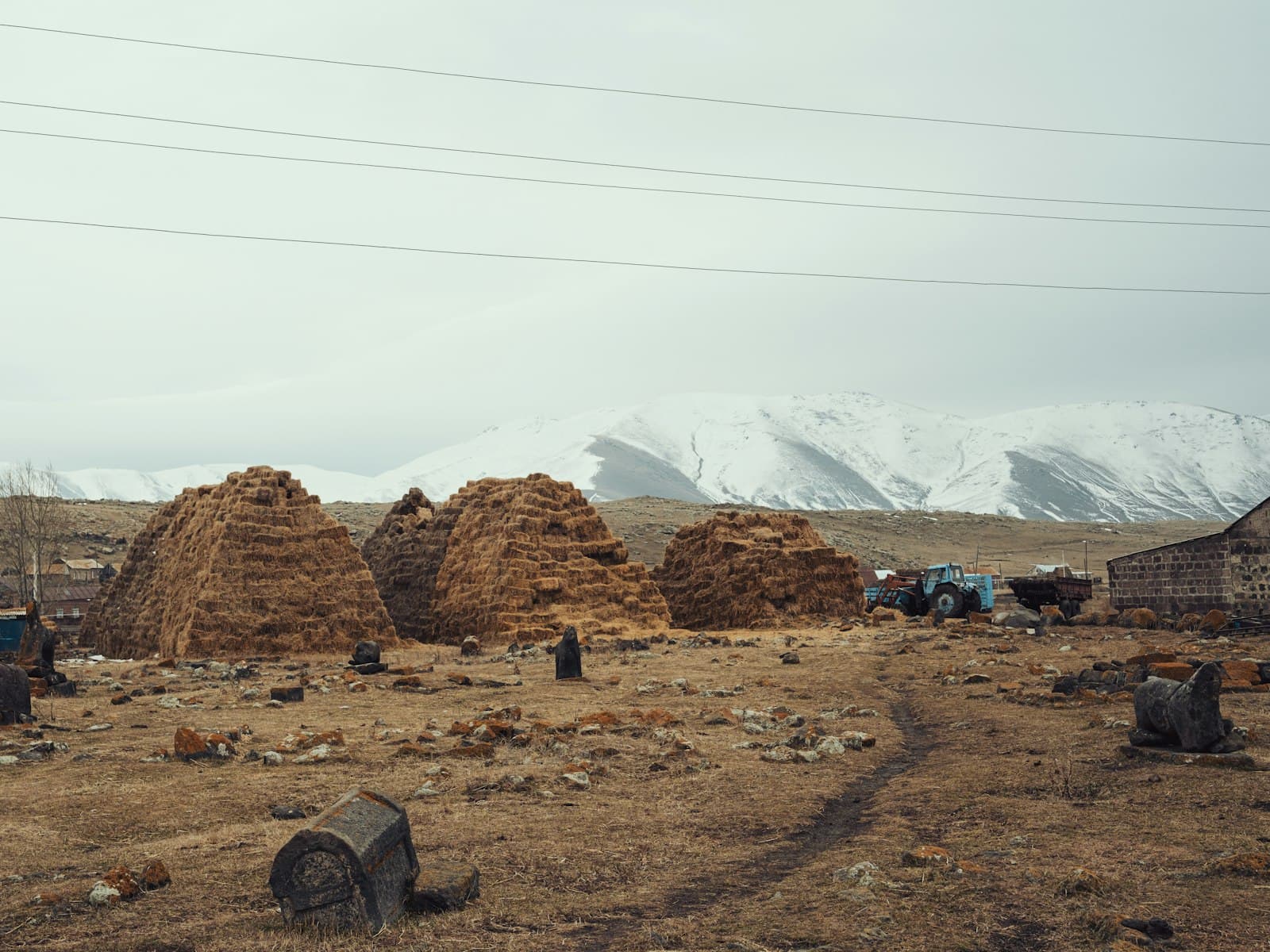
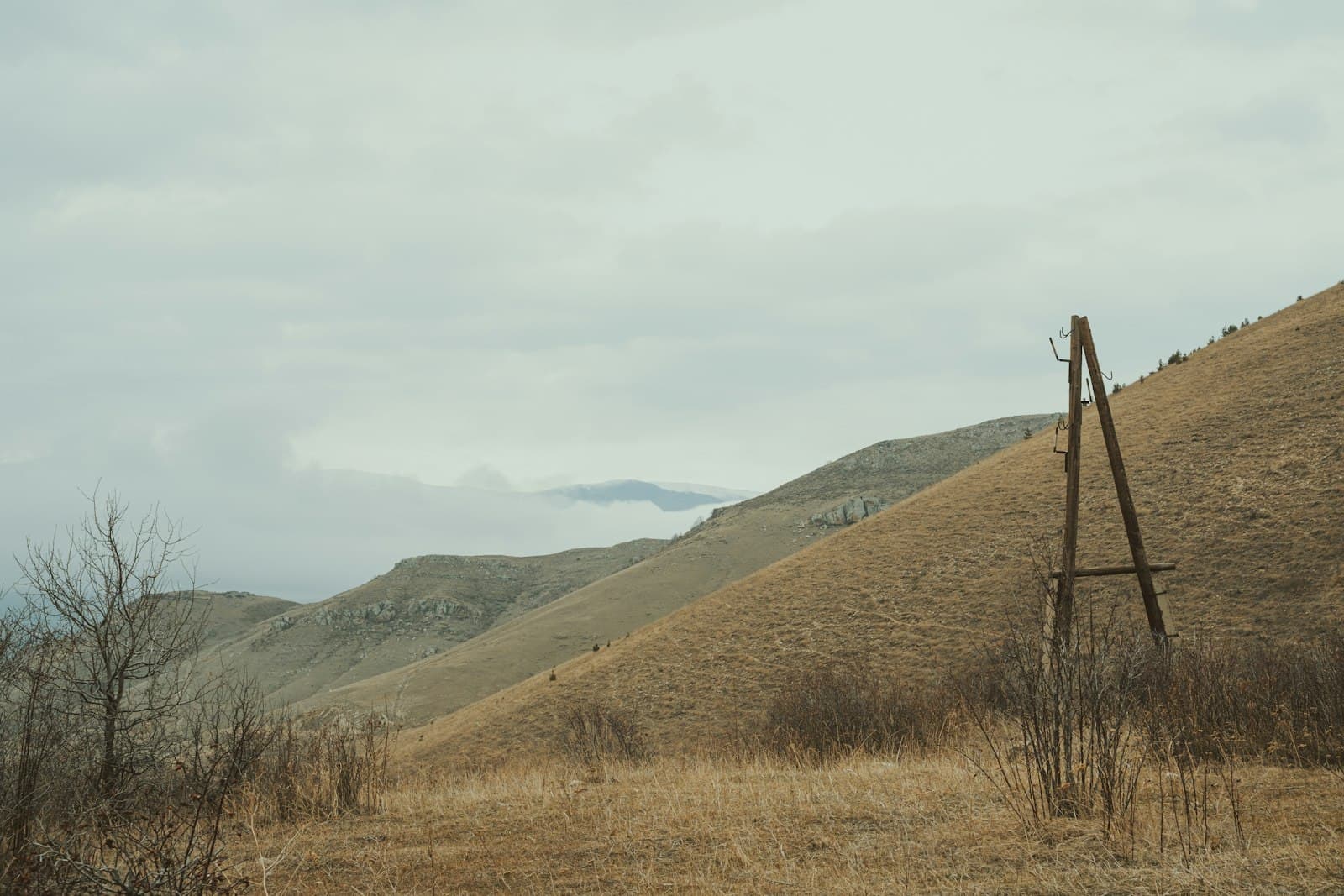
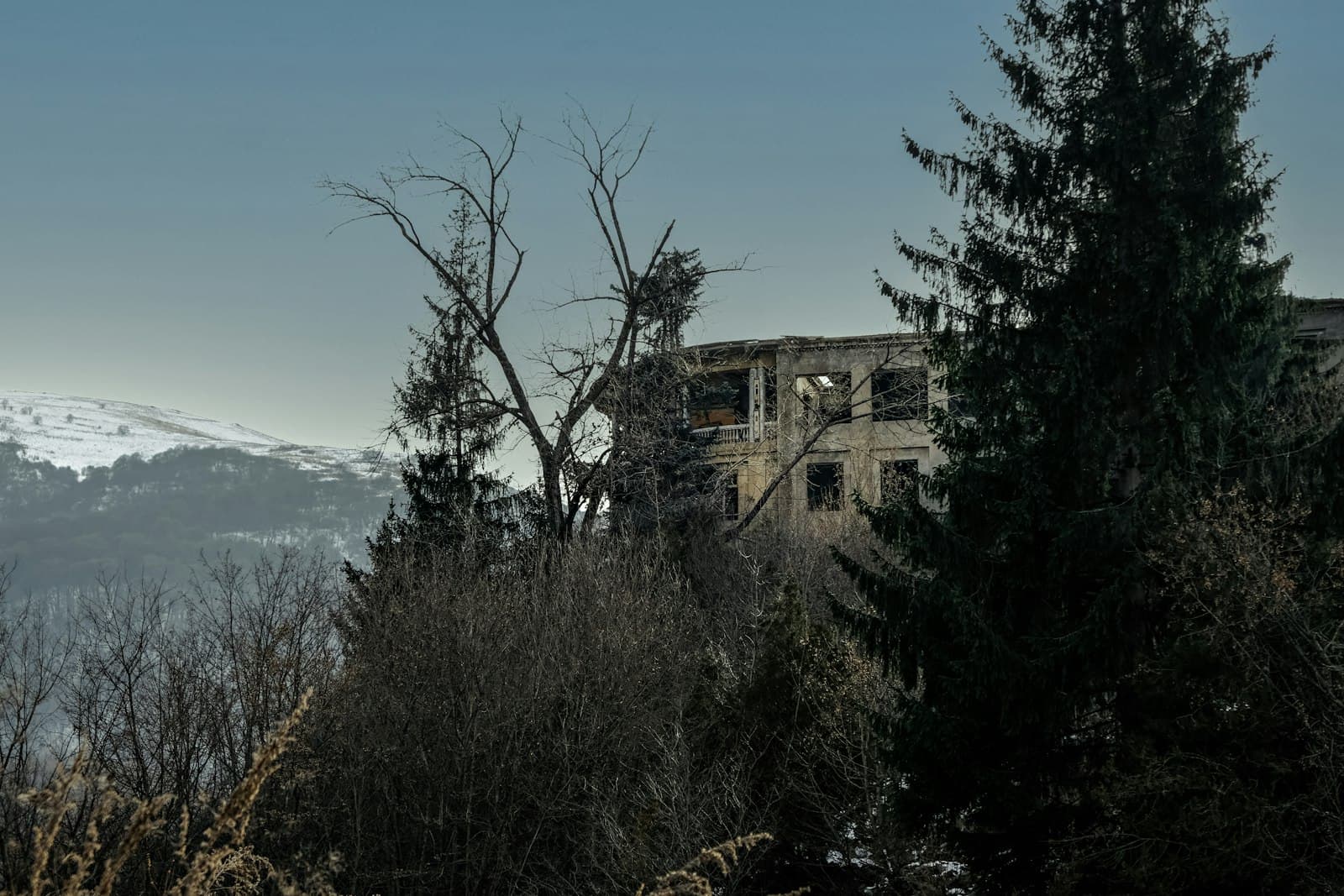
Your self-guided audio tour of Vanadzor is ready — pick your landmarks, choose your language, and start the moment you arrive.
BuyLume has a built-in augmented-reality guide. Hold your phone up and its camera shows the street ahead of you, with a glowing arrow laid over the real view that always points to your next stop — no map to puzzle over, no wrong turns. Like everything in Lume, it works fully offline.
Vanadzor, Armenia's third-largest urban center, functions as the administrative heart of the Lori Province. It finds its location within the Pambak River valley, embraced by green mountains that provide a cooler climate than the capital, Yerevan. The city's architectural character narrates a tale of Soviet-era planning, with broad avenues and concrete structures, yet beneath this surface, a resilient spirit thrives alongside a burgeoning cultural landscape. Here, industrial heritage intertwines with natural splendor, offering a distinctive perspective on Armenia's multifaceted identity.
Vanadzor's origins extend to ancient times, with archaeological evidence pointing to early human settlements in the region. However, its modern form began to solidify in the 19th century. Initially named Gharakilisa, a Turkic term meaning 'black church,' the town expanded as a strategic point along trade routes. This name likely referenced a church constructed from dark stone, a common feature in Armenian ecclesiastical architecture.
The most profound transformation occurred during the Soviet period. In 1935, the city received the name Kirovakan, honoring Sergey Kirov, a prominent Bolshevik figure. Under Soviet administration, Kirovakan experienced rapid industrialization, evolving into a significant center for chemical production and machine manufacturing. Extensive factories and residential districts were erected, imbuing the city with its characteristic Soviet architectural style. This era also saw the establishment of educational institutions and cultural centers, solidifying Kirovakan's role as an important regional hub.
The devastating Spitak earthquake of 1988 inflicted severe damage upon Kirovakan, resulting in widespread destruction and loss of life. The city, like many others in the region, embarked on a prolonged and arduous recovery. Following Armenia's independence from the Soviet Union in 1991, the city shed its Soviet designation and was officially renamed Vanadzor in 1992. This name, signifying 'valley of Van' in Armenian, references the Vanadzor River, a tributary of the Pambak River, symbolizing a return to its Armenian roots and an outlook towards the future. Today, Vanadzor continues its process of rebuilding and redefining itself, balancing its industrial past with efforts to cultivate tourism, arts, and education, embracing its natural surroundings and the enduring spirit of its inhabitants.
Initiate your exploration at the Vanadzor Fine Arts Museum, which houses a collection of Armenian painting, sculpture, and decorative arts, providing a window into the nation's artistic expressions. For a glimpse into local daily life, wander through the central market, a bustling hub where you can discover fresh produce, regional cheeses, and handcrafted items. Do not overlook the Vanadzor Botanical Garden, a serene escape presenting a diverse array of plant species, particularly noteworthy for its collection of Caucasian flora. The Holy Mother of God Church, with its distinctive Armenian architectural style, stands as a spiritual and historical landmark. Take a quiet walk along the Pambak River, which meanders through the city, offering pleasant views and a sense of calm amidst the urban environment. For those with an interest in the Soviet past, the city's architecture itself serves as a testament to that era, with numerous examples of monumental buildings and residential blocks.
The most agreeable time to visit Vanadzor is during the late spring (May-June) and early autumn (September-October). In these months, the weather remains pleasantly mild, creating ideal conditions for exploring the city and its surrounding natural landscapes. Summers can bring warmth, while winters are typically cold with substantial snowfall, which may limit some outdoor activities.
Vanadzor is accessible by marshrutka (minibus) from Yerevan, a journey that typically spans approximately 2-3 hours. Taxis also provide a more direct, though more costly, option. Within the city, marshrutkas and taxis serve as the primary modes of transportation. The local currency is the Armenian Dram (AMD). While Armenian is the official language, Russian is widely understood, and younger generations may possess some English proficiency. ATMs are available, and credit cards are accepted in larger establishments. It is advisable to carry some cash for smaller purchases and transactions at local markets.
Vanadzor in Korean, in Chinese or in Hebrew — and 29 more languages, every stop narrated by a native voice. The widest language range of any self-guided audio tour.
Available in: