Żabbar Sanctuary Museum
The local museum holds an unexpected collection that speaks to a different kind of salvation.
Full story unlocks in the tour
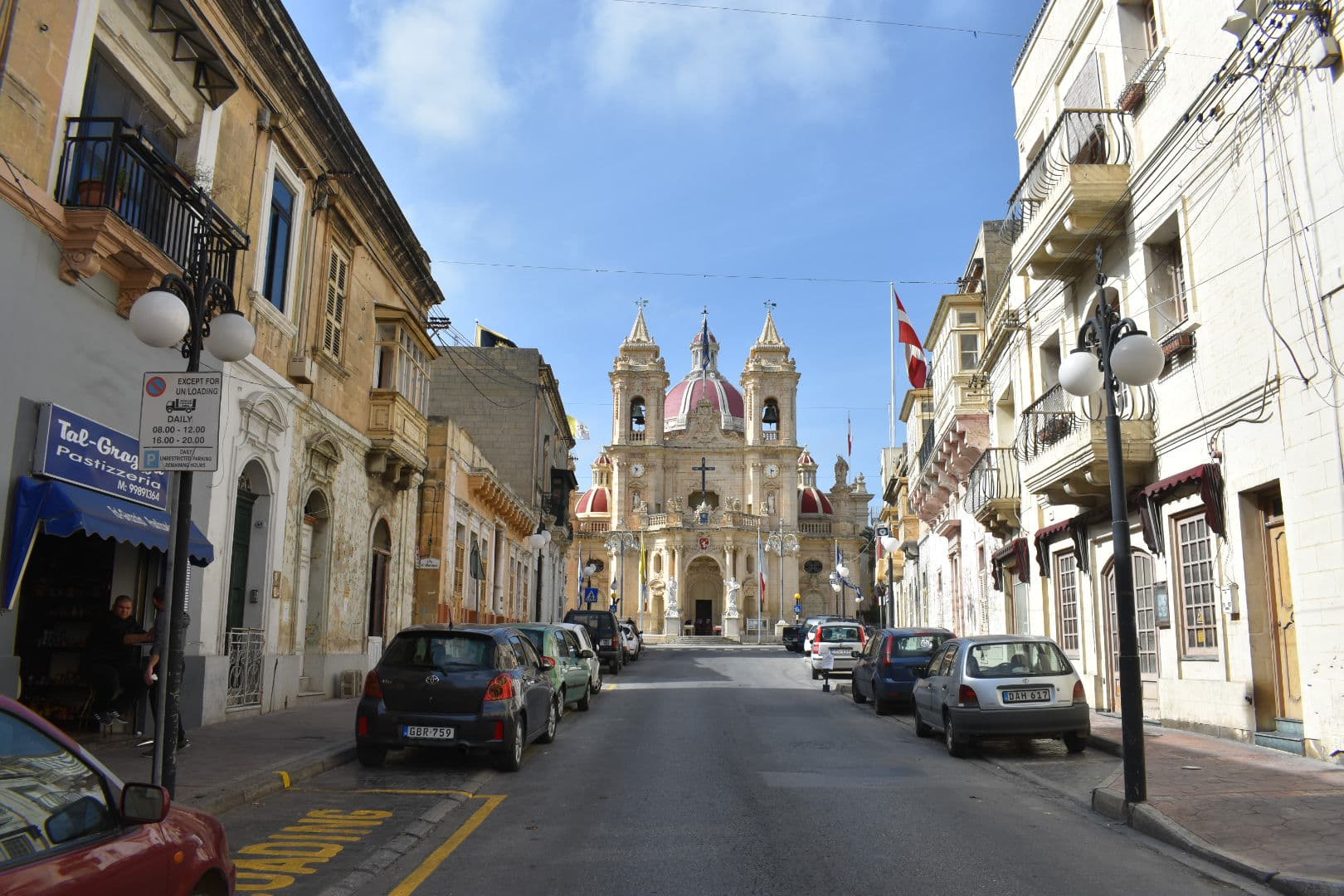 Continentaleurope / CC BY-SA 4.0, via Wikimedia Commons
Self-guided audio walking tour of Żabbar — GPS route, offline playback, story-driven narration in 32 languages.
“Beyond the grand pilgrimage, a city of resilient secrets.”
Not the postcards. The stories even locals don't know — whispered in your ear, right where they happened.
The local museum holds an unexpected collection that speaks to a different kind of salvation.
One particular street in Żabbar bears a visible scar from a historic siege.
The city's name isn't about olives, as some might assume, but rather a more industrious past.
Discover every secret of Żabbar
Every address, every reveal in full — in your ear, right where it happened.
You pick your stops. You walk. The voice reveals what the others miss.
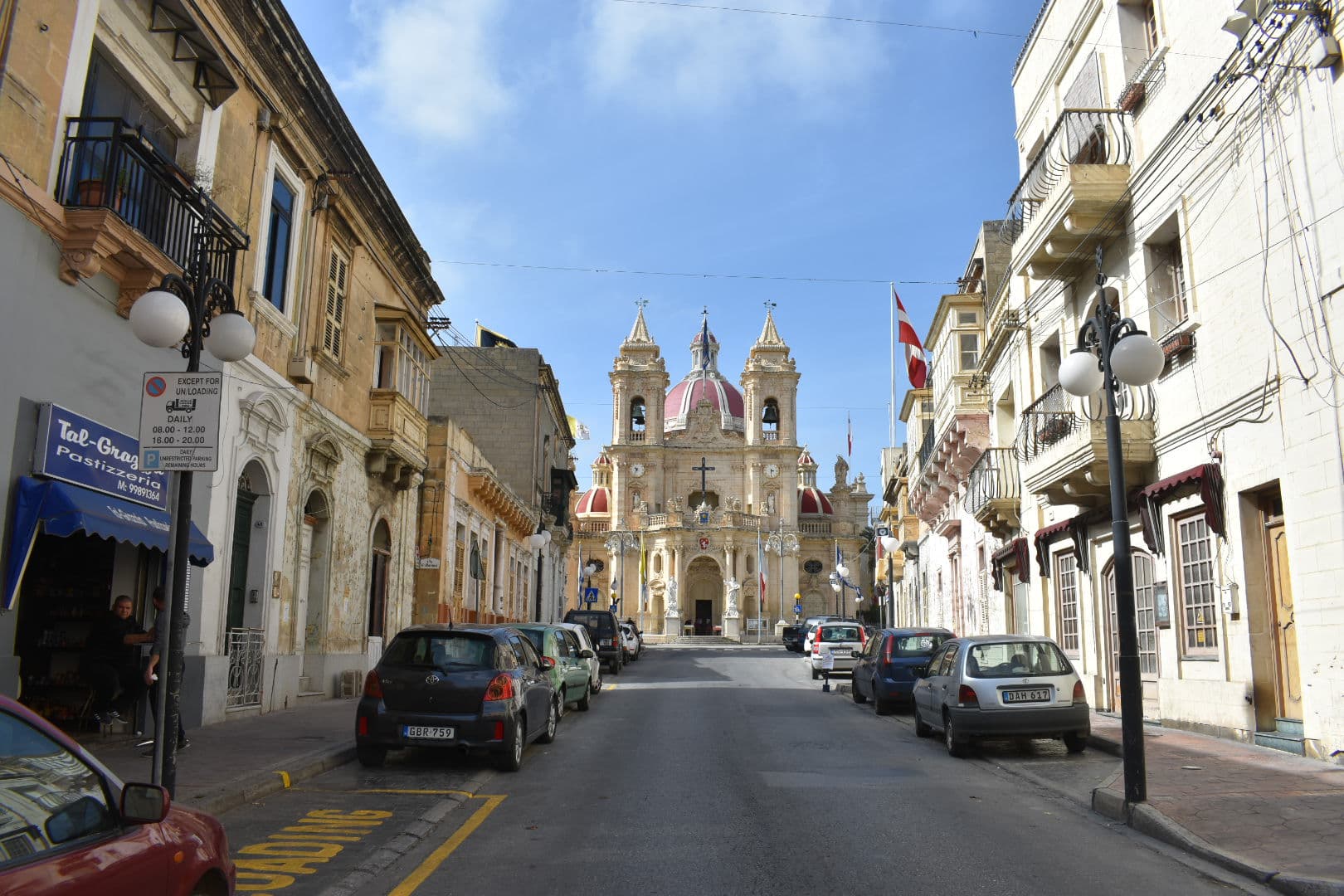
Your self-guided audio tour of Żabbar is ready — pick your landmarks, choose your language, and start the moment you arrive.
BuyLume has a built-in augmented-reality guide. Hold your phone up and its camera shows the street ahead of you, with a glowing arrow laid over the real view that always points to your next stop — no map to puzzle over, no wrong turns. Like everything in Lume, it works fully offline.
Żabbar, also known as Città Hompesch, is a city in Malta's South Eastern Region, a place where deep-rooted traditions and a strong sense of community thrive. With an estimated population of over 15,000, it is one of the larger towns in this part of the island, yet it retains a distinct village-like atmosphere. Often overshadowed by more prominent Maltese destinations, Żabbar offers a quieter, more authentic glimpse into local life, making it a rewarding stop for those seeking genuine cultural immersion.
The city's identity is inextricably linked to its magnificent Sanctuary of Our Lady of Graces, a major pilgrimage site that draws visitors from across Malta. Beyond its spiritual heart, Żabbar's narrow streets, traditional limestone houses, and enduring local feasts tell stories of centuries past, from its agricultural heritage to its strategic importance during historical conflicts.
The history of Żabbar as a distinct community began in the late 16th century, though the area had been inhabited for centuries prior. Initially a small hamlet, it was part of the larger parish of Żejtun. The development of Żabbar into an independent town gained momentum after it was established as its own parish in 1615. This was a crucial step in forging its own identity, closely tied to the growing devotion to Our Lady of Graces, whose small chapel in the area predated the current sanctuary.
Żabbar's strategic location near the Grand Harbour made it a significant settlement throughout Malta's turbulent history. During the Great Siege of Malta in 1565, Ottoman forces even established encampments in the surrounding area. A pivotal moment in its history arrived in 1797 when Grand Master Ferdinand von Hompesch zu Bolheim, the last Grand Master of the Order of St. John, granted the town city status, bestowing upon it the title 'Città Hompesch.' The local population commemorated this honor by building an impressive triumphal arch on the main approach road, which still stands today.
Żabbar played a role during the Maltese uprising against the French occupation between 1798 and 1800. The sanctuary church served as a base for Maltese insurgents, and a memorable battle took place in front of it on October 5, 1798. Evidence of this conflict can still be seen today, with French-era cannonballs lodged in household walls in the city's older parts, and some preserved in the church museum. During the British era, several forts and batteries, such as Fort Saint Rocco, Fort Saint Leonardo, Delle Grazie Battery, and Żonqor Battery, were built in the area to safeguard the surrounding waters.
The 20th century brought further challenges, as Żabbar suffered from severe bombing raids during World War II due to its proximity to the Grand Harbour and the dockyards. Malta, in general, was one of the most intensively bombed areas during the war, enduring thousands of air raids. Despite these trials, Żabbar has continued to grow as a residential town, yet its historic core and strong religious traditions remain central to its identity.
The primary attraction in Żabbar is the magnificent Sanctuary of Our Lady of Graces (Il-Madonna tal-Grazzja). This Baroque masterpiece, constructed in the 17th century, is a major pilgrimage site and a testament to the town's deep spiritual heritage. Its richly decorated interior features marble, gold, and impressive paintings.
Adjacent to the sanctuary, the Żabbar Sanctuary Museum offers a unique collection, including ex-voto offerings from sailors, religious artifacts, and even war memorabilia, such as parts of an aircraft from a 1975 plane crash.
Wandering through the historic core of Żabbar reveals charming traditional Maltese townhouses, narrow streets, and historic chapels. Keep an eye out for the Hompesch Gate, a triumphal arch built to commemorate Żabbar's city status. Another historical landmark is the Notre Dame Gate. For a unique historical curiosity, seek out the French cannonball still embedded in a house facade on Triq Bajada.
For those interested in the outdoors, Il-Park ta' San Klement offers a large public green space. The surrounding countryside also provides opportunities for walks amidst terraced fields, fruit orchards, and olive groves, reflecting Żabbar's agricultural past.
The best time to visit Żabbar, and Malta in general, is during the shoulder seasons: March through May and September through October. During these months, the weather is mild and pleasant, ideal for exploring the city's historical sites and walking its charming streets without the intense summer heat. The sea is also warm enough for swimming in early autumn. Summer (June-August) is hot and humid, with larger crowds drawn by beach activities and village feasts. Winter (December-February) is cooler and wetter, but offers fewer crowds and potentially lower prices.
Żabbar is located in the South Eastern Region of Malta and is easily accessible. Malta International Airport (MLA) is very close by. The city is well-served by Malta's public bus network, offering connections to Valletta, the Three Cities, and other parts of the island. Walking is the best way to explore the historic core, especially around the Sanctuary of Our Lady of Graces, allowing you to appreciate the traditional Maltese architecture and narrow streets. While driving offers flexibility for exploring the wider island, parking in Żabbar's old town can be challenging. The city provides essential amenities such as supermarkets, pharmacies, local cafes, and restaurants.
Żabbar in Korean, in Chinese or in Hebrew — and 29 more languages, every stop narrated by a native voice. The widest language range of any self-guided audio tour.
Available in: