Hafen von Ägina
Wenn Sie die zurückkehrenden Fischerboote genau betrachten, könnten Sie etwas Ungewöhnliches an ihrem Fang bemerken.
Die ganze Geschichte wird in der Tour freigeschaltet
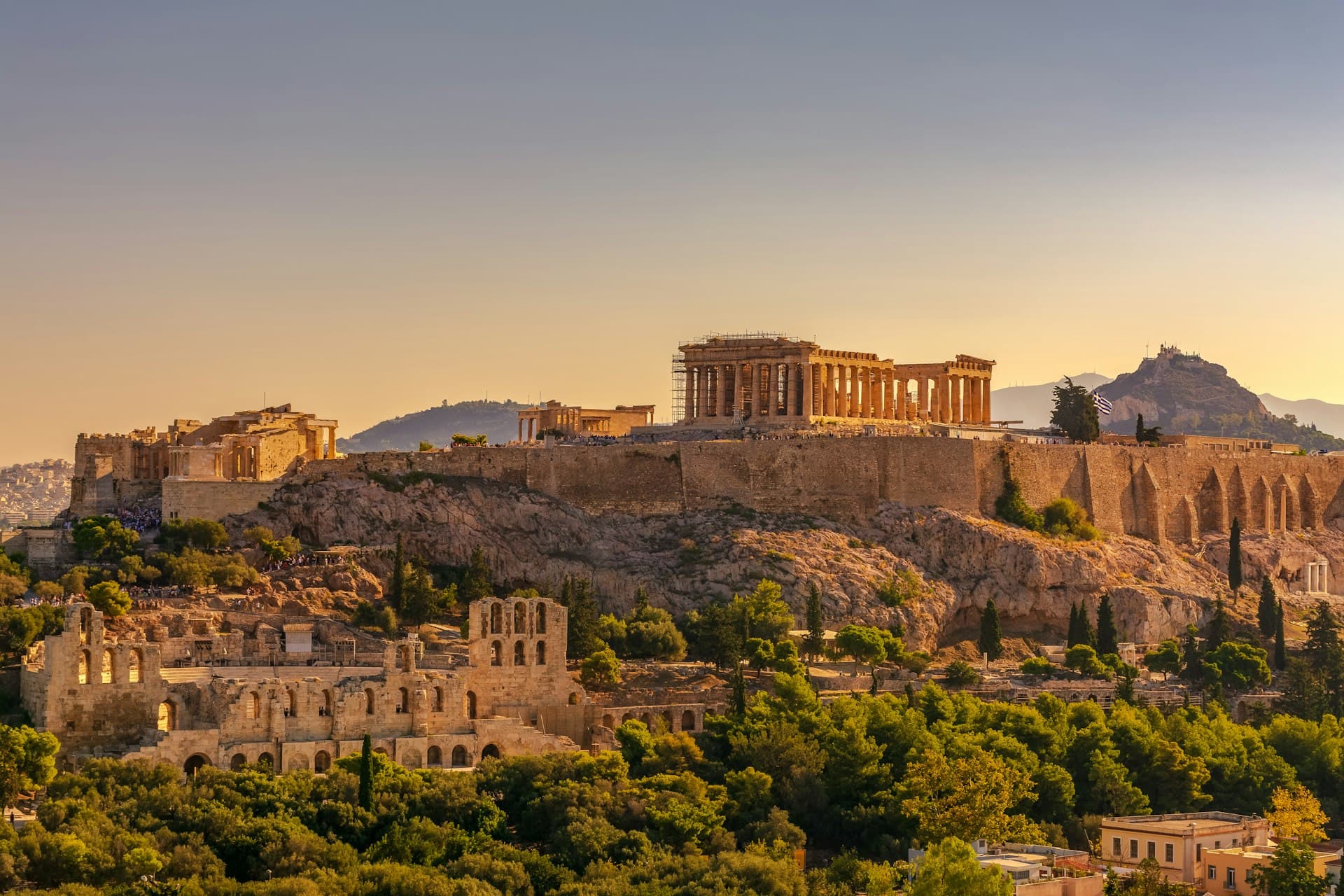 Photo: Constantinos Kollias / Unsplash
Selbstgeführte Audio-Walking-Tour durch Ägina — GPS-Route, Offline-Wiedergabe, erzählerische Narration in 32 Sprachen.
“Das saronische Geheimnis, wo alte Echos auf den süßen Duft von Pistazien treffen.”
Nicht die Postkarten. Die Geschichten, die selbst Einheimische nicht kennen – dir ins Ohr geflüstert, genau dort, wo sie geschahen.
Wenn Sie die zurückkehrenden Fischerboote genau betrachten, könnten Sie etwas Ungewöhnliches an ihrem Fang bemerken.
Dieser antike Tempel hat eine überraschende geometrische Verbindung zu zwei anderen ikonischen griechischen Wahrzeichen.
Die gefeierten Pistazien der Insel, bekannt als 'Ägina-Pistazien', waren hier nicht immer eine Hauptanbaukultur.
Entdecke jedes Geheimnis von Ägina
Jede Adresse, jede Enthüllung vollständig – in deinem Ohr, genau dort, wo es geschah.
Du wählst deine Stationen. Du gehst. Die Stimme enthüllt, was andere übersehen.


Deine selbstgeführte Audio-Tour durch Ägina ist bereit – wähle deine Sehenswürdigkeiten, deine Sprache und starte, sobald du ankommst.
KaufenLume enthält einen integrierten Augmented-Reality-Guide. Halten Sie Ihr Handy hoch: Die Kamera zeigt die Straße vor Ihnen, mit einem leuchtenden Pfeil über dem echten Bild, der immer auf Ihren nächsten Stopp zeigt — keine Karte zum Rätseln, keine falschen Abzweigungen. Wie alles bei Lume funktioniert es komplett offline.
Ägina, eine der Saronischen Inseln, bietet eine fesselnde Mischung aus antiker Geschichte, einladenden Städten und einem sanften Inselrhythmus, alles nur eine kurze Fährfahrt von Athen entfernt. Seine Nähe zur geschäftigen Hauptstadt macht es zu einem beliebten Zufluchtsort für Athener und zu einer reizvollen Entdeckung für internationale Reisende, die ein authentisches griechisches Erlebnis suchen. Die Inselhauptstadt, ebenfalls Ägina genannt, empfängt Besucher mit ihren neoklassizistischen Gebäuden, der belebten Uferpromenade und den engen, gewundenen Gassen.
Jenseits des Haupthafens enthüllt Ägina malerische Dörfer, archäologische Schätze und ruhige Strände. Vom antiken Tempel der Aphaia über die byzantinischen Ruinen von Palaiochora bis hin zum prächtigen Kloster Agios Nektarios bietet die Insel eine Reise durch Jahrtausende Geschichte. Bekannt für seine außergewöhnlichen Pistazien, lockt Ägina auch mit lokalen kulinarischen Köstlichkeiten und einer echten Inselatmosphäre, die sich meilenweit vom Festland entfernt anfühlt.
Die Geschichte Äginas beginnt in der griechischen Mythologie, benannt nach der Nymphe Ägina, Tochter des Flussgottes Asopos. Der Legende nach entführte Zeus, von ihr bezaubert, sie auf die unbewohnte Insel, die damals Oenone hieß, wo sie ihm einen Sohn, Aiakos, gebar, der der erste König der Insel wurde. Archäologische Funde deuten darauf hin, dass die menschliche Besiedlung auf Ägina bis in die Jungsteinzeit, etwa 3000 v. Chr., zurückreicht.
Während der klassischen Antike stieg Ägina zu einer mächtigen Stadt und einer formidablen Seemacht auf und forderte sogar Athen heraus. Seine strategische Lage im Saronischen Golf förderte ausgedehnte Handelsbeziehungen mit den Kykladen, Anatolien und Ägypten. Als Zeugnis seiner wirtschaftlichen Stärke prägte Ägina um 700 v. Chr. als einer der ersten, und möglicherweise der erste, griechischen Stadtstaaten eigene Silbermünzen. Diese unverwechselbaren „Schildkröten“-Münzen mit einer Meeresschildkröte auf der Vorderseite wurden im gesamten antiken Welt als weit verbreitete Währung akzeptiert.
Das goldene Zeitalter der Insel, das sich vom 7. bis zum 5. Jahrhundert v. Chr. erstreckte, erlebte den Aufschwung seiner Seemacht und seines Handels. Ägina spielte eine entscheidende Rolle in der Schlacht von Salamis im Jahr 480 v. Chr. und trug mit seiner mächtigen Flotte zum griechischen Sieg gegen die Perser bei. Seine Rivalität mit Athen führte jedoch schließlich zu seiner Unterwerfung, wobei Athen die einheimische Bevölkerung im Jahr 431 v. Chr. vertrieb.
In byzantinischer Zeit diente Palaiochora, bekannt als „Insel Mystras“, als Hauptstadt der Insel. Diese Stätte zählte einst 565 Kirchen, von denen 28 noch stehen und außergewöhnliche Wandmalereien aufweisen, zusammen mit den Überresten einer mittelalterlichen Burg und zweier Klöster. Ägina nimmt auch einen bedeutenden Platz in der modernen griechischen Geschichte ein und diente von 1827 bis 1829 nach dem Unabhängigkeitskrieg als erste provisorische Hauptstadt des neu gegründeten griechischen Staates. In dieser Zeit beaufsichtigte Gouverneur Ioannis Kapodistrias den Bau prächtiger neoklassizistischer Villen, um sein Hauptquartier unterzubringen.
Beginnen Sie Ihre Erkundung am Tempel der Aphaia, einem bemerkenswert gut erhaltenen dorischen Tempel aus dem Jahr 500 v. Chr. Auf einem Hügel gelegen, bietet er einen weiten Blick über die Insel und das Meer. In der Nähe steht das Kloster Agios Nektarios, eines der größten Klöster des Balkans und ein bedeutendes Pilgerziel, das Anfang des 20. Jahrhunderts erbaut wurde.
Besuchen Sie in Ägina-Stadt das Archäologische Museum von Kolona, das erste Museum, das nach dem Unabhängigkeitskrieg 1829 in Griechenland gegründet wurde. Es beherbergt Artefakte aus den Tempeln von Apollo und Aphaia. Neben dem Museum befinden sich die Überreste des Heiligtums des Apollo Delfinios mit einer einzelnen dorischen Säule eines Tempels aus dem 6. Jahrhundert v. Chr. Schlendern Sie durch das verlassene byzantinische Dorf Palaiochora, eine atmosphärische Stätte mit zahlreichen kleinen Kirchen, die mit Fresken geschmückt sind.
Für eine Abwechslung unternehmen Sie eine Bootsfahrt von Perdika zur unbewohnten Insel Moni, die für ihr klares Wasser und ihre ansässigen Hirsche und Ziegen bekannt ist. Verlassen Sie Ägina nicht, ohne seine berühmten Pistazien zu probieren, die auf der ganzen Insel in verschiedenen Formen erhältlich sind.
Die angenehmsten Zeiten für einen Besuch auf Ägina sind im Frühling (April-Mai) und Herbst (September-Oktober). In diesen Nebensaisons ist das Wetter angenehm, mit Temperaturen zwischen 17°C und 25°C, und die Insel ist weniger überlaufen. Der Frühling bringt blühende Wildblumen und Pistazienbäume hervor, während der Herbst warme Meerestemperaturen zum Schwimmen bietet. Der Sommer (Juni-August) ist die geschäftigste Jahreszeit mit zuverlässigem Sonnenschein und Temperaturen von bis zu 34°C, ideal für Strandaktivitäten, obwohl es voller sein kann. Selbst der Winter (November-März) kann für diejenigen, die eine ruhige Auszeit suchen, mit milden Temperaturen und der Möglichkeit, das lokale Leben zu erleben, reizvoll sein.
Ägina ist von Athen aus leicht mit der Fähre zu erreichen, mit häufigen täglichen Abfahrten vom Hafen Piräus. Die Fahrt dauert in der Regel 40 Minuten bis 1,5 Stunden, abhängig von der Art des Schiffes. Nach der Ankunft dient der Haupthafen in Ägina-Stadt als zentraler Punkt. Die offizielle Währung ist der Euro (€), und obwohl Kreditkarten weit verbreitet sind, ist es ratsam, etwas Bargeld für kleinere Betriebe mitzunehmen. Griechisch ist die Amtssprache, aber Englisch wird in Touristengebieten häufig gesprochen.
Die Navigation auf Ägina ist mit öffentlichen Bussen möglich, die drei Hauptrouten bedienen und die belebtesten Gebiete wie Agia Marina, Perdika und Souvala verbinden. Taxis sind ebenfalls verfügbar, mit einem Hauptstandplatz am Hafen, der Festpreise für beliebte Routen anzeigt. Für mehr Flexibilität sollten Sie die Anmietung eines Autos oder Rollers in Betracht ziehen, obwohl Pferdekutschen eine einzigartige, wenn auch begrenzte Transportmöglichkeit in Ägina-Stadt bieten.
Ägina — Koreanisch, Chinesisch, Hebräisch und 29 weitere Sprachen, jede Station von einer muttersprachlichen Stimme erzählt. Die größte Sprachauswahl aller selbstgeführten Audiotouren.
Verfügbar auf: