Eine Tür an einem Haus in Ærøskøbing
Eine bestimmte Tür in Ærøskøbing hat eine überraschend lange und ungewöhnliche Geschichte mit ihrer Farbe.
Die ganze Geschichte wird in der Tour freigeschaltet
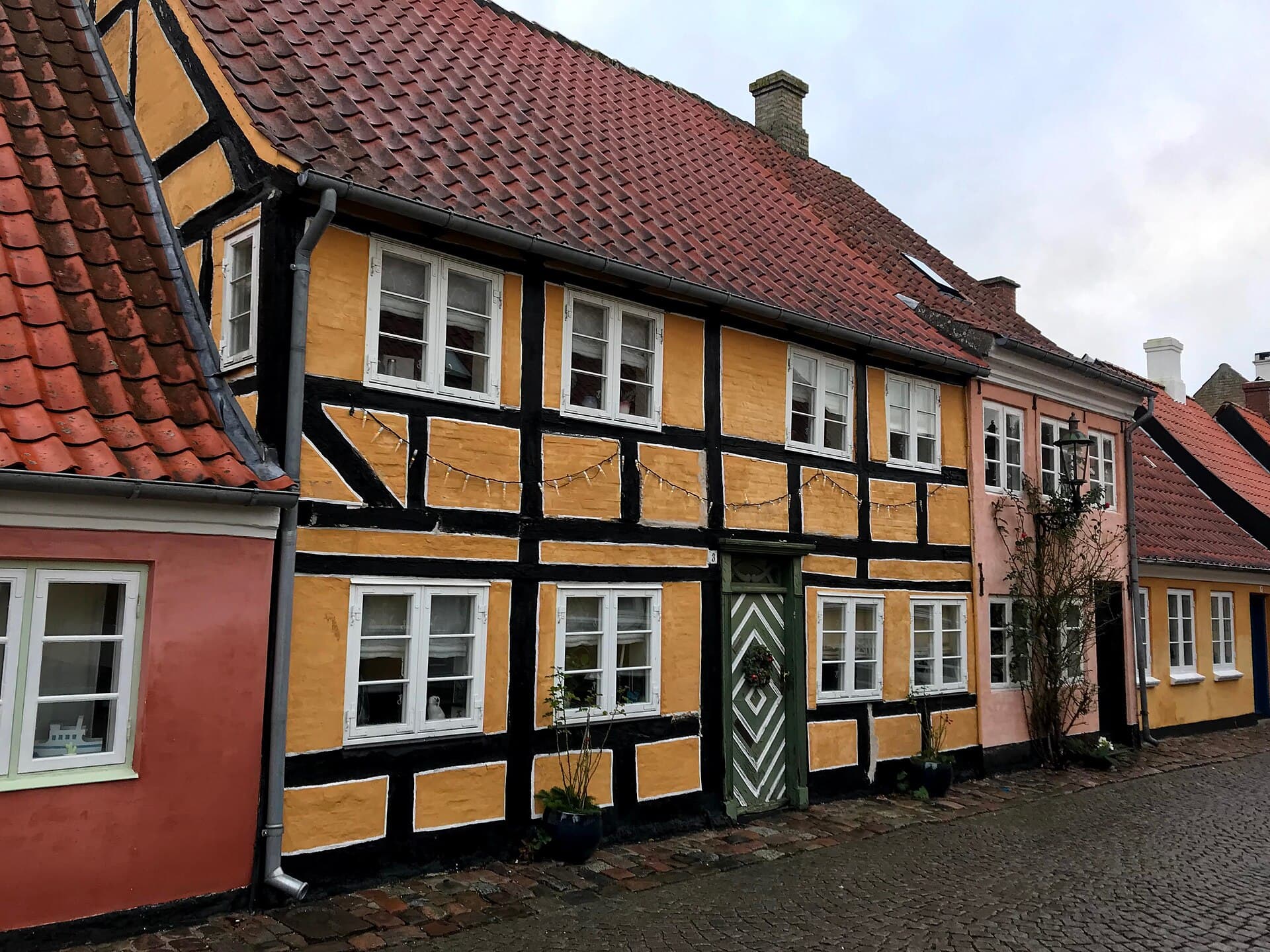 -wuppertaler / CC BY-SA 4.0, via Wikimedia Commons
Selbstgeführte Audio-Walking-Tour durch Ærøskøbing — GPS-Route, Offline-Wiedergabe, erzählerische Narration in 32 Sprachen.
“Eine Märchenstadt, in der die Zeit langsamer wird und die Geschichte durch jedes Holz und jeden Stein atmet.”
Nicht die Postkarten. Die Geschichten, die selbst Einheimische nicht kennen – dir ins Ohr geflüstert, genau dort, wo sie geschahen.
Eine bestimmte Tür in Ærøskøbing hat eine überraschend lange und ungewöhnliche Geschichte mit ihrer Farbe.
Ein bestimmtes Gebäude auf dem Marktplatz trägt einen humorvollen Fehler aus seiner Bauzeit.
Die lebhaften Strandhäuschen am Vesterstrand bergen ein Geheimnis über ihren Besitz.
Entdecke jedes Geheimnis von Ærøskøbing
Jede Adresse, jede Enthüllung vollständig – in deinem Ohr, genau dort, wo es geschah.
Du wählst deine Stationen. Du gehst. Die Stimme enthüllt, was andere übersehen.


Deine selbstgeführte Audio-Tour durch Ærøskøbing ist bereit – wähle deine Sehenswürdigkeiten, deine Sprache und starte, sobald du ankommst.
KaufenLume enthält einen integrierten Augmented-Reality-Guide. Halten Sie Ihr Handy hoch: Die Kamera zeigt die Straße vor Ihnen, mit einem leuchtenden Pfeil über dem echten Bild, der immer auf Ihren nächsten Stopp zeigt — keine Karte zum Rätseln, keine falschen Abzweigungen. Wie alles bei Lume funktioniert es komplett offline.
Ærøskøbing, oft als "Märchenstadt" Dänemarks bezeichnet, ist eine bemerkenswert gut erhaltene Marktstadt aus dem 18. Jahrhundert auf der Insel Ærø. Seine engen, gewundenen Straßen, gepflastert mit abgenutzten Steinen, führen zwischen kleinen, sorgfältig gepflegten Häusern hindurch, von denen viele aus dem 17. Jahrhundert stammen. Diese Häuser sind mit Kletterrosen und einzigartigen architektonischen Details geschmückt, die jeweils ein Zeugnis dauerhafter Handwerkskunst sind. Das Engagement der Stadt für den Erhalt ist offensichtlich, mit strengen Erhaltungsanordnungen für viele Gebäude und einem langfristigen Plan zur Aufrechterhaltung seines historischen Charakters. Diese Hingabe an sein Erbe brachte Ærøskøbing im Jahr 2002 den Europa Nostra-Preis ein, eine EU-Auszeichnung für den Erhalt des Kulturerbes.
Über seine malerische Fassade hinaus ist Ærøskøbing eine aktive Gemeinschaft, die sich an moderne Bedürfnisse angepasst und gleichzeitig ihre Vergangenheit geehrt hat. Die Stadt dient als Haupthafen für Fährverbindungen nach Ærø und ist somit ein natürlicher Ausgangspunkt für die Erkundung der Insel. Besucher können eine Mischung aus historischem Charme und aktivem Inselleben erleben, von seinem lebhaften Hafen bis zu seiner ruhigen Umgebung. Die Insel Ærø selbst ist bekannt für ihre natürliche Pracht, darunter sanfte Hügel, weite Küstenlinien und ein Engagement für erneuerbare Energien, was sie zu einem umweltbewussten Reiseziel macht.
Die Ursprünge von Ærøskøbing reichen bis ins frühe Mittelalter zurück, mit Siedlungsspuren auf Ærø, die zehntausend Jahre zurückreichen. Um 1250 hatte sich Ærøskøbing als Handels- und Seefahrtszentrum der Insel etabliert. Die Stadt erhielt ihre ersten bekannten Marktrechte im Jahr 1522, was ihre Rolle als einziges Handelszentrum auf Ærø festigte.
Ein großer Brand im Jahr 1629 zerstörte viele der Strukturen der Stadt, aber Ærøskøbing wurde widerstandsfähig wieder aufgebaut und erlebte anschließend eine Blütezeit. Viele der alten Häuser wurden umgebaut und neue, größere Gebäude errichtet, die architektonische Stile aufwiesen, die von Fünen, Norddeutschland und dem Herzogtum Schleswig beeinflusst waren, zu dem Ærø bis zu seiner offiziellen Übertragung an Dänemark im Jahr 1867 gehörte. Ein Großteil der heute sichtbaren Architektur stammt aus dieser Zeit der Erholung und des Wirtschaftswachstums, insbesondere während des 18. und 19. Jahrhunderts, als Schiffe aus Ærøskøbing Waren in der gesamten Ostseeregion, Norwegen und England handelten.
Über Jahrhunderte hinweg hat Ærøskøbing eine kontinuierliche Bautradition aufrechterhalten, wobei einige seiner ältesten Häuser noch aus dem Jahr 1645 stammen. Die Entwicklung der Stadt wurde als rational und allmählich charakterisiert, geprägt von natürlichen Bedingungen und einem Fokus auf nachhaltiges Leben. Im Jahr 2002 erhielt die Stadt den renommierten Europa Nostra Award, der ihre außergewöhnlichen Bemühungen um die Erhaltung ihres europäischen Kulturerbes würdigt. Diese Auszeichnung erkennt Ærøskøbing als ein bedeutendes Modell für heutiges Wohnen und Stadtplanung an und verkörpert die gesammelte Erfahrung von Generationen in Wohnungsbau und Stadtgestaltung. Heute ist Ærøskøbing ein lebendiges Zeugnis seiner Vergangenheit, eine sorgfältig erhaltene städtische Landschaft, die weiterhin floriert.
Beginnen Sie Ihre Erkundung auf Torvet, dem zentralen Marktplatz, der mit historischen Gebäuden, Cafés und Geschäften ein lebendiger Treffpunkt bleibt. Hier finden Sie die Ærøskøbing Kirche, die dritte Kirche an diesem Standort, und die beiden alten Stadtpumpen, die bis 1952 Wasser lieferten. In der Nähe bietet das Alte Kaufmannshaus (Den Gamle Købmandsgaard) eine Kombination aus Geschäft und Restaurant, das dänische Spezialitäten serviert.
Schlendern Sie die Brogade Straße und ihre Seitenstraßen entlang, um die bunten, antiken Häuser zu bewundern, von denen einige aus dem 17. Jahrhundert stammen und viele einzigartige, fein geschnitzte Türen haben. Die Flaschenschiffsammlung (Flaskeskibssamlingen) in der Smedegade 22 ist ein nautisches Museum, das die kunstvollen Schiffe von Peter Jacobsen in Flaschen ausstellt. Für einen tieferen Einblick in die lokale Geschichte besuchen Sie das Ærø Museum in der Brogade 35, untergebracht in einem schönen alten Amtmannshaus von 1775.
Nur einen kurzen Spaziergang vom Stadtzentrum entfernt liegt der Vesterstrand Strand, berühmt für seine Reihe bunter Strandhäuschen, ein meistfotografierter Ort auf der Insel. Sie können auch den Molestien Lane entlanggehen, einen Schotterweg mit Blick auf Häuser, Gärten und das Meer. Im Sommer können Sie sich dem Nachtwächter auf seinen abendlichen Rundgängen anschließen, um Einblicke in die Vergangenheit der Stadt zu erhalten.
Die ideale Zeit für einen Besuch in Ærøskøbing für Aktivitäten bei warmem Wetter ist von Ende Juni bis Ende August, wenn die durchschnittliche Tageshöchsttemperatur über 18 °C liegt und im Juli mit 20 °C ihren Höhepunkt erreicht. In dieser Zeit verkehren die Fähren regelmäßig, die meisten Cafés und Pensionen sind geöffnet und die Insel fühlt sich lebendig, aber nicht überfüllt an. Mai bis Anfang Juli und September sind ebenfalls ausgezeichnet, bieten angenehmes Wetter zum Spazierengehen und Radfahren bei weniger Andrang. Für ein ruhigeres, gemütliches Erlebnis sollten Sie einen Besuch im Dezember in Erwägung ziehen, um authentische dänische Weihnachtsmärkte zu genießen.
Die offizielle Währung in Ærøskøbing und in ganz Dänemark ist die Dänische Krone (DKK), symbolisiert durch "kr.". Obwohl Dänemark Teil der EU ist, hat es sich gegen den Euro entschieden. Die meisten gängigen internationalen Kreditkarten werden in Geschäften, Restaurants und Hotels weitgehend akzeptiert. Wenn Sie einen Geldautomaten benutzen, wählen Sie die Abrechnung in Dänischen Kronen, um einen faireren Wechselkurs zu gewährleisten.
Die Anreise nach Ærøskøbing erfolgt hauptsächlich mit der Fähre. Fähren verbinden die Insel mit Svendborg, Faaborg, Als und Langeland. Die Fahrt von Kopenhagen beinhaltet typischerweise eine Zugfahrt nach Svendborg, gefolgt von einer Fähre nach Ærøskøbing, was etwa 3 Stunden und 45 Minuten dauert. Auf der Insel verkehrt ein kostenloser Busdienst das ganze Jahr über, der einen einfachen Zugang zu Sehenswürdigkeiten ermöglicht. Die Anmietung eines Fahrrads ist ebenfalls eine beliebte Möglichkeit, die malerischen Routen der Insel zu erkunden. Dänisch und Englisch werden weitgehend gesprochen.
Ærøskøbing — Koreanisch, Chinesisch, Hebräisch und 29 weitere Sprachen, jede Station von einer muttersprachlichen Stimme erzählt. Die größte Sprachauswahl aller selbstgeführten Audiotouren.
Verfügbar auf: