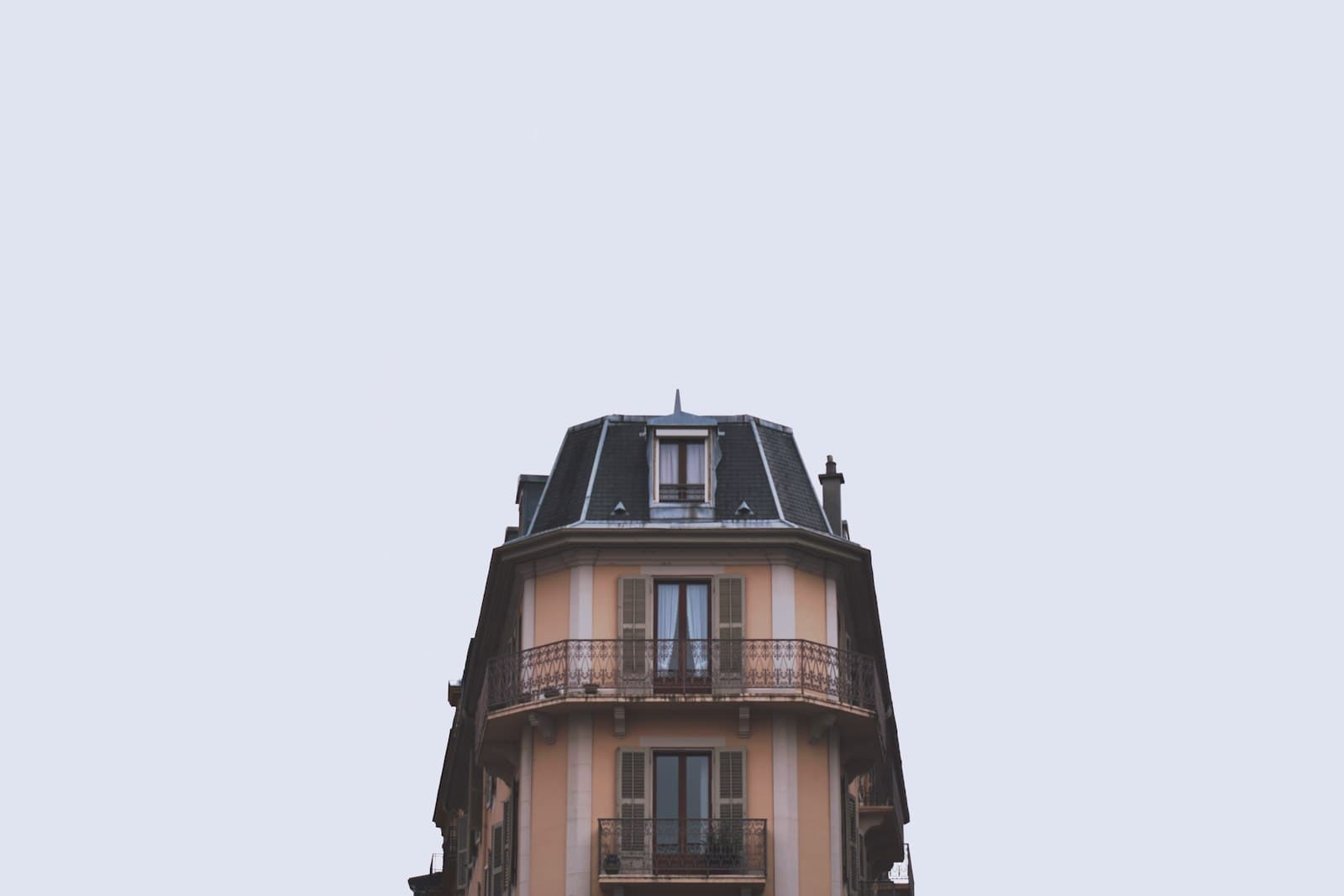
Villa Victoria
La Reine Victoria, une visiteuse assidue d'Aix-les-Bains, avait un attachement particulier pour un résident local, à tel point qu'elle le ramena à Buckingham Palace.
L'histoire complète se débloque dans le tour
 Mathis Brancquart / CC BY-SA 4.0, via Wikimedia Commons
Visite audio autoguidée de Aix-les-Bains — parcours GPS à pied, lecture hors ligne, narration en 32 langues.
“Là où la sérénité alpine rencontre la grandeur Belle Époque, baignée par les eaux thermales.”
Pas les cartes postales. Les histoires que même les habitants ignorent — soufflées à l'oreille, là où elles se sont passées.
La Reine Victoria, une visiteuse assidue d'Aix-les-Bains, avait un attachement particulier pour un résident local, à tel point qu'elle le ramena à Buckingham Palace.
Cet opulent casino, symbole de la Belle Époque d'Aix-les-Bains, servait autrefois un double objectif, attirant deux types de visiteurs très différents.
Le plus grand lac naturel de France recèle un secret littéraire poignant, né d'une romance tragique qui s'est déroulée sur ses rives.
Découvrez tous les secrets de Aix-les-Bains
Chaque adresse, chaque révélation en entier — dans ton oreille, là où elle s'est passée.
Tu choisis tes lieux. Tu marches. La voix te révèle ce que les autres ignorent.
Votre visite audioguidée de Aix-les-Bains vous attend — choisissez vos lieux, votre langue, et lancez-vous dès votre arrivée.
AcheterLume intègre un guide en réalité augmentée. Levez votre téléphone : sa caméra montre la rue devant vous, avec une flèche lumineuse posée sur l'image réelle qui pointe toujours vers votre prochain arrêt — aucune carte à déchiffrer, aucun mauvais virage. Comme tout dans Lume, ça fonctionne entièrement hors-ligne.
Aix-les-Bains, souvent surnommée la « Riviera des Alpes », est une ville du sud-est de la France, nichée entre l'imposant Mont Revard et le paisible Lac du Bourget, le plus grand lac naturel de France. Cette situation singulière dans le département de la Savoie offre un mélange captivant de splendeur naturelle, de profondeur historique et d'une longue tradition de bien-être. L'identité de la ville est inextricablement liée à ses sources thermales, qui attirent les visiteurs depuis plus de deux millénaires, évoluant des bains romains à une ville thermale mondaine de la Belle Époque, et aujourd'hui un centre moderne de relaxation et d'activités de plein air.
Au-delà de ses eaux thermales, Aix-les-Bains captive par son architecture élégante, sa scène culturelle animée et l'accès à une gamme variée d'activités. Des promenades tranquilles le long de la promenade du lac à l'exploration des ruines romaines et des grands palais de la Belle Époque, la ville offre une expérience multiple. Sa proximité avec les Alpes en fait également une porte d'entrée pour les aventures en montagne, de la randonnée au cyclisme en passant par les sports d'hiver. Aix-les-Bains est une destination qui invite les visiteurs à se détendre, à explorer et à s'immerger dans un cadre où histoire et nature s'entremêlent harmonieusement.
L'altitude de la ville varie, avec ses parties basses près du lac à environ 224 mètres et l'altitude moyenne autour de 320 mètres. Cette diversité topographique contribue à son charme pittoresque, offrant des vues imprenables sur le lac et les montagnes environnantes.
L'histoire d'Aix-les-Bains est profondément enracinée dans ses sources thermales, qui ont d'abord attiré les colons celtes, puis les Romains. Les Romains, qui connaissaient les sources sous le nom d'Aquae Gratianae, ont établi une colonie et construit d'impressionnants thermes dès le 1er siècle av. J.-C. Ces premières structures ont jeté les bases de la réputation durable d'Aix en tant que ville thermale. Des vestiges archéologiques, tels que le Temple de Diane et l'Arc de Campanus, témoignent de ce passé antique, offrant un aperçu de la vie romaine à Aquae.
Après l'ère romaine, l'utilisation des eaux thermales a décliné, pour être redécouverte au XVIIe siècle. Le médecin Jean Baptiste Cabias a largement documenté la valeur des sources, affirmant même que le roi Henri IV de France utilisait les bains. Le premier spa thermal moderne a été construit en 1783 sous Victor Amédée III, roi de Sardaigne, contribuant significativement à la croissance de la ville. Au début du XIXe siècle, Aix-les-Bains a commencé à gagner en notoriété, attirant des membres de la famille Bonaparte. Cependant, c'est la Belle Époque (1890-1914) qui a véritablement cimenté le statut d'Aix-les-Bains en tant que destination de premier ordre.
Pendant la Belle Époque, Aix-les-Bains est devenue une station balnéaire à la mode pour la royauté européenne et les riches. La Reine Victoria, qui a visité plusieurs fois entre 1880 et 1890, a joué un rôle essentiel dans l'élévation de la renommée internationale de la ville. Voyageant incognito en tant que « Comtesse de Balmoral », ses visites, souvent sur les conseils de sa fille la Princesse Béatrice pour les rhumatismes, ont consolidé la réputation d'Aix-les-Bains comme « station des reines et reine des stations ». Cette période a vu la construction de nombreux grands hôtels et palais, dont beaucoup ont depuis été convertis en copropriétés, façonnant le paysage architectural élégant de la ville. La ville a également développé des installations sportives haut de gamme, y compris des clubs de golf et de tennis, pour répondre aux besoins de ses riches visiteurs britanniques.
Alors que le tourisme thermal traditionnel a connu un déclin au XXIe siècle, Aix-les-Bains s'est adaptée en promouvant les traitements de relaxation et en se concentrant sur ses attractions naturelles. Aujourd'hui, elle reste une ville thermale importante, avec des installations comme les Thermes Chevalley offrant des traitements pour diverses affections et des expériences de bien-être. La ville continue d'attirer jusqu'à 200 000 visiteurs par an, attirés par sa combinaison de bains thermaux, du Lac du Bourget et de l'accès à l'environnement alpin.
Commencez votre exploration d'Aix-les-Bains par une promenade le long des rives du Lac du Bourget, le plus grand lac naturel de France. La promenade au bord du lac offre des vues panoramiques et des opportunités pour diverses activités nautiques, y compris la natation, la voile, le kayak et les croisières en bateau, avec plusieurs plages comme la Plage de Mémard et la Plage du Rowing disponibles pour la détente. Une excursion en bateau sur le lac jusqu'à la majestueuse Abbaye de Hautecombe, lieu de sépulture historique de la Maison de Savoie, est une excursion enrichissante.
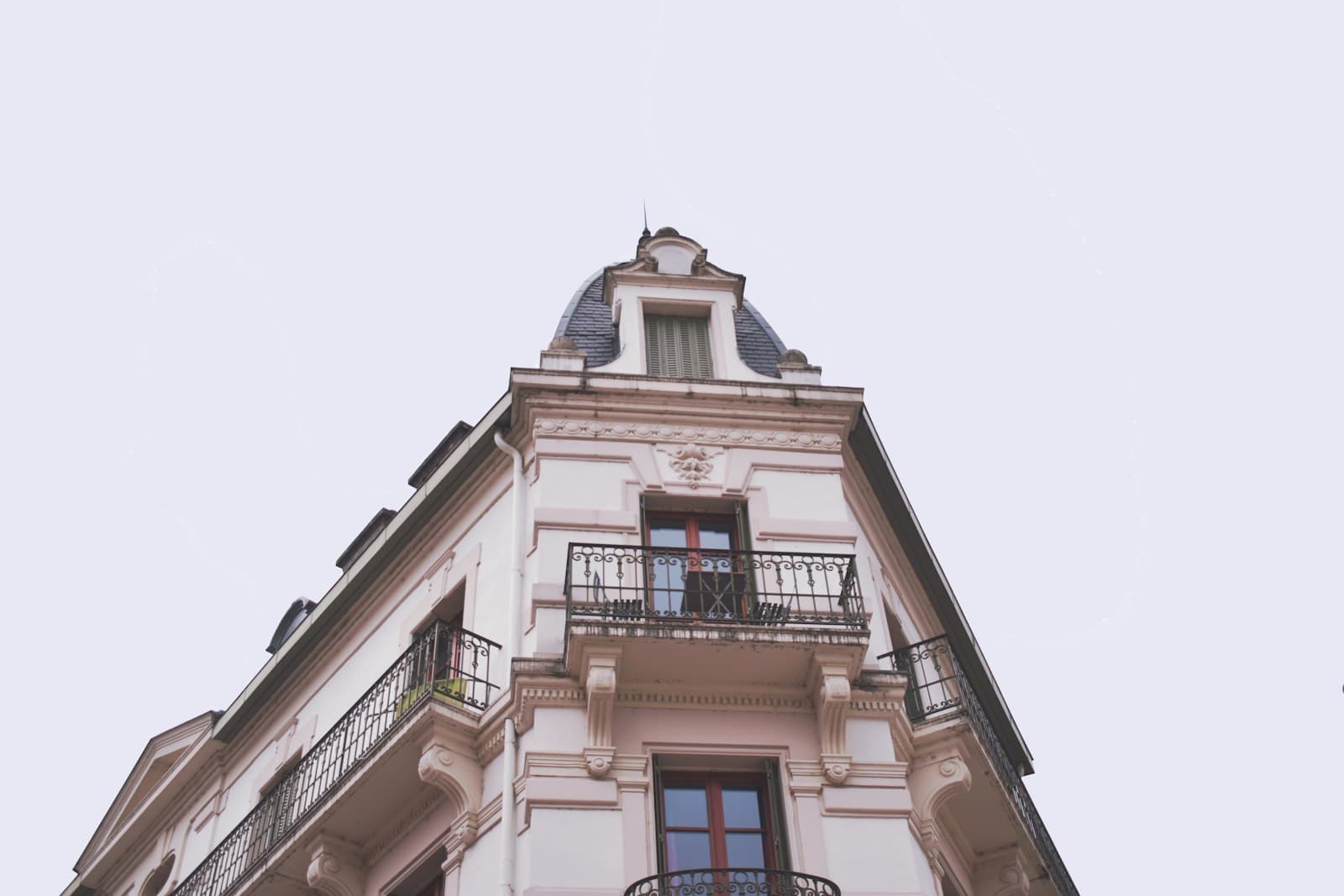
Au cœur de la ville, plongez dans l'architecture Belle Époque en vous promenant le long de la Rue de Genève et de la Rue de Chambéry, admirant les façades pastel et les balcons en fer forgé. Le Casino Grand Cercle, inauguré en 1850, est un monument emblématique, connu pour ses intérieurs somptueux, y compris des plafonds dorés et des lustres en cristal, et propose des jeux et des événements culturels. À proximité, découvrez les anciennes ruines romaines, y compris le Temple de Diane, qui abrite un musée archéologique, et l'Arc de Campanus, dont le but original reste un sujet de débat historique.
Pour le bien-être, visitez les Thermes Chevalley, un complexe moderne offrant des piscines thermales, des saunas et une gamme de traitements avec des vues panoramiques sur le Lac du Bourget. Les amateurs d'art devraient explorer le Musée Faure, logé dans une villa Belle Époque, qui abrite une importante collection de peintures impressionnistes et de sculptures de Rodin. Pour des vues imprenables sur le lac et les Alpes environnantes, montez au Mont Revard, accessible par la route ou en téléphérique.
Aix-les-Bains bénéficie d'un climat relativement doux, ce qui en fait une destination attrayante toute l'année. Pour les activités par temps chaud et profiter du lac, la meilleure période pour visiter est de mi-juin à mi-septembre, lorsque les températures sont agréables. Juillet est généralement le mois le plus chaud, avec une moyenne maximale de 26°C. Les ciels plus clairs sont également les plus courants en juillet.
Le printemps (avril-juin) et l'automne (septembre-octobre) offrent des conditions idéales pour les visites de spa, les promenades dans les jardins et l'exploration avec des foules plus calmes et des températures confortables. Septembre, par exemple, ne compte en moyenne que neuf jours de pluie. L'hiver (novembre-mars) est propice aux séjours axés sur le spa, avec l'avantage supplémentaire d'accéder aux stations de ski de montagne à proximité.
Aix-les-Bains est bien desservie et accessible. Elle est située à environ 107 kilomètres à l'est de Lyon. La ville est située sur un axe de transport majeur entre Chambéry et Annecy, l'autoroute A41 offrant un accès direct à Annecy et Genève. La gare d'Aix-les-Bains, officiellement appelée Aix-les-Bains – Le Revard depuis 1954, relie la ville à Chambéry, Annecy et Culoz.
Dans la ville, des options de transport public sont disponibles, et de nombreuses attractions du centre-ville sont accessibles à pied. Des parkings couverts sont disponibles près de la Mairie (Place Maurice Mollard), Rue Davat et Rue du Casino. Pour explorer le lac et les environs, des croisières en bateau sont disponibles, et le cyclisme est un moyen populaire de découvrir la région, avec de nombreuses pistes cyclables.
La monnaie locale est l'Euro (EUR). Le français est la langue officielle.
Aix-les-Bains en coréen, en chinois ou en hébreu — et dans 29 autres langues, chaque étape narrée par une voix native. La plus large gamme de langues de tous les audioguides autoguidés.
Disponible en :