Maison Bonaparte
Наполеон Бонапарт, фигура, чье имя эхом отдается в истории, совершил драматический побег из своего родового дома в Аяччо.
Полная история открывается в туре
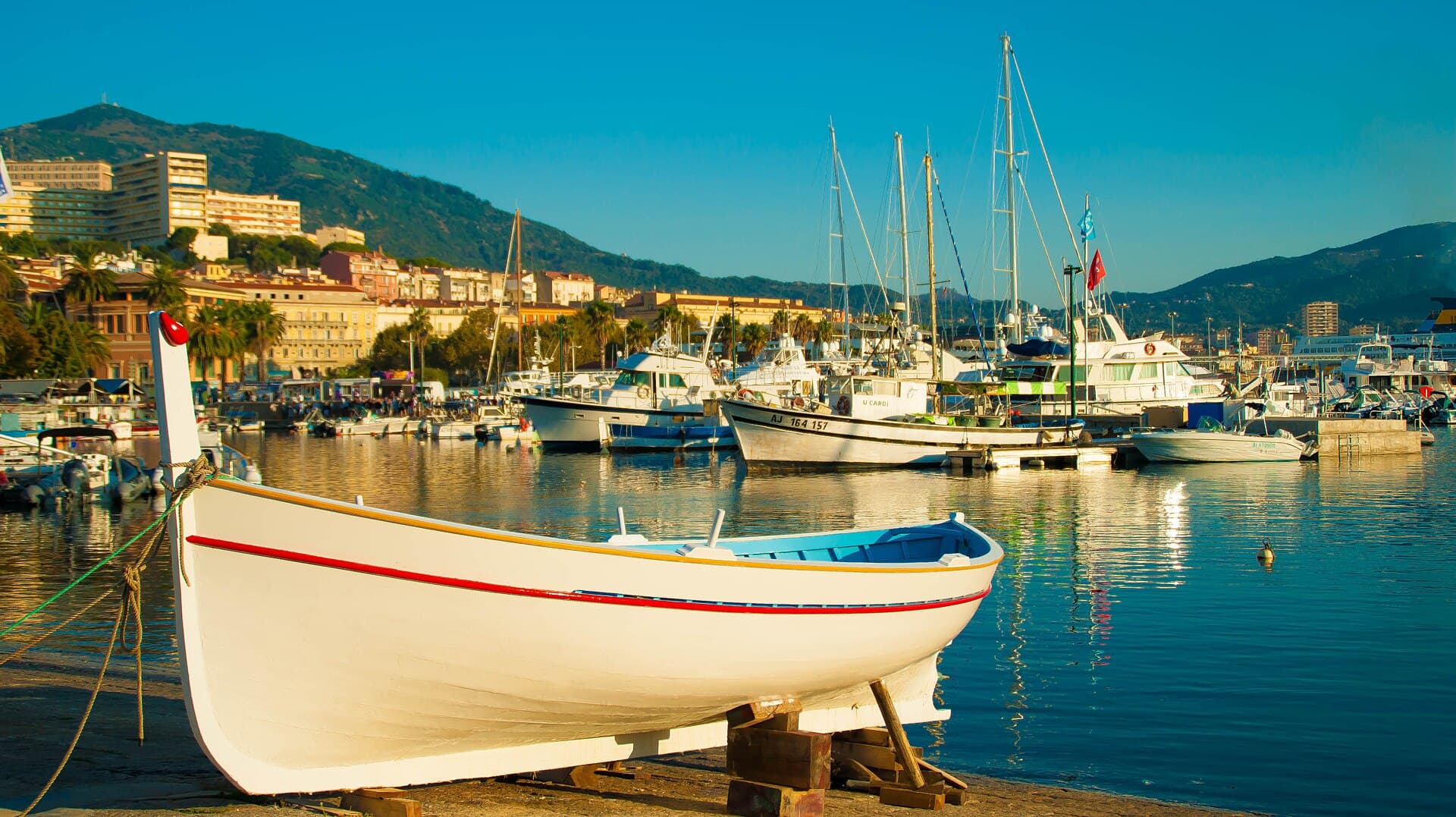 JeanbaptisteM from France / CC BY 2.0, via Wikimedia Commons
Самостоятельная аудиопрогулка по Аяччо — GPS-маршрут, офлайн-воспроизведение, увлекательное повествование на 32 языках.
“Где имперская история встречается с островным очарованием.”
Не открытки. Истории, которые не знают даже местные жители — шепотом в вашем ухе, прямо там, где они произошли.
Наполеон Бонапарт, фигура, чье имя эхом отдается в истории, совершил драматический побег из своего родового дома в Аяччо.
Собор, где был крещен Наполеон, хранит трогательное, неосуществленное желание самого Императора.
Художественный музей Аяччо хранит коллекцию итальянских картин, настолько значительную, что она соперничает с одним из самых известных музеев мира.
Откройте для себя каждый секрет Аяччо
Каждый адрес, каждое полное раскрытие — в вашем ухе, прямо там, где это произошло.
Вы выбираете остановки. Вы гуляете. Голос раскрывает то, что упускают другие.


В Lume встроен гид дополненной реальности. Поднимите телефон: камера показывает улицу перед вами, а поверх реального изображения светится стрелка, всегда указывающая на вашу следующую остановку — не нужно разбираться с картой и сворачивать не туда. Как и всё в Lume, это работает полностью офлайн.
Аяччо, столица Корсики, предлагает пленительное сочетание французской элегантности и средиземноморского очарования. Город раскинулся вдоль западного побережья острова, охватывая широкий изгиб залива Аяччо, с суровыми горами, поднимающимися на юге. Его элегантный старый центр, характеризующийся пальмовой набережной и патрицианскими домами с бутылочно-зелеными ставнями, приглашает к неспешному исследованию.
Известный как место рождения Наполеона Бонапарта, Аяччо глубоко связан с его наследием, что проявляется в его статуях, названиях улиц и музеях. Помимо имперских связей, город предлагает расслабленную атмосферу, прекрасные пляжи и легкий доступ к диким природным ландшафтам Корсики, от охраняемых островов до драматических ущелий.
История современного Аяччо началась в 1492 году, когда генуэзцы, могущественная морская республика из Италии, основали город. Они построили укрепленную цитадель, которая стоит и по сей день, контролируя внутренний вход в залив. На протяжении веков Аяччо оставался под генуэзским контролем, период, отмеченный постоянными восстаниями корсиканских повстанцев.
В 1553 году уроженец острова, патриот Сампиеро Корсо, при поддержке французов, ненадолго захватил и расширил цитадель, хотя через шесть лет Аяччо был возвращен генуэзцам. Только в 1764 году, измученные непрекращающимися беспорядками, генуэзцы продали Корсику Франции. Аяччо стал столицей французского острова.
Всего через пять лет, 15 августа 1769 года, в Аяччо родился Наполеон Бонапарт. Его влияние на город огромно; в 1811 году он сделал Аяччо единственной столицей Корсики, обеспечив его административное и экономическое процветание. Город ежегодно отмечает его рождение 15 августа парадами и историческими реконструкциями.
Позже, в 19 веке, Аяччо превратился в модный курорт, особенно для британцев, которые видели в нем шикарную альтернативу Французской Ривьере. Многие из величественных зданий со ставнями в старом городе относятся к этой эпохе. Во время Второй мировой войны Аяччо имеет честь быть первым французским городом, освобожденным от нацистов, 9 сентября 1943 года, почти за год до Парижа. Корсиканцы сохраняют сильное чувство самобытности, часто идентифицируя себя как корсиканцы прежде, чем французы, и имеют свой собственный язык, на который повлияли французский, тосканский и генуэзский.
Начните свое исследование в Старом городе, лабиринте узких мощеных улиц, обрамленных пастельными зданиями и оживленными кафе. В его сердце находится Площадь Фош, центральная площадь со статуей Наполеона. Неподалеку, ежедневный рынок на Площади Сезара-Кампинки является оживленным центром, предлагающим корсиканские сыры, мясные деликатесы и местные продукты.
Посещение Дома Бонапарта, родового дома Наполеона, дает интимное представление о его ранней жизни через старинную мебель и семейные артефакты. Всего в нескольких шагах находится Собор Нотр-Дам-де-л'Ассомпсьон, церковь в стиле барокко кораллового цвета, где Наполеон был крещен в 1771 году. Внутри вы найдете богато украшенные часовни и картину Делакруа.
Дворец Феш – Музей изящных искусств, основанный дядей Наполеона кардиналом Жозефом Фешем, хранит важную коллекцию итальянских картин, уступающую только Лувру. Музей также располагает наполеоновской коллекцией и корсиканским искусством. Рядом с музеем находится Императорская часовня, мавзолей семьи Бонапартов.
Для захватывающих видов отправляйтесь на Площадь Аустерлица (Площадь Казон), где находится внушительная статуя Наполеона и легендарная Пещера Наполеона, место детских игр. Чтобы прикоснуться к природной красоте Корсики, совершите морскую прогулку к охраняемым островам Сангинер, разбросанным у полуострова Пуэнт-де-ла-Парата, откуда открываются незабываемые закаты.
Аяччо имеет средиземноморский климат с жарким, сухим летом и мягкой, влажной зимой. Пик сезона приходится на июль и август, со средними температурами около 24°C (75°F) и максимумами до 27°C (81°F), и очень небольшим количеством осадков. Для более мягких условий и меньшего количества туристов рассмотрите возможность посещения весной (с апреля по июнь) или ранней осенью (с сентября по октябрь). В эти переходные сезоны средние температуры колеблются от 16°C до 21°C (61°F до 70°F), весной цветут пейзажи, а осенью морская вода достаточно теплая для купания.
Аяччо — город, который располагает к пешим прогулкам, особенно его старый центр, поэтому для исследования пешком рекомендуются удобные обувь. Для поездок дальше к пляжам или природным достопримечательностям аренда автомобиля или скутера предлагает больше гибкости. Местная автобусная сеть Muvistrava также может доставить вас до более отдаленных мест, таких как пляжи вдоль Route des Sanguinaires. Паромы соединяют Аяччо с материковой Францией, а аэропорт Аяччо Наполеон Бонапарт обслуживает различные французские и европейские города. Парковка на улицах может быть затруднительной, поэтому рассмотрите возможность использования парковочных мест, таких как Parking du Diamant в центре города. Путешественники обычно проводят в Аяччо от 2 до 4 дней, чтобы осмотреть город и совершить однодневные поездки.
Аяччо: корейский, китайский, иврит и ещё 29 языков — каждую остановку озвучивает носитель языка. Самый широкий выбор языков среди аудиоэкскурсий без гида.
Доступные языки: