Caverna 10, Cavernas de Ajanta
A primeira caverna a ser redescoberta em 1819 guarda um segredo além de sua descoberta inicial.
História completa desbloqueada no tour
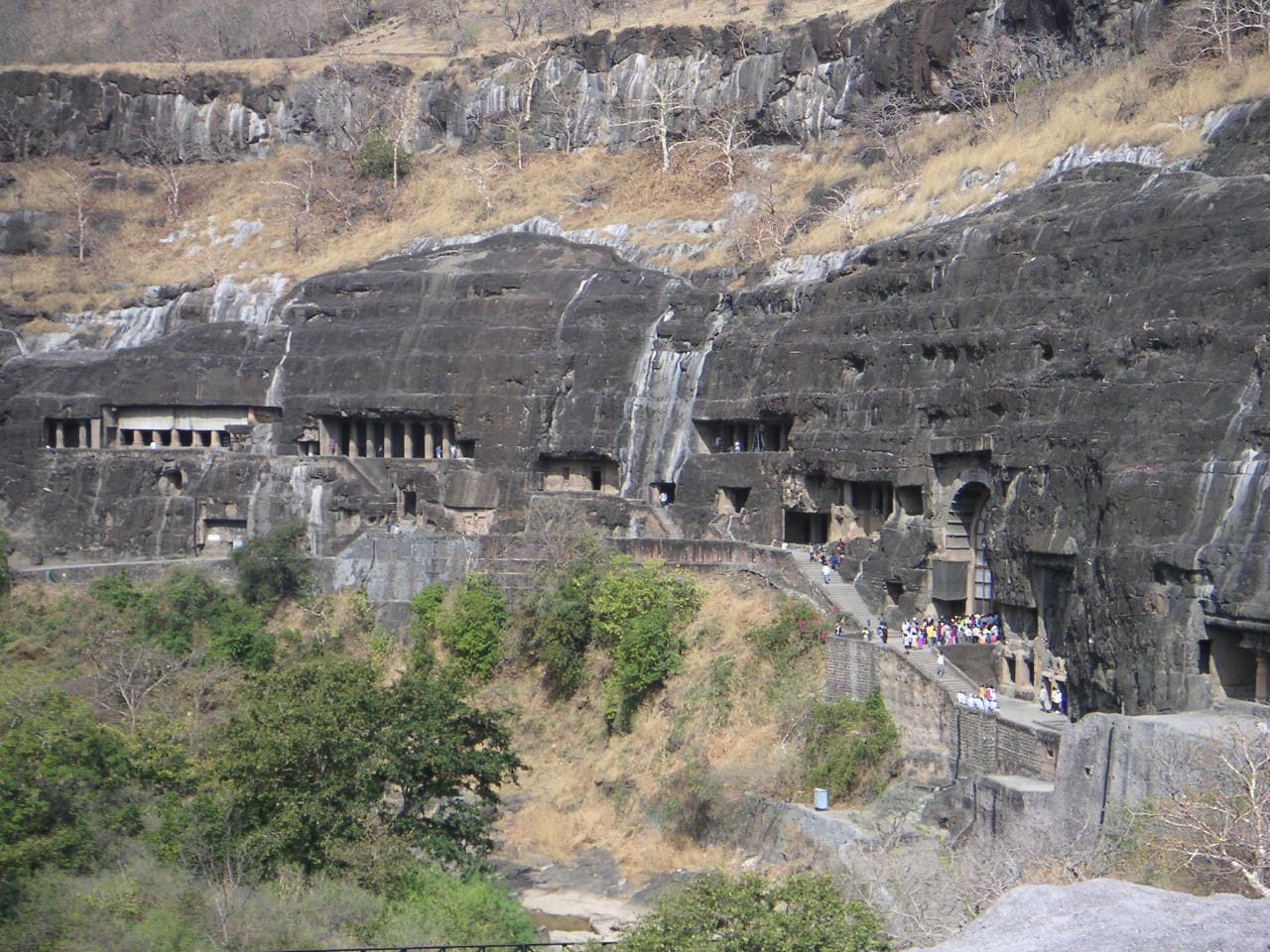 No machine-readable author provided. Soman assumed (based on copyright claims). / CC BY 2.5, via Wikimedia Commons
Tour de áudio autoguiado por Ajanta — rota GPS a pé, reprodução offline, narração envolvente em 32 idiomas.
“Onde sussurros antigos ecoam através da pedra pintada.”
Não os postais. As histórias que nem os locais conhecem — sussurradas ao seu ouvido, exatamente onde aconteceram.
A primeira caverna a ser redescoberta em 1819 guarda um segredo além de sua descoberta inicial.
Os monges que esculpiram essas elaboradas cavernas tinham uma razão surpreendente para escolher este desfiladeiro remoto em forma de ferradura.
Além de sua arte visual, um salão de oração em particular foi projetado com um recurso auditivo inesperado.
Descubra cada segredo de Ajanta
Cada endereço, cada revelação na íntegra — no seu ouvido, exatamente onde aconteceu.
Você escolhe as suas paragens. Você caminha. A voz revela o que os outros perdem.


O seu tour áudio autoguiado de Ajanta está pronto — escolha os seus pontos de interesse, selecione o seu idioma e comece no momento em que chegar.
ComprarA Lume inclui um guia de realidade aumentada. Levante o telemóvel: a câmara mostra a rua à sua frente, com uma seta luminosa sobreposta à imagem real que aponta sempre para a sua próxima paragem — sem mapa para decifrar, sem voltas erradas. Como tudo na Lume, funciona totalmente offline.
As Cavernas de Ajanta são uma série de 30 monumentos em caverna escavados na rocha no distrito de Aurangabad, Maharashtra, Índia. Datadas do século II a.C. a cerca de 480 d.C., estas cavernas são celebradas por suas requintadas pinturas e esculturas, consideradas entre os melhores exemplos sobreviventes da arte antiga indiana. Escavado em um dramático desfiladeiro em forma de ferradura ao longo do rio Waghora, o local oferece um vislumbre profundo do patrimônio cultural e artístico da Índia.
Designadas Patrimônio Mundial da UNESCO em 1983, as Cavernas de Ajanta serviram como mosteiros antigos (viharas) e salões de adoração (chaityas) para diferentes tradições budistas. A arte narra predominantemente os contos Jataka, que são lendas budistas que retratam as vidas passadas e renascimentos do Buda, bem como cenas de sua vida e esculturas escavadas na rocha de divindades budistas. Os luminosos murais, criados com pigmentos naturais, oferecem valiosas percepções sobre as crenças, costumes e a vida cotidiana das sociedades antigas.
A história das Cavernas de Ajanta se desenrola em duas fases distintas de construção, abrangendo vários séculos. A fase inicial começou por volta do século II a.C., durante o reinado da dinastia Satavahana. Estas primeiras cavernas apresentam principalmente arte anicônica, com representações antropomórficas mínimas do Buda, e incluem modestos salões de oração e mosteiros.
Após um período de dormência, uma segunda e mais extensa fase de construção ocorreu de aproximadamente 400 a 650 d.C., ou mais especificamente, em um breve período de 460–480 d.C., segundo alguns estudiosos. Esta fase posterior, frequentemente ligada ao reinado da Dinastia Vakataka sob o Rei Harisena, viu a criação da maioria das cavernas e uma mudança em direção a motivos do Budismo Mahayana. Este período é caracterizado por elaborados embelezamentos arquitetônicos e representações figurativas do Buda e dos bodhisattvas.
As cavernas serviram como retiros monásticos para monges budistas, centros de adoração religiosa, meditação e expressão artística. O patrocínio para sua construção veio de várias dinastias reinantes, incluindo os Satavahanas, Vakatakas e o Império Gupta, bem como de ricos mercadores. Os artistas esculpiram meticulosamente essas estruturas da rocha basáltica das Colinas Sahyadry, criando intrincados pilares, arcos e estupas. As pinturas, celebradas por suas cores luminosas e figuras expressivas, foram criadas espalhando uma argamassa de argila, esterco de vaca, cascas de arroz e cal nas paredes, e depois aplicando pigmentos locais.
Apesar do planejamento e trabalho meticulosos, algumas cavernas foram deixadas inacabadas, possivelmente devido ao fim abrupto do império Vakataka após o falecimento de Harisena. As cavernas foram eventualmente abandonadas por volta do século VI ao VIII d.C. e, por mais de mil anos, permaneceram ocultas por florestas densas. Sua redescoberta acidental em 1819 pelo oficial britânico John Smith durante uma expedição de caça a tigres trouxe essas obras-primas de volta à luz, despertando interesse generalizado entre historiadores e entusiastas da arte.
As Cavernas de Ajanta oferecem uma jornada cativante pela arte e arquitetura budista antiga. As 30 cavernas escavadas na rocha são amplamente categorizadas em chaityas (salões de oração) e viharas (mosteiros).
Entre as mais celebradas estão as Cavernas 1, 2, 16 e 17, que abrigam a maior coleção de pinturas murais antigas indianas sobreviventes. A Caverna 1 é particularmente notável por sua grandiosa entrada adornada com pinturas de Bodhisattva, incluindo o icônico mural de Padmapani, e representações da vida do Buda. A Caverna 2 é admirada por suas espetaculares pinturas de teto, apresentando intrincados desenhos abstratos de criaturas míticas, pássaros e flora.
Para um vislumbre da arquitetura budista primitiva, a Caverna 10, uma das mais antigas do complexo, apresenta um enorme salão de oração com pilares octogonais e uma estupa. As Cavernas 16 e 17 são famosas por suas pinturas narrativas bem preservadas que ilustram os contos Jataka. A Caverna 26 se destaca por suas intrincadas esculturas, incluindo um Buda reclinado e a representação da Tentação por Mara.
Além das cavernas individuais, reserve um tempo para apreciar o próprio desfiladeiro em forma de ferradura, que oferece vistas panorâmicas do rio Waghora e da vegetação circundante, especialmente vibrante durante a estação das monções.
A época ideal para visitar as Cavernas de Ajanta é durante os meses de inverno, de novembro a março. Durante este período, as temperaturas são agradáveis, variando de 12°C a 30°C, tornando confortável a exploração das cavernas e seus arredores. Os céus estão tipicamente limpos, aprimorando a experiência geral de visitação.
Durante a estação das monções, de junho a setembro, a paisagem se transforma. Chuvas fortes tornam a vegetação circundante exuberante e verdejante, e o rio Waghora flui com vigor renovado. Embora os caminhos possam ser escorregadios, o cenário pitoresco pode ser bastante espetacular.
As Cavernas de Ajanta estão localizadas a aproximadamente 100 quilômetros de Aurangabad, que é a cidade mais próxima com aeroporto e estação ferroviária. De Aurangabad, os visitantes podem contratar táxis ou pegar ônibus para chegar às cavernas. O local está aberto todos os dias, exceto às segundas-feiras, das 9h às 17h. A taxa de entrada é de ₹40 para nacionais indianos e visitantes SAARC, e ₹600 para turistas de outras nações, com entrada gratuita para crianças menores de 15 anos.
Planeje cerca de 2-3 horas para explorar as cavernas completamente. É aconselhável levar água, usar sapatos confortáveis e considerar um chapéu ou guarda-chuva, pois o sol pode ser forte fora das cavernas. Embora guias estejam disponíveis na entrada, vale a pena notar que as cavernas não são acessíveis para cadeiras de rodas devido a escadas íngremes escavadas na rocha.
Ajanta — coreano, chinês, hebraico e mais 29 idiomas, cada parada narrada por uma voz nativa. A maior variedade de idiomas entre os passeios de áudio autoguiados.
Disponível em: