Kathedrale von Đakovo
Papst Johannes XXIII. äußerte sich einst recht kühn über die Kathedrale von Đakovo.
Die ganze Geschichte wird in der Tour freigeschaltet
 Nick Savchenko from Kiev, Ukraine / CC BY-SA 2.0, via Wikimedia Commons
Selbstgeführte Audio-Walking-Tour durch Đakovo — GPS-Route, Offline-Wiedergabe, erzählerische Narration in 32 Sprachen.
“Wo majestätische Türme auf die Anmut der Lipizzaner treffen.”
Nicht die Postkarten. Die Geschichten, die selbst Einheimische nicht kennen – dir ins Ohr geflüstert, genau dort, wo sie geschahen.
Papst Johannes XXIII. äußerte sich einst recht kühn über die Kathedrale von Đakovo.
Die berühmten Lipizzanerpferde, bekannt für ihre Eleganz, fanden während einer turbulenten historischen Periode Zuflucht in Đakovo.
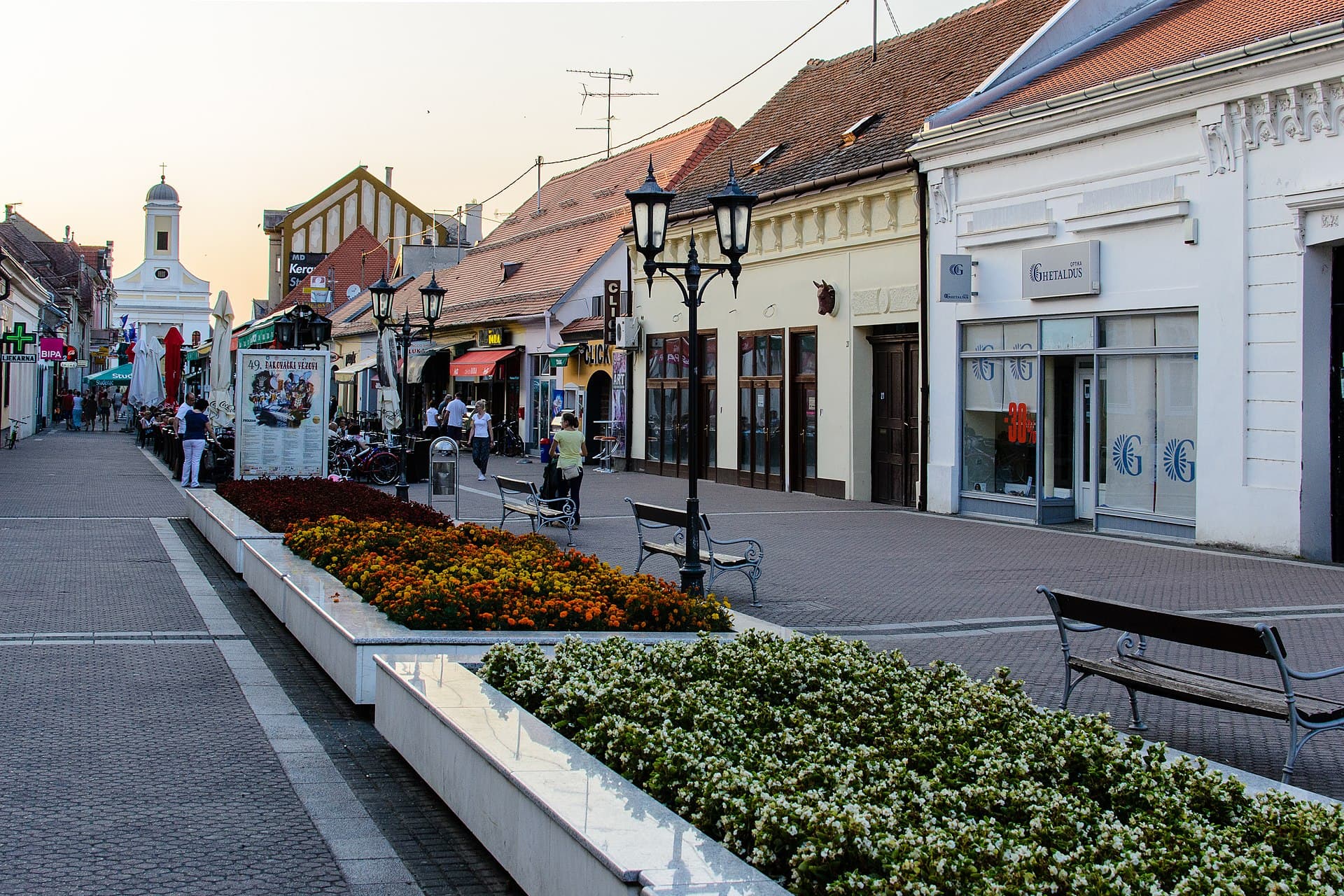
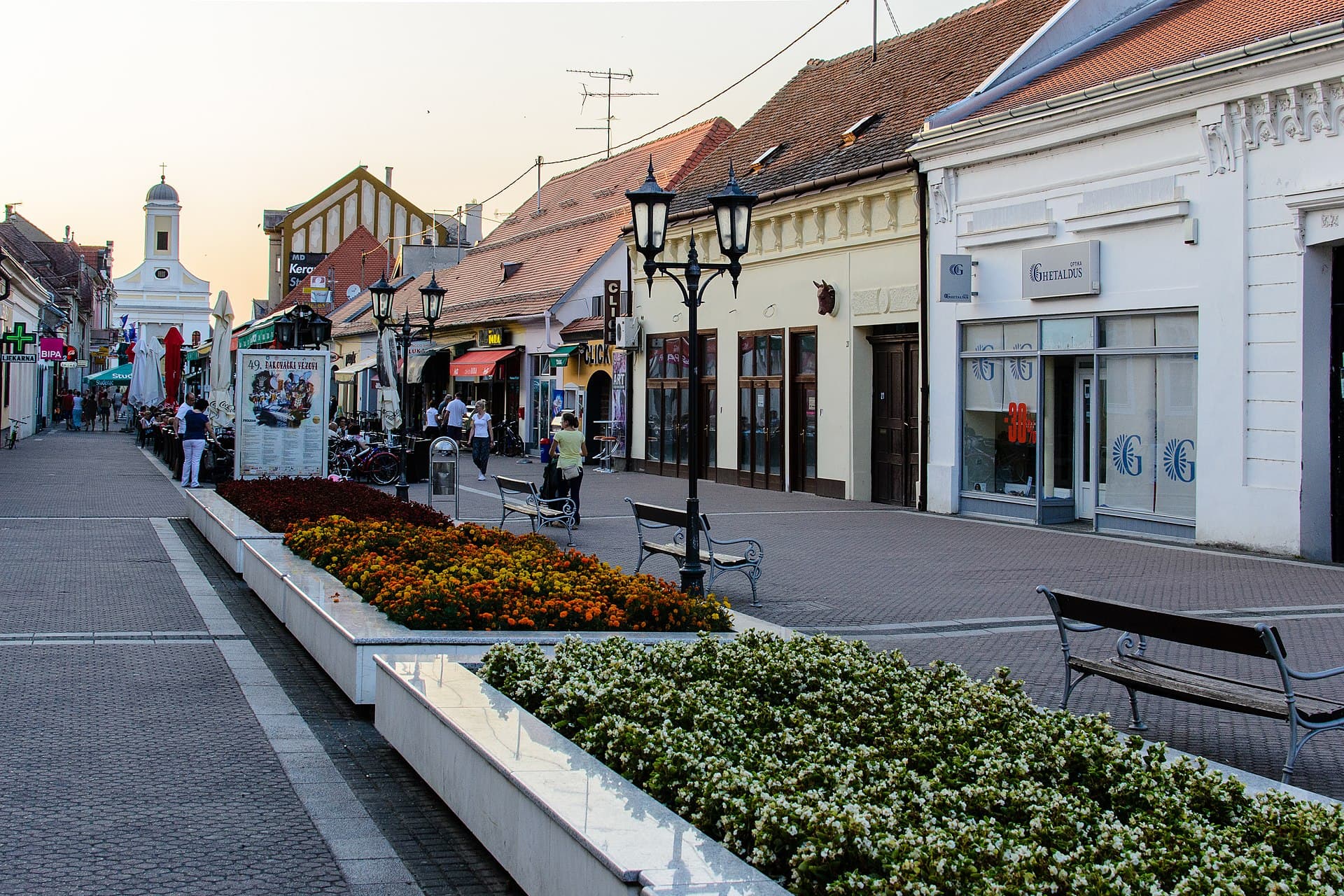
Diese Fußgängerzone in der Altstadt von Đakovo trägt einen Namen, der sie mit einem überraschenden, viralen Moment mit einem Pontifex verbindet.
Entdecke jedes Geheimnis von Đakovo
Jede Adresse, jede Enthüllung vollständig – in deinem Ohr, genau dort, wo es geschah.
Du wählst deine Stationen. Du gehst. Die Stimme enthüllt, was andere übersehen.
Deine selbstgeführte Audio-Tour durch Đakovo ist bereit – wähle deine Sehenswürdigkeiten, deine Sprache und starte, sobald du ankommst.
KaufenLume enthält einen integrierten Augmented-Reality-Guide. Halten Sie Ihr Handy hoch: Die Kamera zeigt die Straße vor Ihnen, mit einem leuchtenden Pfeil über dem echten Bild, der immer auf Ihren nächsten Stopp zeigt — keine Karte zum Rätseln, keine falschen Abzweigungen. Wie alles bei Lume funktioniert es komplett offline.
Đakovo, eine Stadt im Herzen Slawoniens im Osten Kroatiens, ist ein Ort, an dem Geschichte durch prächtige Architektur und Reittradition widerhallt. Mit knapp 30.000 Einwohnern ist sie die zweitgrößte Stadt des Landkreises Osijek-Baranja. Die Landschaft der Stadt ist geprägt von fruchtbaren Ebenen, alten Wäldern und ruhigen Seen. Đakovo wurde für seinen Kulturtourismus anerkannt und war sogar Finalist des Projekts „Europäische Städte der Exzellenz“.
Oft als „Herz Slawoniens“ bezeichnet, bietet Đakovo eine Mischung aus Kulturerbe, malerischer Landschaft und herzlicher Gastfreundschaft. Es ist eine Stadt, die für ihre Lipizzanerpferde, ihre beeindruckende Kathedrale und eine Fülle von Traditionen gefeiert wird, die in das tägliche Leben eingewoben sind. Besucher können eine Stadt erkunden, die sich seit dem Mittelalter als Kultur- und Religionszentrum entwickelt hat.
## Von römischen Wurzeln bis zum osmanischen Einfluss Die Ursprünge von Đakovo reichen bis in die Römerzeit zurück, als auf demselben Gelände einst die antike Siedlung Certissia lag, bevor sie während der Völkerwanderungszeit verschwand. Die Stadt taucht erstmals 1239 in historischen Aufzeichnungen auf, als sie von Béla IV. von Ungarn der Diözese Bosnien geschenkt wurde, wodurch die Bischöfe zu den Grundbesitzern der Region wurden. Der Bischofssitz wurde 1246 nach Đakovo verlegt, was den Beginn der Geschichte der Diözese Đakovo markierte.
Im Laufe der Jahrhunderte war die Stadt unter verschiedenen ähnlichen Namen bekannt, darunter Dyaco, Diaco und Dyacow. Eine bedeutende Periode in der Geschichte von Đakovo war die fast 150-jährige osmanische Herrschaft, die nach der Schlacht von Gorjani im Jahr 1537 begann. Während dieser Zeit war die Stadt als „Yakova“ bekannt, und viele katholische Kirchen wurden zerstört und durch Moscheen ersetzt, darunter die prominente Ibrahim-Pascha-Moschee, die später in eine katholische Kirche umgewandelt wurde.
## Die Vision eines Bischofs und der Bau einer Kathedrale Nach dem Abzug der Türken um 1690 kehrte der Bischof zurück und leitete eine Periode des Wiederaufbaus und Wachstums für die Stadt ein. Im 19. Jahrhundert wurde in Đakovo das ikonischste Wahrzeichen der Stadt erbaut, die Kathedrale-Basilika St. Peter. Bischof Josip Juraj Strossmayer, eine Schlüsselfigur der kroatischen Kultur, leitete dieses ehrgeizige Projekt, das 16 Jahre dauerte, von 1866 bis 1882. Strossmayer sah die Kathedrale als „Hauptleistung der kroatischen Kultur“. Die ersten Entwürfe stammten vom Wiener Architekten Karl Rösner, und nach dessen Tod 1869 übernahm Friedrich von Schmidt, ein renommierter gotischer Architekt, die Leitung, wobei Hermann Bollé bei der Innenausstattung mithalf. Die Krypta der Kathedrale dient als Grabstätte für die Bischöfe von Đakovo, einschließlich Strossmayer selbst.
## Das Erbe der Lipizzaner Die Pferdezuchttradition in Đakovo reicht mindestens bis ins Jahr 1506 zurück, wobei einige Aufzeichnungen darauf hindeuten, dass sie bereits 1374 existierte. Die Zucht von Lipizzanerpferden begann speziell im frühen 19. Jahrhundert. Im Jahr 1806 fanden während der Napoleonischen Feldzüge die Pferde des Gestüts Lipica Zuflucht in Đakovo, und einige blieben dort und beeinflussten die lokale Zucht der Lipizzaner-Rasse. Mitte des 19. Jahrhunderts konzentrierte sich das Gestüt unter Bischof Strossmayer ausschließlich auf die Lipizzanerzucht. Heute ist das Staatliche Gestüt Đakovo eines der ältesten und renommiertesten Lipizzanerzuchtzentren Europas.
Der zentrale Punkt der Stadt ist der Strossmayer-Platz, der von der Kathedrale, der Kurie, dem Bischofshof und dem Seminar begrenzt wird. Ein Spaziergang durch die Fußgängerzone der Altstadt, die Korzo (offiziell Ivana Pavla II. Straße), bietet einen Einblick in das lokale Leben und erstreckt sich von der Kathedrale bis zur Allerheiligenkirche, einer ehemaligen osmanischen Moschee. Der Strossmayer-Park, eine wunderschön angelegte Fläche hinter der Kathedrale, bietet eine friedliche Oase.
Erleben Sie die Kathedrale-Basilika St. Peter. Dieses neuromanische Meisterwerk mit seinen 84 Meter hohen Doppeltürmen dominiert die Skyline. Sein Inneres ist mit 43 Fresken, 31 Skulpturen und 32 Reliefs geschmückt, die Szenen aus dem Alten und Neuen Testament darstellen. Papst Johannes XXIII. beschrieb sie einst als „die schönste Kathedrale zwischen Venedig und Istanbul“.
Das Staatliche Gestüt Đakovo ist ein weiterer Eckpfeiler der Identität der Stadt. Als eines der ältesten Lipizzanerzuchtzentren Europas ermöglicht es Besuchern, die Ställe zu besichtigen, Reitvorführungen zu beobachten und mehr über diese eleganten weißen Pferde zu erfahren. Das Gestüt ist an zwei Standorten tätig: Pastuharna (Hengststation) innerhalb der Stadt und Ivandvor, wo Stuten mit Fohlen auf weitläufigen Wiesen grasen.
Đakovo ist am schönsten im Frühling und Frühherbst, speziell im April, Mai, Juni, Juli, September und Oktober. In diesen Monaten ist das Wetter mild, mit angenehmen Tagestemperaturen, die typischerweise zwischen 19°C und 30°C liegen. Die Parks und Weinberge der Stadt sind üppig, und lokale Festivals beleben die Straßen. Der Sommer ist ebenfalls lebhaft, mit warmen Temperaturen, die ideal für Besichtigungen und Outdoor-Aktivitäten sind, obwohl Juli und August recht heiß sein können, mit durchschnittlichen Höchstwerten um 30°C. Der feuchteste Monat ist typischerweise Juni, während Januar der trockenste ist.
Für Kulturinteressierte findet Ende Juni und Anfang Juli das jährliche „Đakovački vezovi“ (Đakovo-Stickereifestival) statt, eine Folkloreveranstaltung, die slawonische Traditionen, Musik und Tanz feiert.
Đakovo ist eine Stadt, die man gut zu Fuß erkunden kann, sodass die wichtigsten Sehenswürdigkeiten leicht zu erreichen sind. Der öffentliche Nahverkehr umfasst regelmäßige Busse und Züge, die die Gegend bedienen. Die Stadt liegt an der Bahnstrecke zwischen Osijek und Doboj (Bosnien) und nahe der Autobahn E73.
Die Unterkunftsmöglichkeiten reichen von Hotels und Pensionen bis hin zu ländlichen Lodges und privaten Apartments. Die lokale Währung ist der Euro (€). Leitungswasser in Đakovo ist im Allgemeinen trinkbar. Kroatien gilt als sehr sicheres Land mit niedriger Kriminalitätsrate.
Die lokale Küche bietet herzhafte slawonische Gerichte wie Kulen-Wurst, Fiš paprikaš (Fischgulasch) und Čobanac (Fleischgulasch), oft begleitet von regionalen Weinen oder Pflaumenschnaps (Šljivovica). Kartenzahlungen werden in Supermärkten, größeren Geschäften und vielen Restaurants und Cafés weitgehend akzeptiert. Trinkgeld wird geschätzt, wobei 5-10% für guten Service in Restaurants und Cafés üblich sind.
Đakovo — Koreanisch, Chinesisch, Hebräisch und 29 weitere Sprachen, jede Station von einer muttersprachlichen Stimme erzählt. Die größte Sprachauswahl aller selbstgeführten Audiotouren.
Verfügbar auf: