Akureyri Botanische Tuin
Deze botanische tuin, een van de meest noordelijke ter wereld, bewaart een verhaal dat verder gaat dan zijn groene displays.
Volledig verhaal ontgrendeld in de tour
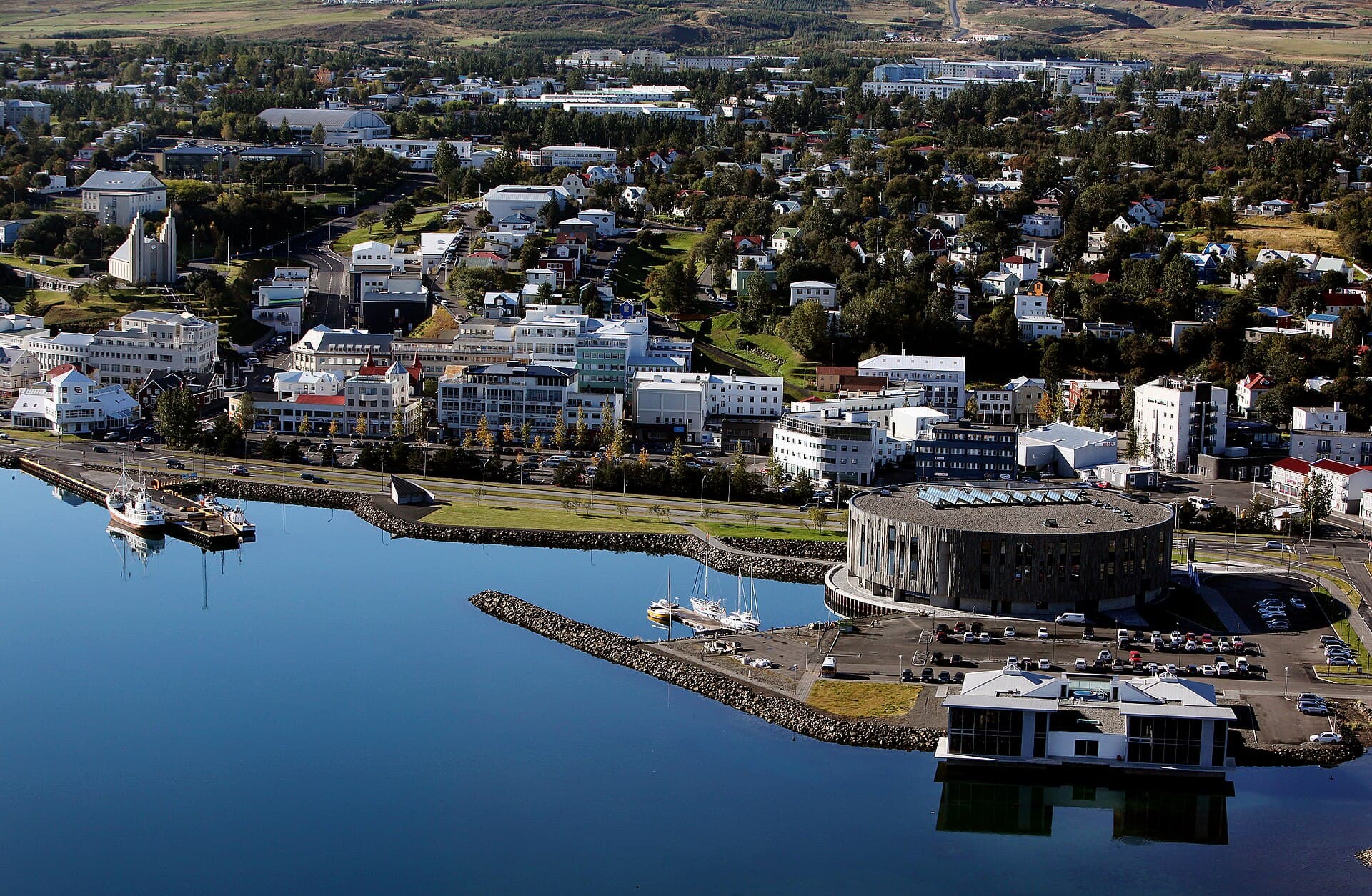 Kaldbakstindur / CC BY-SA 4.0, via Wikimedia Commons
Zelfgeleide audiowandeling door Akureyri — GPS-route, offline afspelen, meeslepende vertelling in 32 talen.
“Waar de Arctische wind waait en de geesten opstijgen.”
Niet de ansichtkaarten. De verhalen die zelfs locals niet kennen — gefluisterd in je oor, precies waar ze gebeurden.
Deze botanische tuin, een van de meest noordelijke ter wereld, bewaart een verhaal dat verder gaat dan zijn groene displays.
Bij het navigeren door Akureyri, kan men een ongebruikelijk detail opmerken in de rode verkeerslichten van de stad.
Net buiten Akureyri bestaat er een eeuwige viering van Kerstmis.
Ontdek elk geheim van Akureyri
Elk adres, elke onthulling volledig — in je oor, precies waar het gebeurde.
Jij kiest je stops. Jij wandelt. De stem onthult wat de anderen missen.


Lume heeft een ingebouwde augmented-reality-gids. Houd je telefoon omhoog: de camera toont de straat voor je, met een oplichtende pijl over het echte beeld die altijd naar je volgende stop wijst — geen kaart om uit te puzzelen, geen verkeerde afslagen. Zoals alles in Lume werkt het volledig offline.
Akureyri, een stad die zich in het noordelijke deel van IJsland bevindt, biedt een diepe verbinding met het Arctische landschap. Het is een plek waar de lucht de geur van de zee draagt en de bergen met stille autoriteit oprijzen. Het leven ontvouwt zich hier in een gemeten ritme, en nodigt bezoekers uit om te vertragen en de diepe schoonheid van hun omgeving in zich op te nemen.
Deze noordelijke hub dient als toegangspoort tot de wildere gebieden van IJsland, maar binnen zijn grenzen bloeit een levendig cultureel leven. De architectuur van de stad getuigt van veerkracht tegen de elementen, met kleurrijke huizen die stevig staan tegen de vaak dramatische luchten. Het is een bestemming die bedachtzame verkenning beloont, en lagen van natuurlijke wonderen en menselijke vindingrijkheid onthult.
## Vroege Nederzettingen en Vikingerfenis Het verhaal van Akureyri begint met de vroege Noorse kolonisten die eeuwen geleden door deze fjorden navigeerden. Het gebied werd voor het eerst vermeld in historische verslagen in de 14e eeuw, hoewel archeologische vondsten wijzen op eerdere menselijke aanwezigheid. Deze vroege bewoners werden aangetrokken door de vruchtbare gronden en de beschutte baai, en stichtten kleine boerengemeenschappen. De saga's verwijzen af en toe naar de regio en schetsen een beeld van een afgelegen maar vindingrijke bevolking.
## Deense Handelsmonopolie en Stedelijke Groei Eeuwenlang bleef Akureyri een verzameling boerderijen. Het fortuin begon te veranderen in de 17e eeuw, toen het Deense handelsmonopolie het aanwees als een van de zes officiële handelsposten in IJsland. Deze beslissing markeerde een cruciaal moment, waarbij het agrarische landschap geleidelijk werd getransformeerd tot een commercieel centrum. Hoewel de groei langzaam was, legde de constante stroom van goederen en mensen de basis voor toekomstige stedelijke ontwikkeling. Het monopolie, hoewel restrictief, zorgde voor een zekere mate van stabiliteit en verbinding met de buitenwereld.
## Uitbreiding in de 19e en 20e Eeuw De 19e eeuw bracht aanzienlijke veranderingen. De opheffing van het handelsmonopolie in 1786, gevolgd door de herinvoering en uiteindelijke afschaffing ervan in 1855, zorgde ervoor dat Akureyri echt kon floreren. Het verkreeg stadsrechten in 1862. De diepe, ijsvrije haven bleek van onschatbare waarde voor de visserij en scheepvaart, en werd een hoeksteen van de lokale economie. De oprichting van diverse industrieën, van visserij tot productie, verstevigde de positie als regionale hoofdstad. De 20e eeuw zag voortdurende uitbreiding, met infrastructuurverbeteringen en de ontwikkeling van onderwijs- en culturele instellingen, wat de rol van Akureyri als het belangrijkste stedelijke centrum van Noord-IJsland cementeeerde.
Begin uw verkenning bij de Akureyri Kerk, een opvallende architectonische aanwezigheid die uitkijkt over de stad. De dubbele torenspitsen zijn een bekend herkenningspunt, en het interieur biedt een serene ruimte voor contemplatie. Wandel door de Botanische Tuin van Akureyri, een onverwachte oase van flora die gedijt in een Arctisch klimaat; het is een bewijs van toegewijde teelt. Ontdek lokale kunst in Listagil, de Kunststeeg, waar galerieën en studio's IJslandse creativiteit tentoonstellen. Voor een glimp van het verleden van de regio, bezoek het Akureyri Museum, dat de lokale geschiedenis en cultuur documenteert. Een korte rit brengt u naar Goðafoss, de 'Waterval der Goden', waar een krachtige cascade in een breed bassin stort, wat een diepgaand natuurlijk spektakel biedt. Deze gevarieerde locaties bieden een uitgebreide ervaring van het karakter van Akureyri.
De zomermaanden, van juni tot augustus, bieden mildere temperaturen en continu daglicht, ideaal om buiten te verkennen. Voor degenen die de strenge schoonheid van de winter en de mogelijkheid van het Noorderlicht zoeken, bieden september tot maart donkere luchten en met sneeuw bedekte landschappen. Elk seizoen presenteert een onderscheidende ervaring van het karakter van Akureyri.
Akureyri is bereikbaar via een binnenlandse luchthaven met regelmatige vluchten vanuit Reykjavík. Het stadscentrum is te voet bereikbaar, maar een auto is aan te raden voor het verkennen van de omliggende regio en de natuurlijke wonderen. Accommodatie-opties variëren van hotels tot pensions en appartementen. Eetgelegenheden bieden een verscheidenheid aan IJslandse en internationale gerechten. Wees voorbereid op veranderlijk weer, ongeacht het seizoen, door laagjeskleding mee te nemen. Engels wordt breed gesproken en creditcards worden bijna overal geaccepteerd.
Akureyri — Koreaans, Chinees, Hebreeuws en nog 29 talen, elke stop verteld door een moedertaalspreker. Het grootste taalaanbod van alle zelfgeleide audiotours.
Beschikbaar in: