Beyond the lively stalls of produce and spices, the Mercado Central holds a secret from its earliest days.
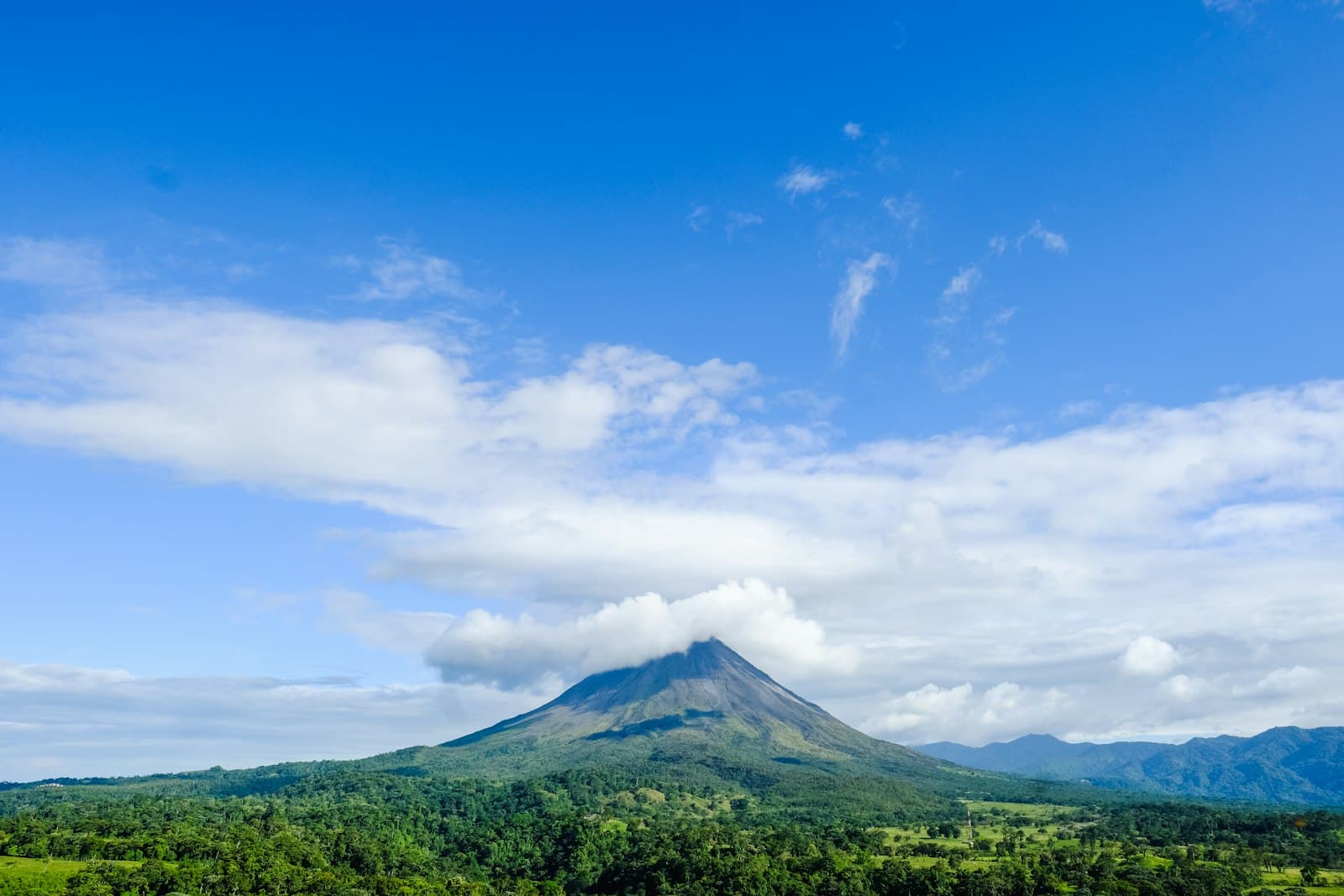
Erick Chavarría / CC BY-SA 2.0, via Wikimedia CommonsAlajuela
“Alajuela: Where the heart of Costa Rica beats with history and the scent of mangoes.”
Alajuela, as no one tells it.
Not the postcards. The stories even locals don't know — whispered in your ear, right where they happened.
The bronze statue of national hero Juan Santamaría in the park tells a well-known tale, but the true impact of his sacrifice goes deeper than a single act of bravery.
While its neoclassical facade and dome are striking, the Cathedral holds a lesser-known detail about its origins.
Discover every secret of Alajuela
Every address, every reveal in full — in your ear, right where it happened.
You pick your stops. You walk. The voice reveals what the others miss.
How long do you have in Alajuela?
No tours available yet. Check back soon — we're preparing them.
The story of Alajuela
Alajuela, often called the 'City of Mangos,' serves as a primary entry point to Costa Rica, hosting the Juan Santamaría International Airport (SJO). This Central Valley city offers a blend of history, culture, and natural beauty, making it an ideal stopover for travelers. It is the second-largest city in Costa Rica, yet it maintains a provincial atmosphere where locals relax and mango season brings lively festivals.
With its convenient location, Alajuela is a base for exploring the Central Valley, including the Poás Volcano region and the mountains of Heredia. The city itself provides a glimpse into authentic Costa Rican life, with its bustling Central Park, the Alajuela Cathedral, and the active Central Market.
## Early Beginnings and Colonial Influence Alajuela's history stretches back approximately 12,000 years, with evidence of prehistoric petroglyphs in the area. Before its official founding, the region was known as Villahermosa. In 1782, the planned city of Alajuela received official approval from the Spanish monarchy, strategically chosen for agricultural expansion and access to commercial routes. The first official parish was established in 1790. The fertile volcanic soils allowed the city to flourish, becoming a center for cattle, coffee, and sugarcane, which profoundly influenced its culture and economy.
## A Role in Independence and National Heroism Alajuela played a significant role in Costa Rica's struggle for independence from Spain in 1821. The city was at the forefront, actively resisting a plot to restore Spanish power in 1826. For a period in the 1830s, Alajuela even served as the nation's capital while Costa Rica was part of the Federal Republic of Central America. This era also saw the birth of Juan Santamaría in Alajuela in 1831. Santamaría, a drummer boy, became a national hero for his decisive act in the 1856 Filibuster War, sacrificing himself to burn an enemy stronghold and contributing to Costa Rica's victory. His bravery is commemorated annually on April 11th, a national holiday.
## Modern Development In modern times, Alajuela has developed into one of Costa Rica's most active cities. It is part of the Greater Metropolitan Area and functions as an important transport hub, connecting San José with northwestern Costa Rica. The city has grown with industries, education, and modern amenities, while still preserving its historical character with colonial buildings and old chapels. Today, Alajuela continues to be a lively city, blending its storied past with contemporary life.
Begin your exploration in the city center with a walking tour of its historical sites. The neoclassical Alajuela Cathedral, with its white marble foundation and dome, is a notable landmark. Just a block north, the Juan Santamaría Museum details the life and sacrifice of Costa Rica's national hero. The Alajuela Cultural Center and the Municipal Theater are also worth visiting for their architectural significance and cultural offerings.
Experience local life at the Central Market, a sprawling market occupying an entire city block. Here, you can find everything from fresh produce and local delicacies to artisan crafts and traditional Costa Rican meals at the 'sodas' (diners).
For a taste of Costa Rica's primary export, consider a visit to a coffee plantation like Hacienda Alsacia, about a 30-minute drive from the city center. You can learn about the coffee production process and sample local brews. Nature enthusiasts can visit the Rescate Wildlife Rescue Center, a sanctuary for over 700 wild animals, located just a 15-minute drive from Alajuela. Additionally, Poás Volcano National Park, with its steaming crater and hiking trails, is approximately 22 miles north of Alajuela.
Alajuela enjoys a pleasant 'eternal spring' climate year-round, with mild temperatures typically ranging from 73°F to 79°F. The dry season, from December to April, offers clear skies and is ideal for outdoor activities like volcano hikes and coffee tours. The green season, from May to November, brings flourishing landscapes and fewer crowds, with rain primarily occurring in the afternoons. For the best overall outdoor tourist activities, mid-December to mid-March is recommended.
Juan Santamaría International Airport (SJO), Costa Rica's main international airport, is located in Alajuela, making it a convenient arrival point. The city has an extensive and reliable public transportation system, with TUASA buses departing frequently for San José, Heredia, and Poás Volcano National Park. Taxis are readily available for shorter distances around the city, and it's advisable to agree on a fare beforehand.
While generally safe for tourists, it's wise to be aware of your surroundings and take precautions against petty theft, especially in crowded areas. Avoid walking alone at night outside of well-lit city center areas. The local currency is the Costa Rican Colón (CRC). Packing light clothing, rain gear, sunblock, and comfortable walking shoes is recommended.
- What is Alajuela known for?
- Alajuela is known as the 'City of Mangos' and is the birthplace of national hero Juan Santamaría. It's also recognized for its pleasant year-round climate and its proximity to Juan Santamaría International Airport (SJO), making it a key gateway to Costa Rica.
- Is Alajuela safe for tourists?
- Generally, Alajuela is considered safe for tourists. However, like any urban area, it's advisable to be aware of your surroundings, avoid walking alone at night in isolated areas, and take precautions against petty theft.
- What is the best way to get around Alajuela?
- Alajuela has a well-integrated public transportation system with frequent and affordable bus services to nearby towns and attractions. Taxis are also a good option for shorter distances within the city.
- Are there coffee tours available in Alajuela?
- Yes, Alajuela is close to several coffee plantations, such as Hacienda Alsacia, which offer tours to learn about the coffee production process and sample Costa Rican coffee.
- What is the climate like in Alajuela?
- Alajuela experiences a tropical climate, often referred to as 'eternal spring,' with mild temperatures averaging between 73°F and 79°F (23-26°C) and low humidity year-round.
- Can I visit volcanoes from Alajuela?
- Yes, Alajuela is a convenient base for visiting active volcanoes, including Poás Volcano National Park, which is about 22 miles north of the city.