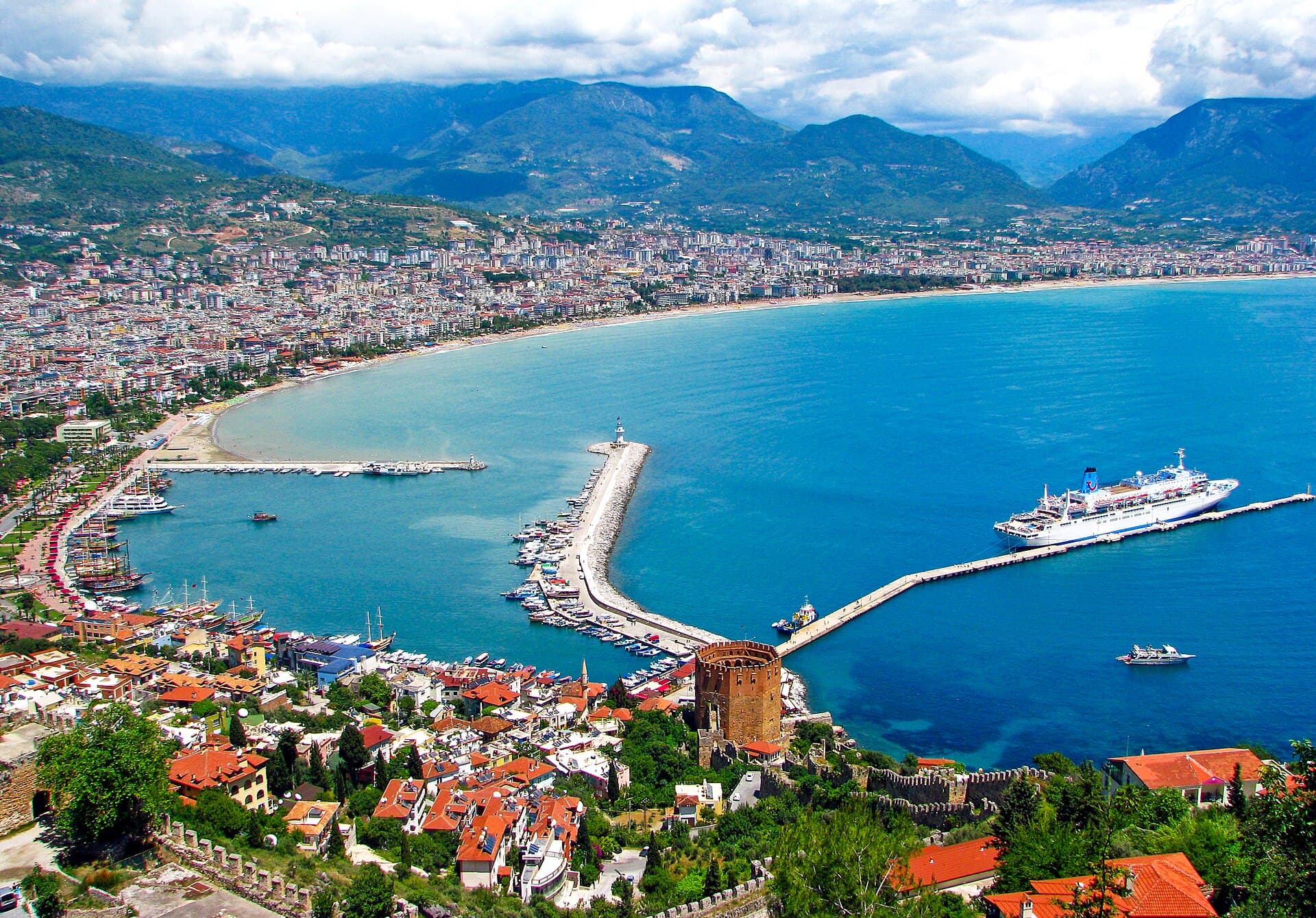
Alanya, TurkeyOzgurmulazimoglu / CC BY-SA 3.0, via Wikimedia Commons
TR

Alanya

Where ancient echoes meet turquoise tides.

The secrets of Alanya

Alanya, as no one tells it.

Not the postcards. The stories even locals don't know — whispered in your ear, right where they happened.

3 secrets below. Many more wait inside the tour.
Alanya Castle's Western Slope

Look closely at the rocks below the castle's western slope, particularly at sunset.

Full story unlocks in the tour
Damlataş Cave

This cave, discovered by accident, holds a secret beyond its striking formations.

Full story unlocks in the tour
Cleopatra Beach

This famous stretch of sand has a legendary connection to an Egyptian queen.

Full story unlocks in the tour
The full tour

Discover every secret of Alanya

Every address, every reveal in full — in your ear, right where it happened.

Get the key to Alanya

You pick your stops. You walk. The voice reveals what the others miss.

Choose your time

How long do you have in Alanya?

No tours available yet. Check back soon — we're preparing them.

About Alanya

The story of Alanya

Alanya, a captivating city on Turkey's southern coast, offers a blend of ancient history and modern Mediterranean charm. Situated on a small peninsula beneath the dramatic Taurus Mountains, it has been a strategic stronghold for numerous empires throughout history, including the Roman, Byzantine, and Ottoman. Today, Alanya is a popular resort known for its inviting beaches, historical landmarks, and a lively atmosphere that draws millions of visitors annually.

The city's unique geographical position provides a diverse landscape, from the expansive sandy shores to the rugged mountain terrain. With around 300 days of sunshine each year, Alanya lives up to its unofficial slogan: "where the sun smiles." Whether you seek relaxation by the sea, exploration of ancient ruins, or an immersion in local culture, Alanya presents a multifaceted experience along the Turkish Riviera.

History

From Coracesium to Alanya

The earliest evidence of human habitation near Alanya dates back to 20,000 BC, found in the Kadıini Cave. The city's oldest known name was Coracesium, and by the 4th century BC, it was under Persian control, exporting honey and wine to Egypt. Its natural defenses, particularly its rocky peninsula, made it an ideal haven for Mediterranean pirates for centuries. In 197 BC, Coracesium successfully resisted an attack by King Antiochus III.

The Roman Commander Pompey eventually ended the pirate activity in 67 BC, incorporating the region into the Roman Empire. Legend suggests that Roman General Mark Antony later gifted the city to Cleopatra. During the Byzantine era, the city was known as Kalanoros and saw the construction of many castles and churches as it defended against Arabic raids in the 7th and 8th centuries AD.

Alanya's golden age arrived in the 13th century under the Seljuk Sultan Alaeddin Keykubad I. Conquering the city in 1221, he renamed it Alaiye after himself and established it as a significant winter capital and the main base for the Seljuk navy. During this period, the iconic Alanya Castle, Red Tower (Kızıl Kule), and the Shipyard (Tersane) were constructed or significantly reinforced. After the decline of the Seljuks, the city passed through the hands of the Karamanids and the Egyptian Mamluk Sultanate before being incorporated into the Ottoman Empire in 1471. Its significance as a port continued for trade with Egypt, Syria, and Cyprus. The city received its current name, Alanya, in 1935, at the suggestion of Mustafa Kemal Atatürk, the founder of the Turkish Republic. Since the mid-20th century, Alanya has transformed into a prominent tourist destination.

What to see

The Alanya Castle (Alanya Kalesi), a medieval citadel dating from 1226, dominates the peninsula. Its 6.5-kilometer walls encompass various structures, including a Byzantine church, cisterns, and the Inner Castle (Ehmedek), offering expansive views of the city and the Mediterranean. You can reach the castle by hiking, taxi, or a scenic cable car ride from Cleopatra Beach.

At the harbor's edge stands the Red Tower (Kızıl Kule), an octagonal brick structure built in 1226 to protect the shipyard. It now houses an ethnographic museum and provides expansive views. Nearby, the Alanya Shipyard (Tersane), a 13th-century Seljuk naval base with five arched bays, is a testament to the city's maritime past.

For a natural wonder, visit Damlataş Cave, discovered in 1948 during harbor construction. Known for its stalactites and stalagmites, it's also recognized for air believed to benefit respiratory conditions. Another impressive natural site is Sapadere Canyon, a 750-meter-long ravine in the Taurus Mountains, offering hiking trails and a waterfall.

Alanya also offers several beaches, including the famous Cleopatra Beach, known for its golden sand and clear, shallow waters. Other options include Damlataş Beach, Portakal Beach, and the quieter Alanya Municipality Public Beach.

When to visit

Alanya enjoys a hot-summer Mediterranean climate with approximately 300 sunny days a year. The best time to visit depends on your preferences. For comfortable temperatures, low rainfall, and ideal conditions for exploring, aim for April to October. Spring (March to May) and autumn (September to October) offer pleasant weather, fewer crowds, and are perfect for sightseeing and outdoor activities like hiking. Summer (June to August) is peak season, with hot, sunny days and sea temperatures around 28°C, ideal for beach lovers and water sports, though it can be crowded. Winters are mild and wet, suitable for a quieter, culturally focused trip.

Practical

Alanya is easily accessible, with the most comfortable way to arrive being a flight to Gazipaşa-Alanya Airport (GZP), located 40 kilometers from the city. From there, you can take a bus, taxi, or rent a car to reach the city center. If you're coming from another Turkish city, intercity buses are also an option.

Within Alanya, public transportation includes local buses and minibuses. You'll need an "Alanya Kentkart" to use the buses. Taxis are also readily available. For exploring, comfortable walking shoes are recommended, especially for the hilly areas and pathways around the castle. Many local shops and restaurants prefer cash payments, so it's advisable to carry some Turkish Lira. Bargaining is common in local markets, but always maintain politeness. During summer, intense heat necessitates sunscreen, hats, and scheduling outdoor activities for mornings or evenings.

Good to know
What is Alanya known for?
Alanya is known for its beautiful beaches, historic Alanya Castle, the Red Tower, and its Mediterranean climate with around 300 sunny days a year. It's also recognized as the "Pomegranate Capital" of Turkey.
Is Alanya good for families?
Yes, Alanya is considered a family-friendly destination, with clear, shallow waters at beaches like Cleopatra Beach, and various activities such as boat trips, waterparks, and nature excursions to places like Sapadere Canyon.
What currency is used in Alanya?
The official currency used in Alanya, and throughout Turkey, is the Turkish Lira. Many local establishments prefer cash payments.
Is Alanya safe for tourists?
While general safety precautions should always be observed, Alanya is a popular tourist destination and is generally considered safe for visitors.
Can you drink tap water in Alanya?
While tap water is generally safe for brushing teeth, it's typically recommended for tourists to drink bottled water in Alanya.
What is the local food like in Alanya?
Alanya offers a diverse culinary scene with authentic Turkish delights. You can find traditional kebabs, baklava, fresh seafood, and pide. The region is also known for its pomegranates.
Alanya
From€9.00
No booking · activate anytime · 12h to walk it
Get the key to Alanya