Piazza Risorgimento
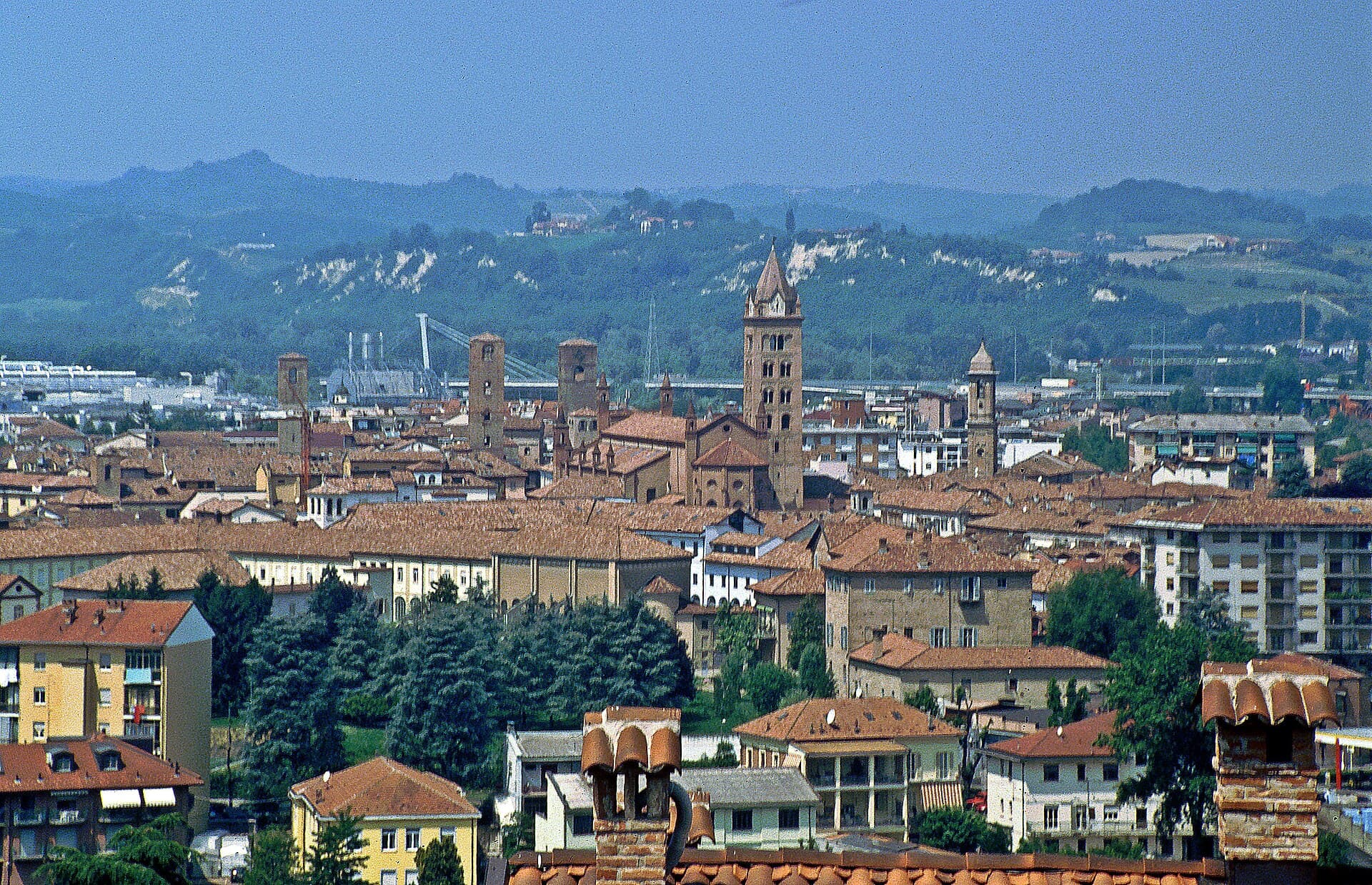
Alba war einst als "Stadt der hundert Türme" bekannt, aber heute stehen noch weitaus weniger.
Die ganze Geschichte wird in der Tour freigeschaltet
 Ziegler175 / CC BY-SA 3.0, via Wikimedia Commons
Selbstgeführte Audio-Walking-Tour durch Alba — GPS-Route, Offline-Wiedergabe, erzählerische Narration in 32 Sprachen.
“Wo alte Türme auf den Duft weißer Trüffel treffen.”
Nicht die Postkarten. Die Geschichten, die selbst Einheimische nicht kennen – dir ins Ohr geflüstert, genau dort, wo sie geschahen.
Alba war einst als "Stadt der hundert Türme" bekannt, aber heute stehen noch weitaus weniger.
Unter den modernen Straßen von Alba liegt eine römische Vergangenheit.
Der "Alba-Trüffel" ist ein weltweit anerkannter Name, aber seine Berühmtheit verdankt er größtenteils einem unternehmungslustigen Einheimischen.
Entdecke jedes Geheimnis von Alba
Jede Adresse, jede Enthüllung vollständig – in deinem Ohr, genau dort, wo es geschah.
Du wählst deine Stationen. Du gehst. Die Stimme enthüllt, was andere übersehen.


Deine selbstgeführte Audio-Tour durch Alba ist bereit – wähle deine Sehenswürdigkeiten, deine Sprache und starte, sobald du ankommst.
KaufenLume enthält einen integrierten Augmented-Reality-Guide. Halten Sie Ihr Handy hoch: Die Kamera zeigt die Straße vor Ihnen, mit einem leuchtenden Pfeil über dem echten Bild, der immer auf Ihren nächsten Stopp zeigt — keine Karte zum Rätseln, keine falschen Abzweigungen. Wie alles bei Lume funktioniert es komplett offline.
Alba, eine faszinierende Stadt in der italienischen Region Piemont, ist das Herzstück der UNESCO-Welterbelandschaft der Weinberge von Langhe-Roero und Monferrato. Diese Stadt mit ihrem kompakten mittelalterlichen Kern aus roter Ziegelarchitektur bietet eine Mischung aus beständiger Geschichte, verfeinerter Kultur und weltbekannter Gastronomie. Alba ist besonders berühmt für seine exquisiten weißen Trüffel und seine außergewöhnlichen Weine, darunter Barolo und Barbaresco.
Das historische Zentrum der Stadt lädt zu Erkundungen zu Fuß ein, mit seinen einladenden Plätzen, alten Kirchen und lebendigen Atmosphäre. Es ist ein idealer Ausgangspunkt für diejenigen, die das umliegende Langhe-Weinland mit seinen sanften Hügeln, die von Weinbergen und Haselnusshainen bedeckt sind, erkunden möchten.
Über seine kulinarische Berühmtheit hinaus bietet Alba eine Reise durch die Zeit, von seinen römischen Ursprüngen bis zu seiner bedeutenden Rolle in der italienischen Widerstandsbewegung während des Zweiten Weltkriegs. Sein anhaltender Reiz liegt in der Fähigkeit, unaufdringliche Eleganz mit einem lebendigen lokalen Geist zu verbinden, was es zu einem fesselnden Reiseziel für Feinschmecker, Weinliebhaber und Geschichtsinteressierte gleichermaßen macht.
## Von der römischen Siedlung zum mittelalterlichen Machtzentrum Die Geschichte von Alba reicht Jahrtausende zurück, archäologische Funde deuten auf menschliche Anwesenheit in der Gegend seit der Jungsteinzeit, zwischen dem 6. und 3. Jahrtausend v. Chr., hin. Die heutige Stadt liegt auf dem Gelände des antiken Alba Pompeia, einer römischen Siedlung, die 89 v. Chr. vom Konsul Gnaeus Pompeius Strabo offiziell anerkannt wurde. In römischer Zeit war Alba Pompeia ein wichtiges Zentrum, und Überreste seiner befestigten Tore und Bauten mit Marmor und Mosaiken sind noch heute zu sehen.
Nach dem Fall des Weströmischen Reiches war Alba wiederholt Invasionen und Plünderungen durch verschiedene Gruppen ausgesetzt, darunter Ostgoten, Burgunder, Byzantiner und Langobarden. Im 11. Jahrhundert entwickelte sich Alba zu einer freien Gemeinde, was zu einer Periode intensiver Rivalität zwischen Guelfen und Ghibellinen führte. In dieser Ära wurden zahlreiche hohe Türme gebaut, die den Prestige und Reichtum adliger Familien symbolisierten und Alba den Spitznamen "Stadt der hundert Türme" einbrachten. Obwohl viele später abgerissen wurden, stehen noch einige als Zeugnis dieser mittelalterlichen Vergangenheit.
## Wechselnde Herrschaften und napoleonischer Einfluss Im Mittelalter und in der Renaissance war Alba ein umstrittenes Gebiet, das in die Hände verschiedener mächtiger Familien und Herrschaften überging, darunter die Montferrat, Visconti und Gonzaga. Im Jahr 1628 kam es schließlich unter die Herrschaft der Herzöge von Savoyen. Während der Napoleonischen Kriege erlebte Alba 1796 eine kurze Periode als Teil der französisch kontrollierten Republik Alba und später der Subalpinischen Republik, bevor es 1802 dem Französischen Kaiserreich angegliedert wurde.
## Zweiter Weltkrieg und moderne Anerkennung Alba kehrte 1814 zum Königreich Sardinien (das 1861 zum Königreich Italien wurde) zurück. Die Stadt spielte eine bedeutende Rolle in der italienischen Widerstandsbewegung während des Zweiten Weltkriegs. Am 10. Oktober 1944 befreiten Partisanen die Stadt und gründeten eine kurzlebige Republik Alba, die ihre Unabhängigkeit von der faschistischen Republik von Salò für einige Wochen aufrechterhielt, bevor sie zurückerobert wurde. Für seine heldenhaften Taten während des Krieges wurde Alba mit einer Goldmedaille für militärische Tapferkeit ausgezeichnet.
Im 20. Jahrhundert wuchs Albains Ruf als kulinarische Hauptstadt, insbesondere mit der Gründung der Internationalen Messe für weiße Trüffel von Alba im Jahr 1929. Heute floriert die Stadt weiterhin als Zentrum für Wein, Trüffel und die Süßwarenindustrie, wobei die Ferrero-Gruppe dort ihren Hauptsitz hat. Im Jahr 2017 trat Alba dem UNESCO Creative Cities Network bei und festigte damit weiter seine kulturelle und gastronomische Bedeutung.
Beginnen Sie Ihre Erkundung im historischen Zentrum von Alba, einem kompakten und gut zu Fuß erkundbaren Gebiet voller interessanter Straßen, antiker Palazzi und einladender Plätze. Die beiden Hauptplätze, Piazza Ferrero und Piazza Risorgimento, sind ausgezeichnete Ausgangspunkte.
Im Herzen der Piazza Risorgimento steht der Duomo di San Lorenzo (Alba Kathedrale), eine römisch-katholische Kathedrale mit Ursprüngen, die bis ins 12. Jahrhundert zurückreichen. Obwohl sie zahlreiche Umbauten erfahren hat, darunter eine bedeutende neugotische Umgestaltung im 19. Jahrhundert, sind ihre kunstvollen Chorgestühle von 1512 erhalten geblieben. Ein unterirdisches Museum unter der Kathedrale bietet Einblicke in Albains römische und frühmittelalterliche Vergangenheit.
Eine weitere bedeutende religiöse Stätte ist die Chiesa di San Domenico, eine Kirche aus dem 13. Jahrhundert, die eine Mischung aus romanischen und gotischen Baustilen aufweist. Ihre schlichte Fassade und ihr beeindruckendes Inneres mit Spuren von Fresken aus dem 14. und 15. Jahrhundert machen sie zu einem bemerkenswerten Halt.
Für einen tieferen Einblick in Albains antike Wurzeln besuchen Sie das Museo Civico Federico Eusebio. Dieses Archäologie- und Naturkundemuseum, gegründet 1897, beherbergt prähistorische und römische Relikte und bietet einen umfassenden Überblick über die lokale Umwelt und ihre historische Entwicklung. Das Museum bietet auch Führungen durch "Underground Alba", die die römischen Schichten der Stadt enthüllen.
Über die spezifischen Sehenswürdigkeiten hinaus ermöglicht Ihnen ein einfacher Spaziergang durch die Straßen von Alba, seine mittelalterliche Stadtform mit erhaltenen Türmen und historischen Gebäuden zu schätzen. Nutzen Sie die Gelegenheit, die vielen Spezialitätengeschäfte zu durchstöbern, die lokale Delikatessen wie Trüffel, Haselnüsse und Wein anbieten.
Alba ist das ganze Jahr über ein faszinierendes Reiseziel, aber seine bezauberndste Zeit ist der Herbst, besonders von Oktober bis November. Dies fällt mit der berühmten Internationalen Messe für weiße Trüffel von Alba zusammen, wenn die Stadt zu einem lebhaften Zentrum für Trüffelliebhaber und Feinschmecker wird. Zu dieser Zeit leuchten die Weinberge des Langhe in lebendigen Herbstfarben und die Luft ist erfüllt von der Erwartung der Weinlese. Der Frühling, von April bis Mai, bietet ebenfalls angenehmes Wetter, Wildblumen und verschiedene Festivals, darunter ein Weinfest. Obwohl Juli und August die wärmsten Monate sind, ist der Sommer immer noch gut geeignet, um die Haselnusshaine zu erkunden und zu genießen.
Das historische Zentrum von Alba ist kompakt und gut zu Fuß zu erkunden. Obwohl es öffentliche Verkehrsmittel gibt, wird ein Mietwagen dringend empfohlen, um in das umliegende Langhe-Weinland zu fahren und kleinere Städte und Weingüter zu besuchen, da diese sonst nicht leicht zugänglich sind. Turin ist mit dem Auto etwa eine Stunde entfernt und bietet einen bequemen Ausgangspunkt für Ihre Reise. Parkplätze sind vorhanden, und Zug- oder Busverbindungen bringen Sie in nahegelegene Städte wie Bra und Neive.
Für ein immersives Erlebnis sollten Sie eine geführte Tour durch Alba in Betracht ziehen, die lokale Einblicke in seine Geschichte, Kultur und Gastronomie bietet. Viele Touren bieten auch Trüffelsuch-Erlebnisse mit Hunden und Weinproben in lokalen Weingütern an. Probieren Sie beim Essen unbedingt die lokale piemontesische Küche, die Gerichte wie Tajarin-Nudeln mit Trüffel, Vitello Tonnato und Brasato al Barolo umfasst. Vergessen Sie nicht, Albains berühmte Haselnüsse, Nougat (Torrone) und Gianduja-Pralinen zu genießen.
Alba — Koreanisch, Chinesisch, Hebräisch und 29 weitere Sprachen, jede Station von einer muttersprachlichen Stimme erzählt. Die größte Sprachauswahl aller selbstgeführten Audiotouren.
Verfügbar auf: