Batthyaneum-Bibliothek
Unter ihren alten Manuskripten birgt ein bestimmter Kodex ein Geheimnis, das Jahrhunderte älter ist als die Bibliothek selbst.
Die ganze Geschichte wird in der Tour freigeschaltet
 Mihai Raducanu / CC BY-SA 4.0, via Wikimedia Commons
Selbstgeführte Audio-Walking-Tour durch Alba Iulia — GPS-Route, Offline-Wiedergabe, erzählerische Narration in 32 Sprachen.
“Wo römische Echos auf rumänische Einheitsträume treffen.”
Nicht die Postkarten. Die Geschichten, die selbst Einheimische nicht kennen – dir ins Ohr geflüstert, genau dort, wo sie geschahen.
Unter ihren alten Manuskripten birgt ein bestimmter Kodex ein Geheimnis, das Jahrhunderte älter ist als die Bibliothek selbst.
Dieses Gebäude, einst eine Militärkaserne, erhielt einen neugierigen Spitznamen, der Bände über die vielfältigen Leben spricht, die es einst beherbergte.
Über ihre imposante Struktur hinaus wurden diese Mauern einst von einer unerwarteten Naturgewalt bewegt.
Entdecke jedes Geheimnis von Alba Iulia
Jede Adresse, jede Enthüllung vollständig – in deinem Ohr, genau dort, wo es geschah.
Du wählst deine Stationen. Du gehst. Die Stimme enthüllt, was andere übersehen.
Deine selbstgeführte Audio-Tour durch Alba Iulia ist bereit – wähle deine Sehenswürdigkeiten, deine Sprache und starte, sobald du ankommst.
KaufenLume enthält einen integrierten Augmented-Reality-Guide. Halten Sie Ihr Handy hoch: Die Kamera zeigt die Straße vor Ihnen, mit einem leuchtenden Pfeil über dem echten Bild, der immer auf Ihren nächsten Stopp zeigt — keine Karte zum Rätseln, keine falschen Abzweigungen. Wie alles bei Lume funktioniert es komplett offline.
Alba Iulia, im Herzen Siebenbürgens am Fluss Mureș gelegen, ist eine Stadt, in der Geschichtsschichten nicht nur erhalten, sondern aktiv gefeiert werden. Oft als 'Die andere Hauptstadt' oder 'Seelenhauptstadt' Rumäniens bezeichnet, hat sie eine immense nationale Bedeutung als der Ort, an dem 1918 der Große Union erklärt wurde, der Siebenbürgen formell mit Rumänien vereinte. Dieses entscheidende Ereignis, das jährlich am 1. Dezember als rumänischer Nationalfeiertag gefeiert wird, zementierte den Platz von Alba Iulia in der Identität des Landes.
Der Mittelpunkt der Stadt ist die sternförmige Alba-Carolina-Zitadelle, eine beeindruckende Festung im Vauban-Stil aus dem 18. Jahrhundert, die die Stadtlandschaft dominiert. Innerhalb ihrer imposanten Mauern können Besucher römische Ruinen, mittelalterliche Befestigungsanlagen und prächtige Barockarchitektur erkunden. Alba Iulia bietet eine greifbare Reise durch die Zeit, von ihren antiken römischen Wurzeln als Apulum, einst 'Chrysopolis' oder 'Goldene Stadt' genannt, bis zu ihrer heutigen Rolle als kulturelles und historisches Zentrum.
Die Geschichte von Alba Iulia beginnt lange vor dem modernen Rumänien. Die Gegend ist seit der Jungsteinzeit durchgehend bewohnt, mit Siedlungsspuren, die bis etwa 5000 v. Chr. zurückreichen. Während der römischen Besatzung, nach der Eroberung Dakiens durch Kaiser Trajan im Jahr 106 n. Chr., wurde Alba Iulia zu Apulum, einem wichtigen militärischen und wirtschaftlichen Zentrum. Es diente als Hauptquartier der Legio XIII Gemina und entwickelte sich zur Verwaltungs Hauptstadt von Dakien Ober (Dacia Superior), so wohlhabend, dass es den Spitznamen 'Chrysopolis' (Goldene Stadt) erhielt. Überreste des römischen Kastells, darunter Teile seiner Mauern und das Porta Principalis Dextra, sind heute noch innerhalb der Zitadelle sichtbar.
Nach dem Rückzug der Römer trug die Stadt vom 9. bis 11. Jahrhundert den slawischen Namen Bălgrad. Der Name 'Alba Iulia' selbst ist eine Latinisierung des ungarischen 'Gyulafehérvár', was 'weiße Burg von Gyula' bedeutet und sich auf einen ungarischen Kriegsherrn des 10. Jahrhunderts bezieht. Bis zum 12. Jahrhundert war sie das Zentrum des siebenbürgischen Bistums und eine königliche Festung.
Alba Iulia erreichte zwischen 1541 und 1711 seinen Höhepunkt und diente als Hauptstadt des unabhängigen Fürstentums Siebenbürgen und als Residenz seiner Fürsten. 1599 vereinigte Fürst Mihai Viteazul (Michael der Tapfere) kurzzeitig die drei rumänischen Provinzen Walachei, Siebenbürgen und Moldau, wodurch Alba Iulia zur Hauptstadt der vereinigten Fürstentümer wurde. Dieser Akt legte den Grundstein für zukünftige Bestrebungen nach nationaler Einheit. Die Stadt wurde in dieser Zeit auch zu einem wichtigen Druckzentrum.
Die imposante Alba-Carolina-Zitadelle, eine sternförmige Festung im Vauban-Stil, wurde zwischen 1716 und 1735 unter habsburgischer Herrschaft erbaut. Entworfen vom italienischen Architekten Giovanni Morando Visconti, sollte sie zur Verteidigung gegen osmanische Invasionen dienen und ist eine der größten Festungen dieser Art in Südosteuropa. Ironischerweise erlebte sie nur einmal militärische Aktionen, als die ungarische Armee sie 1849 angriff.
Der bedeutendste moderne historische Moment der Stadt ereignete sich am 1. Dezember 1918. Über hunderttausend Rumänen versammelten sich in Alba Iulia, und 1.228 Delegierte stimmten in der Unionshalle (Sala Unirii) für die Vereinigung Siebenbürgens mit dem Königreich Rumänien. Dieses Ereignis, bekannt als die Große Union, ist die rechtliche und symbolische Grundlage der Grenzen des modernen Rumäniens. 1922 wurden König Ferdinand I. und Königin Marie von Rumänien in der neu erbauten orthodoxen Krönungskathedrale in Alba Iulia gekrönt, was ihre Rolle als Symbol nationaler Einheit weiter festigte.
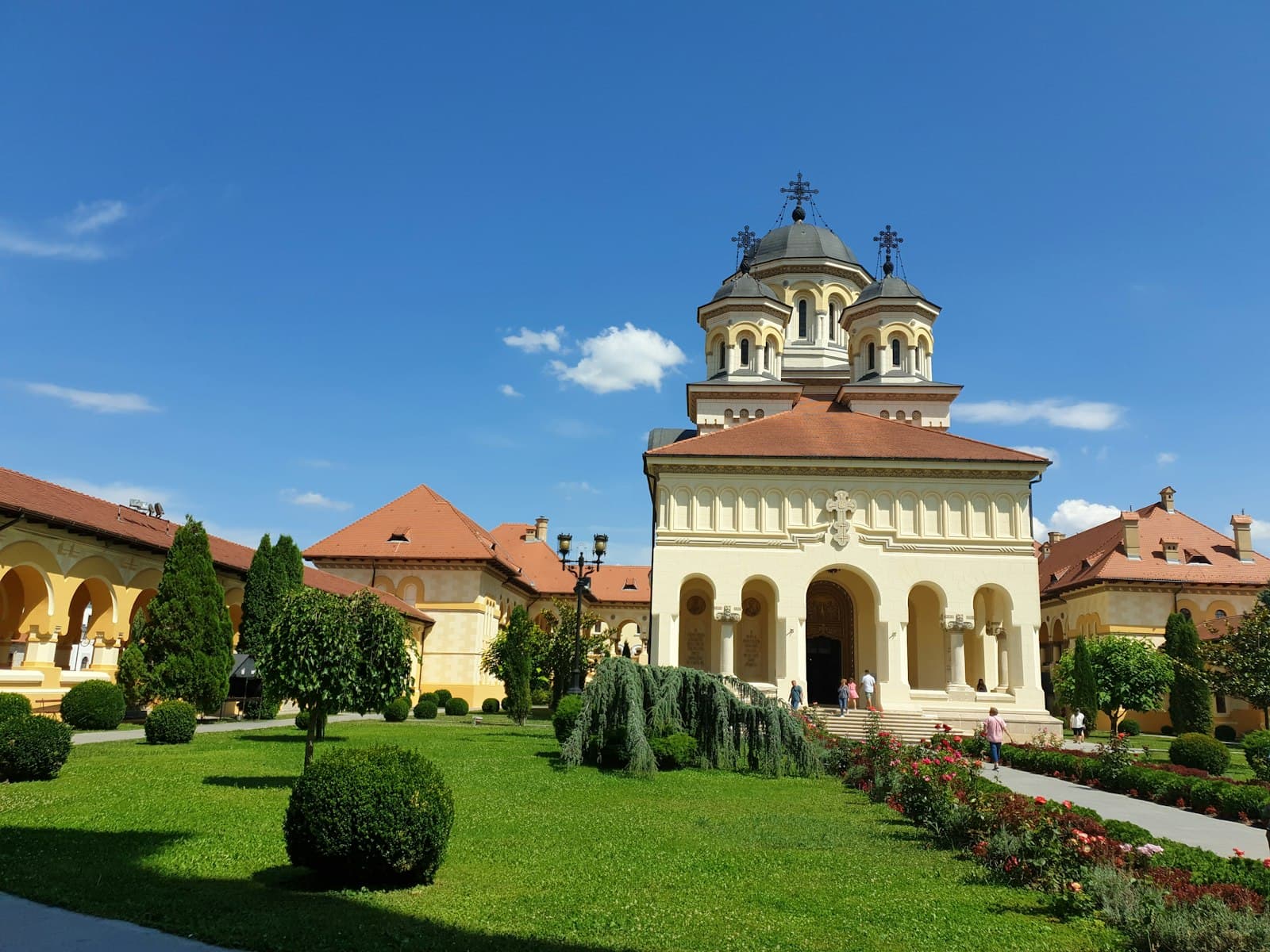
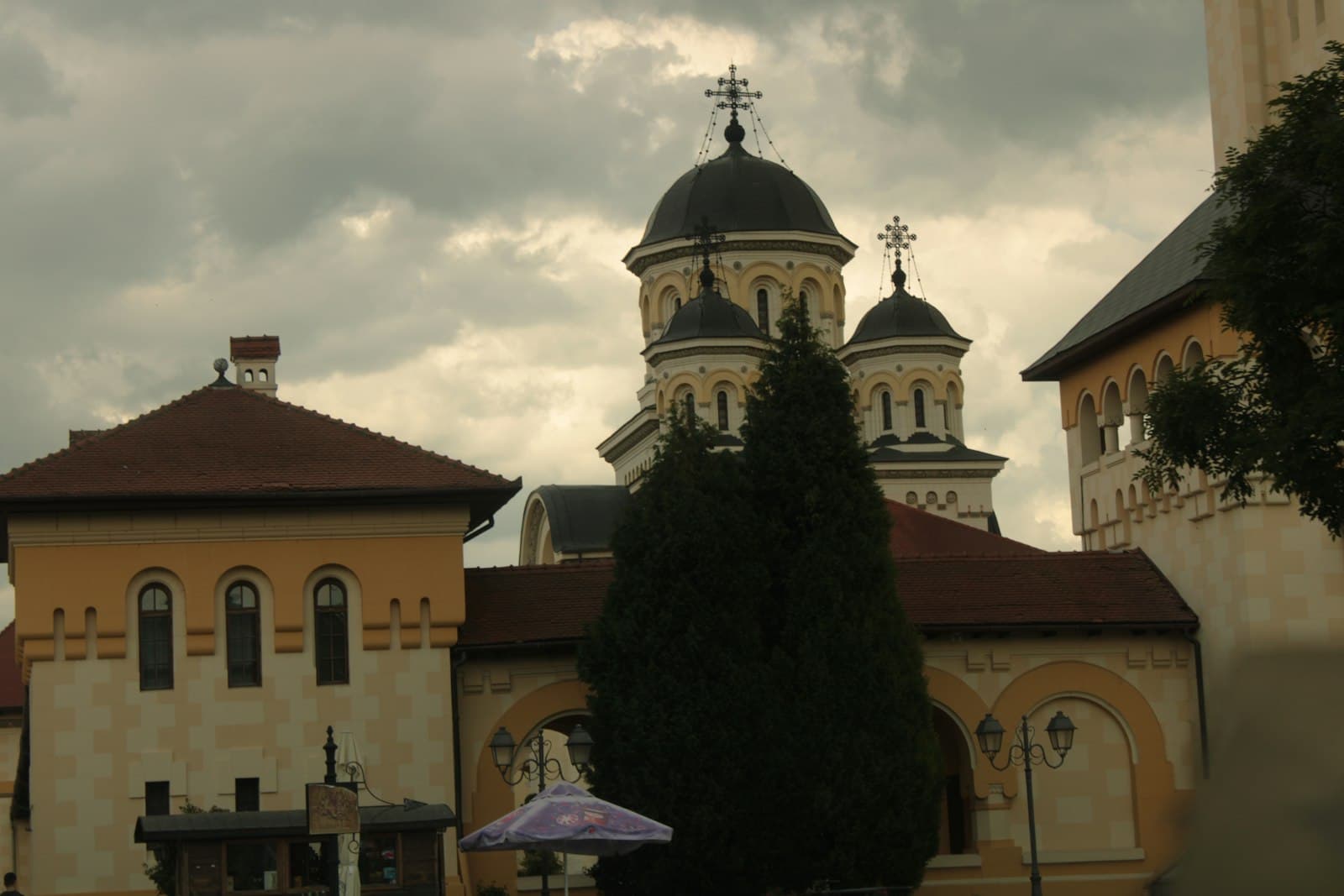
Die Hauptattraktion in Alba Iulia ist die Alba-Carolina-Zitadelle, eine riesige, sternförmige Festung mit sieben Bastionen und sechs verzierten Toren. Beginnen Sie Ihre Erkundung am Dritten Tor, bekannt für seine dekorativen Steinmetzarbeiten und den Zugang zu Spazierwegen entlang der Bastionen. Im Inneren entdecken Sie die Römisch-Katholische Kathedrale, die aus dem 13. Jahrhundert stammt und beeindruckende frührenaissancezeitliche Innenräume aufweist. In der Nähe steht die Orthodoxe Krönungskathedrale, erbaut zwischen 1921 und 1923 zum Gedenken an die Vereinigung Siebenbürgens mit Rumänien, wo König Ferdinand I. und Königin Marie gekrönt wurden.
Erkunden Sie das Nationale Unionsmuseum, untergebracht im historischen Babilon-Gebäude, das Artefakte aus der Vorgeschichte, der dakisch-römischen Ära und Exponate zur Vereinigung Rumäniens zeigt. Verpassen Sie nicht die Unionshalle (Sala Unirii), in der 1918 die Große Union erklärt wurde. Spazieren Sie entlang der Via Principalis Roman Ruins, der ehemaligen Hauptstraße des römischen Lagers Apulum, wo Sie Fundamente antiker Bauwerke sehen können. In der gesamten Zitadelle finden Sie zahlreiche Bronzestatuen, die historische Persönlichkeiten und Szenen darstellen und der antiken Umgebung eine lebendige Note verleihen. Erwägen Sie eine private Führung durch die Zitadelle, einige davon beinhalten Weinproben.
Die angenehmsten Zeiten für einen Besuch in Alba Iulia sind im Frühling (April bis Juni) und Herbst (September bis Oktober). In diesen Monaten ist das Wetter mild und angenehm, ideal für die Erkundung von Attraktionen im Freien und historischen Stätten. Während die Sommer (Mitte Juni bis Mitte September) warm sind, mit durchschnittlichen Höchstwerten um 27 °C, gibt es auch die höchste Niederschlagsmenge. Die Winter sind kalt und schneereich, mit durchschnittlichen Tiefstwerten um -4 °C, bieten aber die Chance, rumänische Feiertagstraditionen zu erleben. Wenn Sie Ende November oder Anfang Dezember besuchen möchten, erwarten Sie große Menschenmengen und eine festliche Atmosphäre aufgrund der Feierlichkeiten zum Nationalfeiertag am 1. Dezember.
Alba Iulia ist mit dem Zug, Bus und Auto erreichbar. Der nächstgelegene größere Flughafen ist in Cluj-Napoca, etwa 100 km entfernt, während der Flughafen Sibiu mit 76 km näher liegt. Von beiden Flughäfen aus können Sie einen Zug oder Bus nehmen. Alba Iulia hat einen eigenen Bahnhof, Gara Alba Iulia, mit Verbindungen nach Cluj-Napoca (1h45m), Sibiu (1h20m) und Brașov (ca. 3 Stunden). Die Fahrt von Cluj-Napoca dauert etwa eine Stunde, von Bukarest aus sind es über die Autobahn A1 näher an 3,5 Stunden.
Bequeme Schuhe sind unerlässlich für die Erkundung der Zitadelle, da viele Oberflächen Kopfsteinpflaster und uneben sind. Während sich die Menschenmengen oft am Dritten Tor und der Krönungskathedrale konzentrieren, bietet das Vordringen tiefer in die Festung oft mehr Platz. Rumänien ist im Allgemeinen erschwinglicher als viele andere EU-Länder. Ein 3-Sterne-Hotelzimmer in der Region Alba kostet durchschnittlich etwa 35 € pro Nacht, ein Zwei-Gänge-Menü in einem guten Restaurant etwa 7 € und ein Bier etwa 1,50 €. Autovermietung kostet durchschnittlich 40 € pro Tag, während Bus- und Zugreisen relativ günstig sind. Die meisten jüngeren Rumänen sprechen etwas Englisch, und das Personal in Hotels und Restaurants ist oft fließend. Bürger aus der EU, den USA, Kanada, Japan und über 50 anderen Ländern können für 90 Tage visumfrei einreisen.
Alba Iulia — Koreanisch, Chinesisch, Hebräisch und 29 weitere Sprachen, jede Station von einer muttersprachlichen Stimme erzählt. Die größte Sprachauswahl aller selbstgeführten Audiotouren.
Verfügbar auf: