Among the stately columns and glass canopy of Albacete's most elegant passage, a subtle architectural detail reveals a forgotten urban challenge.
Albacete
“Where the plains meet precision: Albacete, a city of unexpected elegance and enduring craft.”
Albacete, as no one tells it.
Not the postcards. The stories even locals don't know — whispered in your ear, right where they happened.
Before the age of airport security and online shopping, a unique form of commerce thrived at Albacete's train station, showcasing the city's most famous product.
Albacete is home to an architectural rarity, a venue that has defied the evolution of entertainment to maintain a truly unique dual identity.
Discover every secret of Albacete
Every address, every reveal in full — in your ear, right where it happened.
You pick your stops. You walk. The voice reveals what the others miss.
How long do you have in Albacete?
No tours available yet. Check back soon — we're preparing them.
The story of Albacete
Albacete, the largest city in Castilla-La Mancha, extends across the vast plains from which its name originates—'Al-Basit' signifying 'the flat' in Arabic. Often overlooked in favor of Spain's more prominent coastal cities, Albacete presents a distinctive blend of history, industry, and a surprising urban elegance. It is a city made for leisurely walks, with a flat terrain that makes exploration effortless. Azorín, a renowned Spanish writer, even described it as the 'New York of La Mancha' in the late 19th century, impressed by its early adoption of electric street lighting and modern spirit.
While its name might suggest a quiet, unassuming character, Albacete consistently surprises. It is a place where ancient craft traditions, particularly its celebrated cutlery, coexist with modernist architecture and lively festivals. The city serves as a significant economic and cultural center for the region, offering a welcoming atmosphere that encourages visitors to slow down and discover its unique identity. From its bustling central squares to its tranquil parks, Albacete invites a genuine immersion into Manchegan life, far from the typical tourist trails.
## From Al-Basit to Modern Metropolis Albacete's origins trace back to an 8th-century Arab village known as Al-Basit, meaning 'the plain.' The area witnessed battles between Christians and Moors in the 12th century, eventually coming under Christian control in 1241. For a period, it remained a village dependent on the nearby fortress of Chinchilla de Montearagón.
The city began to assert its independence and importance in the 14th century, officially receiving the right to hold an annual fair in 1375. This fair, which continues to be a major event today, became a significant economic driver, attracting merchants and capital. By the 15th century, Albacete was recognized as an important villa with established guilds of artisans, including blacksmiths, sword makers, and knife makers.
The 18th century marked a 'golden age' for Albacete's cutlery trade, establishing it as a prominent European center for the craft. The 19th century brought further development with the construction of the María Cristina Canal, which drained surrounding malarial swamps, boosting agriculture and eradicating malaria in the area. The arrival of the railway in 1855 further cemented Albacete's role as a key transport hub, facilitating trade and industrial growth. In 1862, Queen Isabella II officially granted Albacete the title of 'city.'
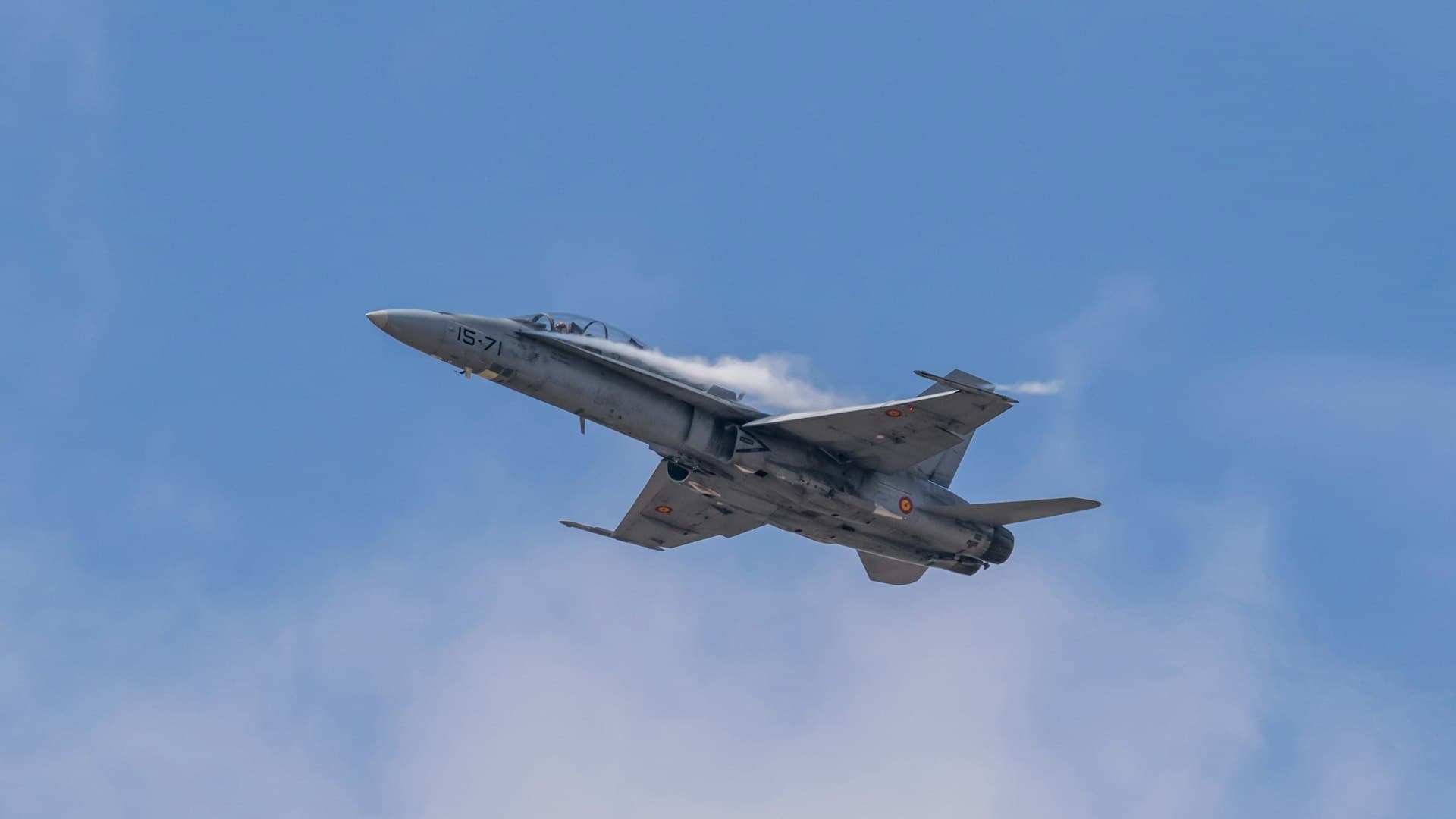
The early 20th century saw an architectural flourishing, with modernist buildings like the Pasaje de Lodares transforming the city center. During the Spanish Civil War (1936–1939), Albacete played a crucial role, serving as the headquarters for the International Brigades and a main airbase for the Republican air force. Today, Albacete continues to evolve, integrating into high-speed rail networks and developing its aviation industry, while proudly preserving its long history and artisanal heritage.
Begin your exploration at the Plaza del Altozano, the central square where much of Albacete's life unfolds. It is surrounded by architecturally significant buildings, including the Old Town Hall and the Bank of Spain building.
A short walk from the Plaza del Altozano, you will discover the Pasaje de Lodares, a modernist commercial gallery built in the early 20th century. With its glass and iron roof, allegorical sculptures, and Renaissance-style columns, it is considered one of Spain's most beautiful covered streets.
No visit to Albacete is complete without delving into its renowned cutlery heritage at the Municipal Cutlery Museum (Museo de la Cuchillería). Housed in the early 20th-century Casa del Hortelano, the museum showcases centuries of knife-making craftsmanship, from ancient tools to modern blades.
The Cathedral of San Juan Bautista is another key landmark, notable for its blend of architectural styles—Gothic, Renaissance, Baroque, and Neo-Gothic—reflecting its 400-year construction period. For a breath of fresh air, head to Abelardo Sánchez Park, the city's 'green lung,' offering fountains, ponds, and sculptures, and home to the Albacete Museum. The Albacete Museum, located within the park, features archaeology, fine arts, and ethnology sections, with a notable collection of Iberian artifacts.
The best times to visit Albacete are during spring (April to June) and autumn (September to October). During these months, temperatures are mild and pleasant, making it ideal for exploring the city on foot. July and August are the hottest months, with average daily highs around 91°F (33°C), which can be less comfortable for sightseeing. If you are interested in festivals, plan your visit for September to experience the internationally renowned Feria de Albacete.
Albacete is a highly walkable city due to its flat terrain, making it easy to explore most attractions on foot. For longer distances or to reach areas outside the city center, a reliable public bus system is available, with 10 urban lines. Consider purchasing a rechargeable 'Bonobús' travel card for more economical fares if you plan frequent bus use. The city also offers an extensive network of bike paths, totaling over 42 km on urban roads and more than 120 km of greenways.
English is not as widely spoken as in larger Spanish tourist destinations, so learning a few basic Spanish phrases will enhance your experience. When purchasing Albacete's celebrated cutlery as souvenirs, remember that security regulations prohibit carrying them in hand luggage on flights or high-speed trains (AVE); they must be in checked luggage or shipped. Albacete is well-connected by motorway, railway (including AVE high-speed trains), and has its own airport (Albacete-Los Llanos Airport) about 6 km south of the city.
- What is Albacete known for?
- Albacete is widely known as the 'cutlery capital of Spain,' with a long history of knife-making dating back to the 16th century. It is also famous for its annual Feria de Albacete, an 11-day festival in September that attracts millions of visitors.
- How do you get around Albacete?
- Albacete is a very walkable city due to its flat landscape. It also has a public bus system with 10 lines and over 42 km of bike paths for getting around.
- What is the Feria de Albacete?
- The Feria de Albacete is an annual festival held from September 7th to 17th, honoring the Virgen de Los Llanos. It is an 11-day celebration of music, dance, food, and parades, declared a Festival of International Tourist Interest.
- What does 'Albacete' mean?
- The name 'Albacete' is derived from the Arabic word 'Al-Basīṭ,' which means 'the flat land' or 'the plain,' accurately describing the city's geographical location.
- Is Albacete a good base for day trips?
- Yes, Albacete's central location in Castilla-La Mancha makes it a convenient base for exploring picturesque nearby villages like Alcalá del Júcar and Alcaraz, as well as natural parks like Lagunas de Ruidera.
- What kind of climate does Albacete have?
- Albacete experiences a cold semi-arid climate with cool, dry winters and hot, dry summers. There is a significant temperature variation throughout the year, with most precipitation occurring in spring and autumn.