Praia dos Pescadores (Fischerstrand)
Dieser lebhafte Strand, der heute ein Paradies für Sonnenanbeter und Feiernde ist, sah einst eine andere Art von anstrengender Aktivität.
Die ganze Geschichte wird in der Tour freigeschaltet
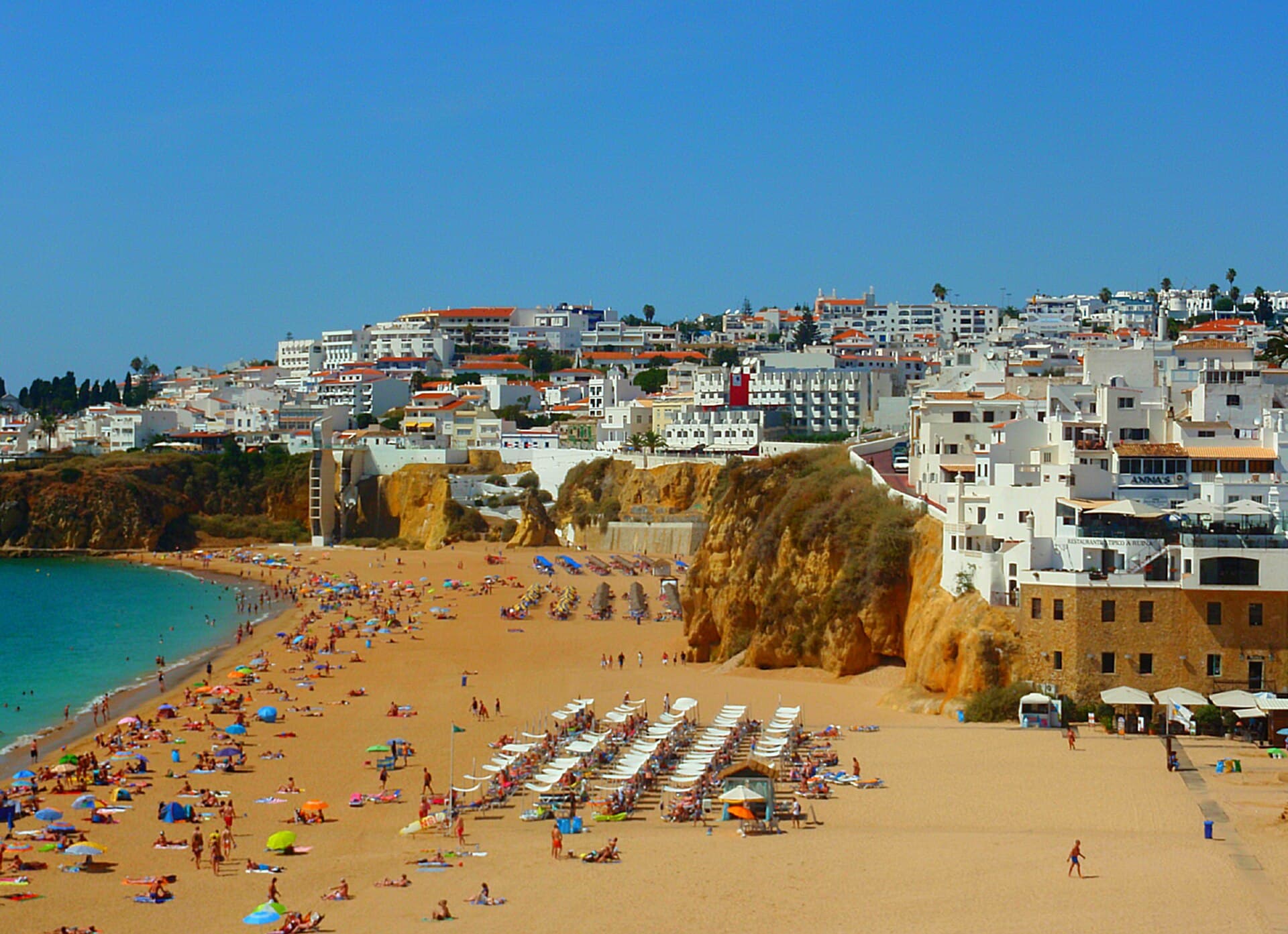 Jose A. / CC BY 2.0, via Wikimedia Commons
Selbstgeführte Audio-Walking-Tour durch Albufeira — GPS-Route, Offline-Wiedergabe, erzählerische Narration in 32 Sprachen.
“Wo sonnenverwöhnte Klippen auf eine geschichtsträchtige Vergangenheit treffen.”
Nicht die Postkarten. Die Geschichten, die selbst Einheimische nicht kennen – dir ins Ohr geflüstert, genau dort, wo sie geschahen.
Dieser lebhafte Strand, der heute ein Paradies für Sonnenanbeter und Feiernde ist, sah einst eine andere Art von anstrengender Aktivität.
Die charmanten, weiß getünchten Häuser und verwinkelten Gassen der Altstadt von Albufeira sind mehr als nur malerisch; ihre Architektur birgt einen Hinweis darauf, wie man einer der bedeutendsten Naturkatastrophen Portugals widerstanden hat.
Eine kurze Reise ins Landesinnere von Albufeira, die Überreste der Burg Paderne sollen ein ätherisches Geheimnis aus ihrer maurischen Zeit bewahren.
Entdecke jedes Geheimnis von Albufeira
Jede Adresse, jede Enthüllung vollständig – in deinem Ohr, genau dort, wo es geschah.
Du wählst deine Stationen. Du gehst. Die Stimme enthüllt, was andere übersehen.

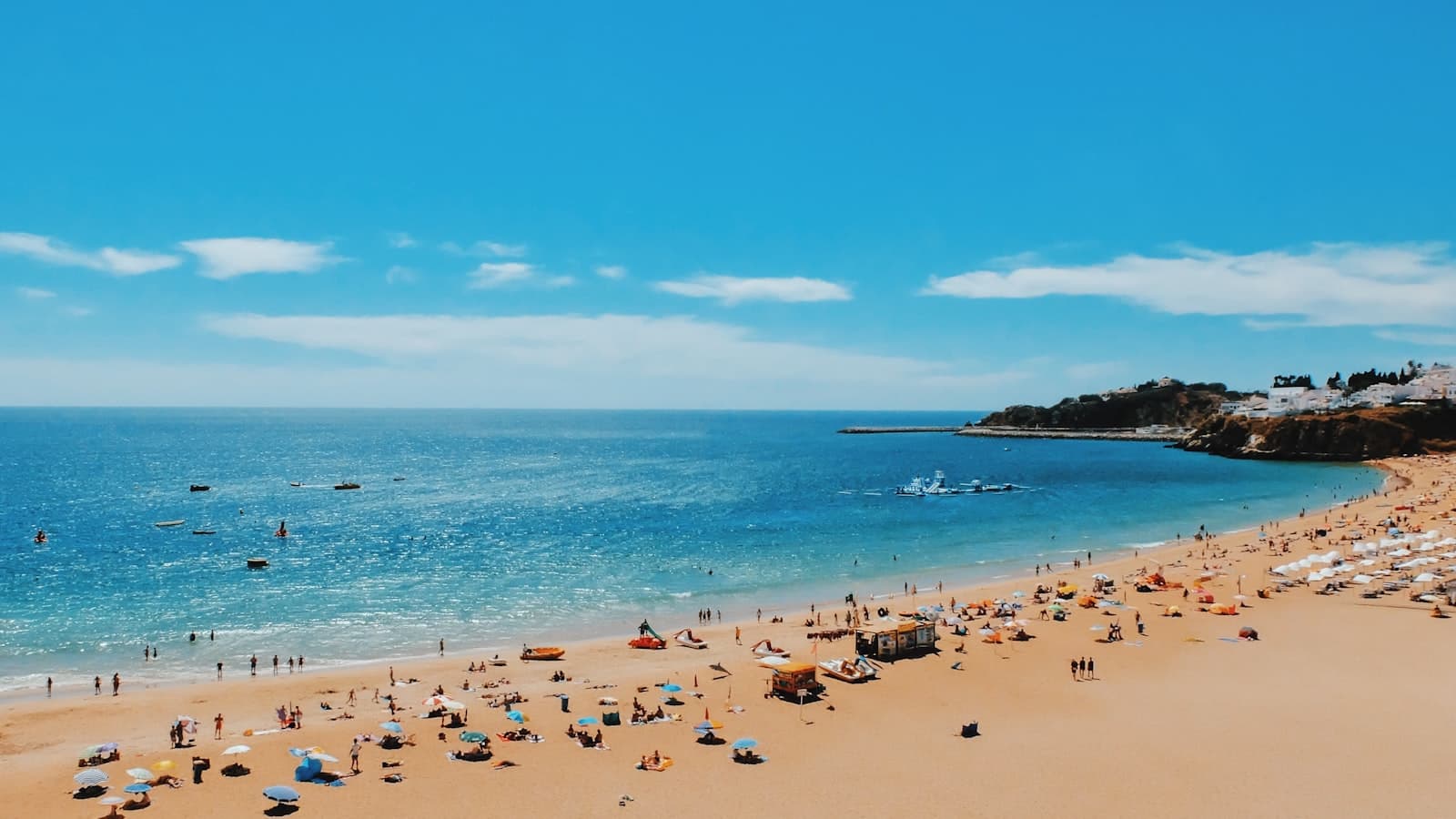
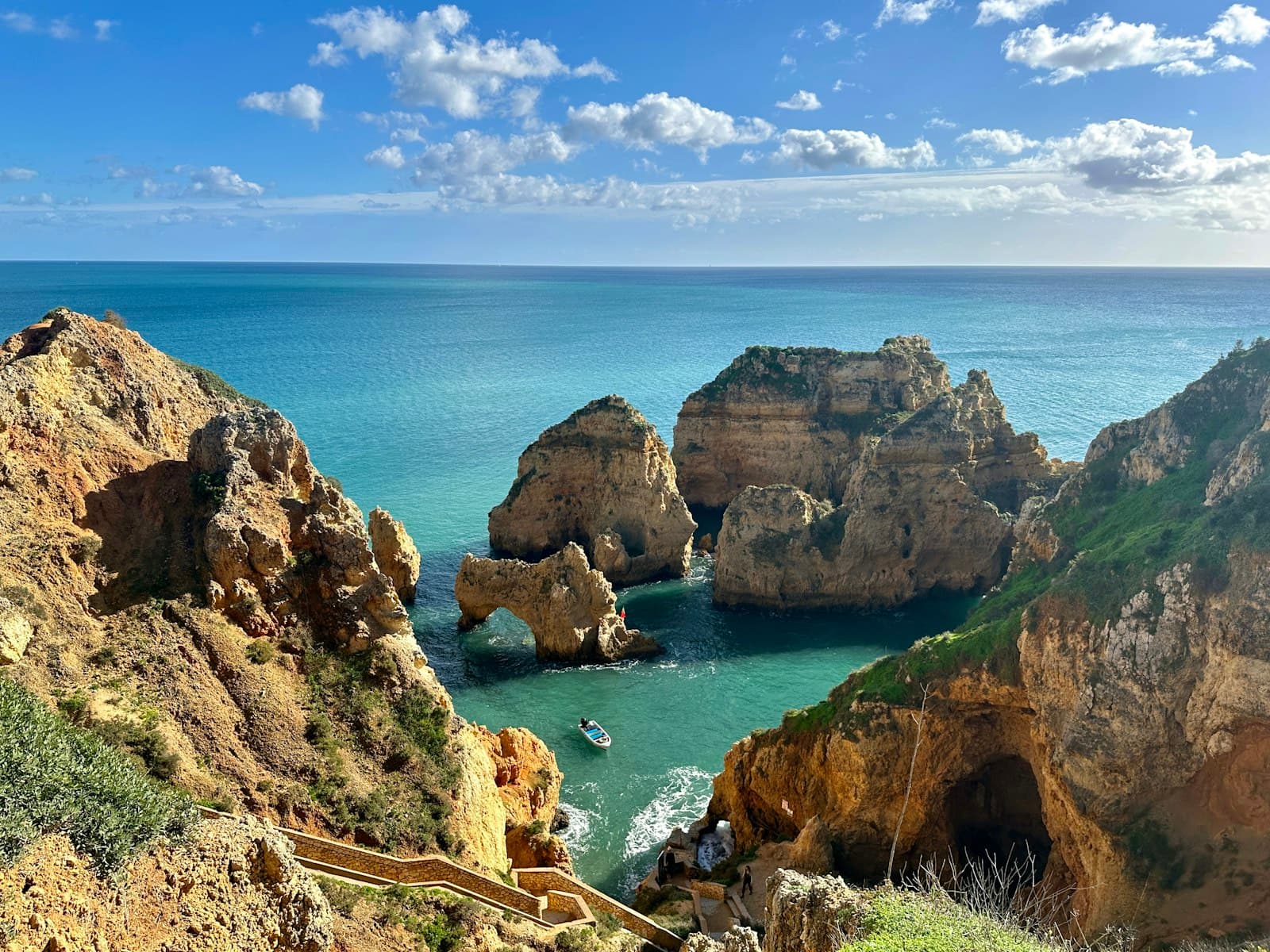
Deine selbstgeführte Audio-Tour durch Albufeira ist bereit – wähle deine Sehenswürdigkeiten, deine Sprache und starte, sobald du ankommst.
KaufenLume enthält einen integrierten Augmented-Reality-Guide. Halten Sie Ihr Handy hoch: Die Kamera zeigt die Straße vor Ihnen, mit einem leuchtenden Pfeil über dem echten Bild, der immer auf Ihren nächsten Stopp zeigt — keine Karte zum Rätseln, keine falschen Abzweigungen. Wie alles bei Lume funktioniert es komplett offline.
Albufeira an der südlichen Algarveküste Portugals ist eine Stadt, in der alte Erzählungen und moderner Freizeitgenuss aufeinandertreffen. Was als römischer Außenposten begann und dann eine bedeutende maurische Siedlung war, hat sich zu einem beliebten Reiseziel entwickelt, das für seine goldenen Strände und seine lebendige Atmosphäre bekannt ist. Der doppelte Charakter der Stadt bietet abwechslungsreiche Erlebnisse: die historische Altstadt mit ihren engen Gassen und traditioneller Architektur sowie die energiegeladene 'Neustadt' oder 'Strip' mit ihrem lebhaften Nachtleben.
Jenseits des geschäftigen Zentrums offenbart Albufeiras Küste dramatische Klippen, Meereshöhlen und weite Sandflächen. Sie dient als zentraler Punkt für die Erkundung der gesamten Algarve-Region und bietet Möglichkeiten für Bootsausflüge, Wassersport und Küstenwanderungen.
Die Ursprünge menschlicher Besiedlung in der Region Albufeira reichen bis in prähistorische Zeiten zurück, wahrscheinlich als maritime Fischergemeinschaft. Die Römer hinterließen als erste einen bedeutenden Eindruck und gründeten eine Siedlung namens Baltum. Unter römischer Herrschaft entwickelte sich die Gegend mit Verwaltungsstrukturen, Landwirtschaft und Handel, wovon Überreste von Aquädukten, Straßen und Brücken zeugen.
Im 8. Jahrhundert eroberten nordafrikanische Mauren die Region und benannten die Stadt in 'Al-Buhera' um, was 'Burg des Meeres' oder 'die Lagune' bedeutet. Über 500 Jahre lang blühte Albufeira als wichtige Handelsstadt mit starken Verbindungen nach Nordafrika und wurde zu einer der letzten maurischen Hochburgen an der Algarve.
Die christliche Rückeroberung Albufeiras fand 1249 unter der Führung von König Afonso III. statt. Lokale Legenden besagen, dass einige Mauren durch die Höhle Gruta do Xorino flohen, ein Ort, der heute noch für Besucher geöffnet ist. Nach der Eroberung integrierte König Afonso III. Albufeira in die portugiesischen und Algarve-Königreiche und übertrug die Ländereien 1250 dem Orden von Avis. Im Jahr 1504 verlieh König Manuel I. Albufeira seine eigene Charta, ein wichtiges Dokument, das das tägliche Leben, den Handel und lokale Verordnungen organisierte.
Albufeira hat im Laufe seiner Geschichte mehrere Naturkatastrophen überstanden. Die zerstörerischste war das Erdbeben von Lissabon im Jahr 1755, das zusammen mit einer anschließenden Flutwelle fast die gesamte Stadt zerstörte und nur 27 Gebäude in Trümmern hinterließ. Der Wiederaufbau war ein langwieriges Unterfangen, das durch anhaltende Nachbeben behindert wurde. Im 19. Jahrhundert belebte die Fischerei die Wirtschaft Albufeiras, gefolgt von der Gründung einer Konservenindustrie.
Mitte des 20. Jahrhunderts markierte eine bedeutende Transformation für Albufeira. Ab den 1960er Jahren wurde die Algarveküste zu einem beliebten Urlaubsziel, und Albufeira erlangte besondere Aufmerksamkeit. Bis 1986 führte seine Expansion zur Ernennung zur Stadt, die über ihren historischen Kern hinauswuchs, um die steigende Zahl von Besuchern aufzunehmen. Heute gilt Albufeira als 'Hauptstadt' des Tourismus an der Algarve und zieht jährlich Millionen von Besuchern an.
Beginnen Sie Ihre Erkundung in Albufeiras Altstadt, einem Labyrinth aus engen, gepflasterten Gassen, gesäumt von weiß getünchten Gebäuden und traditionellen Geschäften, Restaurants und Cafés. Der Hauptplatz, Largo Engenheiro Duarte Pacheco, ist ein lebendiges Zentrum, besonders abends mit Straßenkünstlern und Live-Musik. Hier können Sie auch den markanten Uhrturm sehen, eines der wenigen Bauwerke, das das Erdbeben von 1755 überstanden hat.
Nur einen kurzen Spaziergang von der Altstadt entfernt liegt Praia dos Pescadores, der Fischerstrand, eine breite Sandfläche, die sich ideal zum Schwimmen und Sonnenbaden eignet. Für weite Ausblicke auf die Küste besuchen Sie den Aussichtspunkt Miradouro do Pau da Bandeira, der über eine Außenrolltreppe erreichbar ist. Das Städtische Archäologische Museum beherbergt Artefakte aus der römischen und maurischen Zeit der Region und bietet einen Einblick in Albufeiras tiefe Vergangenheit.
Für eine Abwechslung sorgt der Albufeira Yachthafen mit seinen bunten Gebäuden, der eine Reihe von Ausflügen anbietet, von Delfinbeobachtungen und Hochseefischerei bis hin zu Bootsfahrten zu den berühmten Benagil-Höhlen und anderen Meereshöhlen entlang der Algarveküste.
Albufeira hat ein mediterranes Klima mit warmen, trockenen Sommern und milden Wintern. Die günstigste Zeit für angenehmes Wetter und weniger Menschen ist das späte Frühjahr (Mai-Juni) oder der frühe Herbst (September-Oktober). In diesen Monaten sind die Temperaturen angenehm, im Frühjahr von 17°C bis 23°C und im frühen Herbst von 22°C bis 28°C, und das Meer ist warm genug zum Schwimmen. Juli und August sind die geschäftigsten Monate mit Temperaturen von 24°C bis 30°C, ideal für reine Strandurlaube, obwohl die Stadt dann am vollsten ist. Die Wintermonate (November-März) sind milder und ruhiger, mit etwas Regen, aber viele Einrichtungen bleiben geöffnet, was sie zu einer guten Option für einen entspannten Küstenurlaub macht.
Albufeira ist gut erreichbar, der Flughafen Faro (FAO) ist der nächstgelegene größere Flughafen, etwa 40 Autominuten entfernt. Das öffentliche Verkehrsnetz der Stadt, die GIRO-Stadtbusse, verbindet verschiedene Gebiete, einschließlich der Altstadt, und ein Touristenzug verkehrt ebenfalls. Taxis und Fahrdienste sind weit verbreitet. Während die Altstadt zu Fuß erkundbar ist, kann die Erkundung der weiteren Umgebung oder das Erreichen einiger abgelegenerer Strände ein Auto oder Taxi erfordern.
Die Amtssprache ist Portugiesisch, aber in Touristengebieten wird häufig Englisch gesprochen. Die lokale Währung ist der Euro (€). Portugal gilt als eines der sichersten Länder der Welt, wobei Gewaltverbrechen selten sind, obwohl in belebten Touristensaisons kleinere Delikte vorkommen können. Für diejenigen, die über die Stadt hinaus erkunden möchten, ist Albufeira ein ausgezeichneter Ausgangspunkt für Tagesausflüge in nahegelegene Städte wie Silves, Faro und Loulé.
Albufeira — Koreanisch, Chinesisch, Hebräisch und 29 weitere Sprachen, jede Station von einer muttersprachlichen Stimme erzählt. Die größte Sprachauswahl aller selbstgeführten Audiotouren.
Verfügbar auf: