Corral de Comedias
Dit theater heeft meer drama buiten het podium gezien dan erop.
Volledig verhaal ontgrendeld in de tour
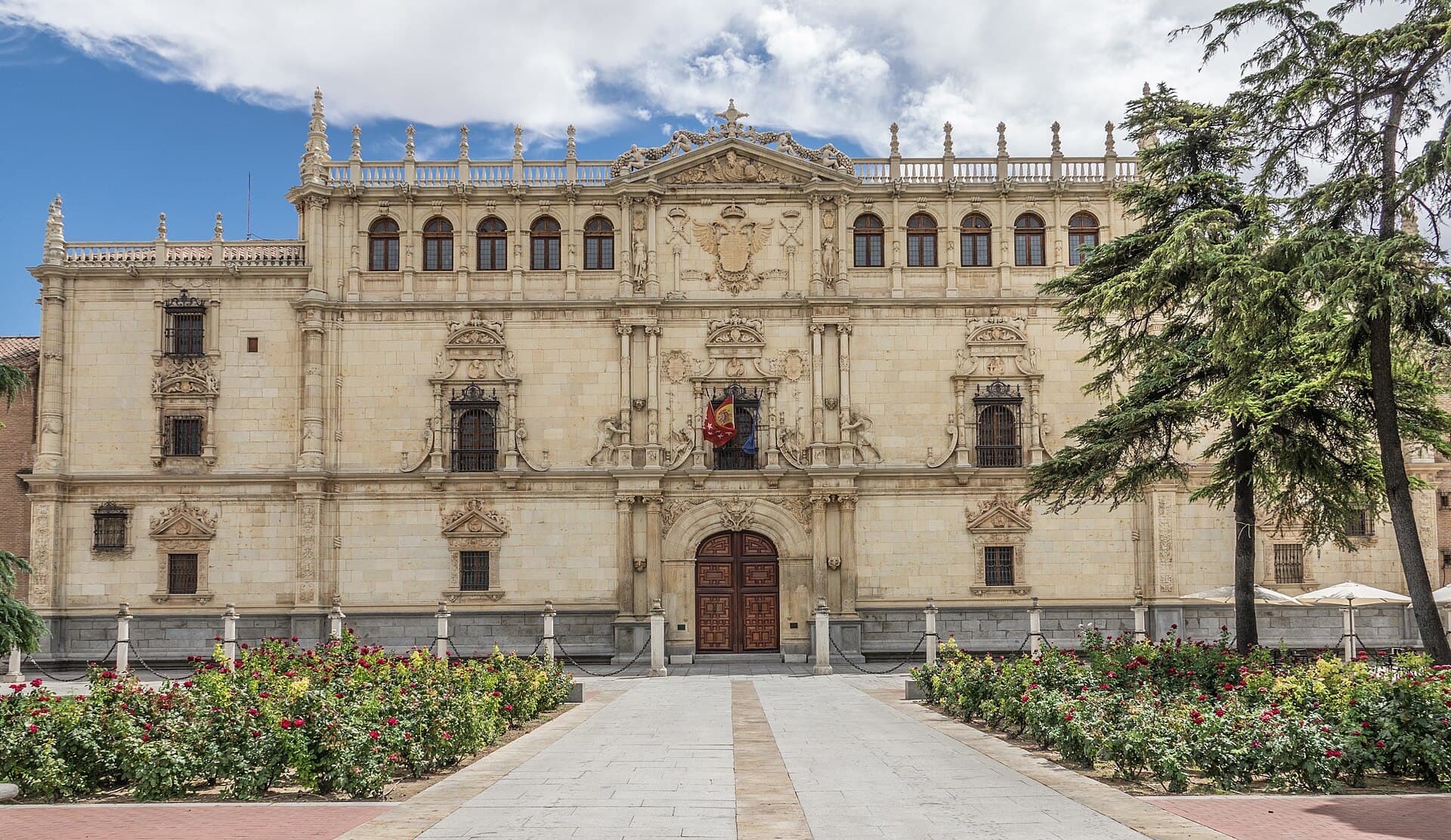 FDV / cc by-sa 4.0, via Wikimedia Commons
Zelfgeleide audiowandeling door Alcalá de Henares — GPS-route, offline afspelen, meeslepende vertelling in 32 talen.
“Waar Cervantes wandelde en geleerden leerden, een stad vol verhalen geëtst in steen.”
Niet de ansichtkaarten. De verhalen die zelfs locals niet kennen — gefluisterd in je oor, precies waar ze gebeurden.
Dit theater heeft meer drama buiten het podium gezien dan erop.
Een cruciale ontmoeting hier veranderde de loop van de wereldwijde ontdekkingstochten.
Sommige kolommen langs de hoofdstraat herbergen een vervaagd geheim uit feestelijke dagen van weleer.
Ontdek elk geheim van Alcalá de Henares
Elk adres, elke onthulling volledig — in je oor, precies waar het gebeurde.
Jij kiest je stops. Jij wandelt. De stem onthult wat de anderen missen.

Je zelfgeleide audiotour van Alcalá de Henares is klaar — kies je bezienswaardigheden, kies je taal en start zodra je aankomt.
KopenLume heeft een ingebouwde augmented-reality-gids. Houd je telefoon omhoog: de camera toont de straat voor je, met een oplichtende pijl over het echte beeld die altijd naar je volgende stop wijst — geen kaart om uit te puzzelen, geen verkeerde afslagen. Zoals alles in Lume werkt het volledig offline.
Alcalá de Henares, erkend als UNESCO Werelderfgoed, is een stad waar geschiedenis ademt, gelegen op slechts 30 kilometer ten noordoosten van Madrid. Gevierd als de geboorteplaats van Miguel de Cervantes, de auteur van Don Quixote, presenteert de historische kern van de stad een boeiende mix van middeleeuwse allure en renaissancepracht.
Deze stad is meer dan een literair monument; het was de eerste geplande universiteitsstad ter wereld, een baanbrekende academische visie bedacht in de late 15e eeuw. De goed onderhouden architectuur, van de arcadische Calle Mayor tot de imposante Universiteit van Alcalá, nodigt uit tot diepgaande verkenning. Of u nu aangetrokken wordt door historische verhalen, literaire nalatenschappen, of simpelweg op zoek bent naar een onderscheidende Spaanse ervaring, Alcalá de Henares biedt een reis door eeuwen van intellectueel en cultureel erfgoed.
De oorsprong van Alcalá de Henares reikt terug tot een Romeinse nederzetting, bekend als Complutum, opgericht in het midden van de 1e eeuw op de rechteroever van de Henares-rivier. Dit was een opmerkelijk Romeins centrum op het Iberisch schiereiland. Na de Romeinen arriveerden de Moren in 850 en bouwden het fort A-Qalát de Nahar, wat de stad haar huidige naam gaf.
Tijdens de Middeleeuwen was Alcalá de Henares een versterkte stad waar Joodse, Moorse en christelijke gemeenschappen naast elkaar leefden, elk met hun eigen distinctieve wijken. In de 13e eeuw werd het een heerlijk landgoed van de aartsbisschoppen van Toledo, die een cruciale rol speelden in de ontwikkeling ervan en toezicht hielden op de bouw van het Aartsbisschoppelijk Paleis. Koning Sancho IV van Castilië verleende in 1293 toestemming voor de oprichting van een Studium Generale (Algemene Studies), wat de eerste stap van de stad markeerde op weg om een universiteitsstad te worden.
De grootste periode van de stad begon met kardinaal Cisneros, die in 1499 de Complutense Universiteit stichtte. Deze instelling was bedoeld als de eerste geplande universiteitsstad ter wereld, ontworpen als een zelfstandige academische gemeenschap, compleet met colleges, residenties, ziekenhuizen en zelfs een eigen juridisch kader. De Universiteit van Alcalá werd een toonaangevend centrum van academische excellentie in de 16e en 17e eeuw, en diende als model voor nieuwe universiteiten in Spaans Amerika en een primair centrum van renaissancehumanisme. Vooraanstaande geleerden en figuren zoals Sint Ignatius van Loyola, Lope de Vega en Francisco de Quevedo studeerden en doceerden er.
In 1836 werd de universiteit verplaatst naar Madrid en evolueerde tot de moderne Complutense Universiteit van Madrid. Na een periode van verval werd de Universiteit van Alcalá in 1977 heropgericht, en haar historische kern, samen met het universiteitscomplex, werd in 1998 aangewezen als UNESCO Werelderfgoed, als erkenning van haar unieke historische en culturele belang.
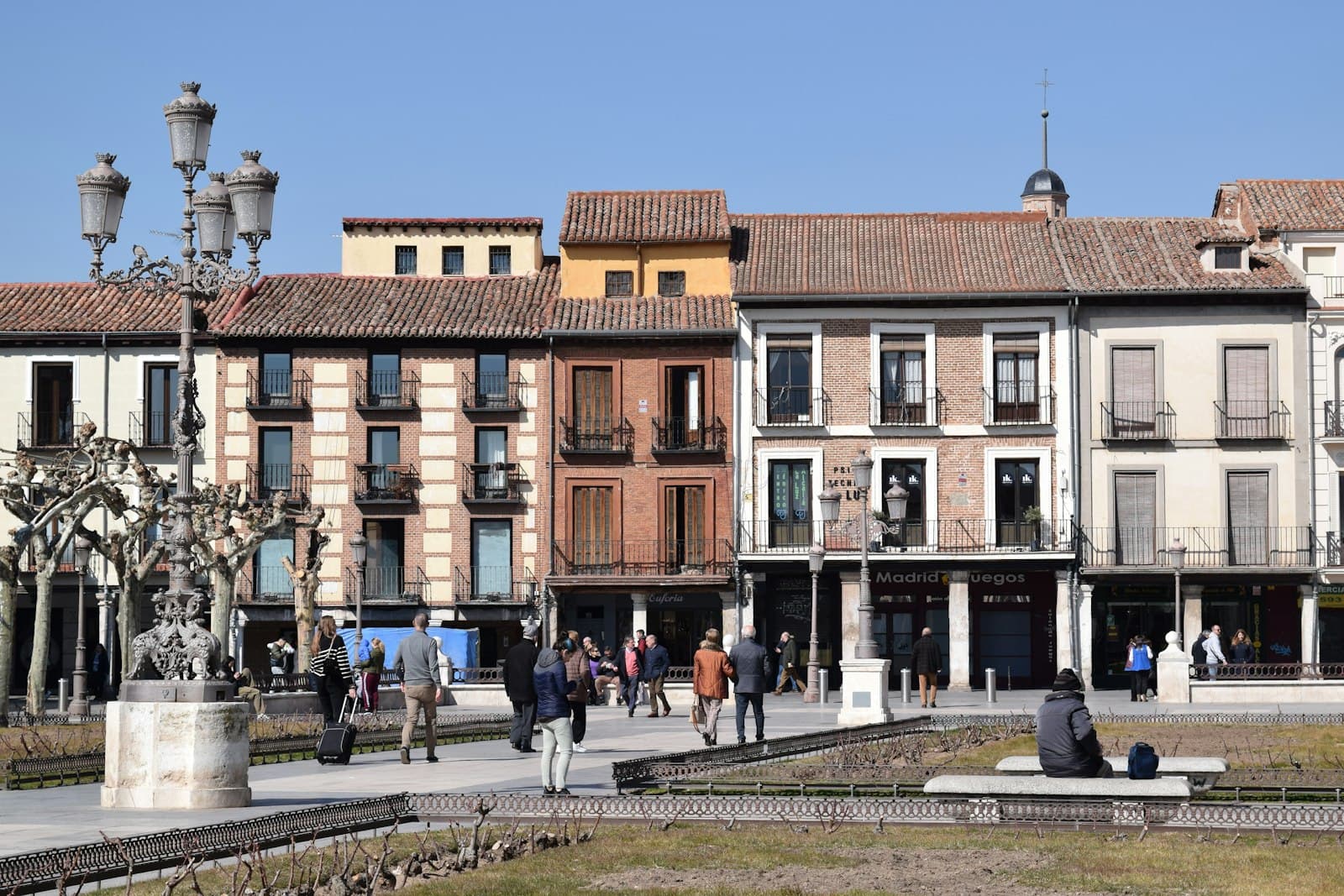
Begin uw verkenning op de Plaza de Cervantes, het levendige centrale plein van de stad, met een standbeeld ter ere van haar meest gevierde zoon. Vanaf hier wandelt u langs de Calle Mayor, de langste arcadische straat van Spanje, bekleed met uitnodigende winkels en historische gebouwen.
Het Geboortemuseum van Cervantes biedt een kijkje in het 16e-eeuwse leven en de wereld van Miguel de Cervantes, met gereconstrueerde kamers en een collectie edities van Don Quixote. Vlakbij, in de Capilla del Oidor, bevindt zich de doopvont waar Cervantes werd gedoopt.
Geen bezoek is compleet zonder een verkenning van de Universiteit van Alcalá, met name het Colegio Mayor de San Ildefonso. Bewonder de Platereske gevel en ga naar binnen om de binnenplaatsen en de iconische Paraninfo (Grote Zaal) te zien, waar de Koning en Koningin van Spanje de Cervantesprijs voor Literatuur uitreiken. De Magistrale Kathedraal van Sint Justo en Pastor is een van de slechts twee kerken ter wereld met de titel "Magistraal", wat betekent dat al haar kanunniken universitair docenten moeten zijn. U kunt ook het Aartsbisschoppelijk Paleis bezoeken, een historisch fort uit 1209, dat belangrijke historische gebeurtenissen heeft meegemaakt.
Voor degenen met meer tijd, overweeg de ruïnes van de Romeinse Stad Complutum en het Regionaal Archeologisch en Paleontologisch Museum van Madrid (MARPA) om u te verdiepen in het oude verleden van de regio. De Corral de Comedias, het oudste bewaard gebleven openluchttheater van Europa, biedt een unieke kans om een voorstelling in een historische setting mee te maken.
Begin uw verkenning op de Plaza de Cervantes, het levendige centrale plein van de stad, met een standbeeld ter ere van haar meest gevierde zoon. Vanaf hier wandelt u langs de Calle Mayor, de langste arcadische straat van Spanje, bekleed met uitnodigende winkels en historische gebouwen.
Het Geboortemuseum van Cervantes biedt een kijkje in het 16e-eeuwse leven en de wereld van Miguel de Cervantes, met gereconstrueerde kamers en een collectie edities van Don Quixote. Vlakbij, in de Capilla del Oidor, bevindt zich de doopvont waar Cervantes werd gedoopt.
Geen bezoek is compleet zonder een verkenning van de Universiteit van Alcalá, met name het Colegio Mayor de San Ildefonso. Bewonder de Platereske gevel en ga naar binnen om de binnenplaatsen en de iconische Paraninfo (Grote Zaal) te zien, waar de Koning en Koningin van Spanje de Cervantesprijs voor Literatuur uitreiken. De Magistrale Kathedraal van Sint Justo en Pastor is een van de slechts twee kerken ter wereld met de titel "Magistraal", wat betekent dat al haar kanunniken universitair docenten moeten zijn. U kunt ook het Aartsbisschoppelijk Paleis bezoeken, een historisch fort uit 1209, dat belangrijke historische gebeurtenissen heeft meegemaakt.
Voor degenen met meer tijd, overweeg de ruïnes van de Romeinse Stad Complutum en het Regionaal Archeologisch en Paleontologisch Museum van Madrid (MARPA) om u te verdiepen in het oude verleden van de regio. De Corral de Comedias, het oudste bewaard gebleven openluchttheater van Europa, biedt een unieke kans om een voorstelling in een historische setting mee te maken.
Alcalá de Henares kan het beste bezocht worden in de lente (april tot juni) en de herfst (september tot oktober). Deze seizoenen bieden milde temperaturen, over het algemeen variërend van 18°C tot 27°C, wat comfortabel is voor wandelen en buitenactiviteiten. De lente brengt bloeiende tuinen, terwijl de herfst de actieve Semana Cervantina (Cervantes Week) in oktober organiseert, een festival ter ere van Cervantes met middeleeuwse markten en culturele evenementen. Zomers (juli en augustus) zijn heet en droog, met dagelijkse maxima die vaak boven de 33°C uitkomen, terwijl winters (november tot maart) koel zijn, met gemiddelde dagtemperaturen rond de 10-13°C.
Alcalá de Henares is gemakkelijk bereikbaar vanuit Madrid, op ongeveer 30-40 minuten afstand. U kunt er met de auto komen via de A-2 snelweg, of met openbaar vervoer met stoptreinen (Cercanías lijnen C2 en C7) of intercitybussen vanaf Madrid's Avenida de América. De historische kern van de stad is voetgangersvriendelijk, waardoor het ideaal is om te voet te verkennen. Comfortabele schoenen zijn essentieel voor het navigeren over de stenen straten. Hoewel er enige fietsinfrastructuur is, kan de stad het beste te voet worden ervaren. Openbare toiletten zijn over het algemeen toegankelijk in de hele stad. Spanje gebruikt Type F stopcontacten voor elektrische apparaten. Het is raadzaam om een geldig identiteitsbewijs bij u te dragen.
Alcalá de Henares — Koreaans, Chinees, Hebreeuws en nog 29 talen, elke stop verteld door een moedertaalspreker. Het grootste taalaanbod van alle zelfgeleide audiotours.
Beschikbaar in: