Cittadella di Alessandria
Esta formidável fortaleza em forma de estrela, um símbolo de força militar, esconde um detalhe sobre sua construção que fala sobre as alianças em constante mudança da região.
História completa desbloqueada no tour
 Lampofinale / CC BY-SA 4.0, via Wikimedia Commons
Tour de áudio autoguiado por Alessandria — rota GPS a pé, reprodução offline, narração envolvente em 32 idiomas.
“Onde os ecos do passado encontram a engenhosidade da Itália moderna.”
Não os postais. As histórias que nem os locais conhecem — sussurradas ao seu ouvido, exatamente onde aconteceram.
Esta formidável fortaleza em forma de estrela, um símbolo de força militar, esconde um detalhe sobre sua construção que fala sobre as alianças em constante mudança da região.
A Piazza della Libertà, o coração cívico de Alessandria, viu sua característica central drasticamente remodelada por uma figura histórica conhecida por suas amplas transformações pela Europa.
O mundialmente celebrado chapéu Borsalino, um emblema da arte italiana, possui uma conexão surpreendente com luminárias de Hollywood e até mesmo um filme notável.
Descubra cada segredo de Alessandria
Cada endereço, cada revelação na íntegra — no seu ouvido, exatamente onde aconteceu.
Você escolhe as suas paragens. Você caminha. A voz revela o que os outros perdem.

O seu tour áudio autoguiado de Alessandria está pronto — escolha os seus pontos de interesse, selecione o seu idioma e comece no momento em que chegar.
ComprarA Lume inclui um guia de realidade aumentada. Levante o telemóvel: a câmara mostra a rua à sua frente, com uma seta luminosa sobreposta à imagem real que aponta sempre para a sua próxima paragem — sem mapa para decifrar, sem voltas erradas. Como tudo na Lume, funciona totalmente offline.
Alessandria, uma cidade na região italiana do Piemonte, ocupa uma posição estratégica entre os rios Tanaro e Bormida. Com uma população de aproximadamente 93.000 habitantes, é a terceira maior cidade do Piemonte. Reconhecida por sua importância histórica e contribuições industriais, Alessandria serve como um centro agrícola e logístico fundamental no noroeste da Itália. As origens da cidade remontam a 1168, quando foi estabelecida como um reduto da Liga Lombarda contra Frederico Barbarroxa.
Embora muitas vezes menos explorada por viajantes do que outros destinos italianos, Alessandria oferece uma mistura cativante de história, arquitetura e cultura local. É uma cidade que gradualmente revela seu caráter para aqueles que nela permanecem, desde sua impressionante fortaleza do século XVIII até seus elegantes palácios barrocos. Alessandria também é conhecida por sua associação com a estimada empresa de chapéus Borsalino e sua proximidade com o local da Batalha de Marengo de Napoleão.
O lema da cidade, "Deprimit elatos, levat Alexandria stratos" (Alessandria humilha os orgulhosos e exalta os humildes), sugere seu espírito resiliente e passado profundo. Os visitantes podem passear por seu centro histórico amigável para pedestres, descobrir especialidades culinárias locais e experimentar um autêntico estilo de vida italiano longe das rotas turísticas mais movimentadas.
A narrativa de Alessandria começa em 1168, quando foi fundada como cidade livre, inicialmente chamada Civitas Nova, depois Cesaria, antes de ser renomeada em homenagem ao Papa Alexandre III. Seu estabelecimento foi uma manobra estratégica da Liga Lombarda para forjar um baluarte defensivo contra o Sacro Imperador Romano Frederico I, conhecido como Frederico Barbarroxa. Essa importância estratégica foi rapidamente testada, pois a cidade repeliu com sucesso um ataque de Barbarroxa entre 1174 e 1175.
Ao longo do século XIII, Alessandria experimentou um florescimento econômico, levando à construção de estruturas notáveis como o Palazzo del Pretorio, hoje conhecido como Palatium Vetus. O governo da cidade passou por várias famílias influentes, incluindo os Visconti e os Sforza, tornando-se eventualmente integrada ao Ducado de Milão. Em 1535, Alessandria, juntamente com Milão, passou para o domínio espanhol, que persistiu até 1706. Apesar dos desafios administrativos, este período viu a cidade evoluir como um centro comercial e base militar.
Em 1706, as forças Saboianas expulsaram os espanhóis e, pelo Tratado de Utrecht em 1713, Alessandria tornou-se formalmente parte do Reino de Saboia. Isso inaugurou uma era de significativa reconstrução e prosperidade, notavelmente com o nivelamento do antigo centro da cidade e a construção da Cittadella hexagonal, iniciada em 1728. Esta fortaleza monumental, concebida por Ignazio Bertola, é considerada uma das maiores edificações militares da Europa em seu gênero.
O final do século XVIII e o início do século XIX trouxeram mais transformações sob Napoleão. Após seu triunfo na Batalha de Marengo em 1800, Alessandria foi absorvida pela França e serviu como capital do Departamento Napoleônico de Marengo. A cidade foi um ponto focal do movimento de liberdade do início do século XIX no Piemonte e desempenhou um papel no Risorgimento italiano, com a primeira exibição de uma bandeira tricolor em 1821.
Após a derrota de Napoleão, Alessandria caiu brevemente para os austríacos antes de retornar à Casa de Saboia e se tornar parte do Reino da Sardenha. Após a unificação da Itália, Alessandria tornou-se capital provincial, continuando sua expansão industrial. O final do século XIX testemunhou a demolição de muralhas e favelas da cidade, e a ascensão de indústrias como a fábrica de chapéus Borsalino. A cidade também enfrentou adversidades, incluindo danos substanciais de bombardeios aliados durante a Segunda Guerra Mundial devido aos seus pátios ferroviários estratégicos e uma grande inundação do rio Tanaro em 1994.
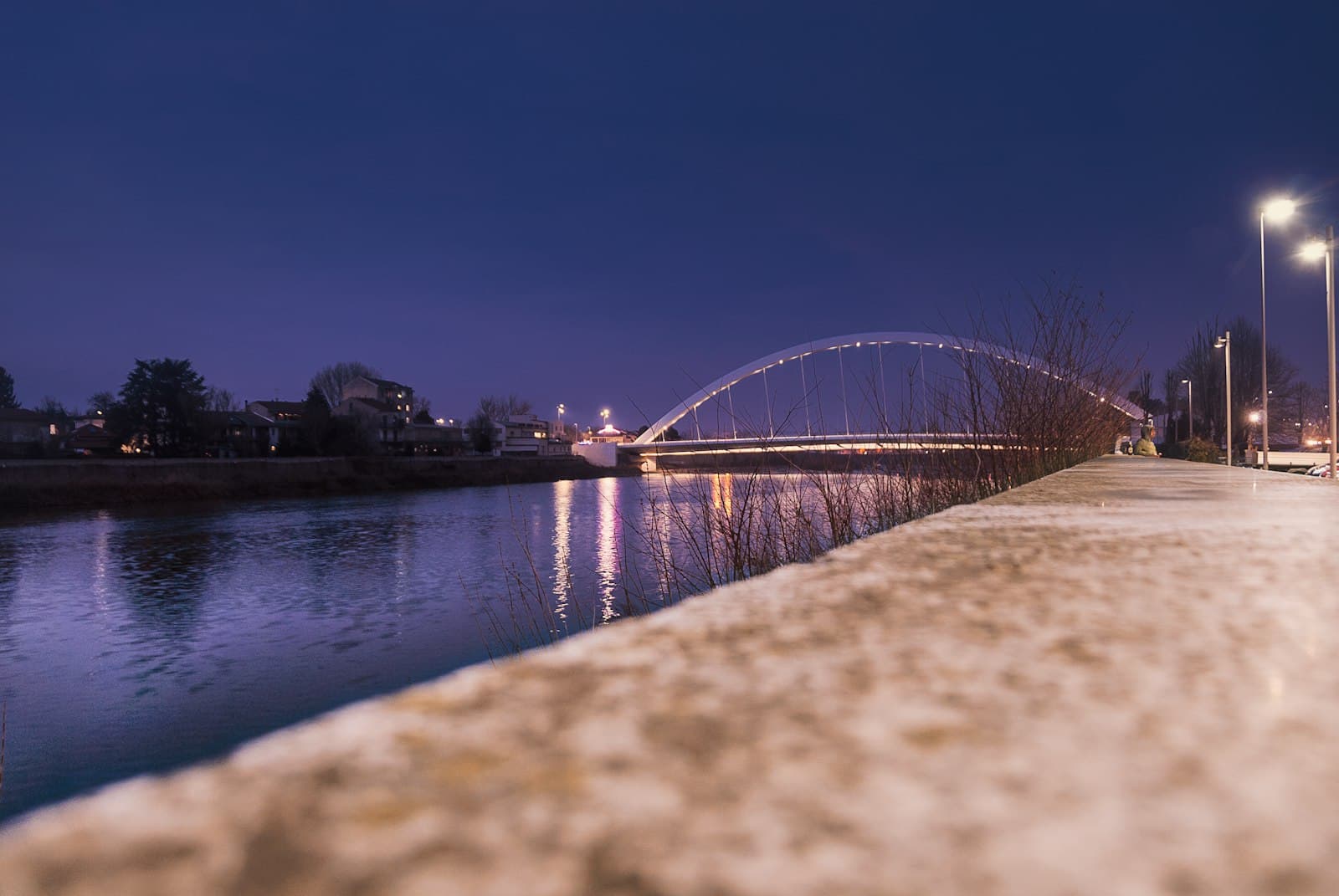
Comece sua exploração na Cittadella di Alessandria, uma imensa fortaleza em forma de estrela do século XVIII. Ela se destaca como um notável exemplo de arquitetura militar, com muralhas, portões e terrenos abertos para exploração, e até oferece passeios subterrâneos. Conectando o centro da cidade à Cittadella está a Ponte Meier, uma ponte moderna projetada pelo arquiteto americano Richard Meier, que substituiu uma estrutura da era napoleônica.
No centro da cidade, a Piazza della Libertà é a praça principal de Alessandria, cercada por edifícios elegantes, incluindo a prefeitura e o Palazzo Ghilini, um palácio barroco do século XVIII. A Catedral de Alessandria, reconstruída após a destruição da original por Napoleão, apresenta uma torre que é a segunda mais alta da Itália. Perto dali, o Palazzo Cuttica abriga o Conservatório de Alessandria.
Para um vislumbre da indústria e moda local, visite o Museu Borsalino, que narra a história da famosa marca de chapéus com uma coleção de mais de 2000 peças de vestuário para a cabeça. Se o museu estiver fechado para reforma, a loja Borsalino na Galleria Guerci oferece uma oportunidade de ver e adquirir esses chapéus icônicos. O Museu Marengo comemora a vitória de Napoleão na Batalha de Marengo em 1800.
Além do centro da cidade, considere uma visita ao Cemitério de Alessandria, notável por sua escultura monumental e pelo contraste entre suas seções mais antigas e mais novas. A Santa Maria di Castello e Claustro é a igreja mais antiga do bairro Borgo Rovereto, datada do século XV, com um claustro adjacente que agora serve como albergue.
As épocas mais agradáveis para visitar Alessandria são durante a primavera (abril a junho) e o início do outono (setembro a outubro). Nesses meses, o clima é ameno e agradável, criando condições ideais para explorar locais históricos e desfrutar de atividades ao ar livre. A primavera traz flores desabrochando e mercados ao ar livre, enquanto o início do outono oferece festivais de colheita e degustações de vinho com menos multidões. Os verões (julho a agosto) podem ser quentes e úmidos, com temperaturas ocasionalmente ultrapassando os 30°C. Os invernos (dezembro a fevereiro) são mais frios e frequentemente úmidos, mas podem possuir um charme particular para aqueles que preferem ruas mais tranquilas e mercados de Natal festivos.
Alessandria é bem servida por trem, com conexões frequentes de grandes cidades como Milão, Turim e Gênova. A estação central de trem da cidade está localizada na Piazzale Curiel, 8. Para viagens aéreas, os aeroportos mais próximos são Turim Caselle, Milão Malpensa e Linate, de onde você pode pegar um trem ou alugar um carro para chegar a Alessandria. A cidade também é acessível de carro pelas autoestradas A21/E70 e A26/E25.
Dentro de Alessandria, o centro histórico é propício para caminhadas, tornando a exploração a pé ou de bicicleta excelentes opções para se locomover. Serviços de ônibus locais são fornecidos pela ATM, com bilhetes disponíveis em pontos de venda por 1,30 Euro ou diretamente no ônibus por 2,00 Euro. O escritório de turismo I.A.T. (Informazioni e Accoglienza Turistica) está localizado sob a arcada do Palazzo Comunale na Piazza della Libertà. Embora o italiano seja a língua local, muitas pessoas no setor de turismo falam inglês. Alessandria oferece várias opções de acomodação, e reservar com antecedência é aconselhável, especialmente durante as altas temporadas.
Alessandria — coreano, chinês, hebraico e mais 29 idiomas, cada parada narrada por uma voz nativa. A maior variedade de idiomas entre os passeios de áudio autoguiados.
Disponível em: