Katakomben von Kom el-Schukafa
Man könnte annehmen, dass diese kunstvollen Gräber von Anfang an sorgfältig geplant wurden.
Die ganze Geschichte wird in der Tour freigeschaltet
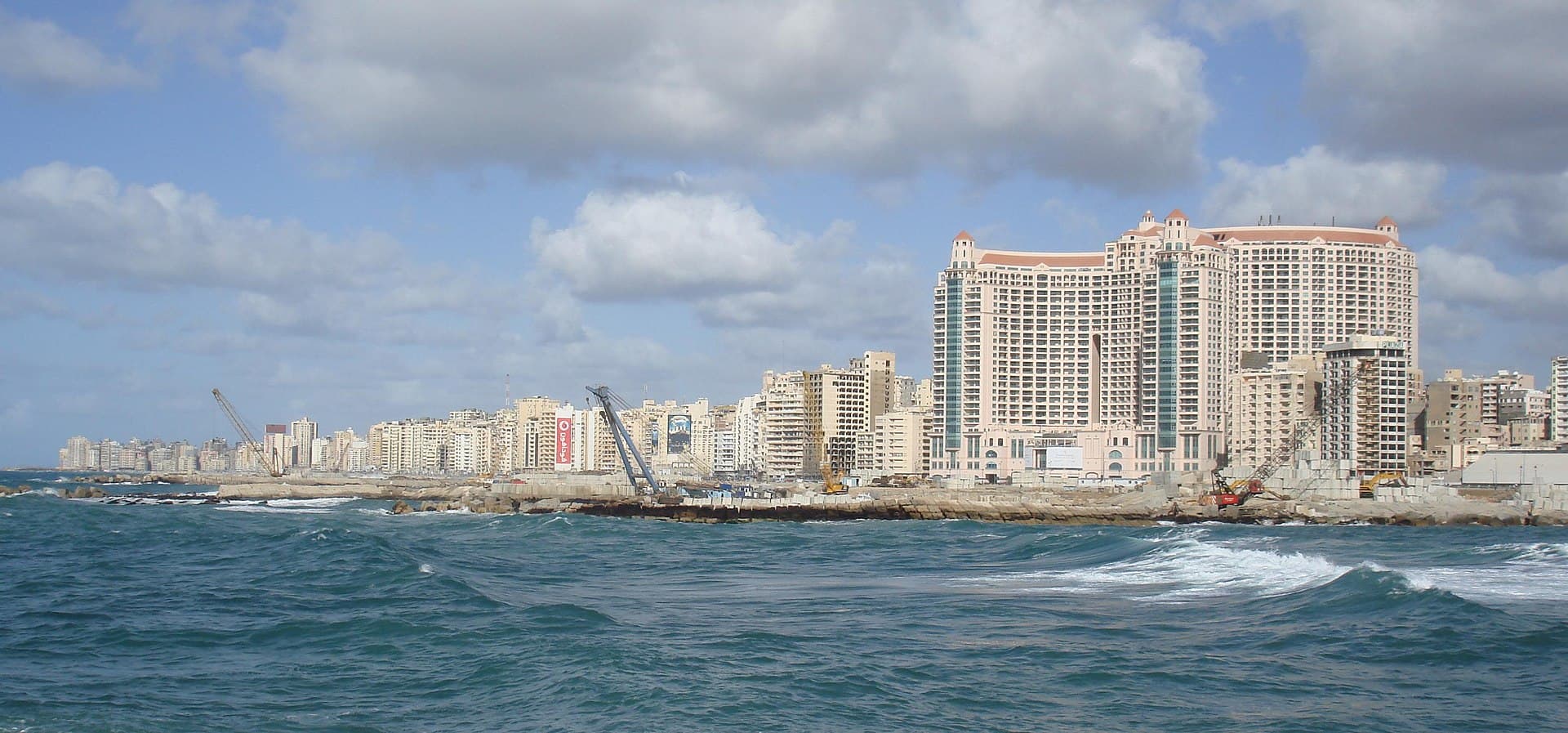 TheEgyptian / CC BY-SA 3.0, via Wikimedia Commons
Selbstgeführte Audio-Walking-Tour durch Alexandria — GPS-Route, Offline-Wiedergabe, erzählerische Narration in 32 Sprachen.
“Wo alte Echos auf die mediterrane Brise treffen.”
Nicht die Postkarten. Die Geschichten, die selbst Einheimische nicht kennen – dir ins Ohr geflüstert, genau dort, wo sie geschahen.
Man könnte annehmen, dass diese kunstvollen Gräber von Anfang an sorgfältig geplant wurden.
Der Name dieses hoch aufragenden römischen Monuments ist eine historische Irreführung.
Die legendäre Große Bibliothek von Alexandria war einst die größte Wissenssammlung der Welt.
Entdecke jedes Geheimnis von Alexandria
Jede Adresse, jede Enthüllung vollständig – in deinem Ohr, genau dort, wo es geschah.
Du wählst deine Stationen. Du gehst. Die Stimme enthüllt, was andere übersehen.
Lume enthält einen integrierten Augmented-Reality-Guide. Halten Sie Ihr Handy hoch: Die Kamera zeigt die Straße vor Ihnen, mit einem leuchtenden Pfeil über dem echten Bild, der immer auf Ihren nächsten Stopp zeigt — keine Karte zum Rätseln, keine falschen Abzweigungen. Wie alles bei Lume funktioniert es komplett offline.
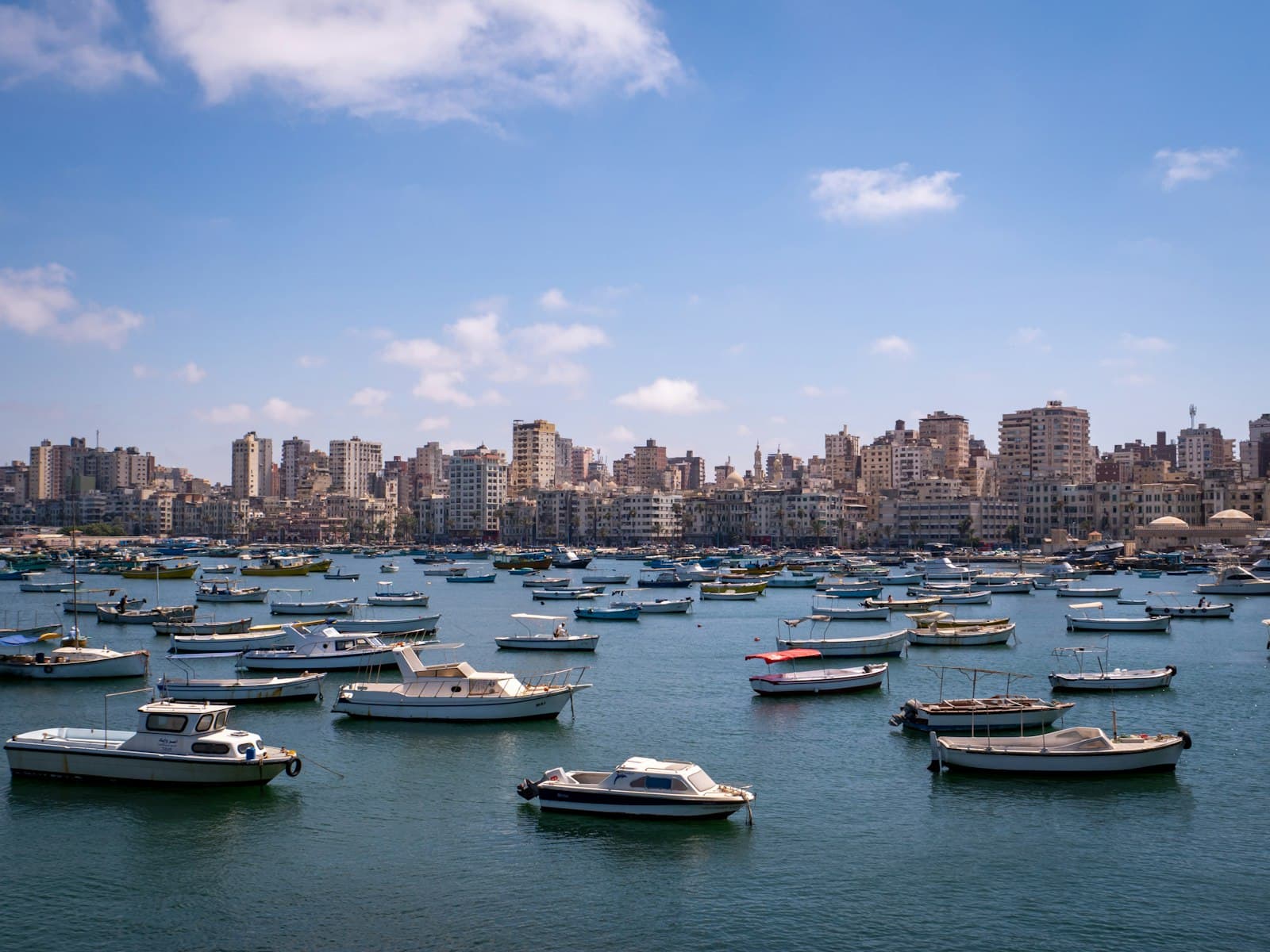
Alexandria, Ägyptens zweitgrößte Stadt, erstreckt sich entlang der Mittelmeerküste und bietet eine Atmosphäre, die sich von den älteren, weiter im Landesinneren gelegenen Stätten des Landes unterscheidet. Gegründet von Alexander dem Großen im Jahr 331 v. Chr., war sie einst ein Leuchtfeuer hellenistischer Kultur und Gelehrsamkeit, Heimat der Großen Bibliothek und des Leuchtturms von Alexandria, eines der Sieben Weltwunder der Antike. Heute präsentiert die Stadt eine faszinierende Mischung aus ihrer vielschichtigen Vergangenheit – pharaonisch, hellenistisch, römisch, koptisch und islamisch – mit einer blühenden modernen Identität.
Obwohl ein Großteil des antiken Alexandria unter der heutigen Stadt oder in ihrem Hafen versunken liegt, lebt ihr Geist der intellektuellen Neugier und des Kosmopolitismus fort. Die Corniche der Stadt, eine lebhafte Uferpromenade, lädt zu Spaziergängen mit Blick auf das Mittelmeer ein. Alexandria bietet eine andere Facette Ägyptens, eine, die von Imperien, Gelehrten und einem kontinuierlichen Dialog zwischen Kulturen erzählt.
Alexandrias Geschichte beginnt im Jahr 331 v. Chr., als Alexander der Große die Stadt mit der Vision gründete, die Hauptstadt seiner ägyptischen Herrschaft und ein Marinestützpunkt zur Kontrolle des Mittelmeers zu sein. Entworfen von seinem persönlichen Architekten Dinokrates, erlangte die Stadt schnell Berühmtheit für ihre hellenistische Planung und Architektur. Nach Alexanders Tod gründete sein Vizekönig Ptolemaios I. Soter die Ptolemäerdynastie und machte Alexandria zu seiner Hauptstadt. Unter den Ptolemäern blühte Alexandria auf und wurde zu einem wichtigen Mittelmeerzentrum für Handel und einem führenden Knotenpunkt für griechische Gelehrsamkeit und Wissenschaft. Sie zog Gelehrte wie Euklid und Archimedes an und beherbergte die Bibliothek von Alexandria und das Mouseion, ein Forschungsinstitut. Die Stadt hatte auch eine bedeutende jüdische Bevölkerung und ein Zentrum des Lernens, in dem die Septuaginta-Übersetzung des Alten Testaments entstand.
Alexandria behielt fast ein Jahrtausend lang seinen Status als bedeutende Stadt und diente bis zur arabischen Eroberung im Jahr 642 n. Chr. als ägyptische Hauptstadt. Während dieser Zeit spielte sie eine entscheidende Rolle bei der Bewahrung und Weitergabe der hellenistischen Kultur und war ein Zentrum der frühen christlichen Geschichte, von wo aus die koptische Kirche gegründet wurde. Ab dem 16. Jahrhundert erlebte die Stadt jedoch einen Niedergang, teilweise bedingt durch neue Seewege nach Indien, die ihre Bedeutung im internationalen Handel verringerten. Zur Zeit von Napoleons Invasion Ägyptens im Jahr 1798 war Alexandria zu einem kleinen osmanischen Hafen reduziert worden.
Das 19. Jahrhundert markierte eine Wiederbelebung für Alexandria, als die Stadt zu einem Zentrum der Baumwollindustrie wurde und unternehmenslustige Ausländer willkommen hieß, was sie zu einem der lebhaftesten Häfen am Mittelmeer machte. Diese Ära hinterließ ein Erbe von Art-déco-Gebäuden und Boulevards im europäischen Stil. Heute ist Alexandria eine geschäftige Metropole mit über 5 Millionen Einwohnern, Ägyptens wichtigster Seehafen und eine Stadt, in der Antike und Moderne koexistieren und unter ihren Straßen ständig neue archäologische Funde enthüllt werden.
Beginnen Sie bei der Bibliotheca Alexandrina, einer beeindruckenden modernen Bibliothek und einem Kulturzentrum, das seiner antiken Vorgängerin Ehre erweist. Sie beherbergt Millionen von Büchern, Museen und Ausstellungen. Erkunden Sie die Katakomben von Kom el-Schukafa, eine faszinierende unterirdische Grabstätte aus dem 2. Jahrhundert n. Chr., die eine einzigartige Verschmelzung ägyptischer, griechischer und römischer Kunststile zeigt.
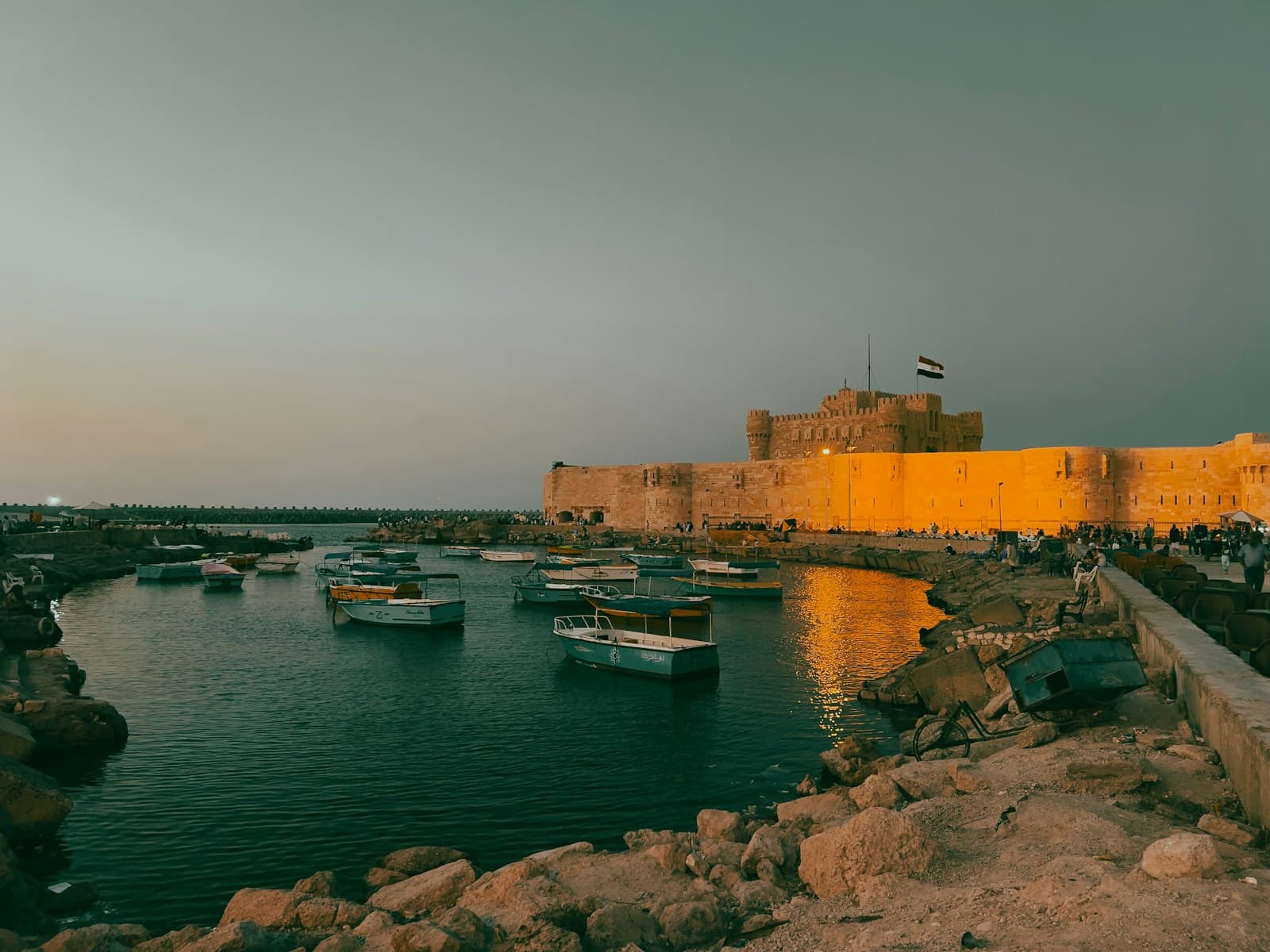
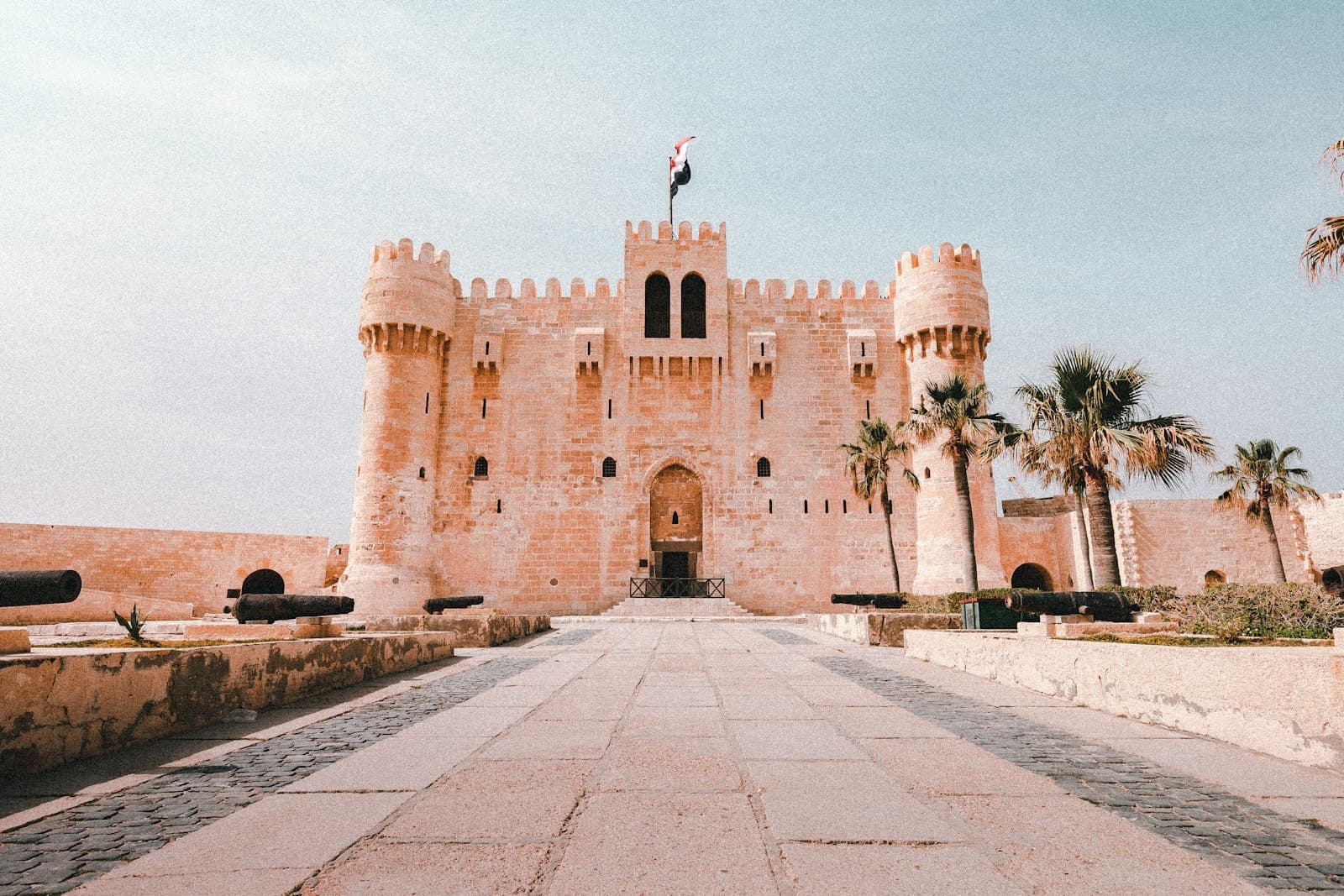
Besuchen Sie Pompejus' Säule, eine kolossale römische Triumphssäule zu Ehren von Kaiser Diokletian, die inmitten der Überreste des antiken Serapeum-Komplexes steht. Schlendern Sie durch Kom el-Dikka, wo Sie die Überreste eines römischen Amphitheaters mit gut erhaltenen Mosaiken, römischen Bädern und Villen sehen können. Die Zitadelle von Qaitbay, eine Festung aus dem 15. Jahrhundert, steht an der Stelle des antiken Leuchtturms von Pharos und bietet einen weiten Blick auf das Mittelmeer. Spazieren Sie entlang der Alexandria Corniche, der Uferpromenade der Stadt, um das lokale Leben zu erleben und die Meeresbrise zu genießen. Für einen Hauch königlicher Geschichte besuchen Sie den Montaza-Park, der den Montaza-Palast, eine ehemalige Sommerresidenz, umfasst.
Die besten Reisezeiten für Alexandria sind Frühling (März bis Mai/Juni) und Herbst (September bis November). In diesen Monaten ist das Wetter mild und angenehm, mit Temperaturen, die tagsüber selten über 25°C steigen, was ideal für Besichtigungen und die Erkundung der Küstenattraktionen der Stadt ist. Der Sommer (Juni bis August) kann heiß und feucht sein, mit Temperaturen von bis zu 40°C. Der Winter (Dezember bis Februar) ist ebenfalls mild, aber weniger zum Schwimmen geeignet und kann die Regenzeit sein.
Alexandria gilt im Allgemeinen als sicher für Reisende, mit einer niedrigeren Kriminalitätsrate als Kairo, obwohl Kleinkriminalität und Betrügereien vorkommen können. Es ist ratsam, sich Ihrer Umgebung bewusst zu sein, insbesondere in belebten Gegenden, und weibliche Reisende sollten sich bescheiden kleiden und vertrauenswürdige Transportmittel nutzen. Die lokale Währung ist das Ägyptische Pfund (EGP), abgekürzt als E£ oder ج.م. Während größere Einrichtungen Karten akzeptieren, wird Bargeld häufig verwendet, und es wird empfohlen, beides mitzuführen. Geldautomaten sind in der Stadt weit verbreitet, aber Wechselstuben erfordern einen physischen Reisepass.
Die Fortbewegung in Alexandria ist über ein gut ausgebautes öffentliches Verkehrsnetz möglich, einschließlich Bussen, Minibussen und Straßenbahnen, von denen einige doppelstöckig sind. Taxis sind leicht verfügbar, und Mitfahrdienste sind ebenfalls eine Option. Für Reisen zwischen den Städten verbinden Züge und Busse Alexandria mit anderen großen ägyptischen Städten wie Kairo. Der Flughafen Borg El Arab (HBE) bedient Alexandria mit internationalen Flügen.
Alexandria — Koreanisch, Chinesisch, Hebräisch und 29 weitere Sprachen, jede Station von einer muttersprachlichen Stimme erzählt. Die größte Sprachauswahl aller selbstgeführten Audiotouren.
Verfügbar auf: