Museo Che Guevara
Prima di diventare 'Che', gli anni giovanili della figura rivoluzionaria furono plasmati dall'aria secca di montagna di Alta Gracia.
La storia completa si sblocca nel tour
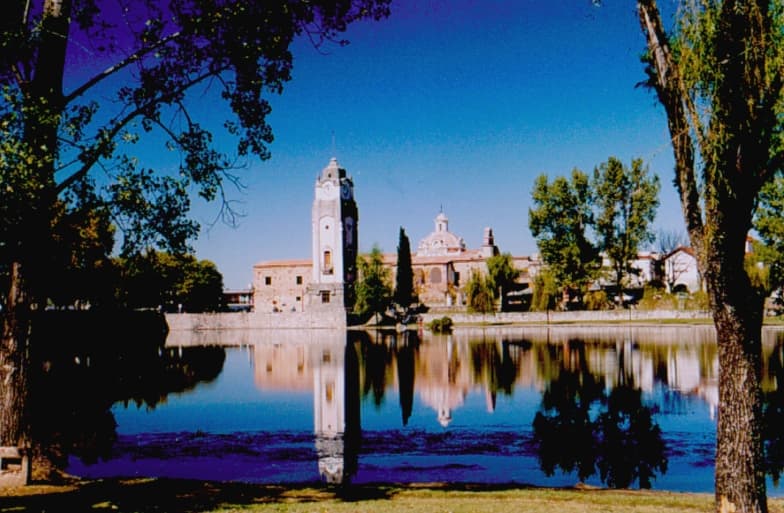 Wikimedia / cc by-sa 3.0, via Wikimedia Commons
Tour audio autoguidato di Alta Gracia — percorso GPS a piedi, riproduzione offline, narrazione coinvolgente in 32 lingue.
“Dove gli echi dei rivoluzionari incontrano la quiete dei giorni coloniali.”
Non le cartoline. Le storie che nemmeno i locali conoscono — sussurrate nel tuo orecchio, proprio dove sono accadute.
Prima di diventare 'Che', gli anni giovanili della figura rivoluzionaria furono plasmati dall'aria secca di montagna di Alta Gracia.
La grande Tenuta Gesuita di Alta Gracia un tempo sosteneva un'università pionieristica, anche se non nel modo in cui si potrebbe immaginare.
Sotto le moderne arterie di Alta Gracia si nasconde una meraviglia ingegneristica centenaria che un tempo dissetava la città.
Scopri ogni segreto di Alta Gracia
Ogni indirizzo, ogni rivelazione completa — nel tuo orecchio, proprio dove è accaduta.
Scegli le tue tappe. Cammini. La voce rivela ciò che gli altri perdono.

Il tuo tour audio autoguidato di Alta Gracia è pronto — scegli i tuoi punti di interesse, seleziona la tua lingua e inizia nel momento in cui arrivi.
AcquistaLume include una guida in realtà aumentata. Alza il telefono: la fotocamera mostra la strada davanti a te, con una freccia luminosa sovrapposta all'immagine reale che punta sempre verso la tua prossima tappa — nessuna mappa da decifrare, nessuna svolta sbagliata. Come tutto in Lume, funziona completamente offline.
Alta Gracia, una città nella provincia argentina di Córdoba, offre una miscela distinta di profondità storica e fascino naturale, sullo sfondo delle montagne delle Sierras Chicas. Il suo nome, che significa "Alta Grazia" in spagnolo, rispecchia la sua posizione elevata e i suoi dintorni panoramici. La città è celebrata per la sua architettura coloniale ben conservata e un'atmosfera tranquilla che invita all'esplorazione senza fretta.
A solo un'ora dalla città di Córdoba, Alta Gracia funge da soglia ai paesaggi delle Sierras de Córdoba, offrendo opportunità per attività all'aperto come escursioni a piedi e a cavallo. Il patrimonio culturale della città è profondamente radicato nel suo passato gesuita e nel suo legame con figure influenti, rendendola una destinazione avvincente per coloro che sono interessati alla storia e alla cultura.
I visitatori possono passeggiare per strade tranquille e alberate, scoprendo vecchie case coloniali e un'area centrale che bilancia il significato storico con un fascino rilassato da piccola città. Alta Gracia offre un'opportunità unica per approfondire il passato dell'Argentina godendo della quiete del suo ambiente montano.
Le origini di Alta Gracia risalgono al 1588, quando Don Juan Nieto iniziò la colonizzazione dell'area, stabilendola come una grande tenuta o estancia. Sotto la sua encomienda, Nieto promosse la costruzione di case, tenute e recinti di pietra. L'estancia fu successivamente acquisita da Alonso Nieto de Herrera, che la nominò in onore di "Nuestra Señora de Alta Gracia". Nel 1643, l'estancia fu donata alla Compagnia di Gesù, segnando un momento cruciale nella sua storia.
I Gesuiti gestirono Alta Gracia come parte di una rete di sei estancias nella provincia di Córdoba, tra cui Caroya, Jesús María, Santa Catalina, La Candelaria e San Ignacio. Queste estancias erano essenziali per sostenere il Collegium Maximum (Colegio Máximo) a Córdoba City, una delle università più antiche del Sud America, ora conosciuta come Universidad Nacional de Córdoba. L'attività economica principale dell'estancia di Alta Gracia era l'allevamento di muli, che venivano poi trasportati lungo il Cammino Reale verso mercati lontani come Lima e le miniere d'argento di Potosí in Bolivia.
Nel 1767, Re Carlo III di Spagna decretò l'espulsione dei Gesuiti dal continente, portando all'abbandono delle loro proprietà. L'estancia passò successivamente attraverso diversi proprietari privati. Santiago de Liniers, ex Viceré del Río de la Plata, vi risiedette per circa cinque mesi nel 1810. L'ultimo proprietario privato, José Manuel Solares, acquisì l'estancia nel 1820. Nel suo testamento del 1868, Solares dispose la divisione della terra, portando allo sviluppo del villaggio che sarebbe diventato Alta Gracia. Nel 2000, il Blocco Gesuita e le Tenute di Córdoba, inclusa Alta Gracia, sono stati riconosciuti come Patrimonio dell'Umanità dall'UNESCO, riconoscendo il loro profondo significato storico e architettonico.
Oltre alla sua eredità gesuita, Alta Gracia è nota come la casa d'infanzia di Ernesto "Che" Guevara, che visse in città dal 1932 al 1944. La sua ex residenza, Villa Beatriz, è ora un museo dedicato alla sua vita giovanile. La città divenne anche l'ultima dimora dell'acclamato compositore spagnolo Manuel de Falla, che vi visse dal 1942 fino alla sua morte nel 1946, e la cui casa è ora un museo.
Inizia la tua esplorazione dalla Tenuta Gesuita di Alta Gracia, patrimonio mondiale dell'UNESCO e principale punto di riferimento storico della città. Passeggia nell'ex residenza gesuita, che ora ospita un museo che espone mobili coloniali, arte e la storia dell'Ordine Gesuita. Adiacente all'estancia si trova la chiesa della Parroquia Nuestra Señora de la Merced, caratterizzata da architettura coloniale originale del XVII secolo, altari in legno finemente intagliati e opere d'arte religiosa.
A pochi passi di distanza, approfondisci la vita giovanile di un rivoluzionario al Museo Che Guevara (Villa Beatriz). Questo museo, situato nella sua casa d'infanzia, espone oggetti personali, fotografie di famiglia e documenti che tracciano il suo percorso. Sono disponibili guide in inglese per arricchire la tua visita.
Per gli appassionati di musica, il Museo Manuel de Falla offre uno spaccato della vita e delle opere del compositore spagnolo, esponendo il suo pianoforte, manoscritti e oggetti personali dei suoi ultimi anni. Un'altra tappa culturale è il Museo d'Arte Gabriel Dubois, ospitato nell'ex casa dell'artista francese, che espone le sue sculture e dipinti. Il Museo Santiago de Liniers (La Casa del Virrey) offre mostre sull'ex Viceré che visse in questo edificio coloniale.
Nel centro della città, visita El Tajamar, un lago artificiale accanto alla torre dell'orologio pubblica, un luogo di ritrovo popolare per la gente del posto la sera. Non trascurare il Paseo de la Cisterna, una cisterna sotterranea del 1905 che un tempo riforniva d'acqua la città, ora un'attrazione storica unica. Per le attività all'aperto, le circostanti Sierras de Córdoba offrono opportunità per escursioni a piedi, a cavallo e per godersi i paesaggi naturali.
Il periodo più favorevole per visitare Alta Gracia per attività turistiche generali all'aperto va dall'inizio di ottobre a metà aprile, con un picco particolare nella seconda settimana di marzo. Durante i mesi di marzo, aprile, maggio, agosto, settembre, ottobre e novembre, Alta Gracia gode generalmente di un clima piacevole con temperature medie comprese tra 19°C e 26°C. Questi mesi sono ideali per visite turistiche ed esplorazioni, con precipitazioni che vanno da 24 mm in agosto a 135 mm in novembre. Per coloro che preferiscono attività con clima più caldo, si raccomanda l'inizio di dicembre fino a metà febbraio, con gennaio che è il mese più caldo, con una media di 28°C (82°F) durante il giorno e 17°C (63°F) di notte. La città sperimenta una netta stagione secca da giugno ad agosto.
Alta Gracia si trova a circa 36-37 chilometri a sud-ovest della città di Córdoba. Puoi raggiungere Alta Gracia da Córdoba in autobus, con partenze frequenti ogni 15-30 minuti e un tempo di percorrenza di circa 45 minuti a un'ora e mezza, a seconda del servizio. Gli autobus partono dal terminal degli autobus di Córdoba. In alternativa, noleggiare un'auto offre maggiore flessibilità per esplorare la regione, con un tragitto di circa 32-45 minuti tramite la Strada Provinciale 5. Per coloro che arrivano in aereo all'Aeroporto Internazionale Ingeniero Ambrosio Taravella di Córdoba, sono disponibili taxi, trasferimenti o autobus, con l'aeroporto situato a circa 50 chilometri da Alta Gracia.
Sebbene conoscere alcune frasi base in spagnolo sia utile, molte persone nel settore turistico parlano un po' di inglese. Imparare alcune frasi chiave in spagnolo può migliorare la tua esperienza e la connessione con la gente del posto. La valuta locale è il Peso Argentino. È consigliabile portare un po' di contanti, anche se le carte di credito sono generalmente accettate nei locali più grandi. Per la sicurezza, è sempre saggio essere consapevoli di ciò che ti circonda, specialmente nelle aree affollate, e tenere al sicuro i propri effetti personali. Evita di camminare da solo in aree isolate o poco illuminate di notte.
Alta Gracia — coreano, cinese, ebraico e altre 29 lingue, ogni tappa narrata da una voce madrelingua. La più ampia scelta di lingue tra i tour audio autoguidati.
Disponibile in: