Place de l'Hôtel de Ville d'Altdorf
L'emblématique statue de Guillaume Tell trône fièrement, mais peu savent que son prédécesseur était une installation temporaire.
L'histoire complète se débloque dans le tour
 Paebi / CC BY-SA 3.0, via Wikimedia Commons
Visite audio autoguidée de Altdorf — parcours GPS à pied, lecture hors ligne, narration en 32 langues.
“Là où les légendes suisses résonnent à travers les vallées alpines.”
Pas les cartes postales. Les histoires que même les habitants ignorent — soufflées à l'oreille, là où elles se sont passées.
L'emblématique statue de Guillaume Tell trône fièrement, mais peu savent que son prédécesseur était une installation temporaire.
Ce monastère serein recèle un passé surprenant au-delà de sa vocation religieuse.
Le nom de la ville, signifiant 'vieux village', fait allusion à une lutte récurrente avec la nature.
Découvrez tous les secrets de Altdorf
Chaque adresse, chaque révélation en entier — dans ton oreille, là où elle s'est passée.
Tu choisis tes lieux. Tu marches. La voix te révèle ce que les autres ignorent.


Votre visite audioguidée de Altdorf vous attend — choisissez vos lieux, votre langue, et lancez-vous dès votre arrivée.
AcheterLume intègre un guide en réalité augmentée. Levez votre téléphone : sa caméra montre la rue devant vous, avec une flèche lumineuse posée sur l'image réelle qui pointe toujours vers votre prochain arrêt — aucune carte à déchiffrer, aucun mauvais virage. Comme tout dans Lume, ça fonctionne entièrement hors-ligne.
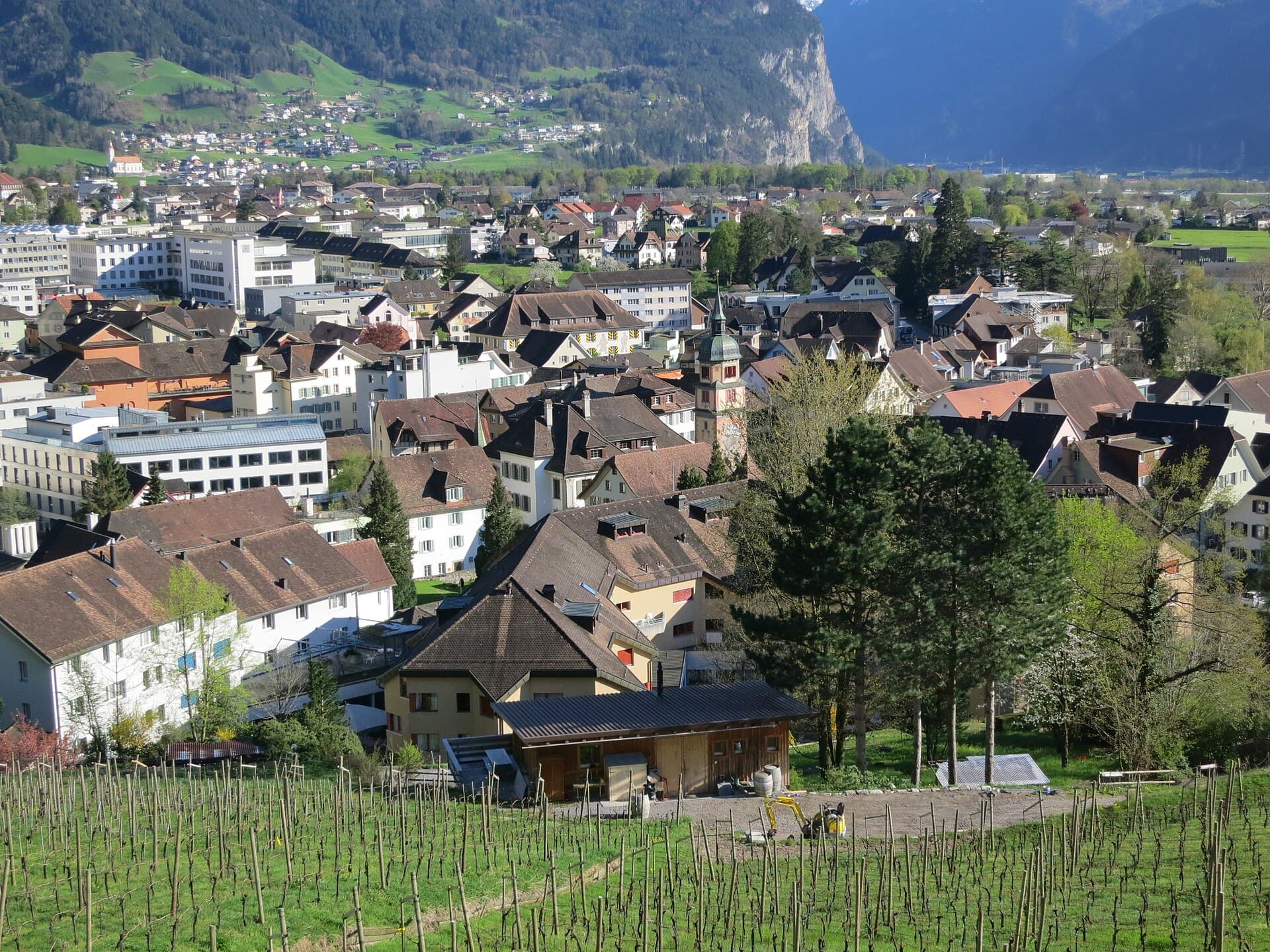
Altdorf, capitale du canton suisse d'Uri, est une ville où les contours spectaculaires des Alpes rencontrent des siècles d'histoire et de légendes. Nichée dans la vallée de la Reuss, juste au sud du lac des Quatre-Cantons, Altdorf est une porte d'entrée vers la région de vacances d'Uri. La ville est peut-être surtout célèbre comme le cadre légendaire de l'acte de défi de Guillaume Tell, tirant une pomme de la tête de son fils.
En se promenant dans Altdorf, on découvre un mélange d'architecture suisse traditionnelle et de structures aux touches italiennes, un clin d'œil à sa position sur la route historique du col du Gothard. L'engagement de la ville à préserver son patrimoine tout en adoptant un développement moderne réfléchi lui a valu le Prix Wakker de la Société Suisse du Patrimoine en 2007. Au-delà de son importance historique, Altdorf est un point de départ pour explorer la beauté naturelle environnante, offrant une gamme d'activités de plein air, des promenades au bord du lac aux randonnées alpines exigeantes.
Le calendrier culturel d'Altdorf est dynamique, avec des événements traditionnels et des festivals contemporains qui attirent des visiteurs d'au-delà de ses frontières. Que l'on soit attiré par les échos d'un héros national, l'attrait des paysages alpins ou le désir de découvrir une culture suisse authentique, Altdorf offre une destination captivante.
Les premières preuves d'habitation humaine dans la région d'Altdorf remontent à environ 2 300 ans, avec la découverte d'anciennes haches en bronze et d'outils en fer. Les premières communautés se sont initialement établies dans des zones forestières d'altitude avant de se rapprocher de la rivière Reuss. Cependant, les fréquentes inondations de la rivière détruisaient souvent les habitations, obligeant les résidents à retourner dans la 'vieille ville', une circonstance qui serait à l'origine du nom d'Altdorf.
Après le déclin de l'Empire romain, la population gallo-romaine locale d'Altdorf s'est intégrée aux colons germaniques Alamans au cours du VIIe siècle. Une découverte archéologique significative, la tombe d'un cavalier armé datant de 670–680 après J.-C., située dans l'église Saint-Martin, fournit une preuve tangible de ce mélange culturel. Le nom de la ville, 'Alttorf', est apparu pour la première fois dans des documents écrits en 1223, bien qu'elle ait parfois été appelée Uri entre le XVIe et le XIXe siècle.
L'histoire d'Altdorf est inextricablement liée à la légende de Guillaume Tell, le héros national suisse. Selon la tradition, la place du marché de la ville est l'endroit même où Tell, sous la contrainte du tyrannique gouverneur des Habsbourg Gessler, a tiré une pomme de la tête de son fils avec une arbalète. Cet acte de défi est une pierre angulaire de l'identité nationale suisse, symbolisant la résistance à l'oppression et inspirant la formation éventuelle de la Confédération suisse. Une statue en bronze commémorant Guillaume Tell et son fils, sculptée par Richard Kissling, a été dévoilée sur la place principale d'Altdorf en 1895.
Dans la seconde moitié du XIIIe siècle, les terres entourant Altdorf avaient été cultivées jusqu'aux rives de la Reuss. La ville a vu l'établissement d'importantes institutions religieuses, notamment le couvent des Capucins – le monastère de la Toussaint – fondé en 1581, et un couvent franciscain en 1677. Ces fondations ont joué un rôle dans la vie sociale et spirituelle de la ville, la spiritualité baroque conduisant à l'essor de plusieurs confréries religieuses.
La situation stratégique d'Altdorf au carrefour de grands cols alpins, tels que le Saint-Gothard et le col du Klausen, en a fait depuis longtemps un carrefour important. En 1899, un théâtre dédié à la représentation de la pièce Guillaume Tell de Friedrich Schiller a ouvert près du centre-ville, consolidant davantage la place de la légende dans la culture locale. La ville a continué d'évoluer, et en 2007, Altdorf a reçu le Prix Wakker de la Société Suisse du Patrimoine pour son développement urbain réfléchi et l'intégration réussie de nouveaux bâtiments et de rénovations dans son paysage historique.
Le Monument à Guillaume Tell sur la place principale d'Altdorf est un point d'intérêt central, représentant le héros légendaire avec son arbalète et son fils. La statue en bronze, créée par Richard Kissling, a été dévoilée en 1895. On peut monter dans la tour associée au monument pour des vues panoramiques et en apprendre davantage sur la légende grâce à des panneaux informatifs.
À proximité, le Musée Tell à Bürglen, lieu de naissance présumé de Guillaume Tell, abrite des documents et des artefacts liés à l'histoire ancienne de la Suisse et à la légende de Tell. Le musée est installé dans une tour romane adjacente à l'église paroissiale.
Le Kulturkloster Altdorf, un ancien monastère capucin datant de 1581, offre un espace tranquille et sert désormais de lieu pour des événements culturels. Son architecture, ainsi que d'autres maisons de maître et palais du centre historique, présente un mélange d'influences suisses et sud-européennes.
Pour ceux qui s'intéressent à l'art et à l'histoire, le Musée historique d'Uri et la Haus für Kunst (Maison de l'Art) valent également le détour. Le Châteaux A Pro abrite une collection de minéraux. La terrasse ensoleillée d'Eggberge, située à environ 1 000 mètres au-dessus de la ville, est accessible en téléphérique et constitue une destination populaire pour les excursions, offrant des vues sur le lac des Quatre-Cantons et les montagnes environnantes.
La période la plus propice pour visiter Altdorf, afin de profiter d'un temps agréable et d'activités de plein air, se situe généralement entre avril et octobre. Les mois d'été de juin, juillet et août offrent des températures douces, juillet étant le mois le plus chaud, avec une moyenne maximale de 19°C. Cependant, juillet connaît également des précipitations importantes. Septembre est souvent considéré comme optimal pour des conditions confortables. Pour les sports d'hiver, de décembre à mars offre des conditions enneigées.
Altdorf se trouve dans le canton d'Uri, en Suisse. La langue officielle est l'allemand standard suisse, bien que le dialecte alémanique local soit largement parlé. Le haut allemand (Hochdeutsch) est compris, surtout sous forme écrite et dans les médias nationaux. La monnaie utilisée est le franc suisse (CHF).
Altdorf possède sa propre gare sur la ligne ferroviaire du Gothard, ce qui la rend accessible en train. Depuis Lucerne, une option pittoresque consiste à prendre un bateau à vapeur jusqu'à Flüelen, puis un bus pour le court trajet jusqu'à Altdorf. Une fois à Altdorf, la ville est très agréable à parcourir à pied. Des vélos peuvent être loués à la gare pour explorer les environs.
Pour plus d'informations, l'office de tourisme local peut fournir des cartes et de l'aide.
Altdorf en coréen, en chinois ou en hébreu — et dans 29 autres langues, chaque étape narrée par une voix native. La plus large gamme de langues de tous les audioguides autoguidés.
Disponible en :