Duomo di Sant'Andrea
As grandiosas portas de bronze da catedral de Amalfi guardam um segredo, conectando esta cidade italiana a um império distante e poderoso.
História completa desbloqueada no tour
 No machine-readable author provided. Sudodana2048 assumed (based on copyright claims). / CC BY-SA 3.0, via Wikimedia Commons
Tour de áudio autoguiado por Amalfi — rota GPS a pé, reprodução offline, narração envolvente em 32 idiomas.
“Onde o antigo poder marítimo encontra o charme costeiro banhado pelo sol.”
Não os postais. As histórias que nem os locais conhecem — sussurradas ao seu ouvido, exatamente onde aconteceram.
As grandiosas portas de bronze da catedral de Amalfi guardam um segredo, conectando esta cidade italiana a um império distante e poderoso.
Além das ruas movimentadas de Amalfi, um vale tranquilo revela uma indústria inesperada que um dia tornou esta cidade uma pioneira europeia.
O icônico limão de Amalfi, conhecido por seu sabor único, tem uma surpreendente história de origem envolvendo cruzamentos estratégicos e uma luta contra uma doença comum de marinheiros.
Descubra cada segredo de Amalfi
Cada endereço, cada revelação na íntegra — no seu ouvido, exatamente onde aconteceu.
Você escolhe as suas paragens. Você caminha. A voz revela o que os outros perdem.
O seu tour áudio autoguiado de Amalfi está pronto — escolha os seus pontos de interesse, selecione o seu idioma e comece no momento em que chegar.
ComprarA Lume inclui um guia de realidade aumentada. Levante o telemóvel: a câmara mostra a rua à sua frente, com uma seta luminosa sobreposta à imagem real que aponta sempre para a sua próxima paragem — sem mapa para decifrar, sem voltas erradas. Como tudo na Lume, funciona totalmente offline.
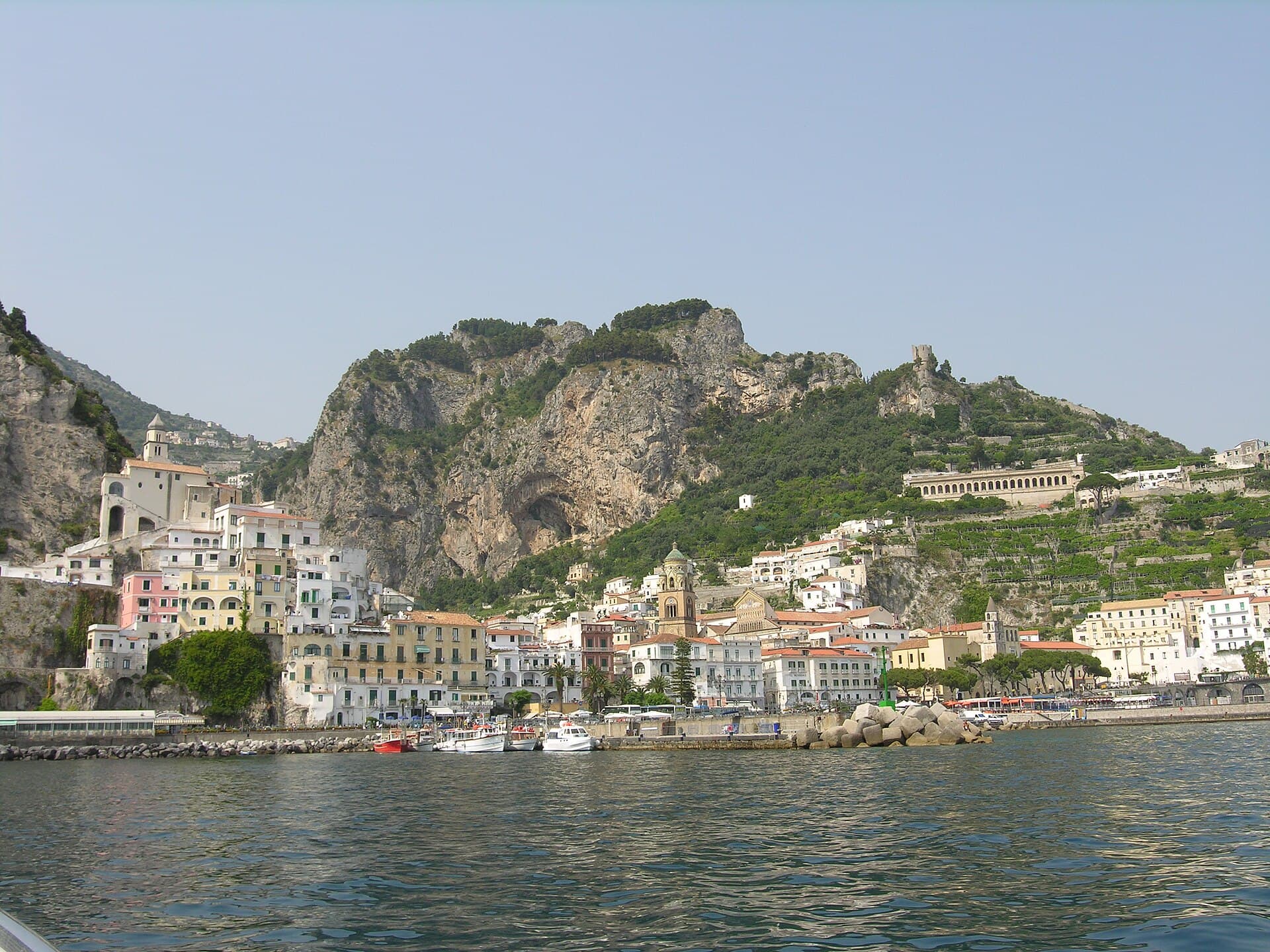
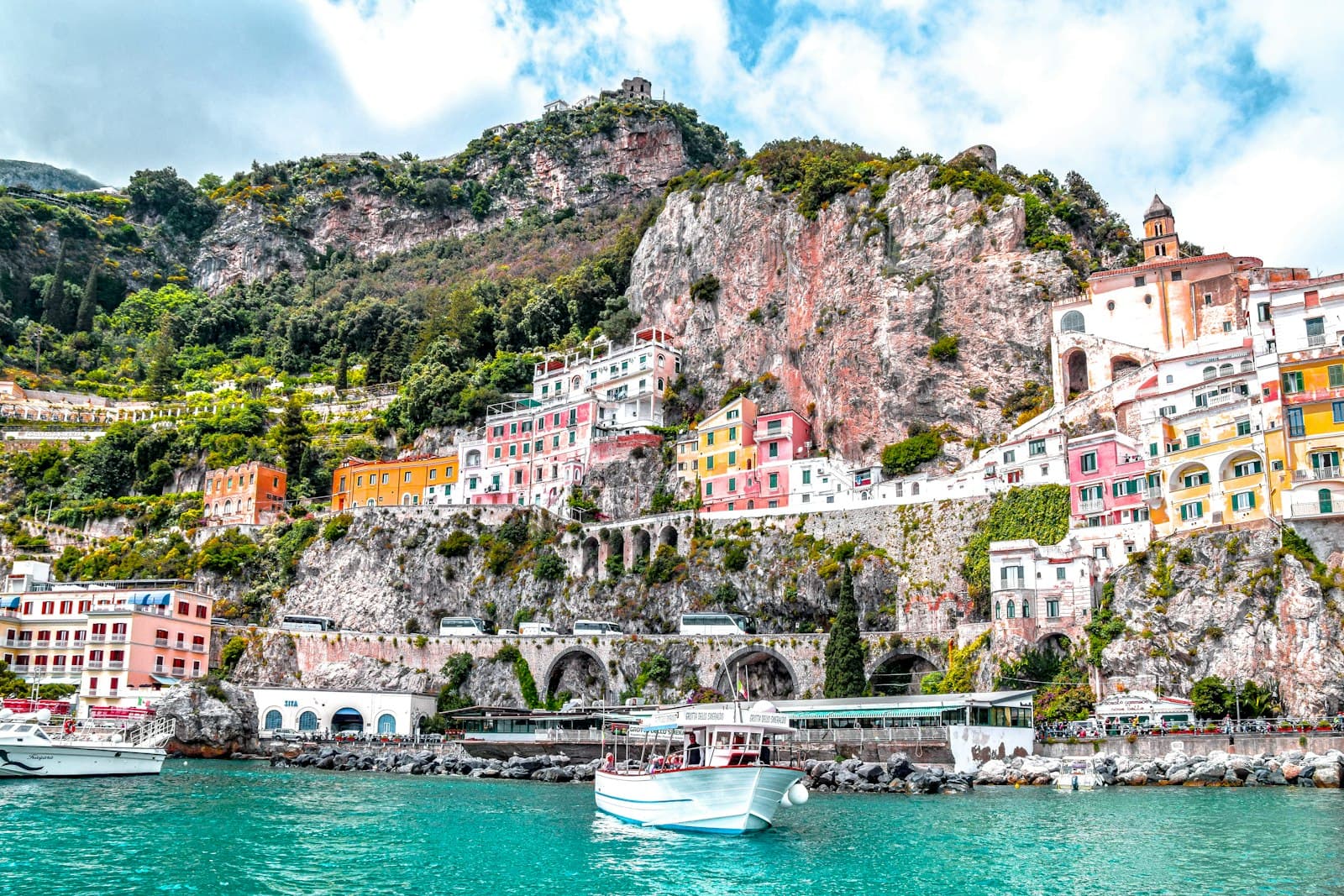
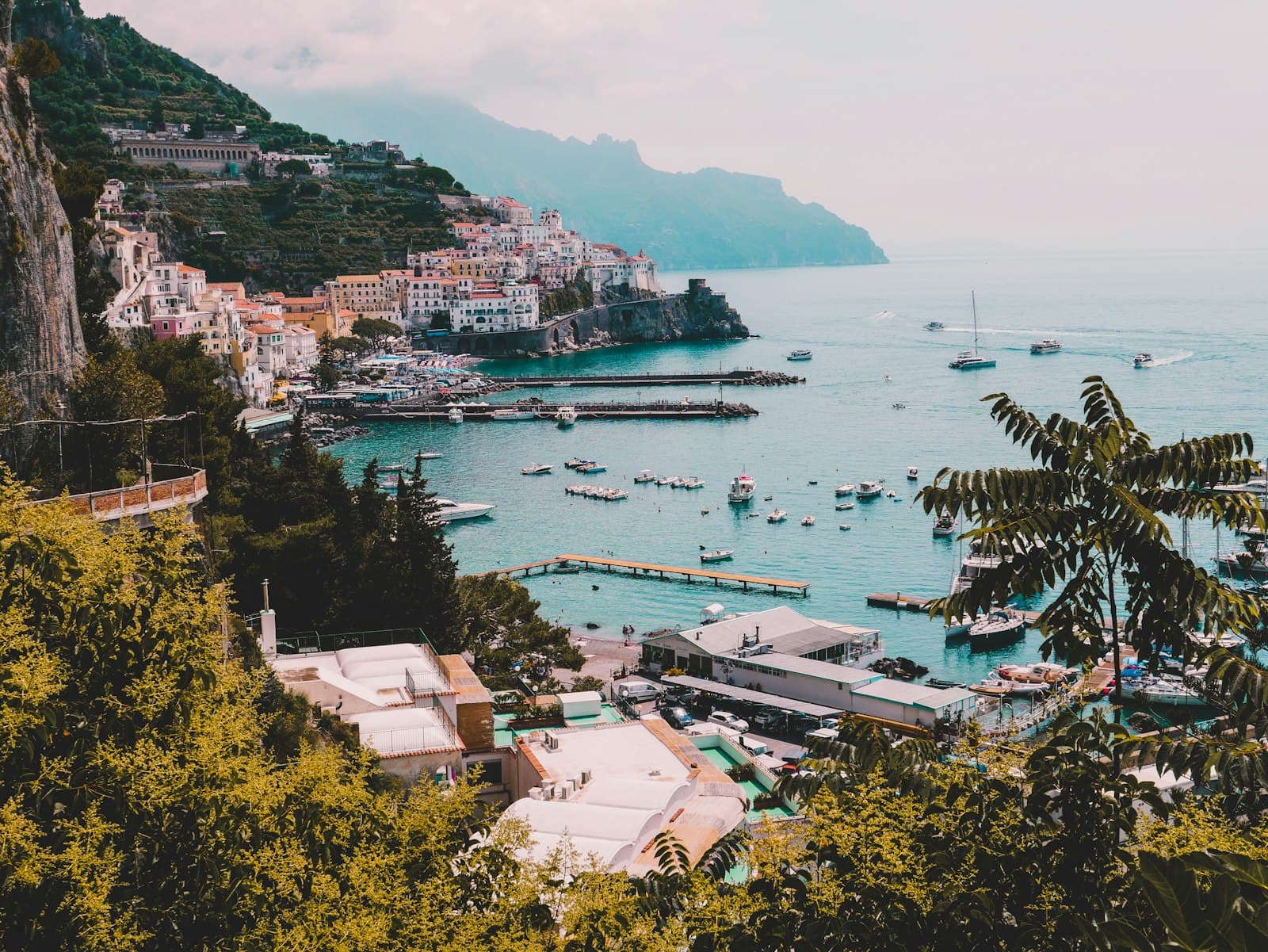
Amalfi, o nome que batiza a renomada costa da Itália, é uma cidade onde falésias dramáticas se encontram com o Mar Tirreno. Antiga e formidável república marítima, sua história está gravada em sua arquitetura e em suas vielas sinuosas. Hoje, serve como um ponto central para explorar a Costa Amalfitana, oferecendo uma mistura de charme histórico e comodidades práticas para os viajantes.
O cenário único da cidade, com casas agarradas a encostas íngremes e um labirinto de becos e escadarias, reflete suas influências orientais de séculos de comércio. De sua movimentada praça principal às vistas calmas do alto, Amalfi apresenta uma experiência que é ao mesmo tempo animada e profundamente enraizada em seu passado.
O encanto de Amalfi vai além de seu apelo visual. É um lugar onde o aroma de frutas cítricas permeia o ar, um testemunho de seus famosos limões, e onde os ecos do antigo poder marítimo ainda são palpáveis. Seja chegando por terra ou mar, a cidade oferece uma introdução inesquecível a este Patrimônio Mundial da UNESCO.
## De Posto Avançado Romano a Potência Marítima As origens de Amalfi estão envoltas em uma mistura de lendas e relatos históricos. Uma tradição sugere que Hércules, o deus guerreiro grego, fundou a cidade, nomeando-a em homenagem a uma ninfa amada que ele enterrou ali. Historicamente, Amalfi parece ter sido fundada por uma família romana a caminho de Constantinopla, que se estabeleceu na área após o naufrágio de seu navio. Documentos iniciais colocam a cidade sob domínio bizantino em 533 d.C.
No século IX, Amalfi começou a afirmar sua independência, rompendo com a vassalagem bizantina e elegendo seu primeiro duque em 958. Isso marcou a ascensão do Ducado de Amalfi, um estado independente que se tornou uma das quatro poderosas Repúblicas Marítimas da Itália. A localização estratégica de Amalfi fomentou um extenso comércio com o Oriente, tornando-a uma das cidades mais ricas da Itália durante os séculos X e XI. Seus navios transportavam mercadorias como seda, especiarias e metais preciosos pelo Mediterrâneo. A cidade também era renomada por seus habilidosos construtores navais e por seu influente código de direito marítimo, as Tavole Amalfitane, que foi reconhecido em todo o Mediterrâneo até o século XVI. Em seu auge, a população de Amalfi era estimada entre 50.000 e 80.000 pessoas.
## Declínio e Legado Duradouro A prosperidade de Amalfi começou a diminuir no século XII. Foi subjugada e anexada pelo Rei Rogério II da Sicília em 1131, e subsequentemente saqueada pelos pisanos em 1135 e 1137. Esses eventos, combinados com desastres naturais como um devastador tsunami em 1343 que destruiu seu porto e a parte baixa da cidade, levaram a um rápido declínio em sua importância. A peste agravou ainda mais suas desgraças.
Apesar de seu poder político e econômico diminuído, Amalfi manteve sua importância cultural. Atraiu artistas, escritores e músicos durante os períodos Renascentista e Barroco. Hoje, Amalfi continua sendo um importante centro cultural e histórico, reconhecido como Patrimônio Mundial da UNESCO desde 1997 por sua extraordinária paisagem cultural e pela relação harmoniosa entre o homem e a natureza.
Comece sua exploração no Duomo di Sant'Andrea, a majestosa Catedral de Santo André, que domina a Piazza del Duomo. Suba sua imponente escadaria para uma ampla vista da praça. Ao lado da catedral fica o Chiostro del Paradiso (Claustro do Paraíso), do século XIII, um calmo cemitério para famílias nobres.
Passeie pela Via Lorenzo D'Amalfi, a principal rua comercial da cidade, repleta de lojas de souvenirs, restaurantes e cafés. Aventure-se no Museo della Carta (Museu do Papel), instalado em uma antiga fábrica de papel do século XIII, para descobrir a antiga tradição de fabricação de papel de Amalfi e até mesmo tentar fazer papel.
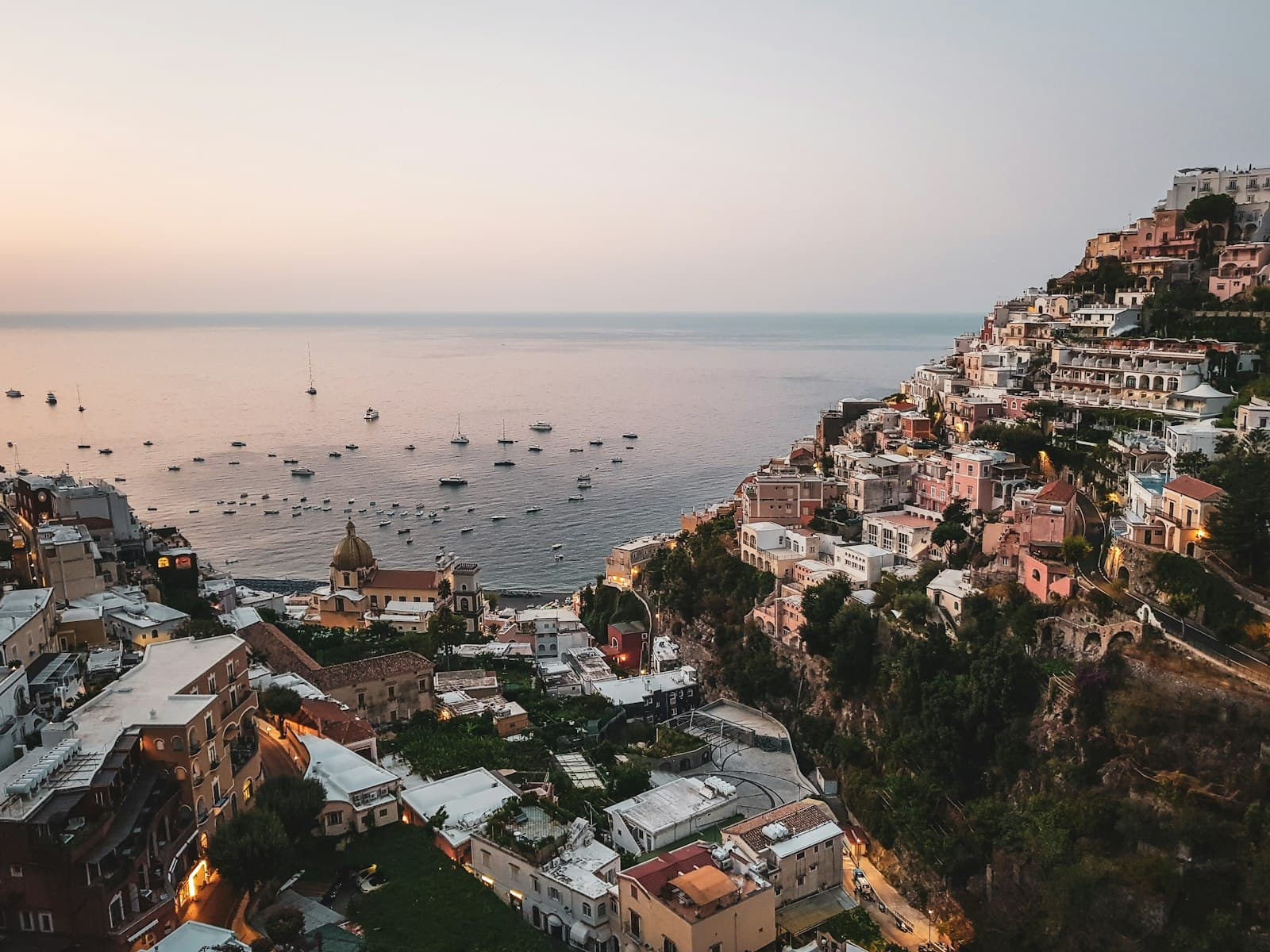
Para oportunidades fotográficas únicas, procure as presépios em miniatura permanentes construídos nas faces das rochas ao longo da estrada em direção ao Museu do Papel. Considere um passeio de barco para apreciar a costa a partir da água, ou pegue uma balsa para a vizinha Positano para uma perspectiva diferente. Para uma vista verdadeiramente memorável, suba até o Cemitério de Amalfi para uma vista incomparável das casas coloridas, do mar e dos pomares de limão circundantes.
As temporadas intermediárias de abril a junho e setembro a outubro são ideais para visitar Amalfi. Durante esses meses, o clima é agradável, com temperaturas variando de 18-27°C (64-81°F), as multidões são menores e todas as atrações geralmente estão abertas. A primavera traz flores silvestres desabrochando, enquanto o outono oferece temperaturas quentes do mar para nadar. Julho e agosto são a alta temporada, caracterizada por altas temperaturas, multidões significativas e preços aumentados. Os invernos (novembro a março) são mais tranquilos e frios, com alguns estabelecimentos fechados, embora dias ensolarados ainda sejam possíveis.
Amalfi é facilmente acessível, e muitos a consideram uma base prática para explorar a costa devido às suas conexões de balsa e ônibus. O aeroporto mais próximo é o Aeroporto Internacional de Nápoles. De lá, você pode alugar um carro, contratar um motorista particular ou pegar um trem ou ônibus para Salerno ou Sorrento, depois conectar-se a Amalfi via balsa ou ônibus. Dirigir pelas estradas costeiras estreitas e sinuosas pode ser desafiador, e o estacionamento é frequentemente difícil. O transporte público, especialmente as balsas, é altamente recomendado para se locomover entre as cidades.
Embora Amalfi tenha sua própria praia, para uma opção de areia mais extensa, considere a Praia de Maiori. De três a cinco dias são frequentemente recomendados para conhecer Amalfi e as cidades vizinhas sem pressa. As acomodações variam de opções econômicas em cidades próximas como Minori ou Maiori a hotéis de luxo, incluindo um antigo mosteiro capuchinho.
Amalfi — coreano, chinês, hebraico e mais 29 idiomas, cada parada narrada por uma voz nativa. A maior variedade de idiomas entre os passeios de áudio autoguiados.
Disponível em: