Cadillac Ranch
Die ikonischen halb vergrabenen Cadillacs sind bekannt für ihre sich ständig ändernden Farben, doch die ursprüngliche Vision der Künstler ging über bloßes Graffiti hinaus.
Die ganze Geschichte wird in der Tour freigeschaltet
 Who What Where Nguyen Why a/k/a Anonymous Cow / CC BY-SA 3.0, via Wikimedia Commons
Selbstgeführte Audio-Walking-Tour durch Amarillo — GPS-Route, Offline-Wiedergabe, erzählerische Narration in 32 Sprachen.
“Wo die weiten Ebenen auf unerwartete Kunst und legendäre Appetit treffen.”
Nicht die Postkarten. Die Geschichten, die selbst Einheimische nicht kennen – dir ins Ohr geflüstert, genau dort, wo sie geschahen.
Die ikonischen halb vergrabenen Cadillacs sind bekannt für ihre sich ständig ändernden Farben, doch die ursprüngliche Vision der Künstler ging über bloßes Graffiti hinaus.
Die sagenumwobene 72-Unzen-Steak-Herausforderung des Big Texan fasziniert Reisende seit 1960, aber das Konzept für ein kostenloses Steak entstand aus einem ungewöhnlichen Wettbewerb.
Dieses Museum beherbergt eine bemerkenswerte Sammlung von Oldtimer-Wohnmobilen, darunter einige wirklich einzigartige Exemplare.
Entdecke jedes Geheimnis von Amarillo
Jede Adresse, jede Enthüllung vollständig – in deinem Ohr, genau dort, wo es geschah.
Du wählst deine Stationen. Du gehst. Die Stimme enthüllt, was andere übersehen.


Deine selbstgeführte Audio-Tour durch Amarillo ist bereit – wähle deine Sehenswürdigkeiten, deine Sprache und starte, sobald du ankommst.
KaufenLume enthält einen integrierten Augmented-Reality-Guide. Halten Sie Ihr Handy hoch: Die Kamera zeigt die Straße vor Ihnen, mit einem leuchtenden Pfeil über dem echten Bild, der immer auf Ihren nächsten Stopp zeigt — keine Karte zum Rätseln, keine falschen Abzweigungen. Wie alles bei Lume funktioniert es komplett offline.
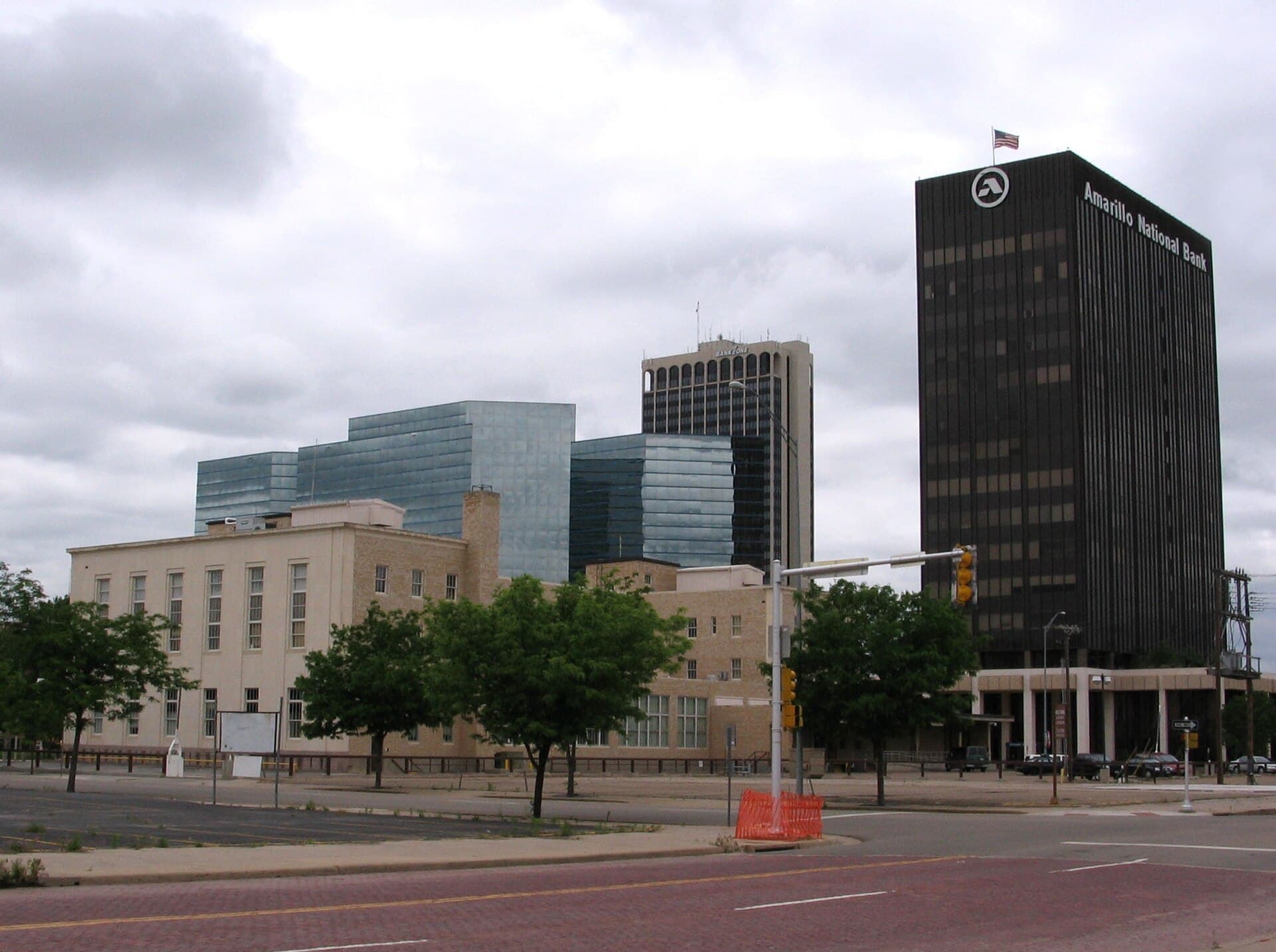
Amarillo, die größte Stadt im Texas Panhandle, liegt am Schnittpunkt der Interstates 40 und 27, wo die südlichen Ebenen sanft in die Wüstenausdehnung übergehen. Liebevoll bekannt als "Die gelbe Rose von Texas" oder "Yellow City", eine Anspielung auf seinen unverwechselbaren gelben Unterboden und die üppigen gelben Yucca-Blüten, bietet Amarillo eine einzigartige Mischung aus Erbe des Alten Westens und skurrilen zeitgenössischen Attraktionen. Seine weiten Horizonte und sein einzigartiger Charakter machen es zu einem unvergesslichen Zwischenstopp für jeden Reisenden.
Die Identität der Stadt ist tief mit ihrer Rinderindustrie verwoben, und sie ist nach wie vor einer der führenden Rindfleischproduzenten der Vereinigten Staaten. Jenseits seiner Cowboy-Kultur überrascht Amarillo die Besucher mit einer lebendigen Kunstszene, vielfältigen kulinarischen Angeboten und einer Vielzahl von Outdoor-Aktivitäten, insbesondere im nahegelegenen Palo Duro Canyon, dem zweitgrößten Canyon des Landes. Ob vom Reiz der historischen Route 66 oder dem Versprechen eines Abenteuers in Texas-Größe angezogen, Amarillo liefert ein wirklich individuelles Erlebnis.
Amarillos Geschichte begann im Frühjahr 1887 mit der Ankunft der Fort Worth and Denver City Railway, die ihre Gleise über das Texas Panhandle legte. J. T. Berry, ein Kaufmann aus Abilene, Texas, wählte einen gut bewässerten Abschnitt von Schulgrundstücken entlang der Eisenbahn als Grundlage für eine neue Stadt, mit der Absicht, ein regionales Handelszentrum zu gründen. Die Siedlung wurde zunächst Oneida genannt, später aber in Amarillo umbenannt, spanisch für "gelb", wahrscheinlich inspiriert von den goldenen Wildblumen und dem Boden, die in der Gegend vorherrschten.
Bis 1890 war Amarillo schnell zu einem der geschäftigsten Rinderumschlagplätze der Welt geworden, eine Auszeichnung, die es mehrere Jahre lang innehatte, bis neue Bahnlinien einige der Herden umleiteten. Die frühe Expansion der Stadt war auch durch das Aufkommen eines geschäftigen, wenn auch manchmal berüchtigten, Bowery-Viertels voller Saloons und Bordelle gekennzeichnet, das nach der Prohibition im Jahr 1911 zurückging. Die frühen 1900er Jahre sahen Amarillos Verwandlung in ein Zentrum für Aufzüge, Mühlen und Futtermittelherstellung, angetrieben durch die zunehmende Produktion von Weizen und Kleingetreide.
Die Entdeckung von Erdgas im Jahr 1918 und Öl drei Jahre später brachte neue Industrien nach Amarillo. Bis 1929 schloss das U.S. Bureau of Mines seine Amarillo Helium-Anlage, was die Stellung der Stadt als "Zentrum der Heliumindustrie" festigte. Der Zweite Weltkrieg belebte die Wirtschaft der Stadt weiter mit der Einrichtung des Amarillo Army Air Field und der nahegelegenen Pantex Ordnance Plant, die Bomben und Munition herstellte. Die Pantex-Anlage wurde später 1950 wiedereröffnet und wurde während des Kalten Krieges zu einer wichtigen Einrichtung für die Produktion von Atomwaffen.
Amarillo bietet eine Sammlung unvergesslicher Sehenswürdigkeiten, von denen viele seinen unverwechselbaren Geist und sein Erbe der Route 66 umfassen. Die Cadillac Ranch ist eine ikonische öffentliche Kunstinstallation, bei der zehn Cadillacs mit der Nase nach unten halb in einem Feld vergraben sind und Besucher einladen, ihre Spuren mit Sprühfarbe zu hinterlassen. Für einen Vorgeschmack auf Portionen in Texas-Größe und eine sagenumwobene Essensherausforderung ist The Big Texan Steak Ranch ein wichtiger Halt, berühmt für sein kostenloses 72-Unzen-Steak, wenn es innerhalb einer Stunde verzehrt wird.
Über diese weithin bekannten Attraktionen hinaus zeigt das Jack Sisemore Traveland RV Museum eine bemerkenswerte Sammlung von Oldtimer-Wohnmobilen und bietet eine nostalgische Reise durch die Geschichte von Roadtrips. Die American Quarter Horse Hall of Fame & Museum ehrt die Geschichte und den Einfluss des American Quarter Horse, einer Rasse, die für den amerikanischen Westen von zentraler Bedeutung ist. Für diejenigen, die die Natur genießen, bietet der Palo Duro Canyon State Park, oft als "Grand Canyon von Texas" bezeichnet, weitläufige Ausblicke sowie Möglichkeiten zum Wandern, Radfahren und Reiten, nur eine kurze Autofahrt von der Stadt entfernt. Erkunden Sie schließlich den Historic Route 66 District mit seinen Antiquitätenläden und einem Einblick in die Vergangenheit der "Mutter aller Straßen" Amerikas.
Amarillo erlebt vier ausgeprägte Jahreszeiten, aber die angenehmsten Zeiten für einen Besuch sind im Frühling (März bis Mai) und Herbst (September bis Oktober). In diesen Monaten sind die Temperaturen mild und die Luftfeuchtigkeit niedriger, was Outdoor-Aktivitäten angenehmer macht. Die Sommer können recht warm sein, mit durchschnittlichen Höchstwerten im Juli von 33 °C (91 °F), während die Winter kalt und trocken mit gelegentlichem Schnee sein können. Die Stadt genießt auch über 270 Sonnentage im Jahr.
Amarillo ist leicht erreichbar und liegt an der Kreuzung der Interstates 40 und 27. Der Rick Husband Amarillo International Airport (AMA) bedient die Stadt mit täglichen Flügen von großen Fluggesellschaften. Für die Navigation in der Gegend ist ein Auto ratsam, da die öffentlichen Verkehrsmittel begrenzt sind, obwohl Amarillo City Transit (ACT) Busdienste betreibt. Die Fahrzeiten innerhalb der Stadt sind im Allgemeinen kurz und dauern durchschnittlich 15-18 Minuten.
Die Unterkunftsoptionen reichen von Hotels und Motels bis hin zu Wohnmobilstellplätzen und Bed & Breakfasts. Die Stadt bietet auch eine Vielzahl von Restaurants, darunter texanisches Barbecue und mexikanische Küche als lokale Favoriten. Das Texas Travel Information Center an der I-40 Eastbound bietet Karten, Reiseinformationen und Unterstützung bei Routenplanung und Straßenbedingungen. In Notfällen wählen Sie 911; für Nicht-Notfälle kontaktieren Sie das Amarillo Emergency Communications Center unter (806) 378-3038.
Amarillo — Koreanisch, Chinesisch, Hebräisch und 29 weitere Sprachen, jede Station von einer muttersprachlichen Stimme erzählt. Die größte Sprachauswahl aller selbstgeführten Audiotouren.
Verfügbar auf: