Museo degli Amanti Ferhat e Shirin
Amasya è l'ambientazione di una tragica storia d'amore, una 'Romeo e Giulietta' turca, ma l'atto monumentale di devozione dell'eroe non fu un duello o un matrimonio segreto.
La storia completa si sblocca nel tour
 Ahmtzngn34 / CC BY-SA 4.0, via Wikimedia Commons
Tour audio autoguidato di Amasya — percorso GPS a piedi, riproduzione offline, narrazione coinvolgente in 32 lingue.
“Dove antichi re dormono nella pietra e sussurri ottomani fluttuano sul fiume.”
Non le cartoline. Le storie che nemmeno i locali conoscono — sussurrate nel tuo orecchio, proprio dove sono accadute.
Amasya è l'ambientazione di una tragica storia d'amore, una 'Romeo e Giulietta' turca, ma l'atto monumentale di devozione dell'eroe non fu un duello o un matrimonio segreto.
Oltre alle solite ceramiche e monete antiche, questo museo custodisce una collezione sorprendentemente ben conservata che offre uno sguardo raro e inquietante su un particolare periodo storico.
Il fiume che attraversa Amasya è centrale per la sua bellezza, ma ha anche giocato un ruolo significativo nella rapida vittoria di un famoso generale romano antico.
Scopri ogni segreto di Amasya
Ogni indirizzo, ogni rivelazione completa — nel tuo orecchio, proprio dove è accaduta.
Scegli le tue tappe. Cammini. La voce rivela ciò che gli altri perdono.


Il tuo tour audio autoguidato di Amasya è pronto — scegli i tuoi punti di interesse, seleziona la tua lingua e inizia nel momento in cui arrivi.
AcquistaLume include una guida in realtà aumentata. Alza il telefono: la fotocamera mostra la strada davanti a te, con una freccia luminosa sovrapposta all'immagine reale che punta sempre verso la tua prossima tappa — nessuna mappa da decifrare, nessuna svolta sbagliata. Come tutto in Lume, funziona completamente offline.
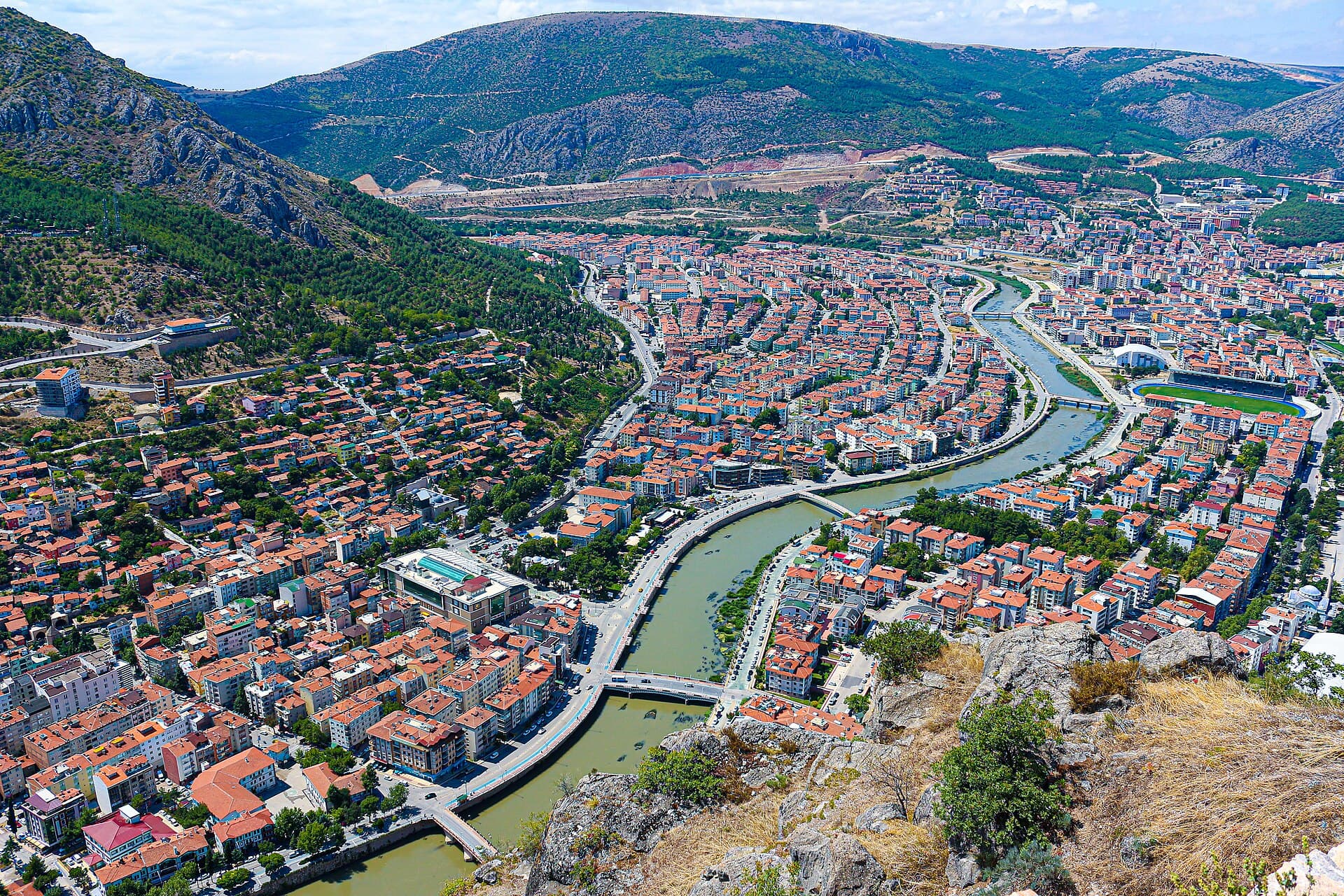
Amasya, una città nella regione del Mar Nero nel nord della Turchia, presenta una fusione avvincente di paesaggi naturali suggestivi e millenni di attività umana. La città si trova in una stretta valle, con il Yeşilırmak (Fiume Verde) che ne traccia il percorso attraverso il centro, abbracciata da imponenti scogliere. Questo paesaggio drammatico è adornato da tradizionali case ottomane in legno, alcune con balconi sporgenti, le cui forme si riflettono nelle acque smeraldine del fiume.
Spesso chiamata la 'Città dei Principi', Amasya è stata un vitale terreno di addestramento per i giovani principi ottomani, inclusi i futuri sultani Murad II e Selim I, che qui affinarono le loro capacità di governo. La sua storia risale a oltre 7.500 anni fa, lasciando un'impronta tangibile dalle antiche civiltà all'Impero Ottomano. Amasya è diventata sempre più una destinazione notevole sia per i viaggiatori locali che internazionali, attratti dalla sua atmosfera distintiva e dalla sua profondità storica.
La storia di Amasya si sviluppa in oltre 7.500 anni, con prove di abitazione continua fin dall'Età del Bronzo. Originariamente conosciuta come Hakmış durante il periodo ittita, la città subì successivamente l'influenza di Frigi, Cimmeri, Lidi, Persiani e Armeni. Nel IV secolo a.C., le forze di Alessandro Magno conquistarono la città e, dal 333 al 63 a.C., Amasya divenne la capitale del Regno del Ponto. I resti più suggestivi di questa era ellenistica sono le monumentali Tombe Rupestri dei Re del Ponto, scavate direttamente nelle scogliere che dominano la città.
Sotto il dominio romano, Amasya fu riconosciuta come 'città di primo rango' e un importante centro amministrativo e culturale. Dopo 700 anni come parte dell'Impero Bizantino, Amasya fu conquistata dagli emiri turcomanni Danishmend nel 1075, diventando la loro capitale. La città passò poi sotto il controllo selgiuchide, un periodo durante il quale furono costruite molte scuole islamiche, moschee e tombe, alcune delle quali sono ancora in piedi oggi. Anche i Mongoli esercitarono la loro influenza nel XIII secolo, contribuendo ulteriormente al diversificato patrimonio culturale di Amasya.
Amasya fu assorbita dall'Impero Ottomano dal Sultano Bayezid I alla fine del XIV secolo. Durante il periodo ottomano, acquisì particolare importanza come luogo di educazione per i futuri sultani. I giovani principi venivano inviati ad Amasya per governare e acquisire esperienze essenziali, guadagnando alla città la sua designazione di 'Città dei Principi'. Quest'era vide la costruzione di numerosi edifici ottomani, e molte delle tradizionali case in legno che costeggiano il fiume Yeşilırmak risalgono a questo periodo. La moderna Amasya detiene anche un significato storico come luogo in cui Mustafa Kemal Atatürk tenne le riunioni di pianificazione finale ed emise la Circolare di Amasya nel 1919, segnando l'inizio della Guerra d'Indipendenza Turca.
Iniziate la vostra esplorazione con le suggestive Tombe Rupestri dei Re del Ponto, antiche camere funerarie scavate nelle scogliere del Monte Harşena, che offrono ampie viste sulla città. Direttamente sopra, esplorate il Castello di Amasya, le cui origini risalgono agli Ittiti, offrendo ulteriori panorami mozzafiato. Passeggiate lungo la passeggiata del fiume Yeşilırmak per ammirare le Case di Yalıboyu, tradizionali dimore ottomane in legno con balconi che si estendono sull'acqua, creando una scena fluviale da cartolina.
Approfondite il passato della città al Museo Archeologico di Amasya, che custodisce manufatti di varie civiltà, inclusa una collezione unica di mummie del XIV secolo degli Ilkhanidi. Visitate il Museo Şehzadeler di Amasya (Museo dei Principi) per conoscere i principi ottomani educati qui, con statue di sultani e manufatti d'epoca. Altri siti storici degni di nota includono la Moschea Burmalı Minare selgiuchide del XIII secolo e la Moschea e Complesso di Yıldırım Beyazıt del XV secolo. Per una prospettiva diversa, considerate un tranquillo giro in barca sul fiume Yeşilırmak.
Amasya è meglio visitarla tra la tarda primavera e l'inizio dell'autunno, in particolare maggio, giugno, settembre e ottobre. Durante questi mesi, il clima è mite e gradevole, con temperature confortevoli ideali per esplorare i siti storici e godersi le attività all'aperto. Le estati (luglio e agosto) sono calde e secche, con temperature che raggiungono circa i 30°C, mentre gli inverni sono freschi e piovosi. Le precipitazioni sono minime a luglio e agosto, aumentando in primavera e a fine autunno, quindi un ombrello potrebbe essere utile in quei periodi.
L'aeroporto di Amasya Merzifon (MZH) è l'aeroporto più vicino, a circa 42-45 chilometri dal centro città, che offre voli diretti da Istanbul. In alternativa, gli aeroporti più grandi di Samsun (circa 130 km) e Tokat (71 km) offrono più opzioni di volo, con trasporti via terra disponibili per Amasya. Gli autobus interurbani sono un modo popolare e accessibile per raggiungere Amasya dalle principali città turche come Istanbul e Ankara.
Una volta ad Amasya, molte delle principali attrazioni della città sono raggiungibili a piedi l'una dall'altra. Per le distanze più lunghe, operano minibus locali (dolmuş) su percorsi fissi e i taxi sono facilmente disponibili. Amasya è generalmente più economica rispetto ai principali centri turistici della Turchia, offrendo un buon rapporto qualità-prezzo per alloggi e ristorazione. Si consiglia un abbigliamento modesto poiché Amasya è una città conservatrice.
Amasya — coreano, cinese, ebraico e altre 29 lingue, ogni tappa narrata da una voce madrelingua. La più ampia scelta di lingue tra i tour audio autoguidati.
Disponibile in: