De 'Dansende Huizen' langs de grachten
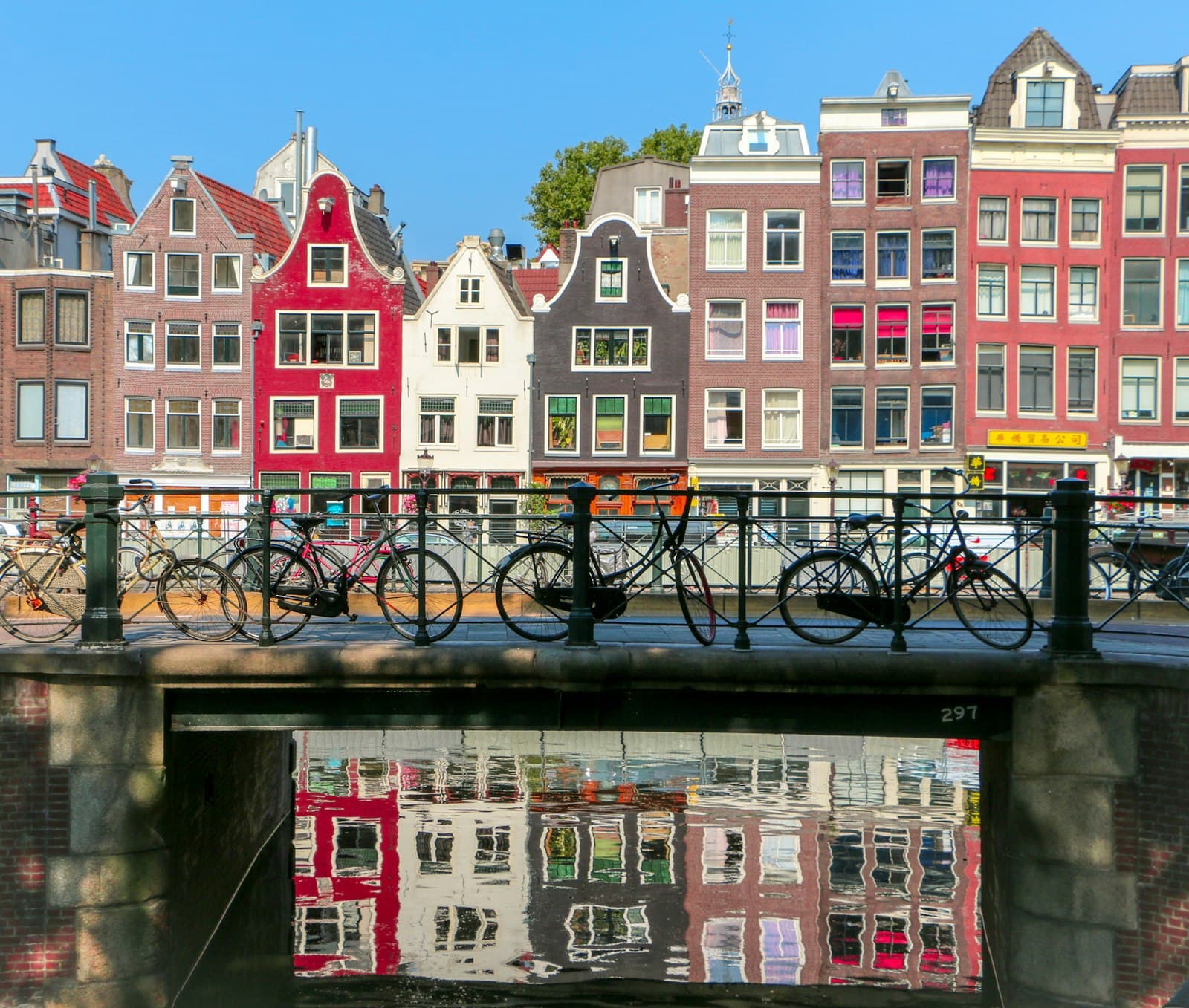
Veel van de iconische grachtenpanden van Amsterdam lijken in vreemde hoeken te leunen.
Volledig verhaal ontgrendeld in de tour
 Andrés Barrios / CC BY-SA 4.0, via Wikimedia Commons
Zelfgeleide audiowandeling door Amsterdam — GPS-route, offline afspelen, meeslepende vertelling in 32 talen.
“Waar historische grachten een vooruitstrevende geest ontmoeten.”
Niet de ansichtkaarten. De verhalen die zelfs locals niet kennen — gefluisterd in je oor, precies waar ze gebeurden.
Veel van de iconische grachtenpanden van Amsterdam lijken in vreemde hoeken te leunen.
Te midden van de Amsterdamse grachten dient een woonboot een uniek, harig doel.
Achter een onopvallende gevel van een grachtenpand schuilt een verrassend groots geheim.
Ontdek elk geheim van Amsterdam
Elk adres, elke onthulling volledig — in je oor, precies waar het gebeurde.
Jij kiest je stops. Jij wandelt. De stem onthult wat de anderen missen.
Je zelfgeleide audiotour van Amsterdam is klaar — kies je bezienswaardigheden, kies je taal en start zodra je aankomt.
KopenLume heeft een ingebouwde augmented-reality-gids. Houd je telefoon omhoog: de camera toont de straat voor je, met een oplichtende pijl over het echte beeld die altijd naar je volgende stop wijst — geen kaart om uit te puzzelen, geen verkeerde afslagen. Zoals alles in Lume werkt het volledig offline.
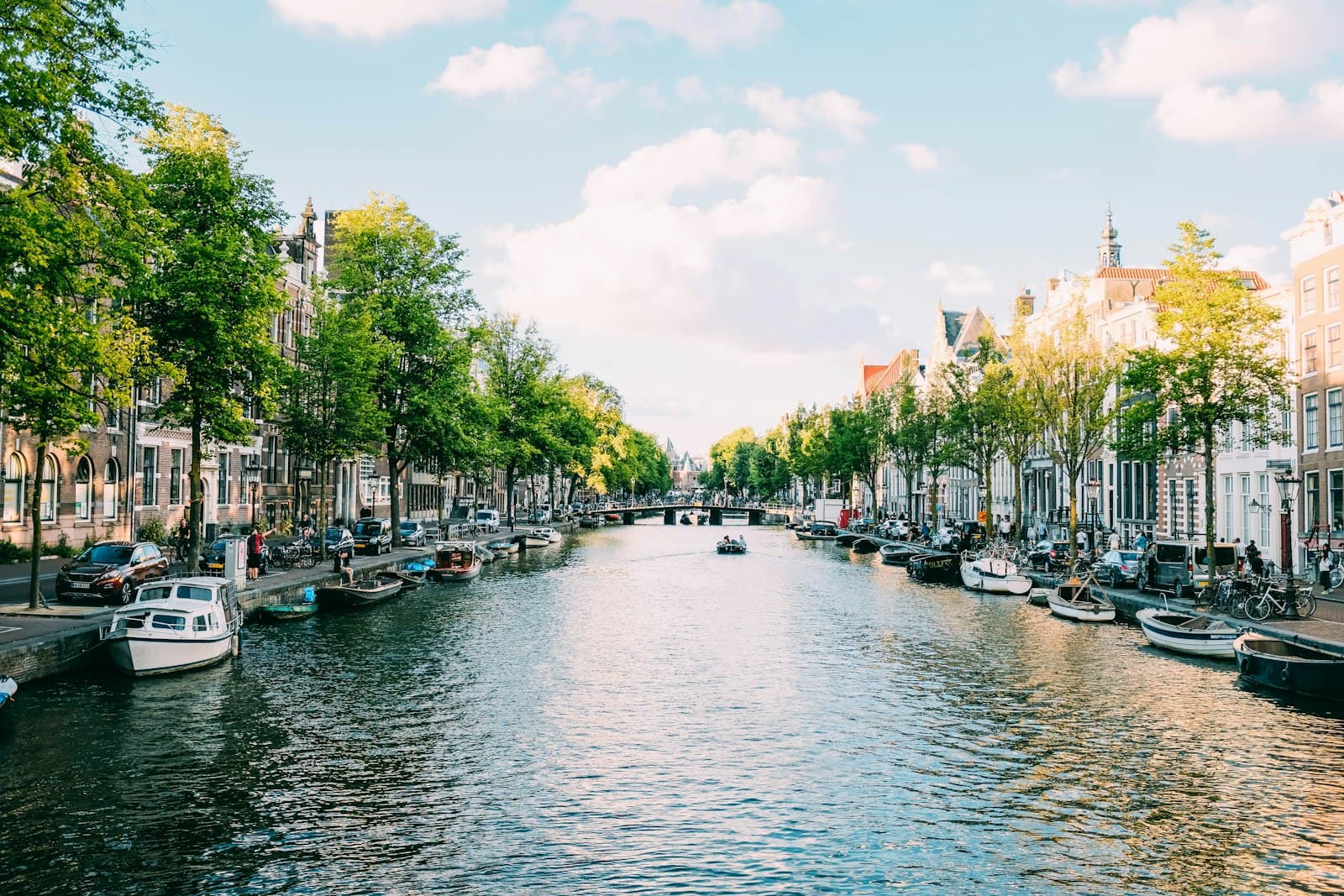
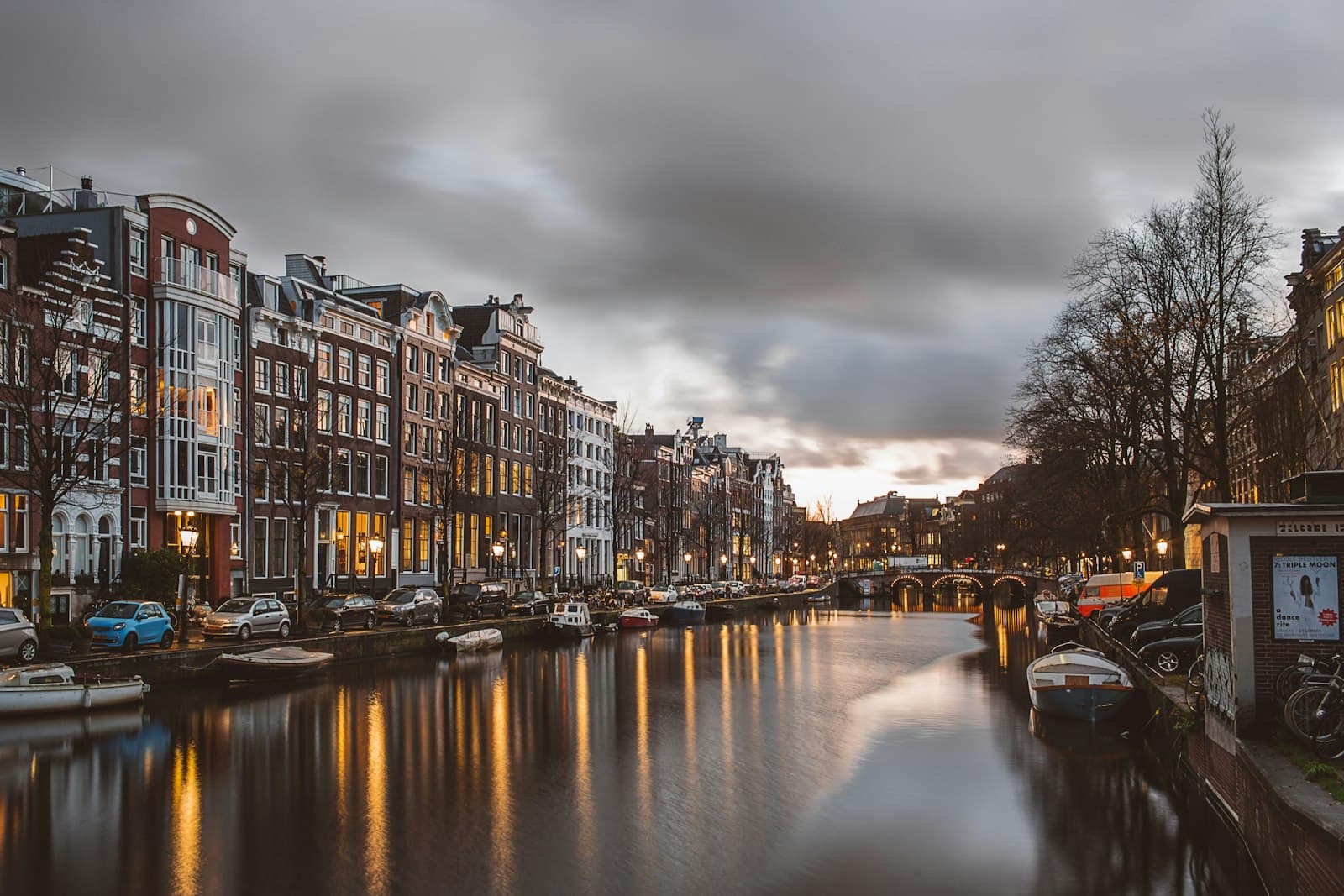
Amsterdam, een stad geboren uit een dam op de Amstel, is een meesterwerk van stadsplanning en een levend bewijs van eeuwenlange handel, innovatie en een opmerkelijk tolerante geest. Vaak de "Venetië van het Noorden" genoemd vanwege het ingewikkelde netwerk van meer dan 165 grachten en meer dan 1.200 bruggen, zijn de waterwegen van de stad niet louter schilderachtig, maar waren ze fundamenteel voor de ontwikkeling en verdediging ervan. Van zijn oorsprong als een klein vissersdorp rond 1000 CE, bloeide Amsterdam uit tot een van de belangrijkste handels- en financiële centra van de wereldeconomie tijdens de Gouden Eeuw in de 17e eeuw.
Vandaag de dag blijft Amsterdam bezoekers betoveren met zijn unieke mix van historische karakter en moderne energie. Het compacte formaat van de stad en de beloopbare straten nodigen uit tot verkenning, hoewel fietsen beroemd de overhand hebben op mensen, wat een typisch Nederlandse ervaring biedt voor degenen die zich wagen aan de uitgebreide fietspaden. Voorbij de gebaande paden onthult Amsterdam lagen fascinerende details, van zijn scheve grachtenpanden gebouwd op miljoenen houten palen tot zijn afgelegen binnenplaatsen en clandestiene kerken. Het is een stad die beloont wie verder kijkt dan het voor de hand liggende, en een dieper begrip biedt van zijn karakter, geschiedenis en unieke manier van leven.
Het verhaal van Amsterdam begint bescheiden rond 1000 CE, met een nederzetting aan de monding van de Amstel. De naam van de stad, oorspronkelijk "Amestelledamme", verwijst naar de dam die in de 13e eeuw werd gebouwd om het laaggelegen land te beschermen tegen overstromingen. Deze strategische locatie, op de samenvloeiing van de Amstel en het IJ, maakte het al snel aantrekkelijk voor handel. In 1275 verleende Graaf Floris V Amsterdam een tolprivilege, waardoor de inwoners werden vrijgesteld van een brugtol, wat de aantrekkelijkheid voor internationale handelaren aanzienlijk vergrootte.
In de 14e en 15e eeuw ontwikkelde Amsterdam zich snel, waarmee de basis werd gelegd voor zijn Gouden Eeuw. De 17e eeuw markeerde het hoogtepunt van Amsterdam. Het werd de belangrijkste handels hub van Europa en het leidende financiële centrum van de Westerse wereld. Deze welvaart leidde tot een massale stedelijke uitbreiding, waarbij de iconische concentrische grachtengordel – de Grachtengordel – werd gepland en gegraven tussen 1585 en 1665. Dit ambitieuze project verviervoudigde de omvang van de stad, bood plaats aan een groeiende bevolking en vestigde een model van grootschalige stadsplanning dat tot de 19e eeuw wereldwijd stedelijke ontwerpen beïnvloedde. De Vereenigde Oostindische Compagnie (VOC), opgericht in Amsterdam in 1602, speelde een cruciale rol in deze economische boom, richtte 's werelds eerste moderne effectenbeurs op en introduceerde nieuwe goederen zoals specerijen, suiker, tabak en zelfs slaven.
Na de Gouden Eeuw kende Amsterdam een periode van neergang, maar wist zijn positie als belangrijke stapelmarkt en financieel centrum te behouden. De 19e eeuw zag hernieuwde groei en verdere stedelijke ontwikkeling, waaronder plannen zoals 'Plan Kalff' (1877) en Berlage's 'Plan Zuid' (1917) om woningtekorten aan te pakken. Amsterdam werd officieel de hoofdstad van Nederland in 1814. De 20e eeuw bracht verdere uitbreiding en uitdagingen, waaronder de Tweede Wereldoorlog, gevolgd door aanzienlijk herstel na de oorlog en stedelijke vernieuwingsprojecten, zoals de ontwikkeling van Nieuw-West en IJburg.
Naast de gerenommeerde musea zoals het Rijksmuseum en het Van Gogh Museum, biedt Amsterdam een schat aan ervaringen. Verken Amsterdam-Noord, een herontwikkeld industrieel gebied dat bereikbaar is met een gratis veerboot, nu een centrum voor kunst, creatieve ruimtes en het STRAAT museum voor street art. Ontdek de rustige hofjes (armenhuizen) in de Jordaan, te vinden achter onopvallende deuren, die een glimp bieden van het filantropische verleden van de stad. Bezoek voor een uniek perspectief op de fundering van de stad het Museum van de Grachten (Het Grachtenmuseum) om te begrijpen waarom Amsterdam eruitziet zoals het doet.
Overweeg een bezoek aan Museum Van Loon, een grachtenpand dat een venster biedt op het aristocratische leven in de 17e eeuw, compleet met antieke kamers en een privétuin. De Hortus Botanicus, een van 's werelds oudste botanische tuinen, biedt een serene ontsnapping met zijn diverse plantencollecties, waaronder een Vlindertuin. Voor een echt lokale ervaring, dwaal door de Negen Straatjes (De Negen Straatjes), een charmant gebied met onafhankelijke winkels en cafés. Ervaar een andere kant van de stad door een rondvaart te maken, die architectonische details en details kan onthullen die vanaf straatniveau vaak worden gemist.
Amsterdam is het hele jaar door een boeiende bestemming, waarbij elk seizoen een onderscheidend karakter biedt. De lente (maart tot mei) is bijzonder betoverend, met tulpen die over het platteland bloeien en bomen langs de grachten die groen worden. April is ideaal om de Keukenhof in volle bloei te zien en de feestelijke Koningsdag vieringen mee te maken.
De zomer (juni tot augustus) brengt warmere temperaturen en langere daglichturen, perfect voor buitenactiviteiten en festivals zoals het Holland Festival en het Grachtenfestival. Voor minder drukte en mild weer, overweeg een bezoek in het vroege najaar (september en oktober), wanneer de parken van de stad herfstkleuren vertonen. De winter (december tot februari) biedt een gezellige sfeer met feestelijke markten en minder toeristen, hoewel het koud en nat kan zijn.
Amsterdam is grotendeels een cashless stad, waarbij contactloos betalen breed wordt geaccepteerd. Het meenemen van een kleine hoeveelheid euro's (ongeveer €20-€40) kan echter handig zijn voor kleinere cafés of rondvaartbootexploitanten. Openbaar vervoer is efficiënt, met trams, bussen en metrolijnen die door GVB worden geëxploiteerd. Een OV-chipkaart of een GVB dagkaart kan besparingen bieden ten opzichte van losse kaartjes. Fietsen is een populaire manier om je te verplaatsen, met tal van verhuurmogelijkheden, maar houd rekening met speciale fietspaden en lokale verkeersregels.
Het boeken van accommodaties en populaire museumtickets (zoals het Anne Frank Huis en het Van Gogh Museum) ruim van tevoren wordt sterk aanbevolen, vooral tijdens het hoogseizoen, om lange wachtrijen te voorkomen en toegang te garanderen. Amsterdam heeft toeristenbelasting, die ongeveer 12,5% toevoegt aan de kosten van accommodatie per nacht, te betalen bij aankomst. Hoewel het over het algemeen een veilige stad is, kan zakkenrollerij voorkomen in drukke toeristische gebieden, dus blijf alert op uw bezittingen. Onthoud dat "coffeeshops" legaal cannabis verkopen, terwijl "cafés" koffie en lichte maaltijden serveren.
Amsterdam — Koreaans, Chinees, Hebreeuws en nog 29 talen, elke stop verteld door een moedertaalspreker. Het grootste taalaanbod van alle zelfgeleide audiotours.
Beschikbaar in: