Anaheim Colony Historic District
De grondleggers van Anaheim dachten niet aan themaparken toen ze de stad aanlegden.
Volledig verhaal ontgrendeld in de tour
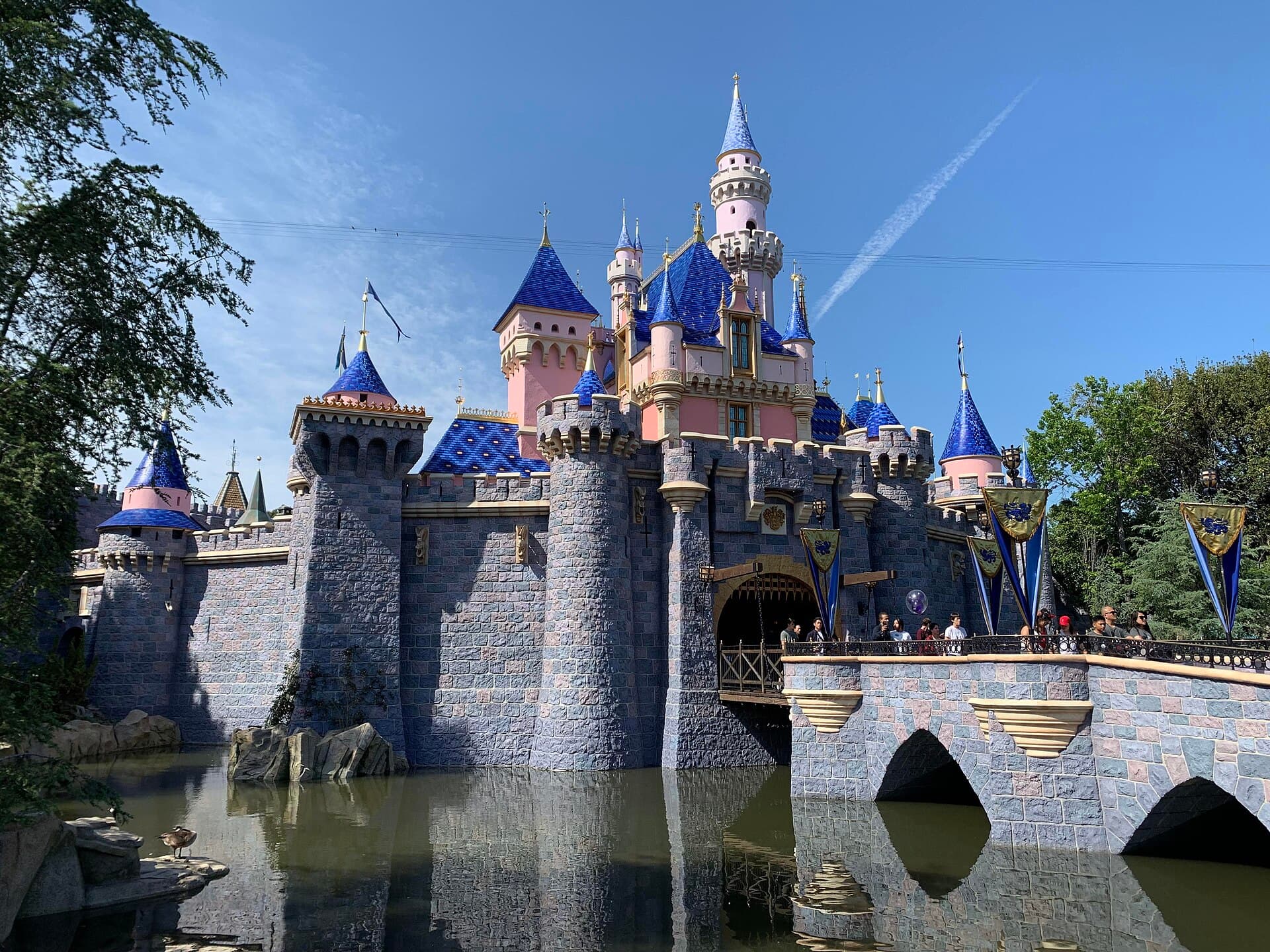 CrispyCream27 / CC BY-SA 4.0, via Wikimedia Commons
Zelfgeleide audiowandeling door Anaheim — GPS-route, offline afspelen, meeslepende vertelling in 32 talen.
“Voorbij de magie klopt een Duits hart in Anaheim.”
Niet de ansichtkaarten. De verhalen die zelfs locals niet kennen — gefluisterd in je oor, precies waar ze gebeurden.
De grondleggers van Anaheim dachten niet aan themaparken toen ze de stad aanlegden.
Decennialang was Anaheim de wijnhoofdstad van Californië en produceerde jaarlijks miljoenen liters.
De eerste openbare gebouwen in Anaheim waren geen administratieve kantoren.
Ontdek elk geheim van Anaheim
Elk adres, elke onthulling volledig — in je oor, precies waar het gebeurde.
Jij kiest je stops. Jij wandelt. De stem onthult wat de anderen missen.

Je zelfgeleide audiotour van Anaheim is klaar — kies je bezienswaardigheden, kies je taal en start zodra je aankomt.
KopenLume heeft een ingebouwde augmented-reality-gids. Houd je telefoon omhoog: de camera toont de straat voor je, met een oplichtende pijl over het echte beeld die altijd naar je volgende stop wijst — geen kaart om uit te puzzelen, geen verkeerde afslagen. Zoals alles in Lume werkt het volledig offline.
Anaheim, een stad in Orange County, Californië, wordt wereldwijd vaak erkend als de thuisbasis van het Disneyland Resort. De identiteit van de stad reikt echter veel verder dan themaparken en omvat een geschiedenis die geworteld is in de landbouw en een divers cultureel landschap. Anaheim ligt ongeveer 40 kilometer ten zuidoosten van het centrum van Los Angeles en is een uitgestrekte stad met meer dan 346.000 inwoners, waarmee het de meest bevolkte stad van Orange County is. De stad trekt bezoekers met zijn wereldklasse uitgaansgelegenheden, professionele sportteams zoals de Los Angeles Angels (MLB) en de Anaheim Ducks (NHL), en een ontwikkelende culinaire scene.
Hoewel het Disneyland Resort een centrale trekpleister blijft, heeft de stad een onderscheidende persoonlijkheid gecultiveerd met onverwachte smaken en lokale scènes. Van het gerevitaliseerde stadscentrum tot het Anaheim Packing District, er is een dynamische energie die aanzet tot verkenning buiten de gebaande paden. De evolutie van Anaheim van een Duitse wijnkolonie tot een grote metropool in Zuid-Californië is een bewijs van zijn blijvende aanpassingsvermogen en geest.
Het verhaal van Anaheim begon in 1857 toen vijftig Duitse families, voornamelijk uit San Francisco en Beieren, 1.165 hectare land kochten van Juan Pacífico Ontiveros's Rancho San Juan Cajón de Santa Ana. Deze kolonisten, van wie velen monteurs, timmermannen en ambachtslieden waren met weinig ervaring in de wijnbouw, vormden de Anaheim Vineyard Company. Ze noemden hun nieuwe nederzetting 'Anaheim', een samentrekking van 'Ana' van de nabijgelegen Santa Ana River en 'heim', het Duitse woord voor thuis, wat 'thuis aan de Santa Ana River' betekent.
Bijna 25 jaar lang bloeide Anaheim als de toonaangevende wijnproducent van Californië. Tegen 1880 produceerde de kolonie jaarlijks 1,25 miljoen gallon wijn en 100.000 gallon brandy. Een verwoestende druivenziekte in de jaren 1880 decimeerde echter de wijngaarden, wat leidde tot een aanzienlijke verschuiving in de lokale economie. Veerkrachtig plantten de bewoners hun land opnieuw met nieuwe gewassen, waaronder citrusboomgaarden, walnoten en chilipepers. De eerste commercieel geteelde sinaasappelen in Orange County werden in Anaheim verbouwd, profiterend van de lokale heuvels die de vruchten beschermden tegen koude wind.
De aanleg van het Santa Fe-station in 1887 was cruciaal, waardoor de citruskwekers van Anaheim werden verbonden met de oostelijke markten en de groei van de stad verder werd gestimuleerd. Het belang van citrus werd benadrukt door de oprichting van de 'California Valencia Orange Show' in 1921, een evenement bedoeld om de Valencia-sinaasappel te promoten. Anaheim bleef grotendeels een agrarische gemeenschap tot het midden van de 20e eeuw.
Een cruciaal moment in de geschiedenis van Anaheim vond plaats op 17 juli 1955, met de opening van Disneyland. Walt Disney had aanvankelijk gepland om het pretpark op het studieterrein te bouwen, maar koos een landelijk perceel in Anaheim vanwege de vijandige houding van de stadsfunctionarissen van Burbank ten opzichte van het project. Dit transformerende evenement verlegde de focus van Anaheim van landbouw naar toerisme, wat leidde tot snelle ontwikkeling, waaronder de bouw van talrijke hotels, motels en woonwijken. De stad evolueerde ook tot een industrieel centrum, dat elektronica en vliegtuigonderdelen produceerde.
Vandaag de dag is Anaheim een charterstad en de tiende meest bevolkte stad in Californië. Het Anaheim Resort-district, ruwweg begrensd door de Santa Ana River, Ball Road, Walnut Street en de stadsgrenzen van Garden Grove, is de thuisbasis van het Disneyland Resort, het Anaheim Convention Center en sportstadions zoals het Honda Center en Angel Stadium of Anaheim. De stad blijft haar diverse erfgoed omarmen terwijl ze naar de toekomst kijkt, met inspanningen om het stadscentrum te revitaliseren en haar unieke geschiedenis te vieren.
Hoewel Disneyland Resort een primaire trekpleister is, biedt Anaheim een verscheidenheid aan ervaringen buiten de beroemde themaparken. Het Anaheim Packing District is een culinaire en sociale hub, gehuisvest in een historisch citruspakstation uit 1919. Het biedt een diverse collectie ambachtelijke eetgelegenheden, livemuziek en een bar in speakeasy-stijl. Vlakbij toont de Center Street Promenade lokale ambachten, door chefs gedreven restaurants en innovatieve verkopers.
Voor sportliefhebbers is Anaheim de thuisbasis van Angel Stadium of Anaheim, waar de Los Angeles Angels honkbal spelen, en het Honda Center, dat het Anaheim Ducks-ijshockeyteam en diverse concerten en evenementen organiseert. Het Anaheim Convention Center is ook een belangrijk herkenningspunt, bekend om zijn architectonisch ontwerp en grootschalige evenementen.
Om in het verleden van de stad te duiken, bezoek het Anaheim Museum, dat inzicht biedt in de geschiedenis van het gebied. Het Anaheim Colony Historic District biedt een glimp van de Duitse wortels van de stad met zijn bewaard gebleven architectuur. Voor wie geïnteresseerd is in lokale bieren, de La Palma Beer Trail bevat verschillende brouwerijen, waaronder The Bruery Terreux Tasting Room en Brewery X. Bovendien biedt Pearson Park een recreatieve plek met een amfitheater voor openluchtconcerten.
Anaheim heeft het hele jaar door een mild mediterraan klimaat, met warme, droge zomers en af en toe winterse regenval. De beste tijd om te bezoeken voor activiteiten in warm weer is van eind mei tot begin oktober. De zomer, van juni tot augustus, is populair vanwege de schoolvakanties, met temperaturen meestal in de 20 graden Celsius, en minimale regenval. Deze periode kent echter ook grotere drukte en hogere prijzen.
De lente (maart tot mei) is een uitstekende keuze, met aangename temperaturen in de 15-25 graden Celsius, minder drukte en diverse voedsel- en buitenfestivals. De winter (januari en februari) biedt ook mild weer, met temperaturen in de 15-20 graden Celsius, waardoor het een goede optie is voor wie de zomerdrukte wil vermijden.
Anaheim ligt ongeveer 40 kilometer ten zuidoosten van het centrum van Los Angeles en is bereikbaar via de 91 Freeway. De openbaarvervoersopties van de stad omvatten lokale busdiensten. Voor degenen die afhankelijk zijn van rittendiensten of taxi's, zijn deze diensten overal in de stad gemakkelijk beschikbaar, met name rond de belangrijkste attracties. Veel hotels in het Anaheim Resort-district bieden shuttlediensten naar Disneyland Park.
Accommodatiemogelijkheden variëren van gezinsvriendelijke hotels tot luxe resorts, met veel gelegen langs Katella Avenue en Harbor Boulevard nabij het Disneyland Resort. Dineren in Anaheim is divers, van de ambachtelijke eetgelegenheden van het Packing District tot een verscheidenheid aan restaurants die aan verschillende smaken en budgetten voldoen. Het is raadzaam om accommodaties en populaire dinerervaringen van tevoren te boeken, vooral tijdens het hoogseizoen. Gehydrateerd blijven en zonnebrandcrème gebruiken wordt aanbevolen, vooral tijdens de warmere maanden.
Anaheim — Koreaans, Chinees, Hebreeuws en nog 29 talen, elke stop verteld door een moedertaalspreker. Het grootste taalaanbod van alle zelfgeleide audiotours.
Beschikbaar in: