Pont des Amours (Brücke der Liebenden)
Diese anmutige Brücke trägt eine romantische Legende, obwohl ihr Name möglicherweise einen weniger poetischen Ursprung hat.
Die ganze Geschichte wird in der Tour freigeschaltet
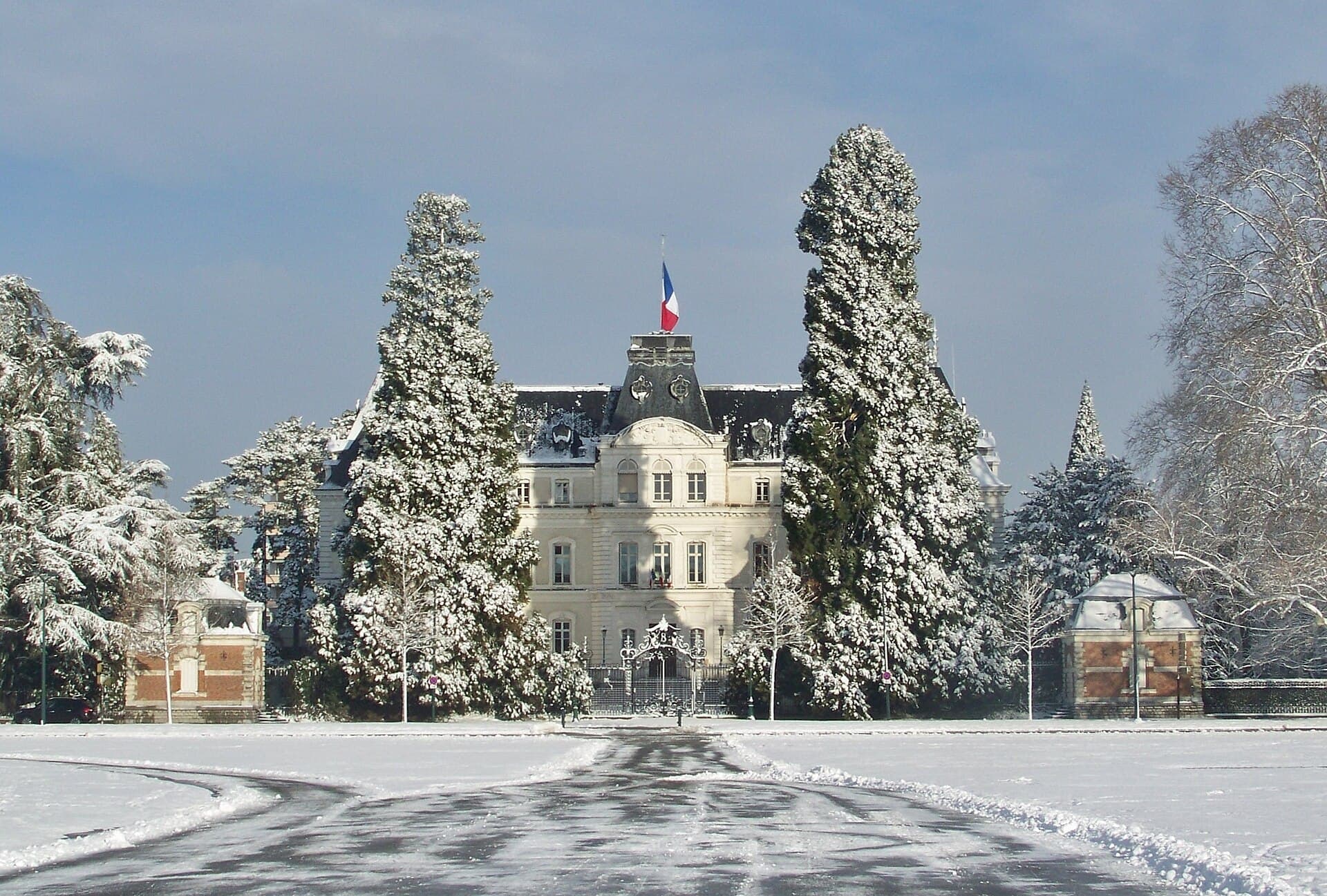 Florian Pépellin / CC BY-SA 3.0, via Wikimedia Commons
Selbstgeführte Audio-Walking-Tour durch Annecy — GPS-Route, Offline-Wiedergabe, erzählerische Narration in 32 Sprachen.
“Wo alpine Gipfel auf türkisfarbenes Wasser und mittelalterlichen Charakter treffen.”
Nicht die Postkarten. Die Geschichten, die selbst Einheimische nicht kennen – dir ins Ohr geflüstert, genau dort, wo sie geschahen.
Diese anmutige Brücke trägt eine romantische Legende, obwohl ihr Name möglicherweise einen weniger poetischen Ursprung hat.
Dieses markante Inselgebäude, das oft wegen seiner ungewöhnlichen Form abgebildet wird, diente im Laufe seines langen Lebens zahlreichen Funktionen, darunter auch einer, die Sie vielleicht überraschen wird.
Bevor sich diese Grünfläche in einen ruhigen Park im englischen Stil verwandelte, hatte sie im Mittelalter einen überraschenden und düsteren Zweck.
Entdecke jedes Geheimnis von Annecy
Jede Adresse, jede Enthüllung vollständig – in deinem Ohr, genau dort, wo es geschah.
Du wählst deine Stationen. Du gehst. Die Stimme enthüllt, was andere übersehen.


Deine selbstgeführte Audio-Tour durch Annecy ist bereit – wähle deine Sehenswürdigkeiten, deine Sprache und starte, sobald du ankommst.
KaufenLume enthält einen integrierten Augmented-Reality-Guide. Halten Sie Ihr Handy hoch: Die Kamera zeigt die Straße vor Ihnen, mit einem leuchtenden Pfeil über dem echten Bild, der immer auf Ihren nächsten Stopp zeigt — keine Karte zum Rätseln, keine falschen Abzweigungen. Wie alles bei Lume funktioniert es komplett offline.
Annecy, oft als "Venedig der Alpen" bezeichnet, ist eine Stadt, in der klare Kanäle durch eine mittelalterliche Altstadt mäandern, eingerahmt von den dramatischen französischen Alpen und dem unberührten Wasser des Sees von Annecy. Seine fesselnde Mischung aus natürlicher Pracht und beständigem Charakter hat ihm Anerkennung als eine der reizvollsten Städte Frankreichs und als sehr begehrten Wohnort eingebracht.
Der Reiz der Stadt ergibt sich aus ihren fußgängerfreundlichen Gassen, ihren leuchtend bunten Gebäuden und der ständigen Präsenz des Flusses Thiou, eines der kürzesten Flüsse Frankreichs, der aus dem See von Annecy fließt und einst die historischen Mühlen der Stadt antrieb. Reisende zieht es nach Annecy wegen seiner Outdoor-Aktivitäten, vom Radfahren am Seeufer bis zum Paragliding über seiner türkisfarbenen Weite, sowie wegen seiner lebendigen Kulturszene und lokalen Küche.
Die Geschichte von Annecy reicht bis in die Antike zurück, mit Spuren menschlicher Besiedlung am Ufer des Sees von Annecy, die bis ins Jahr 3100 v. Chr. zurückreichen. Die Römer gründeten um 50 v. Chr. eine Stadt namens Boutae, die auf etwa 2.000 Einwohner anwuchs. Nach dem Fall des Römischen Reiches führten jedoch Einfälle von Barbaren zum Niedergang der Stadt, wobei einige Einwohner Zuflucht in den Höhlen des Mont Veyrier suchten.
Die Bedeutung von Annecy wuchs im Mittelalter, als es im 10. Jahrhundert zum Sitz der Grafen von Genf wurde. Die Grafen verlegten ihren Wohnsitz im späten 12. Jahrhundert nach Annecy und verwandelten es in ein Handelszentrum, in dem Mühlen und Industrien entlang des Flusses Thiou florierten. Im Jahr 1401 fiel Annecy an die Grafen von Savoyen und war bis 1444 die regionale Hauptstadt der Provinzen Genevois, Faucigny und Beaufortain.
Das 16. Jahrhundert markierte eine entscheidende Periode für Annecy. Mit dem Aufstieg der calvinistischen Reformation im nahegelegenen Genf wurde Annecy zu einem Zufluchtsort für Katholiken und einem wichtigen Zentrum der Gegenreformation, was ihm den Beinamen "Rom der Alpen" einbrachte. François de Sales, der von 1602 bis 1622 Bischof von Annecy war, spielte eine entscheidende Rolle bei der Stärkung des intellektuellen und spirituellen Ansehens der Stadt. In dieser Zeit beherbergte Annecy, eine Stadt mit nur 5.000 Einwohnern, dreizehn religiöse Orden.
Annecy blieb jahrhundertelang unter savoyardischer Herrschaft und wurde 1720 sogar Teil des Königreichs Piemont-Sardinien. Die Französische Revolution brachte eine Zeit wechselnder Loyalitäten, und Annecy wurde dem Département Mont Blanc angeschlossen. Schließlich, im Jahr 1860, mit dem Vertrag von Turin, wurde Savoyen an Frankreich angegliedert, und Annecy wurde zur Hauptstadt des neuen Départements Haute-Savoie. In den letzten Jahren hat sich Annecy erheblich erweitert. Im Jahr 2017 fusionierte es mit fünf Nachbargemeinden – Annecy-le-Vieux, Cran-Gevrier, Meythet, Pringy und Seynod – wodurch seine Bevölkerung auf über 128.000 Einwohner und sein städtisches Gebiet auf über 177.000 anstieg, was es zur siebtgrößten Stadt der Region Auvergne-Rhône-Alpes macht.
Beginnen Sie Ihre Erkundung in Annecys Vieille Ville (Altstadt), einem Labyrinth aus gepflasterten Straßen, Arkadengängen und pastellfarbenen Gebäuden, die sich in den Kanälen des Flusses Thiou spiegeln. Schlendern Sie durch Viertel wie die Rue Sainte-Claire und die Rue Perrière, um die Architektur zu bewundern und traditionelle Geschäfte und Cafés zu entdecken.
Die bekannteste Sehenswürdigkeit ist der Palais de l'Île, eine Festung aus dem 12. Jahrhundert auf einer kleinen Insel im Fluss Thiou. Dieses dreieckige Steingebäude diente verschiedenen Zwecken, darunter als Gefängnis und Gerichtsgebäude, und beherbergt heute ein Heimatmuseum. Oberhalb der Altstadt thront das Château d'Annecy, eine mittelalterliche Burg, die einst die Residenz der Grafen von Genf war. Nach einem Aufstieg werden Sie mit Blick auf die Stadt und den See belohnt. Die Burg dient heute als Museum, das regionale Kunst und Artefakte ausstellt.
Kein Besuch in Annecy ist vollständig ohne den See von Annecy. Spazieren Sie entlang seines nördlichen Ufers, wo die Jardins de l'Europe und Le Pâquier weitläufige Grünflächen bieten. Überqueren Sie die Pont des Amours (Brücke der Liebenden), die den Kanal Vassé überspannt und einen Blick auf den See und die umliegenden Berge bietet. Erwägen Sie eine Bootsfahrt auf dem See oder mieten Sie für die Aktiveren ein Fahrrad, um den Radweg rund um den See zu erkunden, oder schwimmen Sie an einem der Strände von Annecy.
Die beste Zeit für Aktivitäten bei warmem Wetter in Annecy ist von Mitte Juni bis Mitte September, wenn die Temperaturen angenehm sind und im Juli und August durchschnittlich zwischen 25°C und 30°C liegen. Das Seewasser ist in dieser Zeit auch warm genug zum Schwimmen. Um die größten Menschenmassen und potenziell höheren Preise zu vermeiden, sollten Sie die Übergangszeiten Mai und Ende September bis Oktober in Betracht ziehen. In diesen Monaten ist das Wetter immer noch mild, und die Landschaften sind besonders reizvoll mit blühenden Blumen im Frühling und lebendigen Herbstfarben im Herbst. Der Winter bietet ein anderes Erlebnis mit weniger Andrang und der Nähe zu Skigebieten, obwohl die Temperaturen recht kalt sein können.
Annecy liegt im Südosten Frankreichs, etwa 45 Minuten von Genf und anderthalb Stunden von Lyon mit dem Auto entfernt. Der bequemste Flughafen für internationale Reisende ist der Flughafen Genf (GVA), von dem aus direkte Busverbindungen nach Annecy bestehen. Das Stadtzentrum von Annecy ist kompakt und leicht zu Fuß zu erkunden. Für längere Strecken oder Ausflüge rund um den See sind Fahrräder eine beliebte Option mit verfügbaren Verleihdiensten. Ein gut organisierter Busverkehr verkehrt auch innerhalb der Stadt. Die lokale Währung ist der Euro (EUR), und obwohl Kreditkarten weit verbreitet sind, ist es ratsam, etwas Bargeld für kleinere Einkäufe mitzuführen. Französisch ist die Amtssprache, und das Erlernen einiger grundlegender Sätze wird geschätzt.
Annecy — Koreanisch, Chinesisch, Hebräisch und 29 weitere Sprachen, jede Station von einer muttersprachlichen Stimme erzählt. Die größte Sprachauswahl aller selbstgeführten Audiotouren.
Verfügbar auf: