Dolmen de Menga
Esta câmara funerária pré-histórica guarda um segredo de construção que desafia a engenharia antiga típica.
História completa desbloqueada no tour
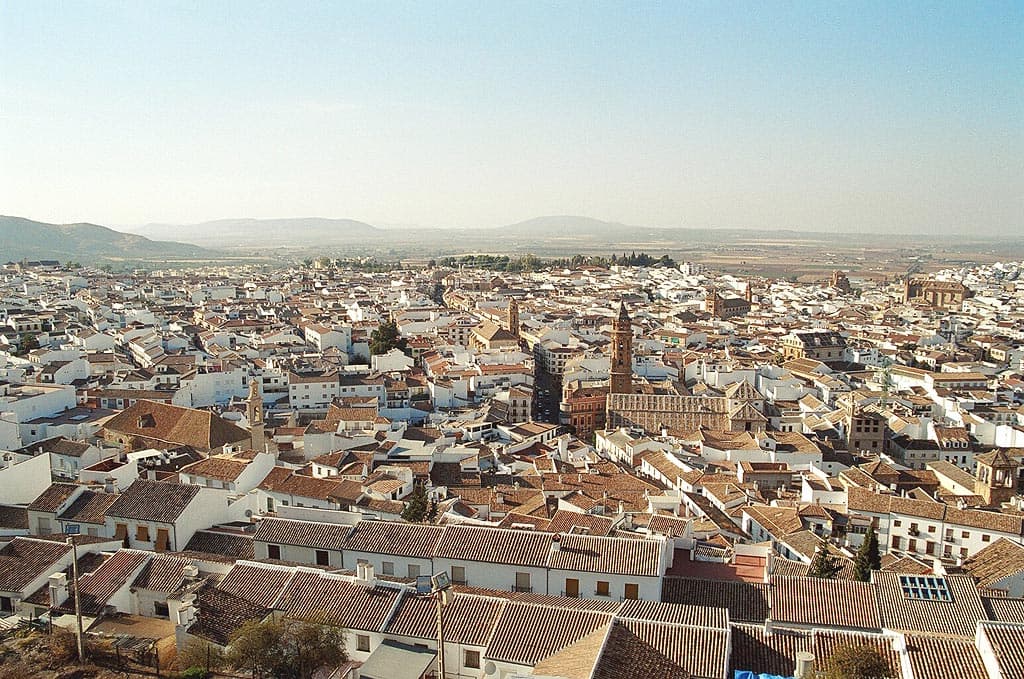 Unknown author / CC BY-SA 3.0, via Wikimedia Commons
Tour de áudio autoguiado por Antequera — rota GPS a pé, reprodução offline, narração envolvente em 32 idiomas.
“Onde pedras antigas recontam as sagas de impérios e afeições.”
Não os postais. As histórias que nem os locais conhecem — sussurradas ao seu ouvido, exatamente onde aconteceram.
Esta câmara funerária pré-histórica guarda um segredo de construção que desafia a engenharia antiga típica.
Este grande arco é mais do que um monumento; serve como uma exposição a céu aberto secular.
Além de seu elegante exterior barroco, este convento oferece uma troca distinta e doce.
Descubra cada segredo de Antequera
Cada endereço, cada revelação na íntegra — no seu ouvido, exatamente onde aconteceu.
Você escolhe as suas paragens. Você caminha. A voz revela o que os outros perdem.


O seu tour áudio autoguiado de Antequera está pronto — escolha os seus pontos de interesse, selecione o seu idioma e comece no momento em que chegar.
ComprarA Lume inclui um guia de realidade aumentada. Levante o telemóvel: a câmara mostra a rua à sua frente, com uma seta luminosa sobreposta à imagem real que aponta sempre para a sua próxima paragem — sem mapa para decifrar, sem voltas erradas. Como tudo na Lume, funciona totalmente offline.
Antequera, frequentemente referida como o 'Coração da Andaluzia', é uma cidade onde milênios de história estão gravados na paisagem e na arquitetura. Situada centralmente entre Málaga, Granada, Córdoba e Sevilha, oferece uma rica sobreposição de culturas sem as multidões avassaladoras de seus vizinhos mais famosos. De suas dramáticas montanhas de calcário a suas férteis planícies, Antequera apresenta uma cativante fusão de esplendor natural e esforço humano.
Esta cidade andaluza convida à exploração minuciosa, com seu horizonte pontuado por pináculos de igrejas e a formidável fortaleza moura, a Alcazaba. Além dos marcos visíveis, Antequera possui um encanto mais tranquilo, evidente em sua culinária tradicional, hospitalidade local e na sensação palpável de um lugar profundamente conectado ao seu passado. É um destino para aqueles que apreciam experiências autênticas e desejam mergulhar nas narrativas sobrepostas do sul da Espanha.
## Da Pré-história à Antikaria Romana A história de Antequera começa na Idade do Bronze, com evidências de assentamentos que datam de milhares de anos. Os remanescentes mais significativos desta era são os Dolmens de Menga, Viera e El Romeral, monumentais sítios funerários megalíticos considerados entre os melhores da Espanha e reconhecidos como Patrimônio Mundial da UNESCO. Essas estruturas colossais, algumas datando de 5.000 anos atrás, precedem as pirâmides egípcias. A área também viu a presença de Ibéricos, Tártaros, Fenícios e Cartagineses. Os romanos estabeleceram três assentamentos, incluindo Antikaria, que se tornou um vital centro comercial, particularmente para a produção de azeite. Vestígios da civilização romana, como banhos romanos escavados e a estátua de bronze conhecida como 'Efebo de Antequera', atestam este período de prosperidade.
## Medina Moura Antakira e Reconquista Cristã Em 716, o Império Omíada mouro conquistou Antequera, renomeando-a Medina Antakira. Durante este período, a cidade foi fortemente fortificada com uma Alcazaba e muralhas defensivas, refletindo sua importância estratégica na fronteira entre territórios muçulmanos e cristãos. A Alcazaba, uma fortaleza do século XIV construída sobre ruínas romanas, permanece como um testemunho desta era. Em 1410, o Príncipe Dom Fernando de Castela capturou a cidade, um momento crucial na Reconquista Cristã, o que lhe rendeu o apelido de 'Dom Fernando de Antequera'. Após a queda de Granada em 1492, Antequera expandiu-se para além de suas muralhas originais, e seu traçado urbano começou a tomar forma.
## Florescimento Renascentista e Significado Moderno Os séculos XVI a XVIII marcaram um período de crescimento significativo e desenvolvimento artístico para Antequera. A Real Colegiata de Santa María la Mayor, construída entre 1514 e 1550, é considerada a primeira igreja renascentista da Andaluzia. A cidade tornou-se um centro florescente de comércio no século XVIII. O século XIX trouxe desafios com a invasão napoleônica e surtos de febre amarela, mas a cidade se recuperou com o surgimento de uma classe burguesa e a industrialização no setor têxtil. Hoje, Antequera é uma cidade moderna que combina perfeitamente seu profundo legado histórico com a vida contemporânea. Também desempenhou um papel na ascensão do nacionalismo andaluz, sendo o local da redação da Constituição Federal de Antequera em 1883 e do Pacto de Antequera em 1978, que levou à autonomia andaluza.
Comece sua exploração na Alcazaba de Antequera, uma fortaleza moura do século XIV que oferece vistas panorâmicas da cidade e da paisagem circundante. Logo abaixo, explore os restos de vários Banhos Romanos. Caminhe pelo Arco de los Gigantes, um arco do século XVI que incorpora alvenaria romana.
Visite a Real Colegiata de Santa María la Mayor, um dos primeiros exemplos da arquitetura renascentista na Andaluzia. O próximo Mirador de las Almenillas oferece excelentes pontos de observação da cidade e da distinta La Peña de los Enamorados, uma montanha que se assemelha a um rosto adormecido, entrelaçada com lendas locais. Não perca os Dolmens de Antequera (Menga, Viera e El Romeral), Patrimônios Mundiais da UNESCO que são impressionantes câmaras funerárias megalíticas.
Para uma escapada natural, um curto percurso de carro leva ao El Torcal de Antequera, uma reserva natural renomada por suas extraordinárias formações de calcário, resultado de milhões de anos de erosão. De volta à cidade, explore a Plaza de Toros de Antequera, uma das praças de touros mais distintas da Andaluzia, com um museu no local. Passeie pelo centro histórico, descobrindo inúmeras igrejas e conventos, como o Convento de Belén, e aproveite a cena de tapas local.
A época mais oportuna para visitar Antequera para um clima agradável e atividades ao ar livre é durante os meses de primavera (março, abril, maio, junho) e outono (setembro, outubro). Durante esses períodos, as temperaturas médias variam de 18°C a 29°C, ideais para passeios turísticos e exploração. A estação seca se estende de maio a setembro. Os verões (julho e agosto) podem ser quentes, com máximas diárias chegando a cerca de 32°C (90°F), e geralmente são lotados. Os invernos (janeiro e fevereiro) são mais frios, com temperaturas entre 4°C e 14°C, mas oferecem menos multidões e oportunidades para participar das atividades locais de colheita de azeitonas.
Antequera é bem conectada e fácil de navegar. Está localizada a aproximadamente 45 quilômetros de Málaga. Se viajar de trem, esteja ciente de que a estação de trem de alta velocidade AVE, Antequera Santa Ana, fica a cerca de 17 quilômetros a noroeste da cidade, exigindo uma conexão de táxi ou ônibus para chegar à cidade. A estação de ônibus da cidade está localizada centralmente perto da Plaza de Toros, oferecendo boas conexões com as principais cidades.
Dentro do centro da cidade, a maioria das atrações é acessível a pé, embora haja algumas colinas. O estacionamento é geralmente mais fácil de encontrar em Antequera em comparação com outras cidades andaluzas, com estacionamento gratuito disponível no local dos Dolmens e opções perto da Alcazaba e da Plaza del Portichuelo. O Escritório de Turismo está localizado na Plaza de San Sebastián, 7. A culinária local inclui porra antequerana, uma sopa fria de tomate, e mollete de antequera, um pão macio. Muitos bares oferecem tapas, embora geralmente não sejam gratuitas.
Antequera — coreano, chinês, hebraico e mais 29 idiomas, cada parada narrada por uma voz nativa. A maior variedade de idiomas entre os passeios de áudio autoguiados.
Disponível em: