Sito di Sannai-Maruyama
Aomori custodisce i resti di una metropoli preistorica, un insediamento Jomon che prosperò migliaia di anni fa.
La storia completa si sblocca nel tour
 岩浪陸 / CC BY 3.0, via Wikimedia Commons
Tour audio autoguidato di Aomori — percorso GPS a piedi, riproduzione offline, narrazione coinvolgente in 32 lingue.
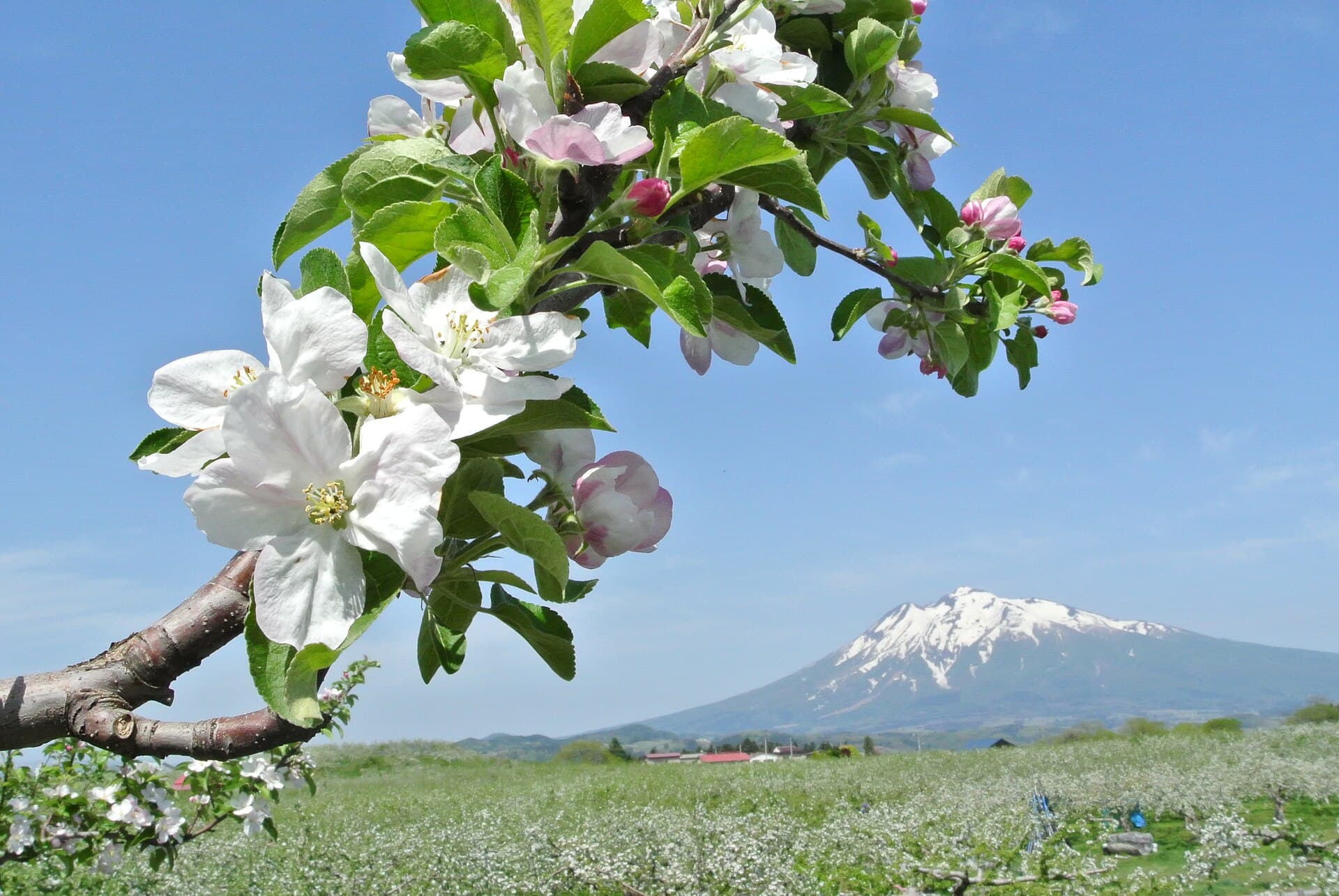
“Dove antiche foreste incontrano giganti illuminati e frutteti di mele si estendono fino al mare.”
Non le cartoline. Le storie che nemmeno i locali conoscono — sussurrate nel tuo orecchio, proprio dove sono accadute.
Aomori custodisce i resti di una metropoli preistorica, un insediamento Jomon che prosperò migliaia di anni fa.
Ad Aomori, c'è una montagna ritenuta un portale per l'aldilà, dove i vivi possono ancora conversare con i defunti.
Questo museo d'arte contemporanea, con la sua architettura bianca di grande impatto, ha un sorprendente cameo in un famoso film di spionaggio.
Scopri ogni segreto di Aomori
Ogni indirizzo, ogni rivelazione completa — nel tuo orecchio, proprio dove è accaduta.
Scegli le tue tappe. Cammini. La voce rivela ciò che gli altri perdono.


Il tuo tour audio autoguidato di Aomori è pronto — scegli i tuoi punti di interesse, seleziona la tua lingua e inizia nel momento in cui arrivi.
AcquistaLume include una guida in realtà aumentata. Alza il telefono: la fotocamera mostra la strada davanti a te, con una freccia luminosa sovrapposta all'immagine reale che punta sempre verso la tua prossima tappa — nessuna mappa da decifrare, nessuna svolta sbagliata. Come tutto in Lume, funziona completamente offline.
Aomori, la capitale prefettizia più settentrionale dell'isola principale di Honshu, in Giappone, offre una miscela distintiva di grandezza naturale e tradizioni culturali profondamente radicate. Circondata dall'Oceano Pacifico, dallo Stretto di Tsugaru e dal Mar del Giappone, questa regione presenta un paesaggio che cambia drasticamente con le stagioni: dalla delicata sfumatura rosa dei ciliegi in fiore in primavera ai toni infuocati del fogliame autunnale e alla bellezza austera delle montagne innevate in inverno.
Globalmente riconosciuta per i suoi abbondanti frutteti di mele, Aomori è anche un rifugio per coloro che cercano esperienze autentiche giapponesi al di là dei sentieri battuti. La città funge da porta d'accesso ad antichi siti archeologici, sorgenti termali serene e vivaci festival, in particolare il Festival Nebuta di Aomori. Il suo centro città compatto, con molte attrazioni raggiungibili a piedi dalla stazione di Aomori, la rende una destinazione accessibile per l'esplorazione.
La storia di Aomori risale al periodo preistorico Jomon, come testimoniano siti come Sannai-Maruyama. Questo grande insediamento fu abitato per quasi due millenni, mostrando una cultura sofisticata che praticava un esteso commercio. I reperti archeologici qui includono numerose statuette di argilla, prodotti in legno e lacche, che dipingono un quadro di una fiorente comunità antica.
Durante l'era feudale del Giappone, la regione fu in gran parte plasmata dal clan Tsugaru. Hirosaki, a breve distanza in treno da Aomori City, servì come un importante castello fondato dal primo signore feudale Tsugaru all'inizio del 1600. A differenza di molti altri castelli distrutti da guerre o disastri naturali, il Castello di Hirosaki è sopravvissuto, rendendolo uno dei soli 12 castelli originali rimasti in Giappone.
Il nome 'Aomori', che significa 'foresta blu', riflette gli abbondanti paesaggi naturali della regione. La posizione strategica della città sulla costa portò al suo sviluppo come porto cruciale, in particolare per i collegamenti in traghetto con Hokkaido, sebbene il completamento del Tunnel Seikan e l'ascesa dei viaggi aerei abbiano alterato il suo ruolo.
Il Festival Nebuta di Aomori, una pietra angolare dell'identità della città, ha radici alquanto dibattute ma spesso collegate al Festival Tanabata dalla Cina e alle usanze locali Tsugaru. Le prime iterazioni prevedevano il trasporto di foglie e lanterne per allontanare i "demoni del sonno" durante la frenetica estate, un rituale noto come Nemuri Nagashi. Queste semplici lanterne si sono evolute nei colossali carri illuminati, o nebuta, visti oggi.
Dopo la Seconda Guerra Mondiale, il festival ha visto una trasformazione, con i carri che sono diventati più elaborati e hanno incorporato l'illuminazione elettrica invece delle candele. Questo periodo ha visto anche le aziende iniziare a sponsorizzare i carri, enfatizzando il turismo locale. Nel 1980, il Festival Nebuta di Aomori è stato riconosciuto come Importante Bene Culturale Popolare Immateriale del Giappone, a testimonianza della sua importanza culturale. Il fascino duraturo del festival risiede nel suo vivace spettacolo e nell'opportunità per chiunque indossi un costume da haneto di unirsi alla danza energica.
Aomori offre diverse attrazioni, da siti storici a vivaci esperienze culturali e meraviglie naturali. Inizia al Museo Nebuta Wa Rasse, situato vicino alla stazione di Aomori. Qui, puoi vivere lo spettacolo del Festival Nebuta di Aomori tutto l'anno, ammirando gli intricati carri illuminati dei festival precedenti e imparando la loro creazione e storia.
Per un viaggio nell'antico Giappone, visita il Sito di Sannai-Maruyama, uno dei più grandi insediamenti del periodo Jomon in Giappone. Esplora le abitazioni ricostruite e scopri manufatti che offrono uno sguardo sulla vita di migliaia di anni fa. Adiacente a questo sito si trova il Museo d'Arte di Aomori, uno straordinario edificio contemporaneo che ospita una collezione di arte giapponese e internazionale, inclusa un'enorme statua di cane.
Concediti la fama culinaria di Aomori al Mercato del Pesce di Furukawa (Aomori Gyosai Center), dove puoi creare il tuo nokke-don scegliendo condimenti di pesce fresco per una ciotola di riso. Per gli appassionati di mele, l'A-Factory, un mercato e birrificio di sidro vicino alla stazione di Aomori, offre una vasta gamma di prodotti a base di mele, dai sidri ai dolci e ai succhi.
Gli amanti della natura possono esplorare i Monti Hakkoda, che offrono escursioni nei mesi più caldi e sci con i "mostri di neve" (alberi coperti di brina) in inverno, accessibili tramite funivia. Per una gita di un giorno panoramica, il Castello e Parco di Hirosaki sono rinomati per i loro ciliegi in fiore in primavera e per il mastio del castello preservato.
Non perderti la Nave Memoriale del Traghetto Ferroviario Seikan Hakkoda-maru, un traghetto preservato che collegava un tempo Aomori con Hokkaido prima della costruzione del Tunnel Seikan.
Aomori offre esperienze distinte durante tutto l'anno. La Primavera (fine aprile - inizio maggio) è ideale per ammirare i ciliegi in fiore, specialmente al Parco di Hirosaki. L'Estate (agosto) è la stagione di punta per il Festival Nebuta di Aomori, uno spettacolo vivace di carri illuminati e danze. Le temperature sono più miti rispetto al sud del Giappone, rendendolo confortevole per le attività all'aperto.
L'Autunno (settembre-ottobre) mostra splendidi colori autunnali, in particolare nei Monti Hakkoda e nella Gola di Oirase, con temperature piacevoli per le escursioni. L'Inverno (gennaio-marzo) trasforma Aomori in un paese delle meraviglie innevate, offrendo sci sui Monti Hakkoda e il Festival delle Lanterne di Neve di Hirosaki.
Il centro compatto di Aomori City rende molte attrazioni raggiungibili a piedi dalla stazione di Aomori. Per destinazioni più lontane, una rete di autobus completa, centrata alla stazione di Aomori, offre un comodo accesso a siti come il Museo d'Arte di Aomori e i Siti Jomon di Sannai-Maruyama. L'autobus navetta Nebutan-go serve specificamente le principali attrazioni turistiche.
Per esplorare la più ampia Prefettura di Aomori, in particolare aree come i Monti Hakkoda o la Penisola di Shimokita, noleggiare un'auto offre flessibilità, anche se alcune strade potrebbero chiudere in inverno. Il treno proiettile Tohoku Shinkansen collega Tokyo alla stazione di Shin-Aomori in circa 3,5 ore, con un breve trasferimento alla stazione di Aomori. L'aeroporto di Aomori ha anche voli diretti dall'aeroporto di Haneda a Tokyo. I prezzi degli alloggi possono salire alle stelle durante il Festival Nebuta, quindi è consigliabile prenotare con largo anticipo se si visita all'inizio di agosto.
Aomori — coreano, cinese, ebraico e altre 29 lingue, ogni tappa narrata da una voce madrelingua. La più ampia scelta di lingue tra i tour audio autoguidati.
Disponibile in: