Colina do Santo Antônio
L'esistenza stessa di Aracaju deriva da una decisione strategica presa su questa collina, molto prima che la pianta della città fosse anche solo immaginata.
La storia completa si sblocca nel tour
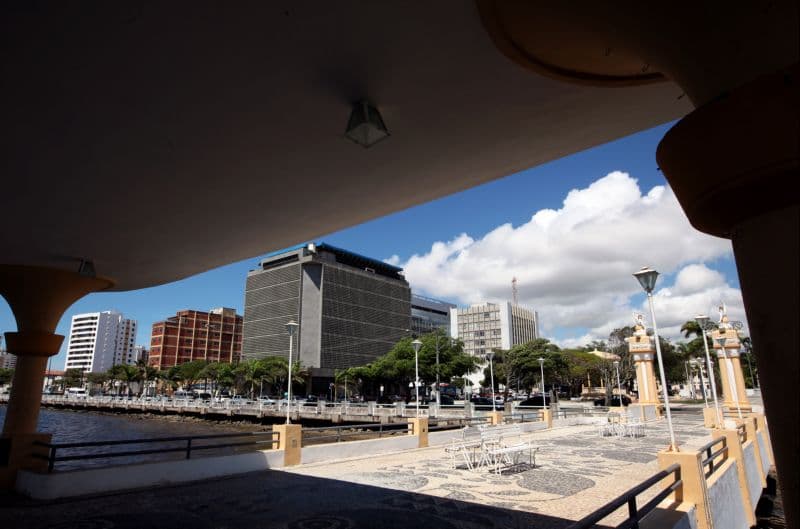 E-Sergipe / CC BY-SA 2.0, via Wikimedia Commons
Tour audio autoguidato di Aracaju — percorso GPS a piedi, riproduzione offline, narrazione coinvolgente in 32 lingue.
“Dove una città pianificata incontra le maree ritmiche dell'Atlantico.”
Non le cartoline. Le storie che nemmeno i locali conoscono — sussurrate nel tuo orecchio, proprio dove sono accadute.
L'esistenza stessa di Aracaju deriva da una decisione strategica presa su questa collina, molto prima che la pianta della città fosse anche solo immaginata.
Questo non è il tuo tipico museo silenzioso; è un'immersione high-tech nell'anima di Sergipe.
Questo ponte fu costruito per un imperatore, ma in realtà non collega due terre.
Scopri ogni segreto di Aracaju
Ogni indirizzo, ogni rivelazione completa — nel tuo orecchio, proprio dove è accaduta.
Scegli le tue tappe. Cammini. La voce rivela ciò che gli altri perdono.


Lume include una guida in realtà aumentata. Alza il telefono: la fotocamera mostra la strada davanti a te, con una freccia luminosa sovrapposta all'immagine reale che punta sempre verso la tua prossima tappa — nessuna mappa da decifrare, nessuna svolta sbagliata. Come tutto in Lume, funziona completamente offline.
Aracaju, la capitale di Sergipe, lo stato più piccolo del Brasile, offre un'esperienza costiera rilassata. Situata sulla costa atlantica alla confluenza dei fiumi Sergipe e Poxim, presenta un mix unico di pianificazione urbana e bellezza naturale. A differenza di molte città brasiliane più antiche con strade coloniali tortuose, Aracaju è stata meticolosamente progettata con una pianta a griglia, guadagnandosi la distinzione di essere una delle prime città pianificate del Brasile.
Conosciuta per la sua atmosfera tranquilla ma vivace, Aracaju è spesso citata per la sua alta qualità della vita. La città è una porta d'accesso a spiagge estese, una scena culinaria particolarmente celebrata per i suoi piatti a base di granchio e profonde tradizioni culturali. I viaggiatori troveranno una destinazione accogliente dove i comfort moderni incontrano il carattere autentico della costa nord-orientale del Brasile.
La storia di Aracaju affonda le radici a metà del XIX secolo, guidata dalle ambizioni economiche e politiche di Sergipe. L'originale capitale dello stato, São Cristóvão, affrontava sfide a causa della sua posizione interna e di un piccolo porto fluviale che non poteva ospitare grandi navi, ostacolando il commercio. Negli anni '50 dell'Ottocento, i funzionari governativi cercarono una posizione costiera più strategica per una nuova capitale.
Il sito scelto, una spiaggia vicino alla foce del fiume Sergipe, divenne il fondamento di Aracaju. Fondata ufficialmente il 17 marzo 1855, Aracaju fu concepita come una città moderna e pianificata, una decisione deliberata per migliorare le prospettive commerciali, in particolare per le esportazioni agricole come lo zucchero. La sua distintiva pianta a griglia di strade dritte, simile a una scacchiera, fu un'impresa innovativa di pianificazione urbana per il suo tempo, progettata per ottimizzare l'organizzazione e l'igiene.
I primi sviluppi urbani videro il trasferimento degli uffici doganali e delle entrate provinciali, insieme alla costruzione di un ufficio postale e di una sottostazione di polizia. Fu costruito anche un porto, chiamato Atalaia. Sebbene un'epidemia abbia brevemente causato la fuga di molti cittadini poco dopo la sua fondazione, la città conobbe una crescita significativa negli anni successivi. Il XX secolo portò un'ulteriore urbanizzazione, con miglioramenti infrastrutturali come i sistemi di tram all'inizio del '900. La scoperta di petrolio e gas offshore negli anni '50 diversificò ulteriormente l'economia di Aracaju, trasformandola in un importante centro per l'industria energetica e attirando investimenti. La creazione dell'Università Federale di Sergipe nel 1967 consolidò il ruolo di Aracaju come principale centro educativo e scientifico dello stato. Nel 2006, la costruzione di un ponte sul fiume Sergipe collegò Aracaju a Barra dos Coqueiros, favorendo ulteriore sviluppo nell'area costiera.
La Orla de Atalaia è un'attrazione centrale, una vasta passeggiata lungomare considerata una delle più attrezzate del Brasile, con laghi, campi sportivi e la famosa Passarela do Caranguejo (Passerella del Granchio), nota per i suoi ristoranti di pesce. La Praia de Atalaia è essa stessa una popolare spiaggia urbana con buone infrastrutture.
Per un'immersione culturale, il Museu da Gente Sergipana offre un'esperienza interattiva e multimediale che mette in mostra il patrimonio locale. L'Oceanário de Aracaju, gestito dal Progetto TAMAR, è il più grande acquario del Nord-est del Brasile ed è dedicato alla conservazione delle tartarughe marine. Ammira viste panoramiche della città dalla Colina do Santo Antônio, la culla storica di Aracaju, dove si trova la Igreja de Santo Antônio.
Esplora il Mercado Central (Mercato Centrale) per cibi e artigianato regionali. Altri luoghi degni di nota includono la Catedral Metropolitana, completata nel 1875, e il Palácio-Museu Olímpio Campos, un ex palazzo governativo. Per escursioni naturalistiche, considera una gita in barca a Croa do Goré, un idilliaco banco di sabbia, o all'Isola di San Valentino. Sono popolari anche gite di un giorno al suggestivo Canyon di Xingó sul fiume São Francisco.
Aracaju gode di un clima tropicale con un caldo costante durante tutto l'anno. La stagione secca, da settembre a marzo, è generalmente considerata il periodo migliore per visitare per attività balneari e all'aperto, con meno piogge e temperature confortevoli. Mentre gennaio e febbraio possono vedere piogge leggermente più frequenti, ottobre è spesso il mese più fresco di questo periodo secco. I mesi più piovosi si verificano tipicamente da marzo ad agosto, con maggio che è il più piovoso. Se sei interessato ai festival culturali, il festival Forró Caju, uno dei più grandi eventi di musica forró del Brasile, si svolge a giugno.
Aracaju è servita dall'aeroporto di Santa Maria (AJU), situato a circa 11 km dal centro città, con voli nazionali dalle principali città brasiliane. Servizi di ride-sharing come Uber e 99Pop sono facilmente disponibili e convenienti per spostarsi, soprattutto dopo il tramonto. Gli autobus pubblici collegano anche l'area metropolitana e le spiagge. Sebbene il portoghese sia la lingua ufficiale, in alcune aree turistiche si parla un po' di inglese. La valuta locale è il Real brasiliano (BRL) ed è consigliabile portare un po' di contanti, anche se le carte sono ampiamente accettate.
Aracaju è generalmente considerata sicura per i turisti, in particolare nelle aree più conosciute come Atalaia e Passarela do Caranguejo. Si applicano le precauzioni standard: sii consapevole di ciò che ti circonda, proteggi i tuoi oggetti di valore ed evita le aree poco illuminate di notte. Porta abiti leggeri e traspiranti, un cappello, occhiali da sole e una crema solare ad alto SPF a causa del caldo tropicale.
Aracaju — coreano, cinese, ebraico e altre 29 lingue, ogni tappa narrata da una voce madrelingua. La più ampia scelta di lingue tra i tour audio autoguidati.
Disponibile in: