Die Winterstadt (Ville d'Hiver)
Arcachons prachtvollstes Viertel wurde ursprünglich für einen überraschenden Zweck konzipiert.
Die ganze Geschichte wird in der Tour freigeschaltet
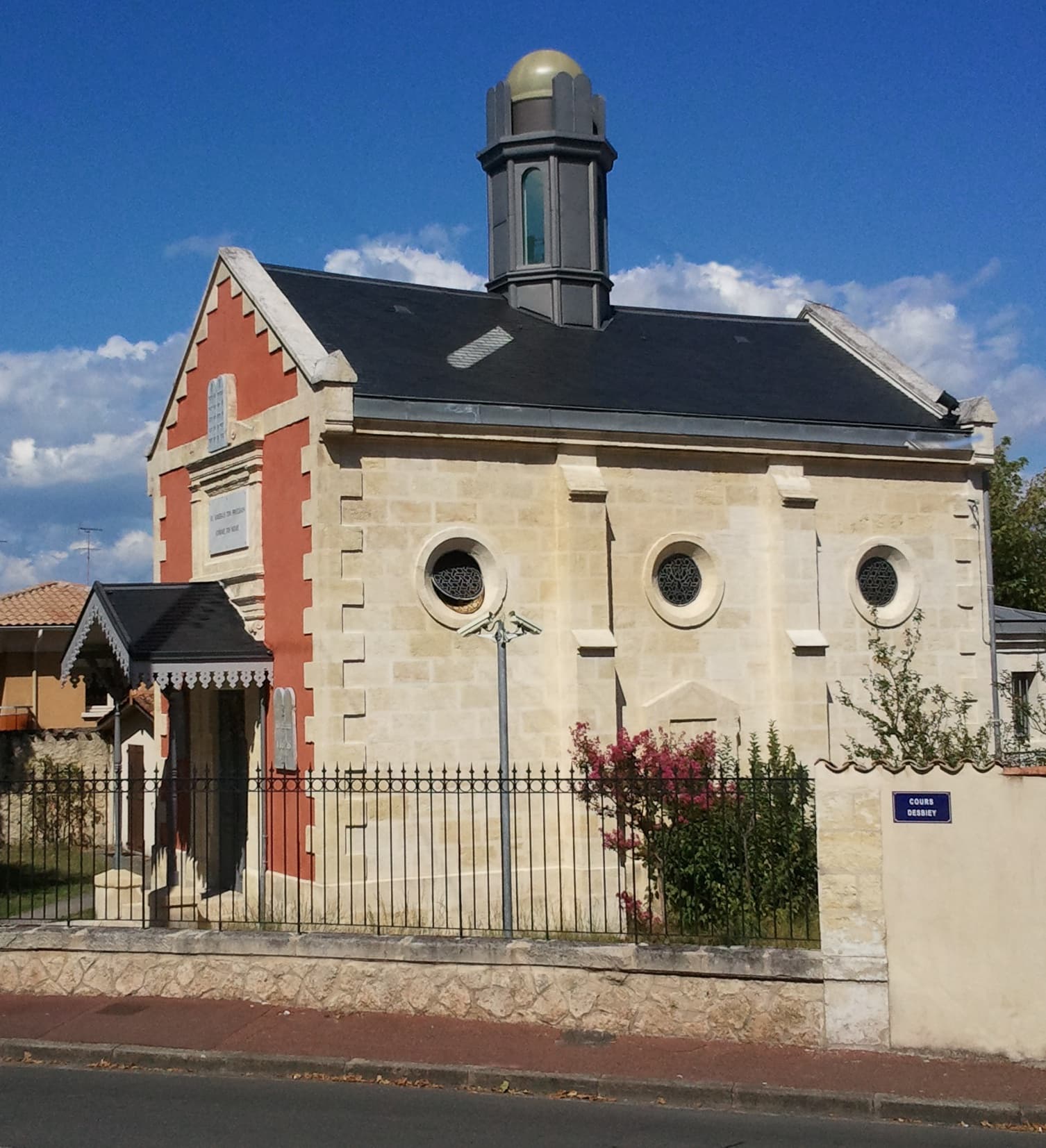 Jarillon / CC BY-SA 3.0, via Wikimedia Commons
Selbstgeführte Audio-Walking-Tour durch Arcachon — GPS-Route, Offline-Wiedergabe, erzählerische Narration in 32 Sprachen.
“Wo Belle Époque Eleganz auf den wilden Atlantik trifft.”
Nicht die Postkarten. Die Geschichten, die selbst Einheimische nicht kennen – dir ins Ohr geflüstert, genau dort, wo sie geschahen.
Arcachons prachtvollstes Viertel wurde ursprünglich für einen überraschenden Zweck konzipiert.
Europas höchste Sanddüne ist kein statisches Naturwunder; sie ist ständig in Bewegung.
Der Name 'Arcachon' stammt nicht von einer Person oder einem großen historischen Ereignis, sondern von einem lokalen Produkt.
Entdecke jedes Geheimnis von Arcachon
Jede Adresse, jede Enthüllung vollständig – in deinem Ohr, genau dort, wo es geschah.
Du wählst deine Stationen. Du gehst. Die Stimme enthüllt, was andere übersehen.


Deine selbstgeführte Audio-Tour durch Arcachon ist bereit – wähle deine Sehenswürdigkeiten, deine Sprache und starte, sobald du ankommst.
KaufenLume enthält einen integrierten Augmented-Reality-Guide. Halten Sie Ihr Handy hoch: Die Kamera zeigt die Straße vor Ihnen, mit einem leuchtenden Pfeil über dem echten Bild, der immer auf Ihren nächsten Stopp zeigt — keine Karte zum Rätseln, keine falschen Abzweigungen. Wie alles bei Lume funktioniert es komplett offline.
Arcachon, eine fesselnde Küstenstadt an der südwestlichen Atlantikküste Frankreichs, bietet eine einzigartige Mischung aus natürlicher Pracht, eleganter Architektur und einem ruhigen Lebensrhythmus. Gelegen im Département Gironde in Nouvelle-Aquitaine, ist es ein geschätztes Reiseziel, bekannt für seine Austernzucht, Belle-Époque-Villen und die Nähe zur Dune du Pilat, Europas größter Sanddüne. Die Stadt selbst ist in vier verschiedene Viertel unterteilt, die jeweils den Namen einer Jahreszeit tragen – Frühling, Sommer, Herbst und Winter – und jedes seinen eigenen Charakter und architektonischen Stil besitzt.
Ursprünglich ein bescheidenes Fischerdorf, entwickelte sich Arcachon Mitte des 19. Jahrhunderts zu einem modischen Seebad, das wohlhabende Besucher anzog, die sein mildes Klima und die therapeutische Meeresluft suchten. Heute bleibt es ein beliebter Rückzugsort für diejenigen, die sich entspannen, erkunden oder frische Meeresfrüchte genießen möchten. Mit seiner geschützten Bucht, den weichen, pudrigen Stränden und den umliegenden Kiefernwäldern bietet Arcachon eine bezaubernde Auszeit.
Arcachons Ursprünge reichen über 500 Jahre zurück, als ein Franziskanermönch namens Thomas Illyricus während eines Sturms eine Alabasterstatue der Jungfrau Maria entdeckte, was zur Gründung des Schreins Unserer Lieben Frau von Arcachon führte. Die Stadt, wie wir sie heute kennen, begann sich jedoch erst Mitte des 19. Jahrhunderts wirklich zu formen. Am 2. Mai 1857 unterzeichnete Kaiser Napoleon III. ein kaiserliches Dekret, das Arcachon zu einer autonomen Gemeinde erklärte. Zufälligerweise wurde im selben Jahr die Eisenbahnstrecke von Bordeaux nach Arcachon verlängert, was die Erreichbarkeit der Gegend verbesserte.
Zu dieser Zeit war Arcachon hauptsächlich ein Wald aus Kiefern, Eichen und Erdbeerbäumen mit einer Bevölkerung von weniger als 400 Menschen, meist Fischer und Bauern. Sein Ruf für Heilung begann jedoch zu wachsen. Man glaubte, dass die Kombination aus Meeresluft und Kiefernwäldern ähnliche gesundheitliche Vorteile wie Bergluft biete und zog Erholungssuchende an. Investoren, insbesondere die Brüder Pereire, errichteten Seebadeanstalten, um das Bürgertum aus Bordeaux und andere wohlhabende Personen anzulocken. Dies markierte die Entstehung eines neuen Lebensstils und die Entwicklung der Stadt zu einem beliebten Winterresort.
Das späte 19. und frühe 20. Jahrhundert erlebten Arcachons Blütezeit, insbesondere mit der Entwicklung der 'Ville d'Hiver' (Winterstadt) zwischen 1862 und 1865. Dieses Viertel wurde berühmt für seine extravaganten Villen, die eine Mischung aus architektonischen Stilen wie Schweizer Chalet, Maurisch, Neoklassizistisch und Neugotisch aufwiesen, alles eingebettet in sorgfältig gepflegte Gärten. Diese einst kritisierten "Arcachonnaise"-Villen gelten heute als charmant und als Höhepunkt der Stadtarchitektur. Das Casino d'Arcachon, untergebracht im Chateau Deganne, wurde 1904 umgebaut, um Unterhaltung für die Pariser und Bordeauxer Elite zu bieten.
Obwohl die Popularität der Winterstadt nach dem Ersten Weltkrieg nachließ, entwickelte sich Arcachon weiter. Die 1960er und 70er Jahre brachten eine neue Welle des Tourismus, mit Familien, die Entspannung und einfache Aktivitäten suchten. Heute bewahrt Arcachon seine elegante und lebendige Atmosphäre und verbindet seine reiche Vergangenheit mit dem modernen Tourismus und einem starken Engagement für den Umweltschutz. Die Stadt bleibt ein wichtiger Fischerhafen und ist besonders stolz auf ihr Austernzuchterbe, mit Austernbänken, die in der gesamten Bucht sichtbar sind.
Arcachon bietet eine vielfältige Auswahl an Sehenswürdigkeiten, die Naturwunder mit architektonischem Reiz verbinden. Beginnen Sie mit der Dune du Pilat, Europas größter Sanddüne, südlich von Arcachon gelegen. Der Aufstieg belohnt Sie mit weiten Ausblicken auf den Atlantischen Ozean, die Bucht und den Landeswald. Für eine einzigartige Perspektive besuchen Sie sie im Morgengrauen oder in der Abenddämmerung.
Erkunden Sie die Ville d'Hiver (Winterstadt), ein Viertel, das sich durch seine kunstvollen Villen aus dem 19. Jahrhundert auszeichnet. Schlendern Sie durch die grünen Straßen, um die eklektischen architektonischen Stile zu bewundern, mit bemerkenswerten Beispielen wie der Villa Alexandre Dumas und der Villa Trocadéro. Verpassen Sie nicht das Observatorium Sainte-Cécile, entworfen von Gustave Eiffel, das einen Panoramablick auf Arcachon bietet.
Die Bucht von Arcachon selbst ist ein Hauptanziehungspunkt. Machen Sie eine Bootstour, um die ikonischen Cabanes Tchanquées zu sehen, zwei Stelzenhäuser, die ursprünglich zur Bewachung von Austernfarmen gebaut wurden und heute ein Symbol der Bucht sind. Eine Bootsfahrt kann Sie auch zur Île aux Oiseaux (Vogelinsel) bringen, einer Salzwiese, die von menschlichen Eingriffen unberührt ist und zahlreichen Vogelarten Heimat bietet. Für frische Meeresfrüchte, insbesondere Austern, besuchen Sie die Austernzuchthütten in La Teste-de-Buch oder Gujan-Mestras.
Zurück im Stadtzentrum bietet die Ville d'Été (Sommerstadt) den Hauptstrand, Plage d'Arcachon, und eine lebhafte Promenade mit Cafés und Geschäften. Der Arcachon Markt (Les Halles d'Arcachon) ist ein ausgezeichneter Ort, um lokale Produkte wie Austern, Käse und Gebäck zu probieren.
Für Naturliebhaber bietet das Naturschutzgebiet Teich (Le Teich Ornithological Reserve) die Möglichkeit, verschiedene Vogelarten in einem geschützten Feuchtgebiet zu beobachten. Alternativ können Sie entlang der ausgedehnten Wege der Halbinsel Cap Ferret radeln und ihre Strände und malerischen Dörfer genießen.
Arcachon genießt ein mildes, gemäßigtes ozeanisches Klima, was es das ganze Jahr über zu einem attraktiven Reiseziel macht. Die angenehmste Zeit für Aktivitäten bei warmem Wetter reicht von Mitte Juni bis Mitte September. Die Sommer (Juni-August) sind warm und sonnig, mit Durchschnittstemperaturen um 20-22°C, ideal für Strände und Outdoor-Aktivitäten, obwohl sie größere Menschenmengen anziehen. Die Übergangszeiten Mai-Juni und September-Oktober bieten angenehme Temperaturen, weniger Besucher und oft einen goldenen Herbst, wenn Austern am schmackhaftesten sind. Die Winter (Dezember-Februar) sind mild, mit Durchschnittstemperaturen um 8-10°C, und bieten eine friedliche Atmosphäre für Spaziergänge und Naturbeobachtungen. Der Niederschlag ist das ganze Jahr über mäßig, wobei der November typischerweise der feuchteste Monat und der Juli der trockenste ist.
Arcachon liegt im Südwesten Frankreichs, etwa 55-66 km von Bordeaux entfernt. Die bequemste Route von Bordeaux nach Arcachon ist mit dem Zug, mit regelmäßigen Verbindungen, die etwa eine Stunde dauern. Von Paris verbinden TGV-Züge Arcachon in etwa 3 Stunden, mit einigen Direktverbindungen.
Die offizielle Währung ist der Euro (EUR). Bankkarten werden weitgehend akzeptiert und Geldautomaten sind leicht verfügbar. Trinkgeld ist nicht obligatorisch, da Servicegebühren oft enthalten sind, aber ein kleines zusätzliches Trinkgeld für exzellenten Service wird geschätzt.
Die Fortbewegung in Arcachon kann zu Fuß, mit dem Fahrrad oder mit dem Busnetz Baïa erfolgen, das Sehenswürdigkeiten wie die Dune du Pilat verbindet. Eine Autovermietung ist eine Option, um die weitere Umgebung der Bucht zu erkunden, aber Parkplätze im Zentrum von Arcachon können während der Hochsaison schwierig sein. Bootsfähren sind eine beliebte Methode, um die Bucht zu erkunden und Ziele wie Cap Ferret zu erreichen.
Arcachon — Koreanisch, Chinesisch, Hebräisch und 29 weitere Sprachen, jede Station von einer muttersprachlichen Stimme erzählt. Die größte Sprachauswahl aller selbstgeführten Audiotouren.
Verfügbar auf: