Museo de Sitio Colón 10
Der Plan eines Architekten für ein Hotel in Arica nahm eine unerwartete Wendung und enthüllte ein Geheimnis unter den Fundamenten.
Die ganze Geschichte wird in der Tour freigeschaltet
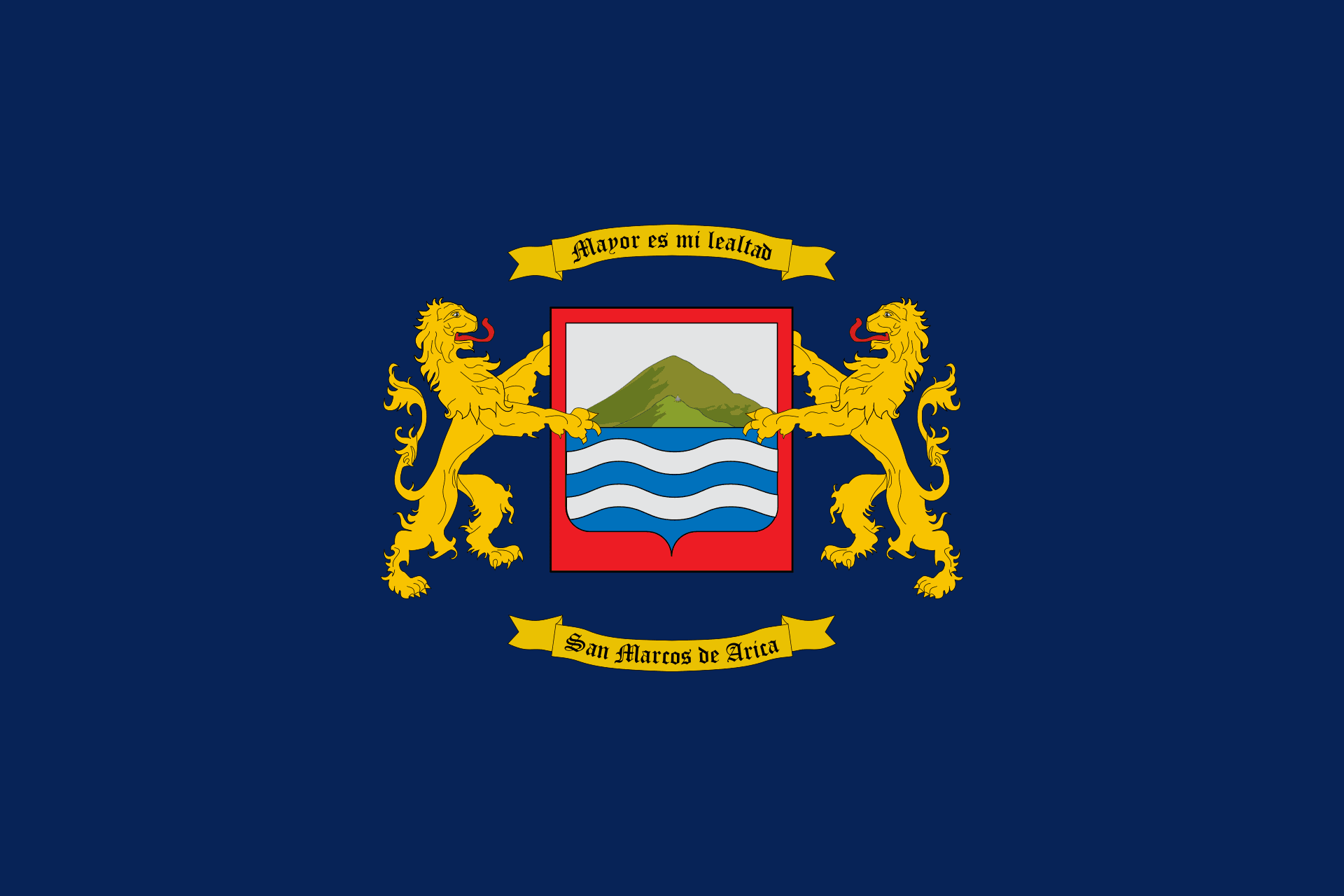 B1mbo / CC BY-SA 4.0, via Wikimedia Commons
Selbstgeführte Audio-Walking-Tour durch Arica — GPS-Route, Offline-Wiedergabe, erzählerische Narration in 32 Sprachen.
“Wo die ältesten Mumien auf den ewigen Frühling treffen.”
Nicht die Postkarten. Die Geschichten, die selbst Einheimische nicht kennen – dir ins Ohr geflüstert, genau dort, wo sie geschahen.
Der Plan eines Architekten für ein Hotel in Arica nahm eine unerwartete Wendung und enthüllte ein Geheimnis unter den Fundamenten.
Die Berghänge des Azapa-Tals bergen in die Erde geritzte Botschaften, aber ihr Zweck ist nicht das, was man von solch antiker Kunst erwarten würde.
Aricas unverwechselbare Kathedrale mit ihrer Metallkonstruktion und den kunstvollen Details hat eine überraschende Verbindung zu einem weltberühmten Pariser Wahrzeichen.
Entdecke jedes Geheimnis von Arica
Jede Adresse, jede Enthüllung vollständig – in deinem Ohr, genau dort, wo es geschah.
Du wählst deine Stationen. Du gehst. Die Stimme enthüllt, was andere übersehen.


Deine selbstgeführte Audio-Tour durch Arica ist bereit – wähle deine Sehenswürdigkeiten, deine Sprache und starte, sobald du ankommst.
KaufenLume enthält einen integrierten Augmented-Reality-Guide. Halten Sie Ihr Handy hoch: Die Kamera zeigt die Straße vor Ihnen, mit einem leuchtenden Pfeil über dem echten Bild, der immer auf Ihren nächsten Stopp zeigt — keine Karte zum Rätseln, keine falschen Abzweigungen. Wie alles bei Lume funktioniert es komplett offline.
Arica, Chiles nördlichste Stadt, ist ein Küstenaußenposten, wo die Atacama-Wüste auf den Pazifischen Ozean trifft. Bekannt als die "Stadt des ewigen Frühlings" aufgrund ihres konstant milden Wüstenklimas, bietet Arica ganzjährig angenehme Temperaturen und viel Sonnenschein. Diese Hafenstadt mit über 240.000 Einwohnern fungiert als bedeutendes Handelszentrum und Tor nach Peru und Bolivien.
Die einzigartige geografische Lage der Stadt, am Zusammenfluss der Täler von Azapa und Lluta, sorgt für einen unerwarteten grünen Schimmer inmitten der trockenen Landschaft. Dieses fruchtbare Land unterstützt den Anbau von Oliven und Zitrusfrüchten für den Export. Neben seinem angenehmen Wetter und seiner strategischen Bedeutung ist Arica ein Ort mit tiefer Kultur, der eine vielfältige Palette von Erlebnissen bietet, von alten archäologischen Stätten bis hin zu lebhaften lokalen Märkten und beliebten Surfstränden.
Die Geschichte von Arica reicht Jahrtausende zurück, lange vor der Ankunft europäischer Entdecker. Die Küstengebiete wurden ursprünglich von der Chinchorro-Kultur bewohnt, einem Volk, das für seine hochentwickelten Mumifizierungstechniken bekannt ist, die denen des alten Ägypten um Tausende von Jahren vorausgehen. Die älteste Chinchorro-Mumie stammt aus dem Jahr 7020 v. Chr. Im Jahr 2021 wurden die Siedlungen der Chinchorro-Kultur und ihre künstlichen Mumifizierungsprozesse in Arica und Parinacota als UNESCO-Weltkulturerbe anerkannt.
Der spanische Konquistador Lucas Martínez de Begazo gründete hier 1541 eine Siedlung und nannte sie San Marcos de Arica. Bis 1570 erhielt sie den Stadtstatus, hauptsächlich aufgrund ihrer strategischen Bedeutung als Haupthafen für den Export von Silber aus den ertragreichen Minen von Potosí im heutigen Bolivien. Dieses Handelsmonopol und seine natürliche Bucht am Fuße der Anden zementierten Aricas Rolle als wichtiges Logistikzentrum, das den Pazifik mit dem Landesinneren verband.
Nach dem Zusammenbruch der spanischen Herrschaft im Jahr 1821 wurde Arica Teil des neu unabhängigen peruanischen Staates. Seine strategische Lage und die wertvollen Bodenschätze in der umliegenden Atacama-Wüste führten jedoch im 19. Jahrhundert zu Konflikten zwischen Chile, Bolivien und Peru. Während des Salpeterkriegs (1879-1883) eroberten chilenische Truppen Arica 1880 von Peru. Der Vertrag von Ancón im Jahr 1883 trat die Region formell unter chilenische Kontrolle ab, obwohl Chiles rechtlicher Besitz erst mit dem Vertrag von Lima im Jahr 1929 vollständig geklärt wurde, der Tacna an Peru zurückgab, Arica aber als Teil Chiles behielt.
Die Stadt wurde 1868 von einem verheerenden Erdbeben und Tsunami heimgesucht, die sie weitgehend zerstörten. Trotzdem baute sich Arica wieder auf und entwickelte sich weiter zu einem wichtigen Verkehrsknotenpunkt, der als Freihafen für Bolivien und als Handelszentrum für Nordchile und Peru diente. Heute ist Arica ein bedeutender Hafen mit einem internationalen Flughafen und Eisenbahnverbindungen nach Tacna, Peru, und La Paz, Bolivien, und liegt an der Panamericana.
Arica bietet eine Reihe von Attraktionen, die seine lange Geschichte mit seinem Küstenreiz verbinden. Ein herausragendes Wahrzeichen ist der Morro de Arica, eine steile Landzunge, die einen weiten Blick über die Stadt, ihre Strände und den Pazifischen Ozean bietet. Dieser Ort hat auch historische Bedeutung als Schauplatz einer entscheidenden Schlacht während des Salpeterkriegs, mit einem Museum und Gedenkstätten auf seinem Gipfel.
Im Stadtzentrum sticht die Kathedrale San Marcos de Arica, entworfen von Gustave Eiffel, mit ihrer unverwechselbaren neugotischen Architektur aus Eisen und Holz hervor. In der Nähe bietet das Museo de Sitio Colón 10 eine einzigartige Gelegenheit, Chinchorro-Mumien in situ zu betrachten, die unter einem Glasboden erhalten sind, wo sie ursprünglich entdeckt wurden. Für ein umfassenderes Verständnis der Chinchorro-Kultur und ihrer Mumifizierungspraktiken ist das Archäologische Museum San Miguel de Azapa eine kurze Fahrt entfernt im Azapa-Tal.
Das Azapa-Tal selbst lädt zur Erkundung seiner alten Geoglyphen ein, die in die Berghänge geritzt sind und menschliche und tierische Figuren darstellen. Aricas Küste bietet mehrere Strände, darunter Playa Chinchorro, El Laucho Beach und Playa La Lisera, die zum Schwimmen, Sonnenbaden und Surfen einladen. Der Terminal Pesquero, Aricas Fischmarkt, bietet einen Einblick in das lokale Leben und die Möglichkeit, frische Meeresfrüchte zu probieren.
Arica wird wegen seines milden Wüstenklimas und seiner konstanten Temperaturen das ganze Jahr über oft als "Stadt des ewigen Frühlings" bezeichnet. Die wärmste und sonnigste Jahreszeit, ideal für Strandaktivitäten und Schwimmen, ist von Dezember bis März mit durchschnittlichen Tagestemperaturen um 24°C und Meerestemperaturen, die im Februar bei etwa 23°C ihren Höhepunkt erreichen. Obwohl die Niederschläge das ganze Jahr über minimal sind, sind die Winter (Juni bis September) kühler und oft von bewölktem Himmel, Nebel und Dunst geprägt, obwohl tatsächlicher Regen selten ist. Für Outdoor-Aktivitäten und weniger Menschenmassen bieten die Übergangszeiten Herbst (März bis Mai) und Frühling (September bis November) angenehmes Wetter und gemäßigtere Temperaturen.
Die offizielle Währung in Arica und in ganz Chile ist der Chilenische Peso (CLP). Banknoten sind in Stückelungen von 1.000, 2.000, 5.000, 10.000 und 20.000 Pesos erhältlich, Münzen in 10, 50, 100 und 500 Pesos. Kredit- und Debitkarten werden in vielen Einrichtungen akzeptiert, es ist jedoch ratsam, lokales Bargeld mitzuführen, insbesondere für kleinere Einkäufe und in ländlichen Gebieten. Wenn Sie Geldautomaten benutzen, wählen Sie die Abrechnung in chilenischen Pesos für einen günstigeren Wechselkurs.
Arica gilt im Allgemeinen als sichere Stadt für Reisende mit relativ niedriger Kriminalitätsrate und freundlichen Einheimischen. Wie in jeder städtischen Gegend ist es jedoch ratsam, auf Ihre Umgebung zu achten, insbesondere an belebten Orten und wenn Sie nachts allein in weniger bevölkerten Gebieten unterwegs sind. Öffentliche Verkehrsmittel sind verfügbar, Taxis sind jedoch zahlreich. Verwenden Sie immer Sonnencreme, Sonnenbrillen und trinken Sie viel Wasser aufgrund der intensiven Wüstensonne.
Arica — Koreanisch, Chinesisch, Hebräisch und 29 weitere Sprachen, jede Station von einer muttersprachlichen Stimme erzählt. Die größte Sprachauswahl aller selbstgeführten Audiotouren.
Verfügbar auf: