Il nome 'Armenia'
Il nome della città, Armenia, ha una sorprendente connessione con una terra lontana e un cupo evento storico.
La storia completa si sblocca nel tour
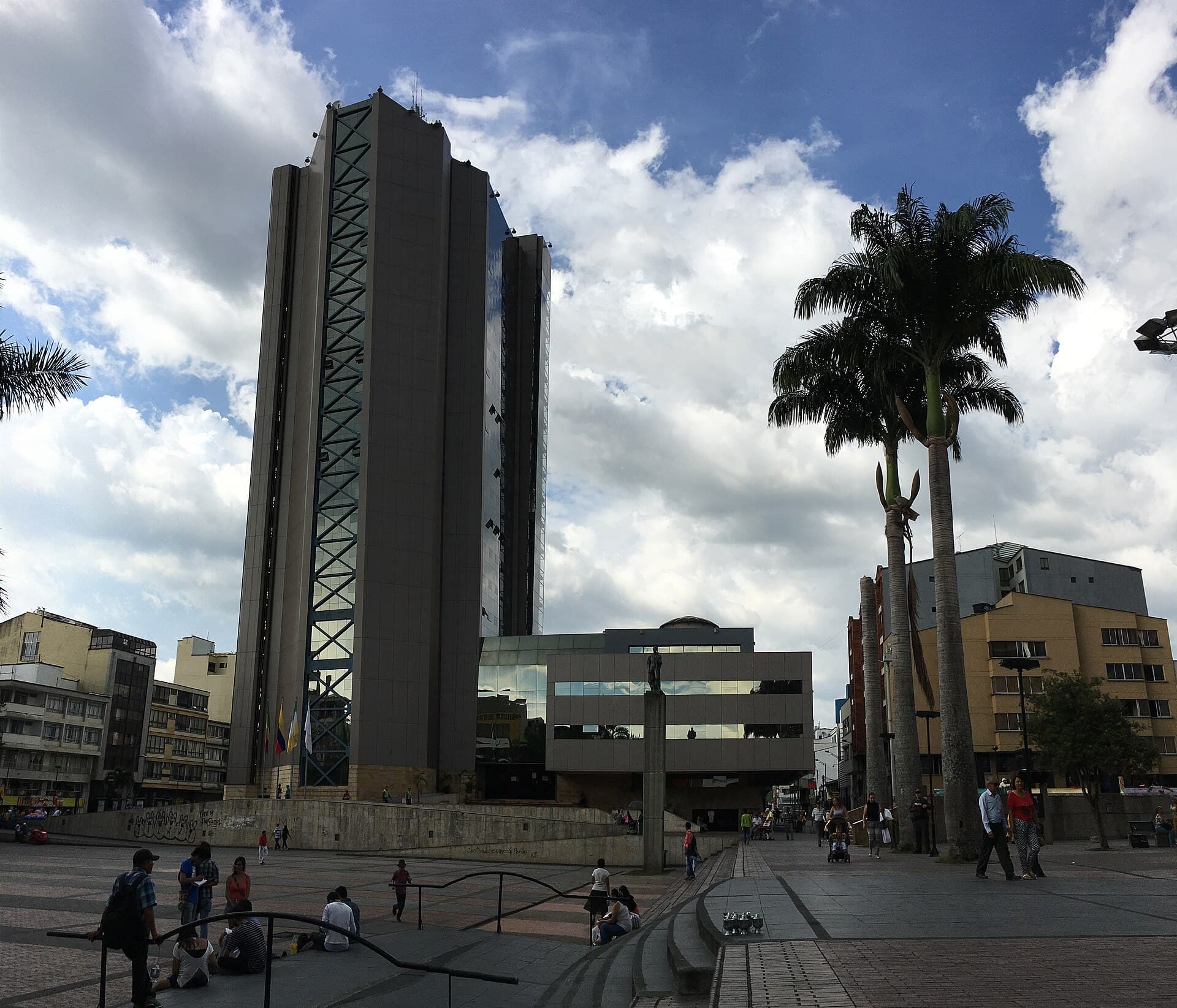 Jimmy Gómez N / CC BY-SA 3.0, via Wikimedia Commons
Tour audio autoguidato di Armenia — percorso GPS a piedi, riproduzione offline, narrazione coinvolgente in 32 lingue.
“Dove le montagne smeraldo incontrano l'aroma del caffè più pregiato del mondo.”
Non le cartoline. Le storie che nemmeno i locali conoscono — sussurrate nel tuo orecchio, proprio dove sono accadute.
Il nome della città, Armenia, ha una sorprendente connessione con una terra lontana e un cupo evento storico.
Questi iconici veicoli dipinti vivacemente dell'era della Seconda Guerra Mondiale sono più che semplici mezzi di trasporto; sono un simbolo dell'ingegnosità e della resistenza della regione.
Per decenni, il miglior caffè colombiano non è stato sempre apprezzato dai colombiani stessi.
Scopri ogni segreto di Armenia
Ogni indirizzo, ogni rivelazione completa — nel tuo orecchio, proprio dove è accaduta.
Scegli le tue tappe. Cammini. La voce rivela ciò che gli altri perdono.
Il tuo tour audio autoguidato di Armenia è pronto — scegli i tuoi punti di interesse, seleziona la tua lingua e inizia nel momento in cui arrivi.
AcquistaLume include una guida in realtà aumentata. Alza il telefono: la fotocamera mostra la strada davanti a te, con una freccia luminosa sovrapposta all'immagine reale che punta sempre verso la tua prossima tappa — nessuna mappa da decifrare, nessuna svolta sbagliata. Come tutto in Lume, funziona completamente offline.
L'Armenia, la capitale del Dipartimento di Quindío, si trova nel cuore del celebrato Paesaggio Culturale del Caffè della Colombia, un sito patrimonio mondiale dell'UNESCO. Conosciuta come la 'Città Miracolo' (Ciudad Milagro) per la sua rapida espansione, L'Armenia funge da vitale centro economico per la produzione e il commercio del caffè. Circondata dai verdi pendii carichi di caffè delle Ande occidentali, la città offre uno sguardo autentico sulla cultura colombiana, meno alterata dal turismo estensivo rispetto ad alcune delle destinazioni più grandi del paese.
Oltre al suo significativo ruolo nell'industria globale del caffè, L'Armenia offre una base confortevole e genuina per esplorare il più ampio Triangolo del Caffè. Il suo clima mite tutto l'anno, con temperature costanti intorno ai 27°C durante il giorno e che scendono a piacevoli 16°C di notte, la rende una destinazione invitante per gli appassionati di attività all'aperto e per coloro che cercano un ritmo rilassato. La città stessa, sebbene non così curata come Medellín o così grandiosa come Bogotá, offre un'esperienza locale, con residenti accoglienti e un forte senso di comunità.
## Emerge la 'Città Miracolo' L'Armenia fu fondata il 14 ottobre 1889 da Jesús María Ocampo, noto come 'Tigrero' per la sua abilità nella caccia al giaguaro. Ocampo, in cerca di rifugio nelle montagne del Quindío, acquistò dei terreni per creare una fonda, un centro di commercio per i coloni provenienti da città come Salento e Manizales. Già nell'agosto 1890, solo sei mesi dopo la sua fondazione, l'insediamento era cresciuto fino a contare 100 persone, portando al suo riconoscimento ufficiale da parte del governo. Il nome Armenia fu scelto il 30 novembre 1889.
## Il Boom del Caffè e il Rapido Sviluppo Tra la fine del XIX e l'inizio del XX secolo, L'Armenia conobbe una crescita esplosiva, alimentata in gran parte dalla domanda globale di caffè. I fertili suoli vulcanici della regione e il clima ideale crearono le condizioni perfette per la coltivazione del caffè Arabica di alta qualità, stabilendo L'Armenia come un importante centro di produzione e commercio. Questa impennata economica valse alla città il suo soprannome, 'Ciudad Milagro' o 'Città Miracolo'. Lo sviluppo delle infrastrutture di trasporto, nonostante il difficile terreno montuoso, integrò ulteriormente L'Armenia nell'economia nazionale, principalmente per efficienti esportazioni di caffè.
## Una Capitale Moderna e il Riconoscimento UNESCO Nel 1966, L'Armenia divenne il centro amministrativo con la creazione del Dipartimento di Quindío, una mossa che ne rafforzò il significato politico e portò allo sviluppo di infrastrutture sociali. L'impegno della città per l'istruzione e la cultura fu segnato dalla fondazione dell'Università del Quindío nel 1960 e dall'apertura del Museo dell'Oro Quimbaya nel 1986. Nel 2011, il centro storico dell'Armenia, come parte del più ampio Paesaggio Culturale del Caffè, è stato riconosciuto come sito patrimonio mondiale dell'UNESCO, riconoscendo le sue uniche tradizioni agricole e culturali.
## Sfide Durature e Resilienza L'Armenia affrontò una sfida significativa il 25 gennaio 1999, quando un terremoto di magnitudo 6,2 rase al suolo gran parte della città, rendendo necessaria un'ampia ricostruzione. Nonostante ciò, L'Armenia ha dimostrato resilienza, continuando il suo sviluppo come importante centro economico basato sull'agricoltura e su una crescente industria turistica.
Inizia la tua esplorazione da Plaza de Bolívar, la piazza principale della città, dove potrai osservare la vita quotidiana, visitare la moderna Cattedrale dell'Immacolata Concezione e ammirare monumenti, tra cui uno dedicato a Simón Bolívar. Per un'immersione più profonda nel patrimonio preispanico della regione, il Museo del Oro Quimbaya è un luogo da visitare. Questo museo gratuito espone un'impressionante collezione di antichi manufatti in oro e argento realizzati dal abile gruppo indigeno Quimbaya.
Sfuggite al trambusto urbano nel Parque de la Vida, un rifugio simile a una giungla all'interno della città. Questo parco offre cascate, fiumi, palme autoctone e sentieri pedonali, offrendo un ambiente sereno per una passeggiata o un picnic. A breve distanza in autobus, il Giardino Botanico di Quindío a Calarcá vanta un'immensa collezione di palme, felci ed eliconie, con l'attrazione principale che è una casa delle farfalle che ospita circa 1.500 esemplari di 30 specie diverse.
L'Armenia è anche la tua porta d'accesso al più ampio Paesaggio Culturale del Caffè. Considera un tour delle piantagioni di caffè per conoscere l'intero processo dal chicco alla tazza, con molte fattorie che offrono passeggiate guidate, sessioni di degustazione e persino soggiorni notturni. Le città vicine come Salento e Filandia sono facilmente raggiungibili e offrono affascinanti architetture coloniali e accesso ad attrazioni naturali come la Valle del Cocora, famosa per le sue imponenti palme della cera. Per un'esperienza unica, considera un rilassante tour di rafting sul fiume La Vieja vicino a Montenegro.
L'Armenia gode di un clima mite e primaverile tutto l'anno grazie alla sua altitudine. Le temperature variano tipicamente tra i 17°C e i 26°C. Sebbene piova frequentemente durante tutto l'anno, le stagioni più secche vanno generalmente da dicembre a marzo e da luglio ad agosto. Per attività all'aperto e turismo, i periodi più favorevoli per visitare sono da inizio a metà gennaio e da inizio giugno a inizio settembre, con un picco nell'ultima settimana di luglio. La nebbia può essere una vista comune, specialmente di notte e al mattino presto.
L'aeroporto internazionale El Edén di Armenia (AXM) offre voli diretti per Bogotá e alcuni servizi internazionali, inclusi voli per la Florida. Ulteriori opzioni di volo sono disponibili da Pereira, un'ora a nord, o Cali, tre ore a sud. Una volta in Armenia, spostarsi in città è semplice. Autobus pubblici circolano in tutta la città e i taxi sono numerosi. Per i taxi dalla stazione degli autobus interurbani, è consigliabile acquistare un biglietto a prezzo fisso da una biglietteria prima di salire sul taxi. App di ride-sharing come Uber o InDriver sono anche raccomandate rispetto ai taxi per strada per motivi di sicurezza.
Sebbene la Regione del Caffè sia generalmente considerata una delle parti più sicure della Colombia, è sempre saggio usare cautela. Evita di camminare da solo di notte, di mostrare oggetti di valore o di portare grandi quantità di contanti. La parte settentrionale della città, in particolare intorno a El Parque de La Vida, è generalmente considerata più sicura durante il giorno. Il costo della vita in Armenia è relativamente accessibile, con un budget mensile confortevole che varia da 500 a 750 USD. L'acqua del rubinetto in Armenia è generalmente sicura da bere.
Armenia — coreano, cinese, ebraico e altre 29 lingue, ogni tappa narrata da una voce madrelingua. La più ampia scelta di lingue tra i tour audio autoguidati.
Disponibile in: