Улица Аль-Хаммам
Эта оживленная рыночная улица — больше, чем просто место торговли.
Полная история открывается в туре
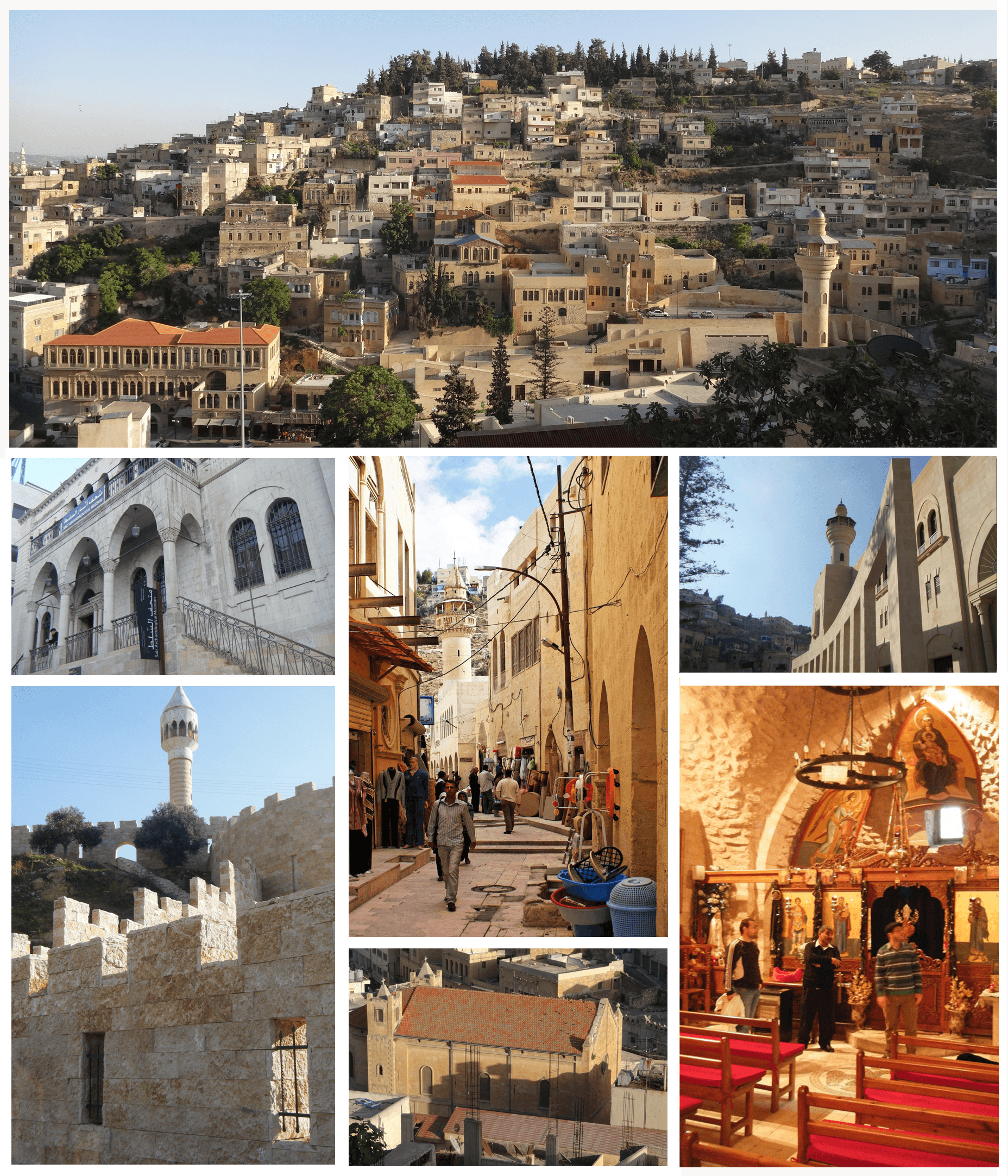 Freedom's Falcon / CC BY-SA 3.0, via Wikimedia Commons
Самостоятельная аудиопрогулка по Эс-Салт — GPS-маршрут, офлайн-воспроизведение, увлекательное повествование на 32 языках.
“Эс-Салт: Где золотой камень повествует о наследии толерантности и торговли.”
Не открытки. Истории, которые не знают даже местные жители — шепотом в вашем ухе, прямо там, где они произошли.
Эта оживленная рыночная улица — больше, чем просто место торговли.
Самый известный купеческий особняк в Ас-Сальте когда-то демонстрировал роскошь, редкую для своей эпохи.
Священное место в Ас-Сальте предлагает уникальное гостеприимство людям разных вероисповеданий.
Откройте для себя каждый секрет Эс-Салт
Каждый адрес, каждое полное раскрытие — в вашем ухе, прямо там, где это произошло.
Вы выбираете остановки. Вы гуляете. Голос раскрывает то, что упускают другие.
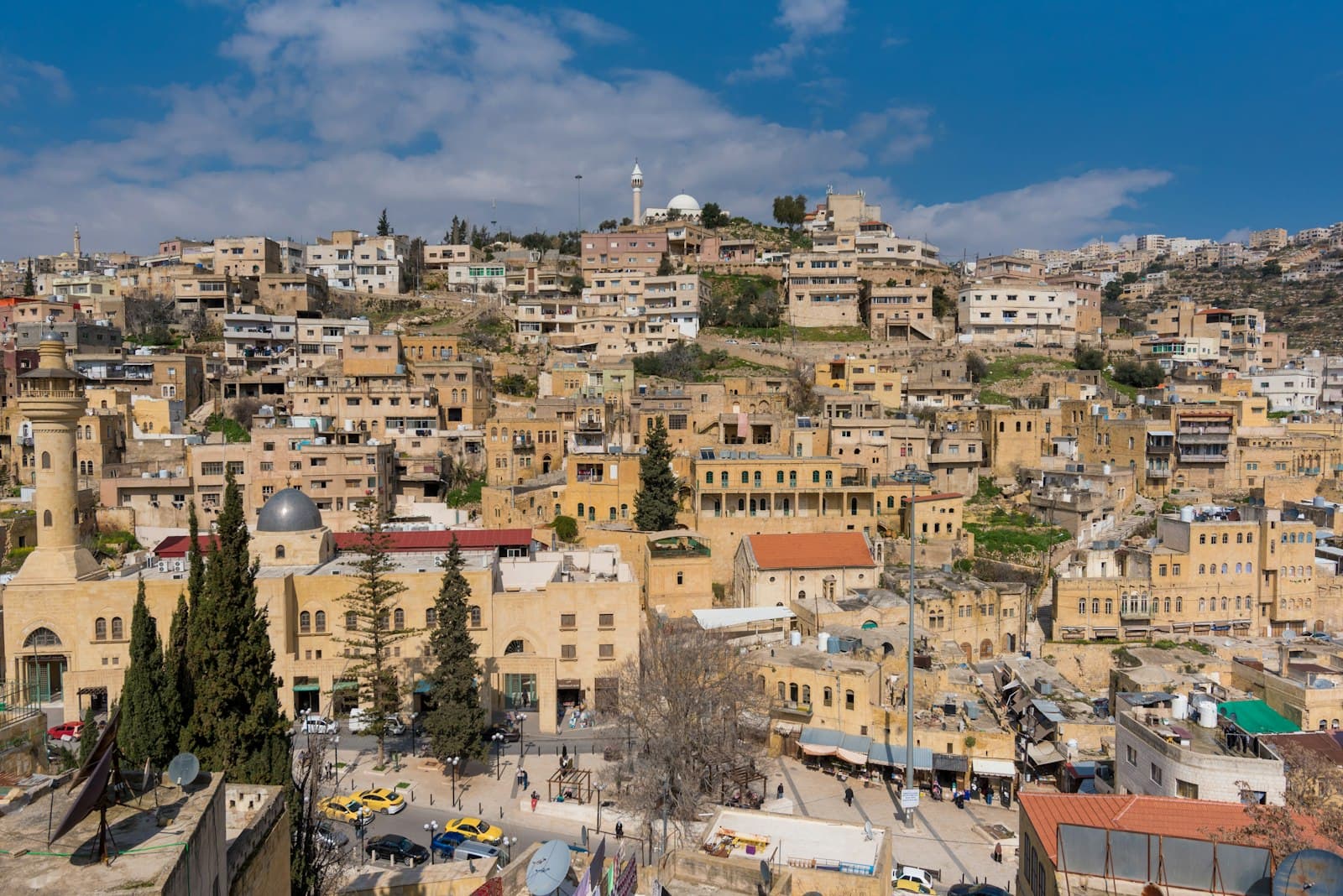
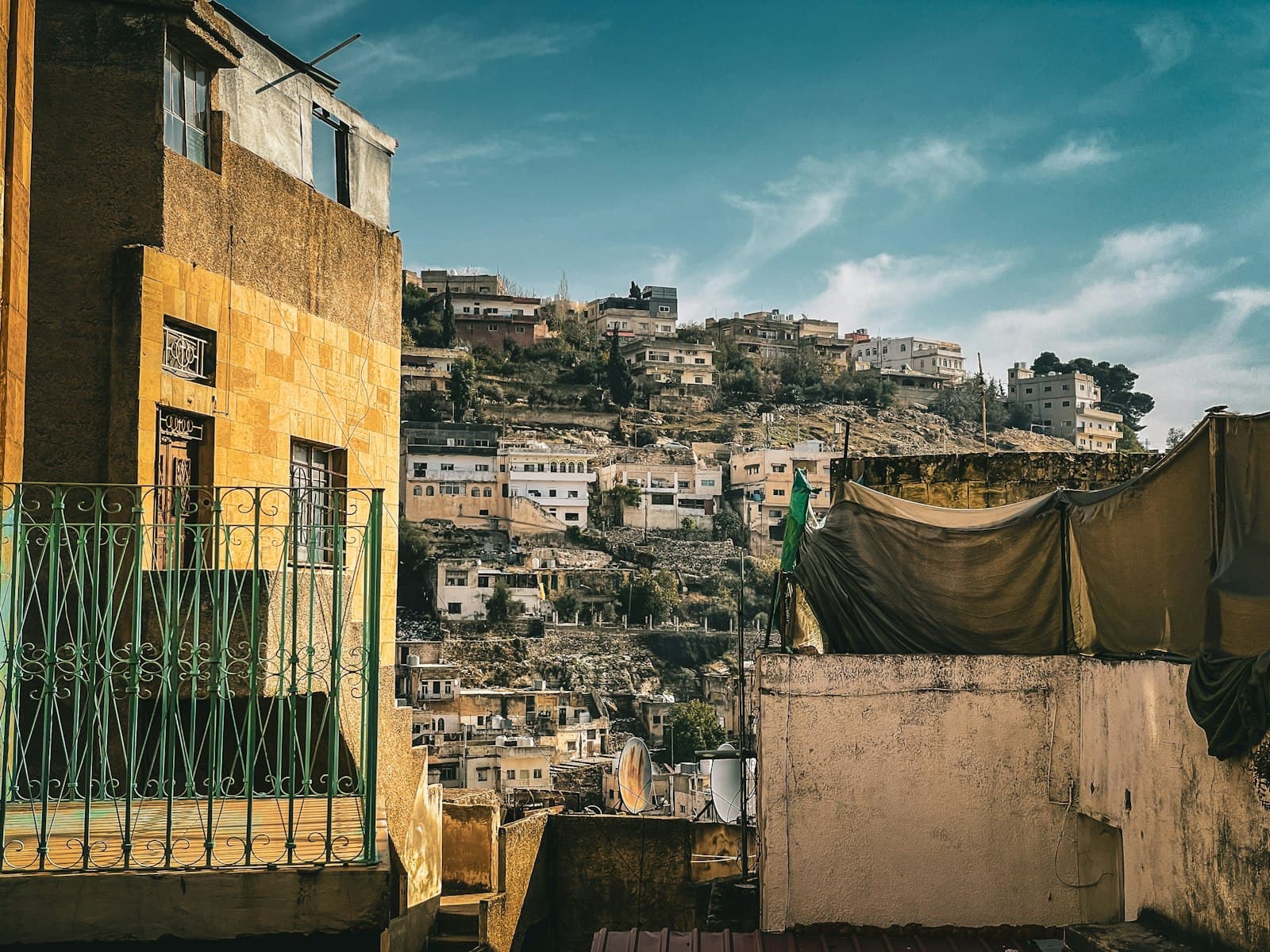
Ваш самостоятельный аудиотур по Эс-Салт готов — выберите свои достопримечательности, выберите свой язык и начните в момент прибытия.
КупитьВ Lume встроен гид дополненной реальности. Поднимите телефон: камера показывает улицу перед вами, а поверх реального изображения светится стрелка, всегда указывающая на вашу следующую остановку — не нужно разбираться с картой и сворачивать не туда. Как и всё в Lume, это работает полностью офлайн.
Ас-Сальт, город, построенный на трех близко расположенных холмах на высокогорье Балька в западно-центральной Иордании, предлагает окно в глубокое прошлое и непреходящий дух толерантности. Всего в 30 километрах к северо-западу от Аммана этот древний торговый город, признанный объектом Всемирного наследия ЮНЕСКО в 2021 году, часто упускается из виду путешественниками.
Известный как «Место толерантности и городского гостеприимства», Ас-Сальт с его характерными известняковыми зданиями медового цвета, особняками османской эпохи и извилистыми каменными лестницами создает уникальный городской ландшафт. Привлекательность города заключается в его хорошо сохранившемся историческом центре, оживленном базаре и гостеприимстве его жителей, что делает его идеальным местом для однодневной поездки из Аммана.
## От древних перекрестков до османской столицы История Ас-Сальта уходит корнями по крайней мере в Железный век, а археологические находки свидетельствуют о непрерывном заселении в халколитический, римский, византийский и исламский периоды. Стратегическое расположение города вдоль древних торговых путей, соединявших восточную пустыню с западом, сделало его значительным поселением для различных правителей. Считается, что его название происходит от латинского слова Saltus, означающего «лесистая долина».
В римский и византийский периоды Ас-Сальт отождествлялся с Гадароном и функционировал как епископство. Позже поселение было разрушено монголами и восстановлено под властью мамлюкского султана Бейбарса в XIII веке. Однако именно в поздний османский период, особенно с 1860 по 1920 год, Ас-Сальт пережил свой «Золотой век». Купцы из Наблуса, Сирии и Ливана обосновались здесь, накапливая состояния в торговле, банковском деле и сельском хозяйстве, превратив скромное поселение на холме в процветающую региональную столицу. В это время Амман все еще был небольшой деревней.
Этот приток процветания и разнообразных общин сформировал Ас-Сальт как мультикультурный город, где мирно жили и торговали люди разных вероисповеданий. Городской центр развивался примерно с 650 значительными историческими зданиями, демонстрирующими сплав европейского стиля ар-нуво, неоколониальных стилей и местных традиций, все построено из местного желтого песчаника. Ас-Сальт даже служил первой столицей Трансиордании в 1921 году, прежде чем Амман принял эту роль в 1946 году. В 2021 году ЮНЕСКО признала Ас-Сальт объектом Всемирного наследия, отметив его уникальную архитектуру и городское планирование, свидетельство толерантности и гостеприимства, а также его в значительной степени нетронутый городской центр османского периода.
Привлекательность Ас-Сальта заключается в его подлинной атмосфере и хорошо сохранившейся городской планировке. Начните с Исторического музея Ас-Сальта (Дом Абу Джабера), который дает представление о жизни состоятельных купцов во время процветающего османского периода города и служит информационным центром. Археологический музей Ас-Сальта, расположенный в доме Тукан XIX века, демонстрирует артефакты, охватывающие более 4000 лет, от халколита до исламского периода.
Прогуляйтесь по улице Аль-Хаммам, старейшей и самой оживленной рыночной улице, где вы сможете окунуться в атмосферу оживленного местного базара с прилавками, полными продуктов, специй и традиционных товаров, на фоне 150-летней османской каменной архитектуры. Тропа гармонии Ас-Сальта — это однокилометровый маршрут, который проведет вас через ключевые достопримечательности города, включая древние мечети, церкви, святыни и исторические дома, подчеркивая межконфессиональное сосуществование города. Важные религиозные объекты на тропе включают Большую мечеть Ас-Сальта, старейшую и крупнейшую мечеть в городе, и Православную церковь Аль-Хаддер, значимое место как для мусульман, так и для христиан. Воспользуйтесь возможностью исследовать ступенчатые переулки и живописные задние улочки, открывающие традиционную архитектуру с куполообразными крышами, арочными окнами и деревянными дверями. Для панорамных видов на город найдите различные смотровые площадки вдоль тропы.
Ас-Сальт приветствует посетителей круглый год, но наиболее приятное время для исследования — весна (март-май) и осень (сентябрь-ноябрь). В эти месяцы температура умеренная, колеблется от 19°C до 26°C, что идеально подходит для прогулок. Лето (июнь-август) может быть довольно жарким, с температурой до 40°C, а зимы (декабрь-февраль) — прохладнее, с редкими дождями.
Ас-Сальт находится примерно в 30-35 километрах к северо-западу от Аммана, что делает его легко доступным для однодневной поездки на машине или общественном автобусе. Поездка обычно занимает 30-45 минут. Хотя для осмотра основных достопримечательностей достаточно половины дня, полный день позволит получить более полное впечатление. Лучше всего исследовать город пешком, поэтому удобная обувь необходима для передвижения по холмистой местности и ступенчатым переулкам. Доступны экскурсии с гидом, которые могут обогатить ваш визит, предоставив историческую глубину и доступ к местным впечатлениям, таким как обед с местной семьей. Уважайте местные обычаи, одеваясь скромно, так как Иордания — исламская страна. Местная кухня — это изюминка; рассмотрите возможность попробовать традиционные блюда, такие как мансаф и кнафе, и посетите местные закусочные, такие как Al Gherbal Restaurant или Beit Aziz.
Эс-Салт: корейский, китайский, иврит и ещё 29 языков — каждую остановку озвучивает носитель языка. Самый широкий выбор языков среди аудиоэкскурсий без гида.
Доступные языки: