The S&W Building
Questo capolavoro Art Déco serviva un tempo uno scopo diverso per la comunità, riflettendo una tendenza nazionale con un tocco locale.
La storia completa si sblocca nel tour
 Michael Tracey / CC0, via Wikimedia Commons
Tour audio autoguidato di Asheville — percorso GPS a piedi, riproduzione offline, narrazione coinvolgente in 32 lingue.
“Dove le vette delle Blue Ridge incontrano lo spirito artistico.”
Non le cartoline. Le storie che nemmeno i locali conoscono — sussurrate nel tuo orecchio, proprio dove sono accadute.
Questo capolavoro Art Déco serviva un tempo uno scopo diverso per la comunità, riflettendo una tendenza nazionale con un tocco locale.
La più grande casa privata d'America ha un sorprendente legame con il paesaggio circostante, oltre alle sue viste panoramiche.
Molto prima del proibizionismo nazionale, Asheville aveva una sua posizione precoce e sorprendente sull'alcol.
Scopri ogni segreto di Asheville
Ogni indirizzo, ogni rivelazione completa — nel tuo orecchio, proprio dove è accaduta.
Scegli le tue tappe. Cammini. La voce rivela ciò che gli altri perdono.
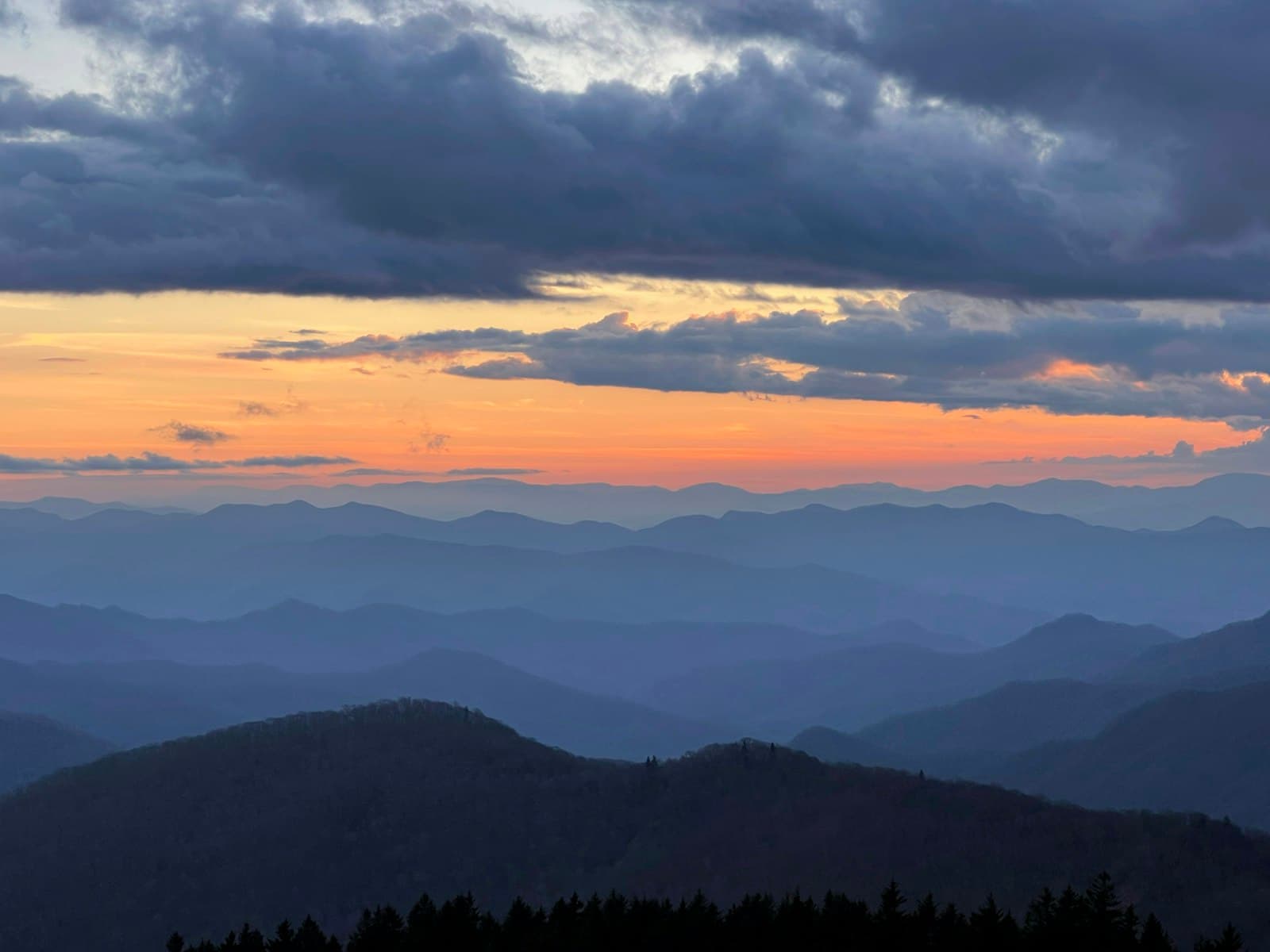
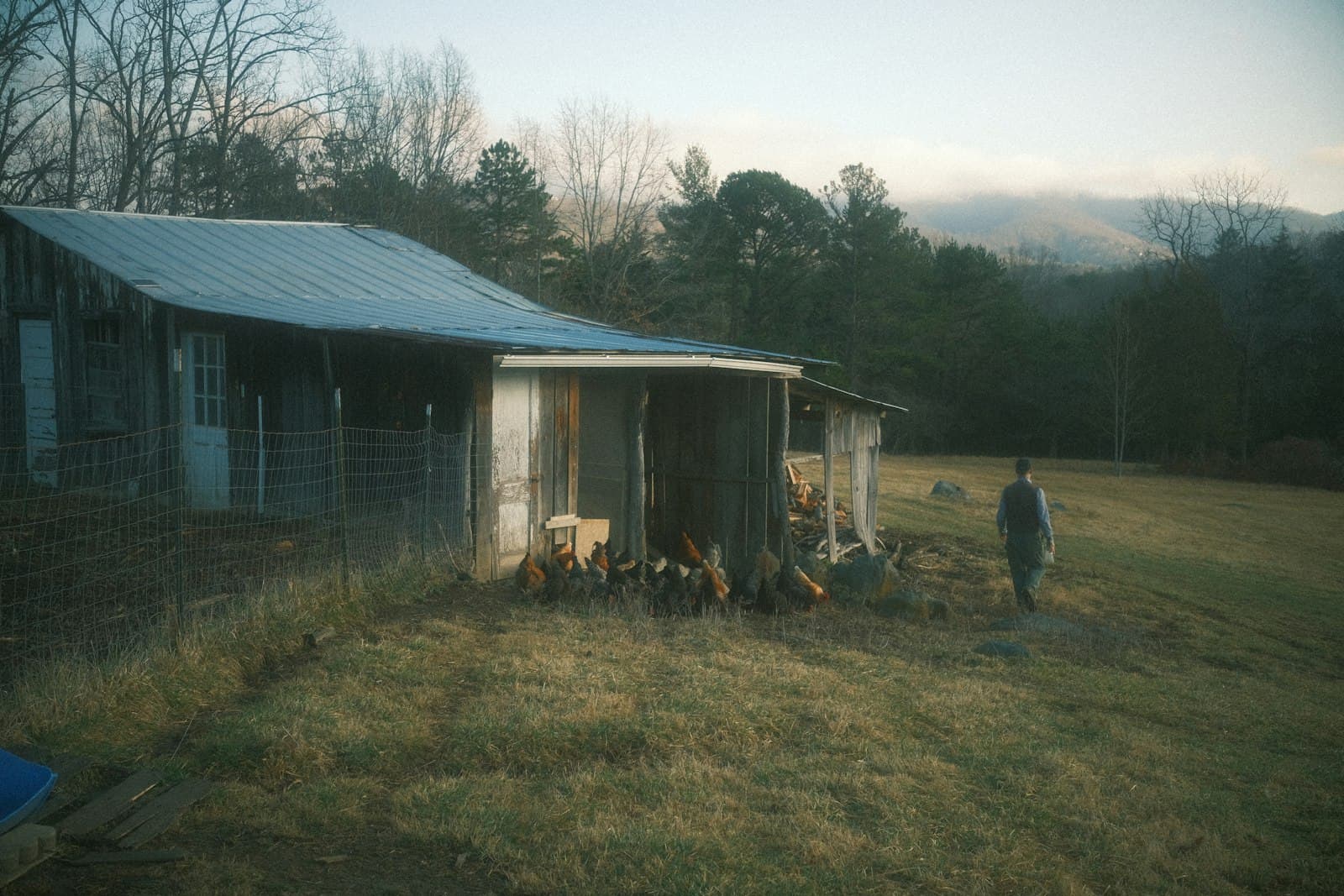
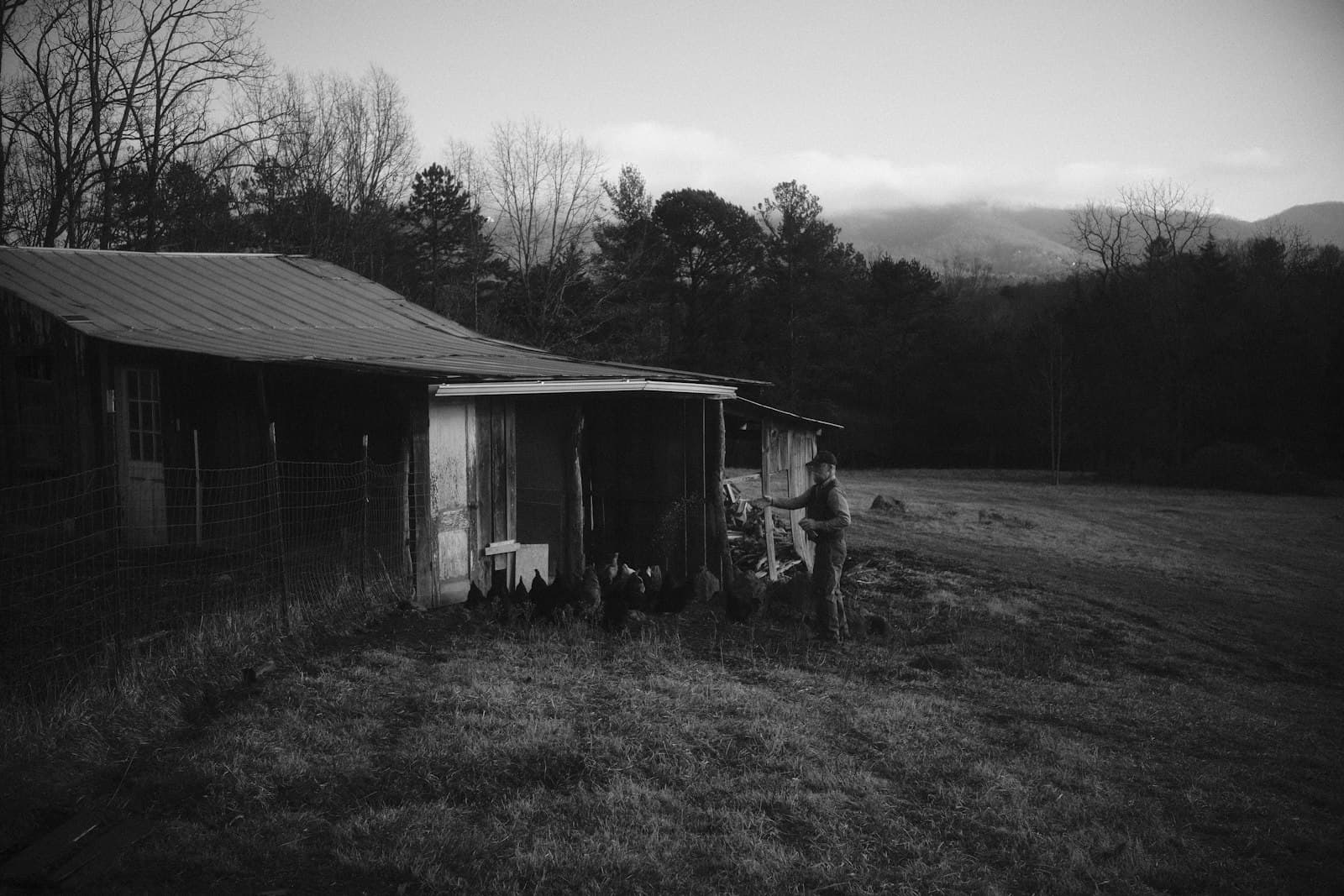
Lume include una guida in realtà aumentata. Alza il telefono: la fotocamera mostra la strada davanti a te, con una freccia luminosa sovrapposta all'immagine reale che punta sempre verso la tua prossima tappa — nessuna mappa da decifrare, nessuna svolta sbagliata. Come tutto in Lume, funziona completamente offline.
Asheville, North Carolina, si adagia nell'abbraccio delle Blue Ridge Mountains, dove convergono i fiumi French Broad e Swannanoa. Questa altitudine, con una media di circa 2.200 piedi sul livello del mare, contribuisce a un clima che offre quattro stagioni distinte, ognuna con il suo fascino. La miscela unica di splendore naturale ed energia culturale della città le è valsa la reputazione di destinazione che appare costantemente nelle 'Top 10 List' per i luoghi in cui vivere e visitare.
Oltre al suo scenario panoramico, Asheville fiorisce come centro regionale per le arti, la cultura e le attività all'aperto. Il suo centro pulsa di un'energia rinnovata, offrendo una vasta gamma di gallerie, boutique ed esperienze culinarie. I visitatori sono attratti da Asheville per la sua aria frizzante di montagna, le grandi montagne e un'atmosfera accogliente che combina un tocco cosmopolita con il fascino del Sud.
Prima della colonizzazione europea, la terra che ora è Asheville si trovava all'interno dei confini ancestrali della Nazione Cherokee. I Cherokee si riferivano all'area come Untokiasdiyi o Tokiyasdi, che significa "Dove corrono", e la usavano per la caccia e le riunioni tribali piuttosto che per insediamenti permanenti. La spedizione dell'esploratore spagnolo Hernando de Soto nel 1540 segnò la prima visita europea nell'area, registrando una città chiamata Guaxule alla confluenza dei fiumi. Tuttavia, le prove archeologiche smentirono in seguito la teoria che Asheville stessa fosse il sito di Guaxule, rivelando edifici comunitari risalenti a molto prima.
L'insediamento europeo iniziò nel 1784 quando il colonnello Samuel Davidson e la sua famiglia si stabilirono nella Swannanoa Valley. La contea di Buncombe fu ufficialmente formata nel 1792 e un insediamento chiamato Morristown fu stabilito come capoluogo della contea nel 1793. Nel 1797, Morristown fu incorporata e rinominata "Asheville" in onore del governatore della Carolina del Nord Samuel Ashe.
La crescita iniziale di Asheville fu graduale, con una popolazione di circa 500 abitanti nel 1840. Il completamento della Buncombe Turnpike nel 1828 e della "Asheville and Greenville Plank Road" nel 1851 stimolarono il commercio e portarono più coloni, bestiame e merci nell'area. Dalla metà del 1800, Asheville iniziò ad essere riconosciuta come una località termale, attirando i ricchi da tutto il Sud.
L'arrivo della Western North Carolina Railroad nel 1880 segnò un punto di svolta significativo, collegando la regione montuosa precedentemente isolata con il resto del paese. Ciò stimolò un boom nel turismo e nello sviluppo economico, con la popolazione della città che crebbe da 2.616 a oltre 10.000 in soli dieci anni. George W. Vanderbilt, affascinato dall'area, iniziò la costruzione della Biltmore Estate nel 1889, completata nel 1895, consolidando ulteriormente la reputazione di Asheville come destinazione d'élite.
Gli anni '10 e '20 furono un periodo di prosperità e costruzione, che portò Asheville ad acquisire una delle collezioni più impressionanti di architettura Art Déco negli Stati Uniti. Tuttavia, il crollo del mercato azionario del 1929 e la conseguente Grande Depressione colpirono duramente Asheville, lasciando la città con il più alto debito pro capite del paese. La crescita economica ristagnò per decenni, il che preservò involontariamente molti dei suoi edifici storici dalla demolizione a causa di progetti di "rinnovamento urbano" visti in altre città. Entro il 1977, la città aveva ripagato i suoi prestiti, portando a una rivitalizzazione che ha trasformato il centro di Asheville in un fiorente centro di gallerie, musei, bistrot e negozi.
Il centro di Asheville presenta un mix eclettico di stili architettonici, tra cui Neoclassico, Revival Romanico, Art Déco, Beaux Arts, Gotico e Rinascimento Spagnolo. Architetti famosi come Douglas D. Ellington, Richard Sharp Smith e Rafael Guastavino hanno lasciato il loro segno sulla città. Tra i punti salienti figurano la Basilica di San Lorenzo, nota per la sua cupola ellittica autoportante, e il City Hall Art Déco di Ellington. La conservazione di queste strutture, in particolare gli edifici Art Déco degli anni '20, conferisce ad Asheville un carattere distintivo.
Asheville offre una vasta gamma di attrazioni, che uniscono bellezza naturale a una vivace scena culturale. La Biltmore Estate, la più grande casa privata d'America, invita all'esplorazione con la sua opulenta architettura rinascimentale francese e gli ampi giardini progettati da Frederick Law Olmsted. Si può passeggiare per la villa, i suoi terreni e persino soggiornare in uno degli hotel della tenuta.
Per gli appassionati d'arte, il River Arts District (RAD) è un centro dinamico con centinaia di artisti al lavoro, gallerie e studi. I visitatori possono osservare gli artisti al lavoro, partecipare a workshop e acquistare pezzi unici. Il centro di Asheville contiene anche numerose gallerie, tra cui Woolworth Walk, che presenta oltre 170 artisti locali.
La distintiva architettura Art Déco della città è meglio apprezzata passeggiando per il centro o partecipando a un tour dell'Urban Trail. Esempi chiave includono il City Hall color rosa tenue e lo storico Grove Arcade. La Basilica di San Lorenzo è un'altra meraviglia architettonica, caratterizzata da quella che si dice essere la più grande cupola ellittica autoportante del Nord America.
Gli avventurieri all'aria aperta troveranno molto da fare, con la Blue Ridge Parkway che offre percorsi panoramici, sentieri escursionistici e cascate. Altre attività includono galleggiare lungo il fiume French Broad, visitare il North Carolina Arboretum o esplorare il vicino Chimney Rock State Park. Per un'esperienza unica, l'Asheville Pinball Museum offre la possibilità di giocare con macchine d'epoca.
Asheville è una destinazione tutto l'anno, ogni stagione offre esperienze distinte. La stagione calda va da fine maggio a metà settembre, con luglio come mese più caldo, con massime medie di 82°F e minime di 64°F. Le estati sono calde e umide, con occasionali picchi sopra i 90°F, ma l'altitudine più elevata offre un certo sollievo.
L'autunno (settembre-novembre) è probabilmente il periodo più popolare per visitare, noto per il suo brillante fogliame e l'aria frizzante. I colori autunnali di picco appaiono tipicamente da fine settembre a inizio novembre, spostandosi dalle altitudini più elevate alla città. La primavera (marzo-maggio) porta fiori in fiore e temperature confortevoli, ideali per escursioni ed esplorazione di giardini.
L'inverno (dicembre-febbraio) è breve e molto freddo, con gennaio come mese più freddo (media minima di 29°F, massima di 47°F). Sebbene si verifichino occasionali nevicate, gli inverni sono generalmente gestibili. Le festività offrono un'esperienza magica, specialmente con il Natale alla Biltmore Estate.
Per attività all'aria aperta, si consiglia da inizio giugno a fine settembre. Per evitare la folla, considera di visitare tra dicembre e marzo, o durante i giorni feriali.
L'altitudine media di Asheville è di circa 2.200 piedi sul livello del mare, contribuendo al suo clima distintivo. Mentre le estati sono calde, le temperature raramente superano i 90°F e le altitudini più elevate offrono aria più fresca. Gli inverni sono freddi ma generalmente miti rispetto ad altre regioni montuose, con una nevicata media annua di circa 11 pollici. Le precipitazioni sono distribuite abbastanza uniformemente durante tutto l'anno, anche se l'estate può portare temporali pomeridiani.
Esplorare Asheville richiede generalmente un'auto, soprattutto per avventurarsi oltre il centro e accedere alle attrazioni naturali come la Blue Ridge Parkway. Tuttavia, il centro stesso è percorribile a piedi e molte attrazioni sono concentrate lì. Esistono opzioni di trasporto pubblico, ma un veicolo personale offre la massima flessibilità per vivere la regione più ampia. Molte attività commerciali locali, soprattutto al di fuori del centro, operano secondo un orario che privilegia il tempo libero dopo le 17:00, riflettendo la cultura locale.
Asheville — coreano, cinese, ebraico e altre 29 lingue, ogni tappa narrata da una voce madrelingua. La più ampia scelta di lingue tra i tour audio autoguidati.
Disponibile in: