Lithia Park
El tranquilo Jardín Japonés dentro de Lithia Park esconde un sorprendente secreto sobre sus orígenes.
La historia completa se desbloquea en el tour
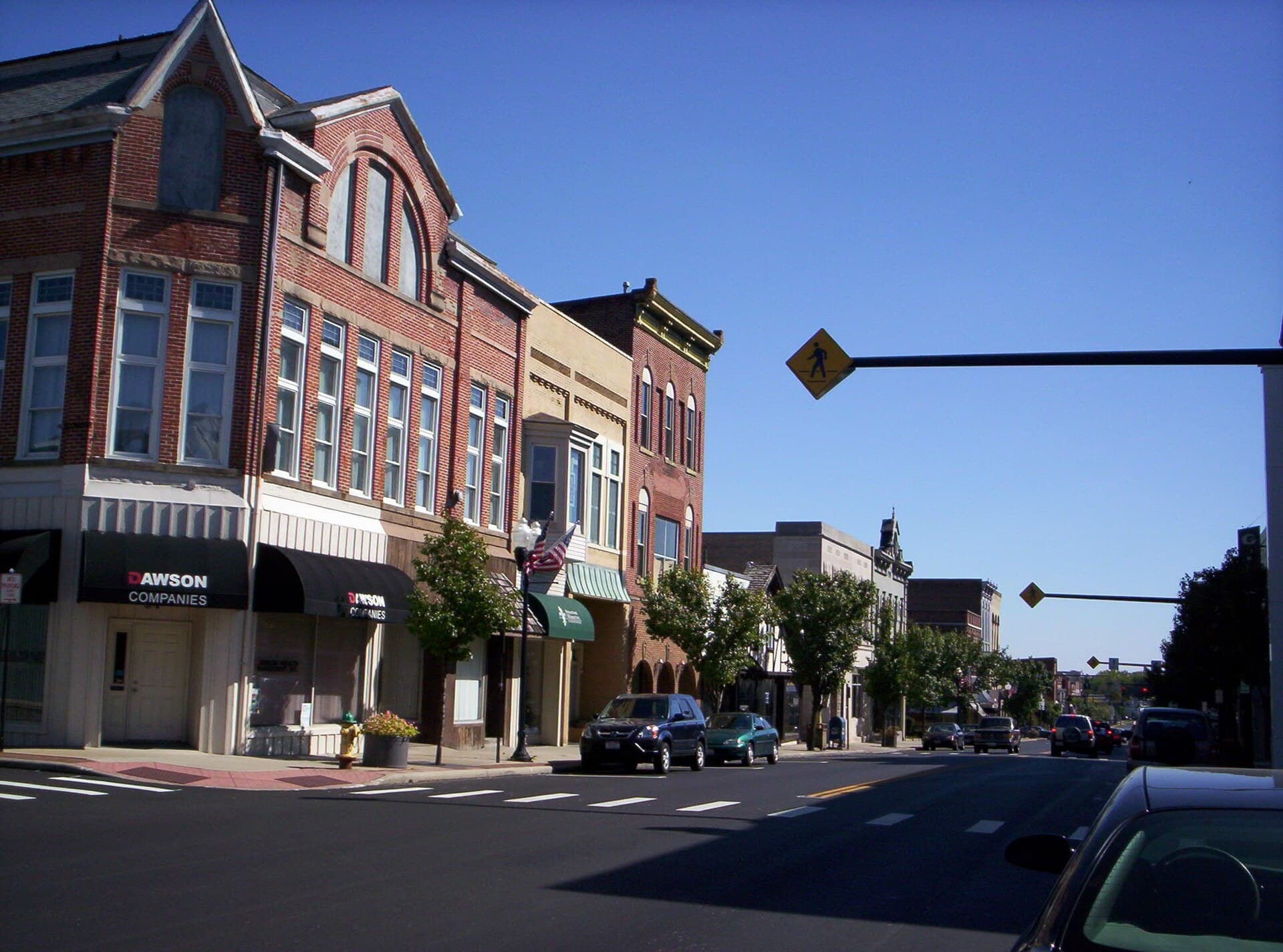 User:OHWiki / CC BY-SA 2.5, via Wikimedia Commons
Tour de audio autoguiado de Ashland — ruta GPS a pie, reproducción offline, narración en 32 idiomas.
“Donde el telón se alza en la cultura y las montañas abrazan el escenario.”
No las postales. Las historias que ni los locales conocen — al oído, justo donde ocurrieron.
El tranquilo Jardín Japonés dentro de Lithia Park esconde un sorprendente secreto sobre sus orígenes.
El célebre Escenario Isabelino al aire libre posee una historia inesperada, anterior a sus representaciones shakespearianas.
La designación de la ciudad va más allá de un simple reflejo de su paisaje circundante.
Descubre todos los secretos de Ashland
Cada dirección, cada revelación al completo — a tu oído, justo donde ocurrió.
Eliges tus paradas. Caminas. La voz te revela lo que los demás ignoran.
Tu tour de audioguía por Ashland te espera — elige tus lugares, tu idioma y empieza al llegar.
ComprarLume incluye una guía de realidad aumentada. Levanta el móvil y su cámara muestra la calle que tienes delante, con una flecha luminosa sobre la imagen real que siempre apunta a tu próxima parada — sin mapas que descifrar, sin giros equivocados. Como todo en Lume, funciona completamente sin conexión.
Ashland, Oregón, es una ciudad donde la expresión artística y la grandeza de la naturaleza convergen. Situada a lo largo de la Interestatal 5, aproximadamente a 26 kilómetros al norte de la frontera con California, se encuentra en la extensión sur del Valle de Rogue, bordeada por las cordilleras Siskiyou y Cascade. Esta ciudad de poco más de 21,000 residentes es ampliamente reconocida como el hogar del Oregon Shakespeare Festival (OSF), una aclamada compañía de teatro regional que atrae a cientos de miles de visitantes cada año. Más allá de los escenarios teatrales, Ashland ofrece un animado centro con galerías, tiendas independientes y diversos restaurantes, junto con el extenso Lithia Park, un santuario urbano de 37 hectáreas.
La particular combinación de espíritu creativo y recreación al aire libre de Ashland crea un destino distintivo. Desde producciones teatrales de clase mundial hasta pintorescas rutas de senderismo y una floreciente región vinícola, la ciudad ofrece una rica variedad de experiencias. Southern Oregon University también contribuye a la atmósfera dinámica de Ashland, equilibrando la presencia turística con una animada comunidad estudiantil. Ya sea atraído por el encanto del teatro clásico, la tranquilidad de un parque meticulosamente diseñado o la perspectiva de explorar los paisajes naturales circundantes, Ashland extiende una invitación convincente para descubrir sus muchas facetas.
Los orígenes de Ashland se remontan a enero de 1852, cuando llegaron los colonos, atraídos por la tierra fértil y la perspectiva de oro en los arroyos cercanos. Abel D. Helman y otros establecieron un aserradero, seguido por los Ashland Flouring Mills en 1854, para procesar la madera y el trigo locales. La comunidad que creció alrededor de estas operaciones fue inicialmente conocida como "Ashland Mills". El nombre se acortó más tarde a Ashland cuando la ciudad se incorporó oficialmente en 1874. La Ashland temprana era distinta de gran parte del suroeste de Oregón, asentada por una clase mercantil de Whigs y Republicanos, en contraste con los mineros de oro de la región y los Demócratas defensores de los "derechos de los estados".
A finales del siglo XIX, Ashland comenzó a consolidar su papel como centro cultural. En 1893, la Southern Oregon Chautauqua Association estableció un lugar de espectáculos, trayendo conferencias y entretenimiento a la zona. Este edificio Chautauqua, ampliado a lo largo de los años, desempeñaría más tarde un papel fundamental en el futuro de la ciudad. Sin embargo, para 1910, la floreciente ciudad ferroviaria de Medford superó a Ashland en tamaño y prosperidad, lo que llevó a los líderes de Ashland a buscar nuevas vías de crecimiento.
La década de 1930 marcó un punto de inflexión significativo con el nacimiento del Oregon Shakespeare Festival (OSF). En 1935, el profesor de teatro de la Southern Oregon University, Angus L. Bowmer, observó la semejanza de los muros del deteriorado edificio Chautauqua con los teatros isabelinos. Propuso usar la estructura para representar obras de Shakespeare como parte de la celebración del Cuatro de Julio de Ashland. La ciudad avanzó cautelosamente $400, y con fondos adicionales de la Administración de Ayuda de Emergencia del Estado, se representaron las dos primeras obras, Noche de Reyes y El mercader de Venecia.
El Oregon Shakespeare Festival rápidamente se ganó una reputación por la calidad de sus producciones, creciendo constantemente a pesar de una pausa durante la Segunda Guerra Mundial. Amplió su temporada, añadió obras no shakespearianas e introdujo los 'Green Shows' gratuitos. En 1983, el OSF recibió un Premio Tony al Teatro Regional, consolidando su estatus como una importante institución cultural. Hoy en día, el centro de Ashland conserva su carácter de pueblo pequeño con edificios históricos, calles arboladas y una animada escena artística que sigue atrayendo a visitantes de todo el mundo.
Comience su exploración en el corazón de Ashland en el Oregon Shakespeare Festival (OSF). Este célebre teatro de repertorio presenta un programa variado de obras clásicas y contemporáneas en múltiples escenarios desde finales de abril hasta diciembre. Incluso si no asiste a un espectáculo, el campus en sí invita a un agradable paseo, especialmente durante los 'Green Shows' gratuitos al aire libre que preceden a las actuaciones nocturnas en los meses más cálidos.
Adyacente al OSF se encuentra Lithia Park, un santuario urbano de 37 hectáreas diseñado en parte por John McLaren, quien también contribuyó al Golden Gate Park de San Francisco. Pasee a lo largo de Ashland Creek, descubra el Jardín Japonés, visite los estanques de patos o simplemente relájese en medio de los verdes paisajes. El parque también cuenta con fuentes de agua mineral, un guiño al pasado de Ashland como un posible balneario.
La zona de la Downtown Plaza es un centro animado con edificios históricos que albergan tiendas locales, galerías de arte, librerías y cafeterías. Explore Calle Guanajuato, un pintoresco paseo a lo largo de Ashland Creek, o busque artículos hechos a mano en el Lithia Artisans Market estacional. Para aquellos interesados en bebidas locales, numerosas bodegas en el valle de Rogue circundante ofrecen tours y degustaciones, especializándose en variedades como Syrah y Malbec. Los entusiastas del aire libre pueden encontrar rutas de senderismo y ciclismo en la Cuenca de Ashland, o dirigirse al lago Emigrant para actividades acuáticas.
Ashland experimenta un clima mediterráneo de verano cálido, con veranos calurosos, secos y mayormente despejados, e inviernos húmedos, muy fríos y mayormente nublados. La época ideal para visitar para actividades de clima cálido es desde principios de julio hasta finales de agosto, cuando las temperaturas promedian entre 13°C y 32°C. Sin embargo, para un clima confortable perfecto para la exploración, considere de mayo a junio y nuevamente en septiembre y mediados de octubre. Durante estas temporadas intermedias, las temperaturas son agradablemente cálidas, oscilando entre 14°C y 27°C en septiembre, con menor humedad y abundante sol. Aunque las nevadas son ligeras, ocurriendo principalmente en diciembre y enero, los inviernos son fríos con mínimas promedio de -1°C.
Ashland es fácilmente accesible en coche a través de la Interestatal 5, aproximadamente a 459 kilómetros al sur de Portland. El aeropuerto principal más cercano es el Rogue Valley International Airport (MFR) en Medford, a unos 24 kilómetros al norte, con servicios de taxi y transporte disponibles a Ashland. Para aquellos que vuelan en privado, el Ashland Municipal Airport (S03) se encuentra a 3 kilómetros al este de la ciudad.
Una vez en Ashland, el centro es muy transitable a pie, y muchos hoteles y B&B están convenientemente situados para el acceso peatonal a las atracciones. El Rogue Valley Transportation District (RVTD) ofrece servicio de autobús local, con rutas que conectan Ashland con otras comunidades cercanas. Hay pases de autobús gratuitos disponibles para los residentes de Ashland mayores de 62 años. El estacionamiento puede ser un desafío en verano, especialmente durante las actuaciones nocturnas del Festival Shakespeare, así que considere caminar o andar en bicicleta si es posible. A menudo hay Wi-Fi gratuito disponible en lugares públicos, incluyendo muchos hoteles, cafeterías y pubs.
Ashland en coreano, en chino o en hebreo — y 29 idiomas más, cada parada narrada por una voz nativa. La mayor variedad de idiomas de cualquier audioguía autoguiada.
Disponible en: