Biblioteca de Devonport
Uma figura local querida, imortalizada em bronze, uma vez fez desta biblioteca sua segunda casa.
História completa desbloqueada no tour
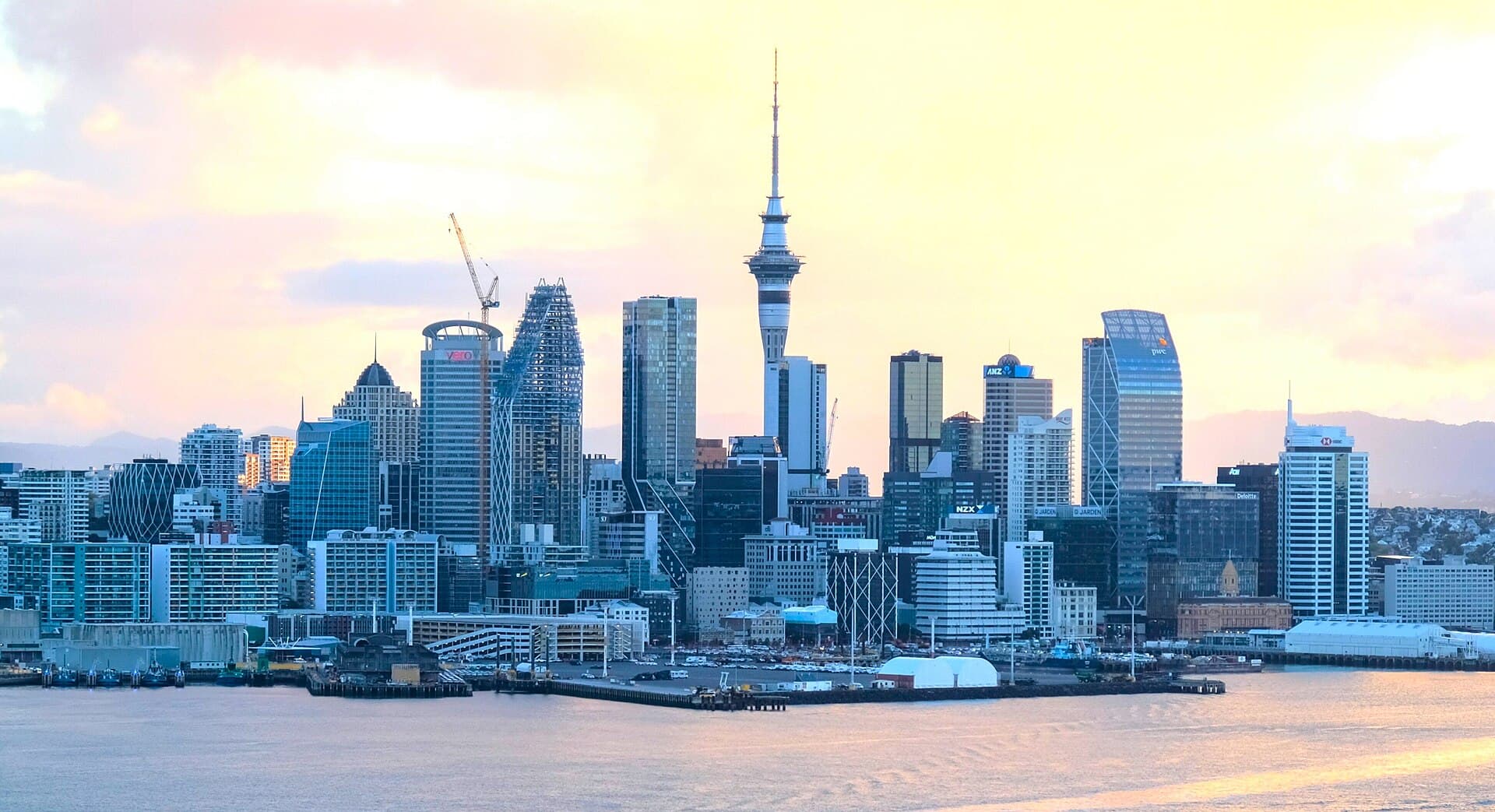 elpinto007 / CC BY-SA 2.0, via Wikimedia Commons
Tour de áudio autoguiado por Auckland — rota GPS a pé, reprodução offline, narração envolvente em 32 idiomas.
“Onde o passado ardente da terra encontra o pulso avançado de uma cidade, Auckland se desdobra entre dois portos e um vibrante mosaico cultural.”
Não os postais. As histórias que nem os locais conhecem — sussurradas ao seu ouvido, exatamente onde aconteceram.
Uma figura local querida, imortalizada em bronze, uma vez fez desta biblioteca sua segunda casa.
Antes dos cabos submarinos, um serviço postal único conectava esta ilha remota a Auckland.
Sob as ruas movimentadas de Auckland, reside uma rede de passagens, remanescentes de antigas atividades de fogo.
Descubra cada segredo de Auckland
Cada endereço, cada revelação na íntegra — no seu ouvido, exatamente onde aconteceu.
Você escolhe as suas paragens. Você caminha. A voz revela o que os outros perdem.


O seu tour áudio autoguiado de Auckland está pronto — escolha os seus pontos de interesse, selecione o seu idioma e comece no momento em que chegar.
ComprarA Lume inclui um guia de realidade aumentada. Levante o telemóvel: a câmara mostra a rua à sua frente, com uma seta luminosa sobreposta à imagem real que aponta sempre para a sua próxima paragem — sem mapa para decifrar, sem voltas erradas. Como tudo na Lume, funciona totalmente offline.
Auckland, ou Tāmaki Makaurau em Māori, que significa "Tāmaki desejado por muitos", é a cidade mais populosa da Nova Zelândia e seu principal motor econômico. Esta vasta área urbana, lar de mais de 1,65 milhão de pessoas, encontra sua posição única em um istmo estreito, oferecendo a rara distinção de ter dois grandes portos em corpos de água separados: o Porto de Waitematā abrindo para o Oceano Pacífico e o Porto de Manukau conectando-se ao Mar da Tasmânia. Sua paisagem distintiva é moldada por um campo vulcânico compreendendo 53 centros vulcânicos adormecidos, proporcionando mirantes elevados e um pano de fundo dramático para o ambiente urbano.
Auckland é uma cidade de notável diversidade cultural, com uma proporção significativa de seus residentes nascidos no exterior. Abriga a maior população polinésia do mundo, juntamente com comunidades asiáticas e europeias substanciais, contribuindo para uma rica variedade de idiomas, tradições e experiências culinárias. Essa multiculturalidade, combinada com seus arredores naturais — desde praias de areia preta na costa oeste até exuberantes florestas nativas e inúmeras ilhas no Golfo de Hauraki — torna Auckland um destino dinâmico e acolhedor.
O istmo de Auckland viu o primeiro assentamento Māori por volta de 1350, que reconheceu seu valor estratégico e recursos abundantes. Eles nomearam a área de Tāmaki Makaurau, refletindo sua desejabilidade. A estreita faixa de terra, com menos de 2 quilômetros de largura em seu ponto mais estreito, proporcionava acesso tanto ao Mar da Tasmânia quanto ao Oceano Pacífico, bem como solos férteis para horticultura e abundância de frutos do mar. Tribos Māori, incluindo Ngāti Whātua e Te Kawerau-a-Maki, estabeleceram numerosos pā (vilas fortificadas) nos picos vulcânicos que pontilham a paisagem.
Em 1840, após o estabelecimento de uma colônia britânica na Nova Zelândia, o Tenente-Governador William Hobson selecionou Auckland como a nova capital. Essa decisão foi auxiliada por um presente estratégico de terras de Ngāti Whātua Ōrākei. Auckland foi oficialmente declarada capital em 1841, e sua população cresceu rapidamente, de 1.500 em 1841 para mais de 12.000 em 1864. Durante as Guerras da Nova Zelândia, a cidade serviu como base para fencibles e soldados, impulsionando o comércio local. No entanto, sua permanência como capital foi relativamente breve; em 1865, a sede do governo foi transferida para Wellington por sua localização geográfica mais central.
Apesar de perder seu status de capital, Auckland continuou a crescer, principalmente devido ao seu porto estratégico e indústrias em desenvolvimento como extração de madeira e ouro. Permaneceu a principal cidade da Província de Auckland até que o sistema provincial foi abolido em 1876. O século XX viu a contínua expansão de Auckland, com nova infraestrutura de transporte e expansão urbana. Em 1995, a população da cidade ultrapassou um milhão, e ela se tornou o maior centro urbano da Nova Zelândia. Hoje, Auckland é reconhecida como o principal centro econômico da Nova Zelândia, contribuindo com aproximadamente dois quintos do PIB da nação, com fortes setores em finanças, tecnologia e indústrias criativas. Marcos arquitetônicos como a Ponte do Porto e a Sky Tower, inaugurada em 1997 e sendo o segundo edifício mais alto do Hemisfério Sul, definem seu horizonte moderno.
Auckland oferece uma mistura de atrações urbanas e refúgios naturais. A Sky Tower, com 328 metros de altura, proporciona vistas panorâmicas da cidade, seus portos e ilhas circundantes. Para os mais aventureiros, há o SkyWalk ou SkyJump. A área do Viaduct Harbour é um centro animado com restaurantes à beira-mar, iates de luxo e vistas panorâmicas, ideal para observar barcos ou desfrutar de frutos do mar frescos da Nova Zelândia. Um curto passeio de balsa do centro da cidade pode levá-lo à Ilha Waiheke, conhecida por seus vinhedos, olivais e praias, oferecendo um dia relaxante. Alternativamente, explore a Ilha Rangitoto, um cone vulcânico adormecido com trilhas para caminhada por campos de lava e mata nativa, proporcionando vistas de seu cume.
Para um mergulho mais profundo na cultura e história, o Auckland War Memorial Museum abriga extensas coleções sobre a história cultural, natural e militar da Nova Zelândia, incluindo importantes taonga (tesouros) Māori. A Auckland Art Gallery é o maior e mais extenso museu de arte da Nova Zelândia, apresentando mais de 15.000 obras. Para vivenciar os diversos bairros de Auckland, aventure-se além do CBD para áreas como Ponsonby para boutiques e restaurantes, ou Parnell, o bairro mais antigo de Auckland, para lojas sofisticadas e jardins. O Coast to Coast Walkway oferece uma jornada de 16 quilômetros através do istmo de Auckland, conectando o Oceano Pacífico e o Mar da Tasmânia a pé, passando por cones vulcânicos e mata nativa.
Auckland experimenta um clima temperado quente ou subtropical úmido, com verões quentes e úmidos e invernos amenos e chuvosos. A melhor época para visitar para atividades de clima quente é de final de dezembro a final de março, durante os meses de verão, quando as temperaturas variam em média entre 20-25°C (68-77°F). Este período oferece dias longos e ensolarados, perfeitos para praias e atividades ao ar livre, embora possa ser movimentado. As estações intermediárias de primavera (setembro-novembro) e outono (março-maio) também oferecem temperaturas amenas e agradáveis, menos multidões e boas oportunidades para explorar.
Auckland é uma cidade geralmente segura e tranquila, embora possa ser cara. A moeda local é o Dólar Neozelandês (NZD). Gorjetas não são costumeiras ou esperadas. O Aeroporto Internacional de Auckland (AKL) está localizado a 21 km do centro da cidade, com várias opções de transporte, incluindo táxis, ônibus de translado e o SkyBus. Dentro da cidade, o transporte público inclui ônibus e balsas, com serviços de trem elétrico também disponíveis. A direção é pela esquerda da estrada. A corrente elétrica é de 230/240 volts, 50 hertz, com plugues planos de 2 ou 3 pinos. É aconselhável levar roupas em camadas e um guarda-chuva devido ao clima mutável. A Nova Zelândia possui leis rigorosas de biossegurança, portanto, declare quaisquer itens potencialmente restritos na alfândega ao chegar.
Auckland — coreano, chinês, hebraico e mais 29 idiomas, cada parada narrada por uma voz nativa. A maior variedade de idiomas entre os passeios de áudio autoguiados.
Disponível em: