Broad, Greene e Telfair Streets
Le vie più eleganti di Augusta portavano un tempo un soprannome piuttosto poco dignitoso.
La storia completa si sblocca nel tour
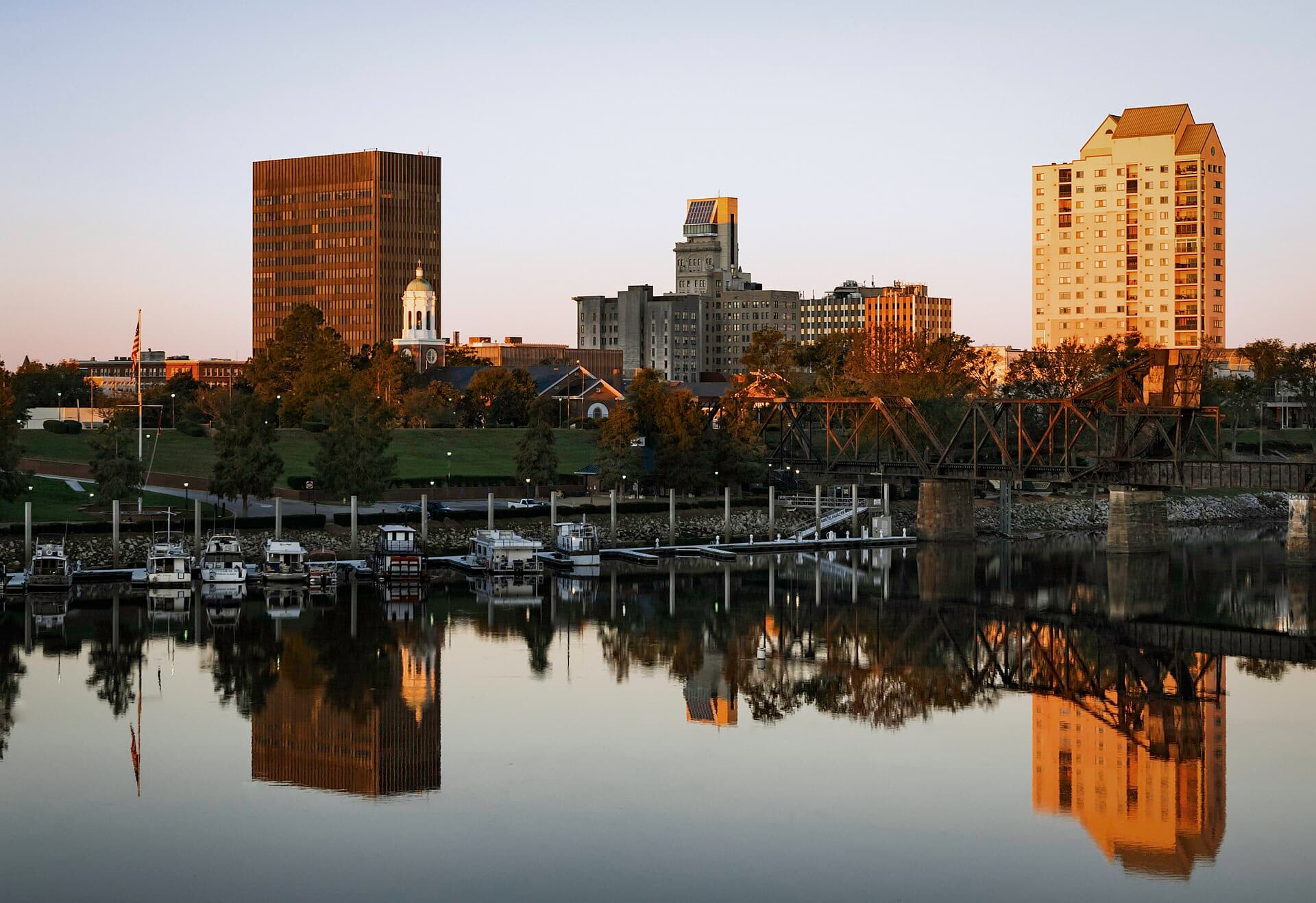 c_live_lee / CC0, via Wikimedia Commons
Tour audio autoguidato di Augusta — percorso GPS a piedi, riproduzione offline, narrazione coinvolgente in 32 lingue.
“Dove il fiume Savannah scorre con la memoria e lo spirito del Sud trova il suo ritmo.”
Non le cartoline. Le storie che nemmeno i locali conoscono — sussurrate nel tuo orecchio, proprio dove sono accadute.
Le vie più eleganti di Augusta portavano un tempo un soprannome piuttosto poco dignitoso.
Una specifica finestra di questo campus custodisce un commovente segreto inciso risalente agli anni '60 dell'Ottocento.
Per assaporare alcuni dei piatti soul food più celebrati della città, potresti ritrovarti a evitare del tutto i ristoranti convenzionali.
Scopri ogni segreto di Augusta
Ogni indirizzo, ogni rivelazione completa — nel tuo orecchio, proprio dove è accaduta.
Scegli le tue tappe. Cammini. La voce rivela ciò che gli altri perdono.
Il tuo tour audio autoguidato di Augusta è pronto — scegli i tuoi punti di interesse, seleziona la tua lingua e inizia nel momento in cui arrivi.
AcquistaLume include una guida in realtà aumentata. Alza il telefono: la fotocamera mostra la strada davanti a te, con una freccia luminosa sovrapposta all'immagine reale che punta sempre verso la tua prossima tappa — nessuna mappa da decifrare, nessuna svolta sbagliata. Come tutto in Lume, funziona completamente offline.
Augusta, Georgia, la seconda città più antica e grande dello stato, si srotola lungo le rive del fiume Savannah, a circa 150 miglia a est di Atlanta. Questa città, spesso chiamata la 'Garden City of the South', intreccia profondità storica, la quieta grandezza della natura e un distintivo impulso culturale. È un luogo che bilancia con grazia il suo passato di crocevia cruciale per il commercio e l'industria con il suo presente come centro per attività all'aperto, espressione artistica e autentica accoglienza del Sud.
Oltre al suo riconoscimento globale come sede del Masters Tournament, Augusta estende un invito a una vasta gamma di esperienze. Dalle passeggiate nei suoi quartieri storici pedonali e sul tranquillo lungofiume, all'immersione nella sua fiorente scena artistica e nei sapori dei ristoranti a conduzione locale, la città incoraggia i visitatori a scoprire il suo carattere singolare. L'identità di Augusta è profondamente radicata nel fiume che la modella e nella cultura unica che fiorisce entro i suoi confini, rendendola una destinazione degna di esplorazione per le sue intrinseche qualità.
Le origini di Augusta risalgono al 1736, quando James Oglethorpe la stabilì come parte della colonia britannica della Georgia, rendendola il secondo insediamento della colonia dopo Savannah. La sua posizione strategica sul fiume Savannah, nel punto più navigabile, la rese un naturale crocevia per i sentieri dei Nativi Americani e un luogo ideale per un posto commerciale nell'entroterra. Oglethorpe le diede il nome in onore della Principessa Augusta, moglie di Federico, Principe di Galles. L'insediamento fu concepito come un baluardo difensivo contro le incursioni spagnole e francesi e prosperò rapidamente come centro commerciale, con un forte completato entro il 1739.
Augusta giocò un ruolo fondamentale sia durante la Guerra d'Indipendenza Americana che durante la Guerra Civile. Servì come capitale dello stato della Georgia in due occasioni, la prima dal 1785 al 1795. Durante la Guerra Civile Americana, Augusta si trasformò in un centro vitale per la prontezza militare e la produzione industriale, ospitando la principale Confederate Powderworks, che produsse oltre 3 milioni di libbre di polvere da sparo per la causa del Sud.
La costruzione del Canale di Augusta nel 1847 segnò un momento trasformativo, consolidando la posizione di Augusta come leader industriale. Il canale stimolò l'espansione della produzione tessile, di polvere da sparo e cartaria, e al tempo della Guerra Civile, Augusta era uno dei pochi centri industriali del Sud. Questa infrastruttura aiutò Augusta a diventare il secondo mercato mondiale di cotone nell'entroterra durante il boom del cotone. La dedizione della città al suo passato è evidente nei suoi nove quartieri elencati nel National Register of Historic Places e nei suoi continui sforzi di conservazione, incluso il riutilizzo adattivo di strutture storiche come l'Augusta Cotton Exchange.
Inizia la tua esplorazione all'Augusta Riverwalk, un percorso lastricato a più livelli lungo il fiume Savannah, che offre viste verso la South Carolina e presenta parchi verdi, giardini tranquilli e un anfiteatro all'aperto. Da lì, fai un salto indietro nel tempo all'Augusta Canal National Heritage Area. Puoi intraprendere un tour in barca a bordo di repliche di barche del canale, o percorrere le 11 miglia del canale in kayak o in bicicletta, approfondendo la sua storia al Discovery Center, che si trova all'interno di un mulino tessile storico.
Per gli amanti dell'arte, il Morris Museum of Art espone oltre 5.000 opere, concentrandosi sull'arte del Sud dalla fine del XVIII secolo ai giorni nostri. Coloro che sono interessati alla storia possono visitare l'Augusta Museum of History, che espone l'iconico mantello di James Brown, o la Boyhood Home of President Woodrow Wilson. Anche il Lucy Craft Laney Museum of Black History, intitolato alla donna che fondò la prima scuola della zona per bambini neri, offre un'esperienza significativa. Non trascurare l'Ezekiel Harris House, un esempio finemente conservato di architettura georgiana del 1797, che offre uno spaccato della vita iniziale e del commercio del tabacco. Per un incontro singolare, il Pexcho's American Dime Museum offre una ricreazione autentica di un museo del XIX secolo. Gli amanti della natura possono recarsi al Phinizy Swamp Nature Park, un'ampia zona umida urbana con passerelle perfette per osservare la fauna selvatica come alligatori e lontre.
I periodi più piacevoli per visitare Augusta per un clima confortevole e attività all'aperto vanno da metà aprile a inizio giugno e da inizio settembre a fine ottobre. Durante questi periodi, le temperature sono più miti e l'aria contiene meno umidità. La primavera, da marzo a maggio, offre temperature gradevoli, mentre l'autunno, da settembre a novembre, offre anch'esso condizioni confortevoli. Le estati, da giugno ad agosto, sono calde e umide, con temperature medie giornaliere che salgono fino ai 35°C, e sono soggette a temporali e piogge abbondanti. Gli inverni, da dicembre a febbraio, sono miti, con temperature tipicamente comprese tra i 7°C e i 18°C.
Augusta è facilmente raggiungibile in auto, situata sulla I-20 tra Atlanta e Columbia, South Carolina, con la I-520 che circonda la città. Data l'ampia estensione della città, un'auto è generalmente il mezzo di navigazione più efficace, sebbene le arterie principali possano subire traffico intenso durante l'ora di punta nei giorni feriali. Durante la Masters Week, tipicamente in primavera, è meglio evitare di spostarsi intorno all'Augusta National Golf Club, specialmente lungo Washington Road, a causa della folla significativa. La città offre una vasta gamma di alloggi, da invitanti locande storiche come il Partridge Inn a hotel contemporanei. Per una panoramica della città e raccomandazioni locali, Augusta & Co. funge da centro esperienziale ufficiale nel centro di Augusta, offrendo informazioni per i visitatori e prodotti locali accuratamente selezionati.
Augusta — coreano, cinese, ebraico e altre 29 lingue, ogni tappa narrata da una voce madrelingua. La più ampia scelta di lingue tra i tour audio autoguidati.
Disponibile in: