Cathédrale Saint-Lazare
Het boeiende timpaan van het Laatste Oordeel van de kathedraal van Autun, een meesterwerk van Romaanse beeldhouwkunst, verdween bijna uit ons zicht.
Volledig verhaal ontgrendeld in de tour
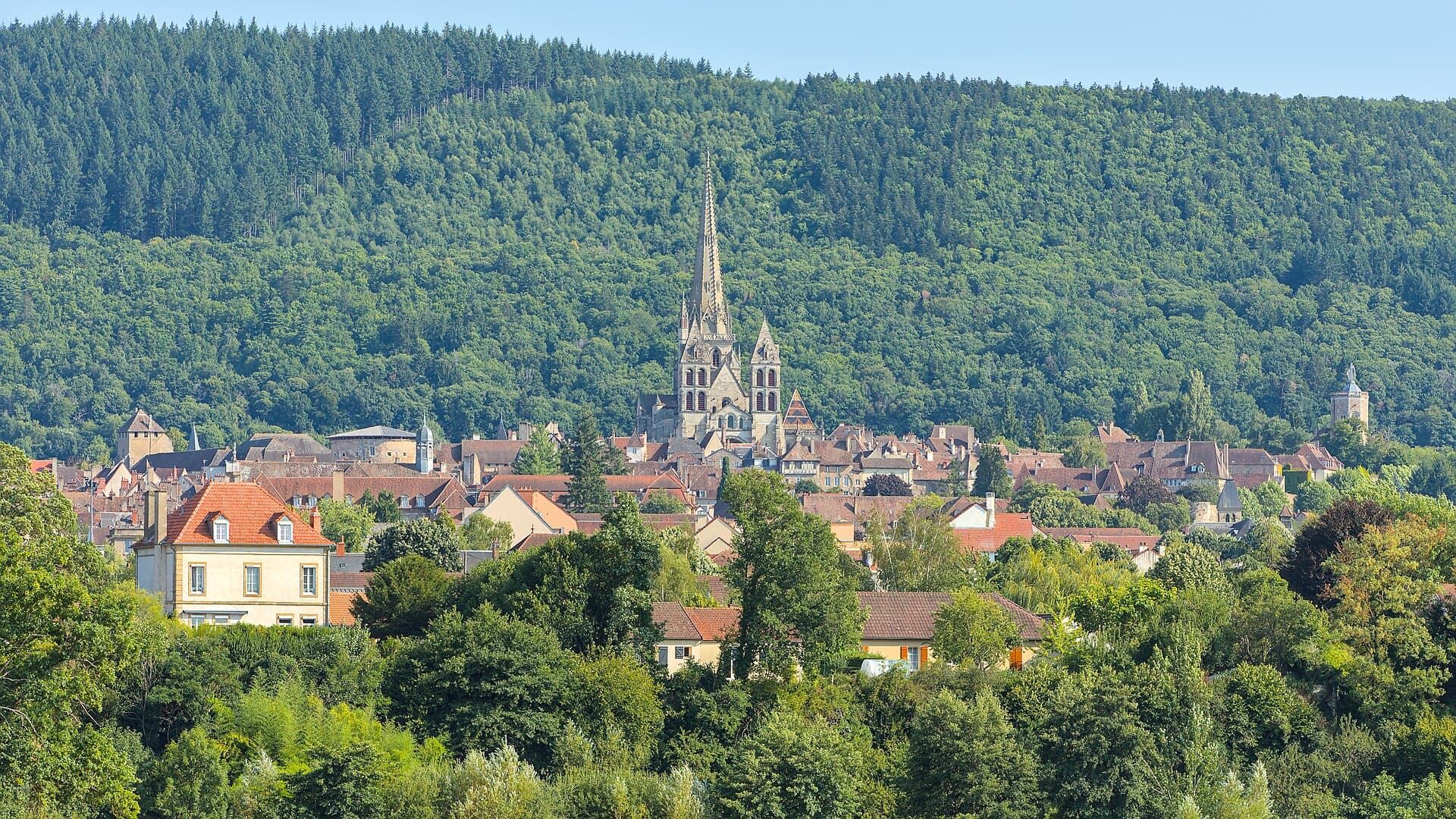 Benjamin Smith / CC BY-SA 4.0, via Wikimedia Commons
Zelfgeleide audiowandeling door Autun — GPS-route, offline afspelen, meeslepende vertelling in 32 talen.
“Waar Romeinse grandeur middeleeuwse rust ontmoet.”
Niet de ansichtkaarten. De verhalen die zelfs locals niet kennen — gefluisterd in je oor, precies waar ze gebeurden.
Het boeiende timpaan van het Laatste Oordeel van de kathedraal van Autun, een meesterwerk van Romaanse beeldhouwkunst, verdween bijna uit ons zicht.
Autun bezat ooit niet één, maar twee Romeinse theaters, een zeldzaam onderscheid in de oudheid.
De kenmerkende Temple of Janus, met zijn torenhoge muren, herbergt een dieper geheim over de oorsprong van Autun dan voorheen werd begrepen.
Ontdek elk geheim van Autun
Elk adres, elke onthulling volledig — in je oor, precies waar het gebeurde.
Jij kiest je stops. Jij wandelt. De stem onthult wat de anderen missen.
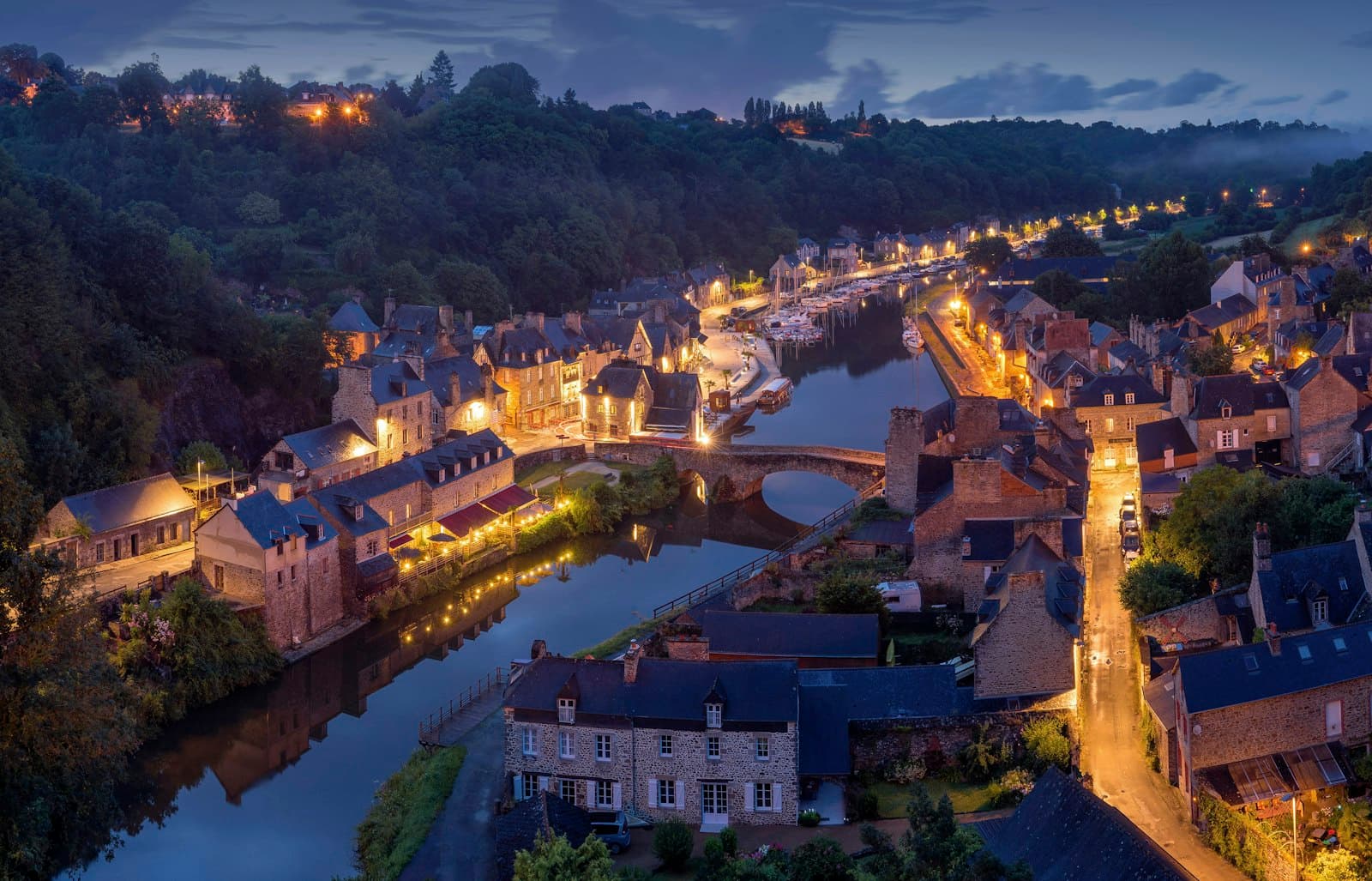


Je zelfgeleide audiotour van Autun is klaar — kies je bezienswaardigheden, kies je taal en start zodra je aankomt.
KopenLume heeft een ingebouwde augmented-reality-gids. Houd je telefoon omhoog: de camera toont de straat voor je, met een oplichtende pijl over het echte beeld die altijd naar je volgende stop wijst — geen kaart om uit te puzzelen, geen verkeerde afslagen. Zoals alles in Lume werkt het volledig offline.
Autun, een boeiende stad in het hart van Bourgondië, Frankrijk, biedt een opmerkelijke reis door meer dan 2.000 jaar geschiedenis. Ooit bekend als Augustodunum, werd het rond 15 voor Christus gesticht door keizer Augustus om te dienen als Romeinse hoofdstad voor het Gallische Aedui-volk, ter vervanging van hun vroegere centrum in Bibracte. Deze strategische beslissing leidde tot de bouw van een model Romeinse stad, compleet met baden, een forum, een basiliek en uitgebreide verdedigingswerken.
Vandaag de dag getuigt Autun van zijn dubbele Romeinse en Romaanse erfgoed, met enkele van de meest substantiële Romeinse overblijfselen ten noorden van de Provence. Naast zijn oude ruïnes biedt de stad een middeleeuws kwartier, gekenmerkt door smalle straatjes en de imposante Cathédrale Saint-Lazare, een meesterwerk van Romaanse architectuur. De mix van oude grandeur en middeleeuws karakter van Autun, tegen de achtergrond van het Regionale Natuurpark Morvan, biedt bezoekers een unieke en verrijkende ervaring.
De geschiedenis van Autun begint in de 1e eeuw na Christus met de stichting door keizer Augustus. Augustodunum, de "stad van Augustus", werd ontworpen als een grootse Romeinse nederzetting om de Romeinse dominantie over de Gallische bevolking te vestigen en als hoofdstad te dienen voor de Aedui, een Keltische stam die verbonden was met Rome. De Romeinen investeerden zwaar in de stad en voorzagen deze van indrukwekkende infrastructuur, waaronder een 6 kilometer lange verdedigingsmuur met 54 wachttorens, vier verdedigingspoorten, Romeinse baden, een forum en een basiliek. Augustodunum groeide al snel uit tot de op één na belangrijkste stad in Noord-Gallië na Lyon, een centrum van cultuur en leren.
Ondanks de aanvankelijke welvaart kende Autun perioden van onrust. In 356 na Christus benadrukte een belegering door Alemannische troepen de slechte staat van de muren, een situatie die werd verholpen door keizer Julianus. Door de eeuwen heen werd de stad herhaaldelijk geplunderd door Germaanse stammen, Saracenen en Noormannen. In de Middeleeuwen herwon Autun zijn belang als een belangrijke religieuze plaats binnen het hertogdom Bourgondië. In de 12e eeuw werd de magnifieke Cathédrale Saint-Lazare gebouwd om de relikwieën van Sint Lazarus te huisvesten, een figuur die in de middeleeuwen werd beschouwd als de broer van Maria Magdalena. Dit maakte Autun tot een belangrijke pelgrimsbestemming langs de route naar Santiago de Compostela.
De stad speelde ook een rol in de recentere geschiedenis. Tijdens de Frans-Pruisische Oorlog van 1870 vestigde Giuseppe Garibaldi, leider van het Leger van de Vogezen, zijn hoofdkwartier in Autun. De 19e eeuw markeerde ook het begin van de moderne olieschalie-industrie in de regio, en in 1852 werd het mineraal Autuniet naar de stad vernoemd. De strijd om Autun te bevrijden van de Duitse bezetting tijdens de Tweede Wereldoorlog was bijzonder hevig voor het Franse verzet. Vandaag de dag omarmt Autun, met zijn bevolking van ongeveer 13.000 inwoners, nog steeds zijn blijvende verleden en dient het als subprefectuur van het departement Saône-et-Loire.
Autun biedt een boeiende reeks historische bezienswaardigheden. Begin bij het Romeinse Theater, een van de grootste in de Romeinse wereld, met een diameter van 148 meter en plaats voor maximaal 20.000 toeschouwers. De zitrijen, ingebouwd in een natuurlijke helling, roepen nog steeds de grandeur van oude voorstellingen op. Verken het Romeinse erfgoed van de stad verder door de goed bewaarde Porte d'Arroux en Porte Saint-André te bezoeken, twee van de oorspronkelijke vier Romeinse stadspoorten. De Porte Saint-André behoudt in het bijzonder zijn imposante structuur met vier doorgangen en een galerij van tien bogen. Mis het raadselachtige Temple of Janus niet, een Gallo-Romeinse tempel waarvan nog twee van de vier muren overeind staan op een hoogte van 24 meter.
In het middeleeuwse kwartier is de Cathédrale Saint-Lazare een centraal punt. Dit 12e-eeuwse Romaanse meesterwerk staat bekend om zijn architectonische beeldhouwwerk, met name het indrukwekkende timpaan van het Laatste Oordeel boven het westelijke portaal, toegeschreven aan de beeldhouwer Gislebertus. Observeer binnen de ingewikkeld gesneden kapitelen die Bijbelse scènes uitbeelden, zoals de Drie Wijzen en de Zelfmoord van Judas. Het nabijgelegen Musée Rolin, gevestigd in het 15e-eeuwse geboortehuis van Nicolas Rolin, toont kunst en artefacten uit de Middeleeuwen en de Renaissance, waaronder Gislebertus' 'Verleiding van Eva'.
Autun is het hele jaar door een aangename bestemming, omdat het doorgaans niet druk is. Voor comfortabel weer, ideaal om de Romeinse ruïnes en middeleeuwse straten te verkennen, kunt u een bezoek brengen in de lente (april, mei, begin juni) of de herfst (september, oktober). Gedurende deze maanden zijn de temperaturen over het algemeen mild, variërend van 20°C tot 27°C. Juli en augustus kunnen behoorlijk warm zijn, met gemiddelde dagelijkse maxima rond de 24°C tot 27°C, hoewel deze maanden ook het meeste zonlicht bieden. Het Romeinse theater organiseert begin augustus ook een historisch geluids- en lichtshow.
Autun ligt in centraal-oostelijk Frankrijk, in het departement Saône-et-Loire van de regio Bourgogne-Franche-Comté. Hoewel het enigszins buiten de belangrijkste noord-zuidroutes ligt, is het over de weg bereikbaar, met verschillende hoofdwegen die door de stad lopen. Als u met de trein reist, mik dan op het TGV-station Le Creusot-Montceau, aangezien Autun zelf geen TGV-station heeft. Vanaf Le Creusot-Montceau kunt u een taxi of een openbare bus nemen naar Autun. De stad heeft een lokaal openbaarvervoernetwerk genaamd Ça roule.
Het VVV-kantoor van Autun, gelegen in het centrum, kan kaarten en informatie verstrekken over rondleidingen, vooral tijdens het zomerseizoen (juli tot september). Het stadhuis is over het algemeen geopend van maandag tot en met vrijdag, van 8.30 tot 12.00 uur en van 13.30 tot 17.00 uur, met enkele uitzonderingen voor feestdagen en lokale kermissen.
Autun — Koreaans, Chinees, Hebreeuws en nog 29 talen, elke stop verteld door een moedertaalspreker. Het grootste taalaanbod van alle zelfgeleide audiotours.
Beschikbaar in: