Cripta della Cattedrale di Saint-Étienne
Nascosta nelle profondità della cattedrale gotica di Auxerre, una cappella conserva una singolare raffigurazione di un evento biblico.
La storia completa si sblocca nel tour
 Wikipedro / cc by-sa 4.0, via Wikimedia Commons
Tour audio autoguidato di Auxerre — percorso GPS a piedi, riproduzione offline, narrazione coinvolgente in 32 lingue.
“Dove antiche cripte sussurrano segreti e il cuore della Borgogna batte al ritmo della grazia medievale.”
Non le cartoline. Le storie che nemmeno i locali conoscono — sussurrate nel tuo orecchio, proprio dove sono accadute.
Nascosta nelle profondità della cattedrale gotica di Auxerre, una cappella conserva una singolare raffigurazione di un evento biblico.
Questo orologio del XV secolo non solo segna le ore, ma traccia anche una progressione celeste.
L'origine di una amata canzone popolare francese può essere ricondotta a un'abitazione piuttosto bizzarra.
Scopri ogni segreto di Auxerre
Ogni indirizzo, ogni rivelazione completa — nel tuo orecchio, proprio dove è accaduta.
Scegli le tue tappe. Cammini. La voce rivela ciò che gli altri perdono.
Il tuo tour audio autoguidato di Auxerre è pronto — scegli i tuoi punti di interesse, seleziona la tua lingua e inizia nel momento in cui arrivi.
AcquistaLume include una guida in realtà aumentata. Alza il telefono: la fotocamera mostra la strada davanti a te, con una freccia luminosa sovrapposta all'immagine reale che punta sempre verso la tua prossima tappa — nessuna mappa da decifrare, nessuna svolta sbagliata. Come tutto in Lume, funziona completamente offline.
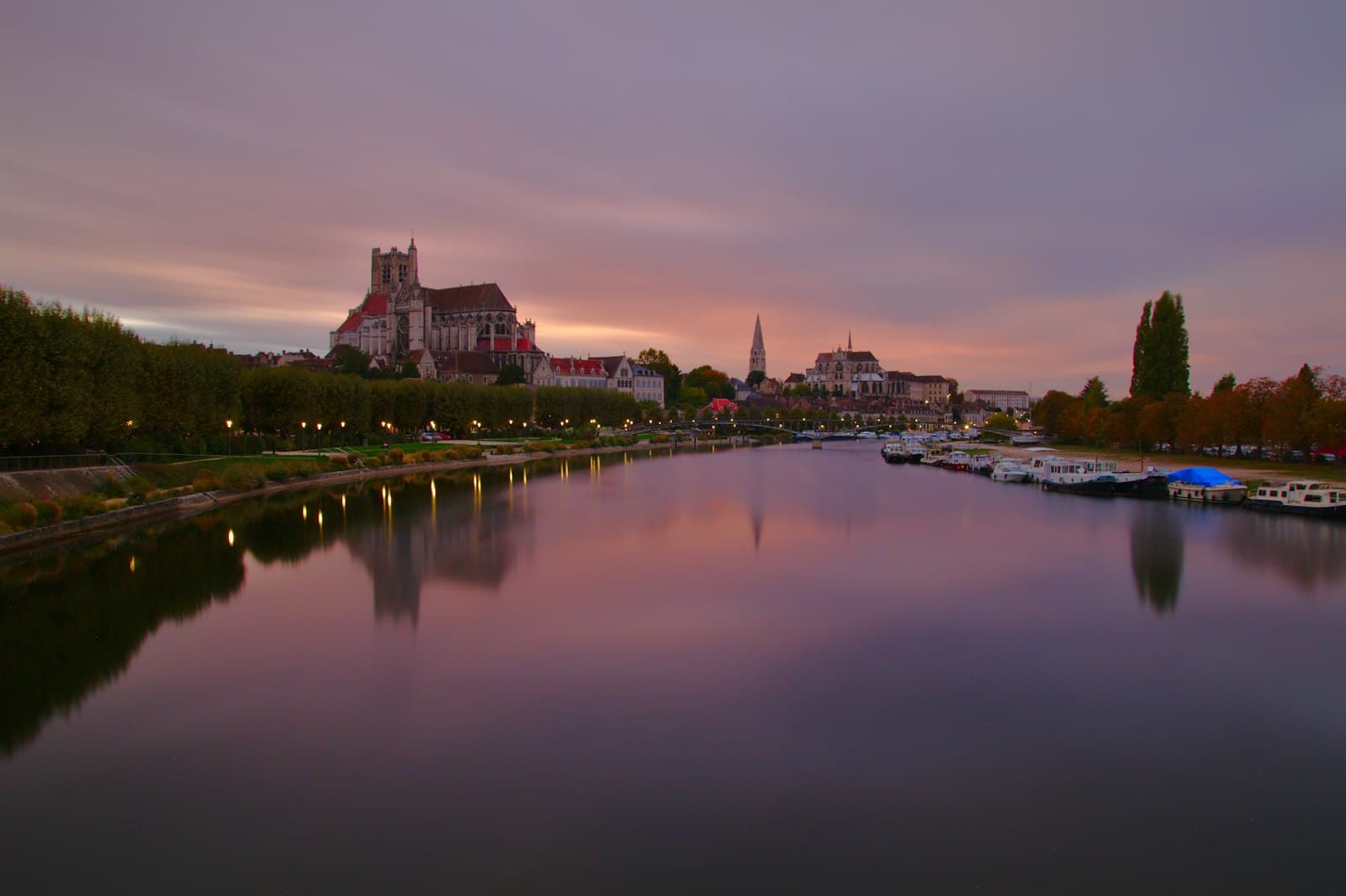
Auxerre, il centro amministrativo del dipartimento dello Yonne nella regione della Borgogna-Franca Contea, è una città dove il passaggio dei secoli è inciso in ogni pietra. Situata lungo il fiume Yonne, a circa 150 chilometri a sud-est di Parigi, questa ex capitale provinciale invita a un viaggio nel tempo con il suo centro storico preservato, l'architettura medievale e significative strutture religiose.
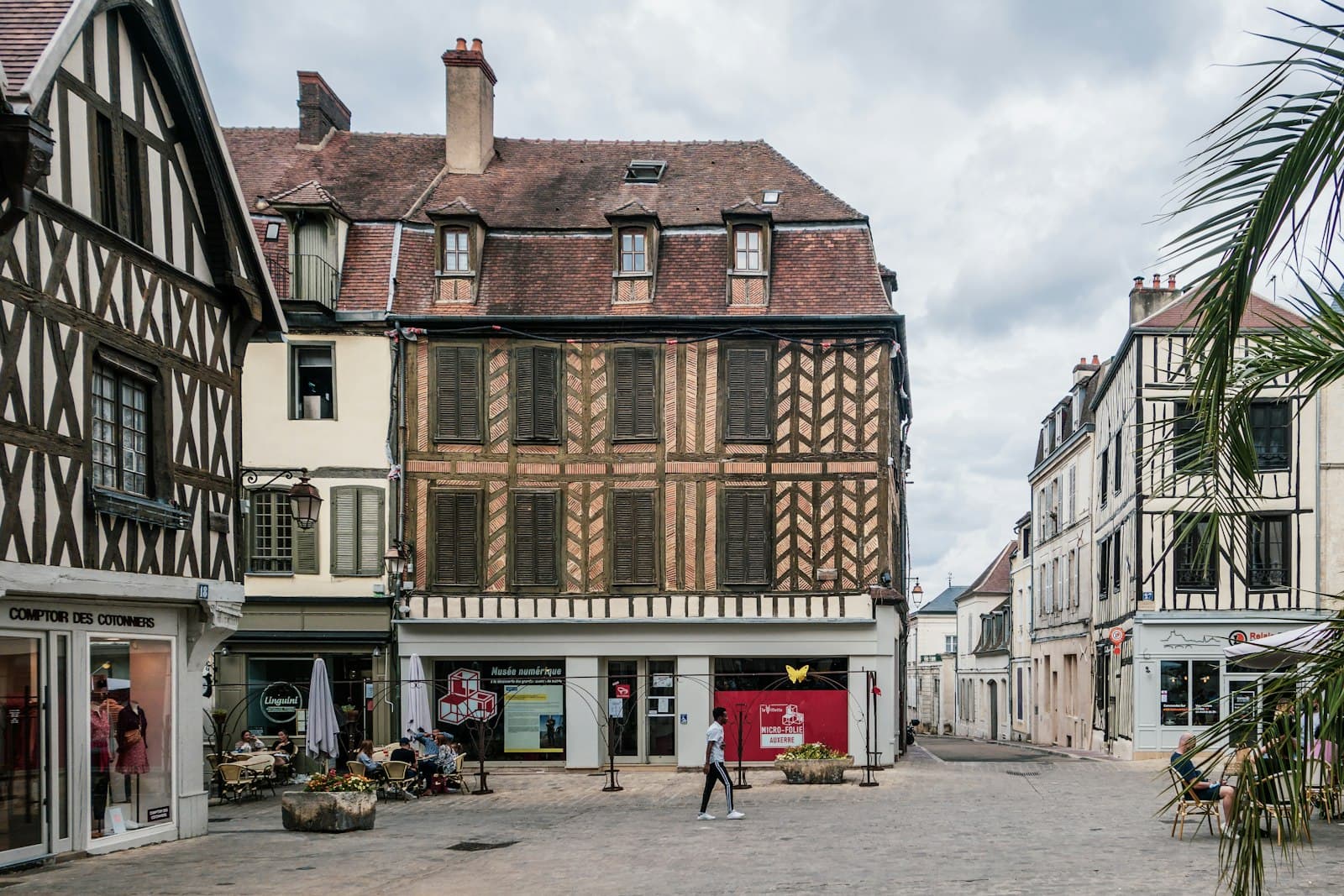
Designata 'Città d'Arte e di Storia' dal 1995, Auxerre intreccia il suo profondo passato con il suo attuale ruolo di polo commerciale e industriale. La posizione strategica della città sulla Via Agrippa, un'importante strada romana, e il suo collegamento con il Canal de Nivernais e il fiume Yonne, l'hanno storicamente affermata come un centro vitale per il commercio, in particolare per i vini della Borgogna come lo Chablis. I viaggiatori possono passeggiare per le sue stradine lastricate, ammirare gli edifici a graticcio e assorbire un'autentica atmosfera francese, libera dalla folla delle grandi destinazioni turistiche.
Le origini di Auxerre risalgono all'antichità come insediamento gallo-romano, allora conosciuto come Autessiodurum. La sua crescita fu favorita dalla sua posizione sulla Via Agrippa, un'importante arteria romana che collegava Lione con il Canale della Manica, garantendo un flusso costante di viaggiatori e mercanti. Entro il III secolo, Auxerre divenne una sede vescovile e capitale provinciale dell'Impero Romano, consolidando la sua posizione politica e religiosa.
La città continuò a prosperare e, entro il V secolo, possedeva la sua cattedrale, Saint-Étienne. La prima età d'oro di Auxerre è spesso associata al vescovo Germain (San Germano), che prestò servizio nel V secolo e i cui sforzi posero le basi per l'influenza religiosa della città. Dopo la sua morte, fu fondata la rinomata Abbazia di Saint-Germain, che si evolse in un importante centro intellettuale e culturale durante l'era carolingia nel IX secolo, attirando studiosi e pellegrini.
Durante il Medioevo, Auxerre fu circondata da fortificazioni, favorendo una comunità unita. La città prosperò e mantenne l'autonomia sotto i Duchi di Borgogna fino a quando non divenne parte della Francia sotto Re Luigi XI nel XV secolo. Tuttavia, Auxerre subì difficoltà durante le guerre del XIV secolo con l'Inghilterra e le Guerre di Religione del XVI secolo, quando gli ugonotti protestanti occuparono la città nel 1567 e danneggiarono alcune delle sue architetture cattoliche. La città conobbe una rinascita alla fine del XVIII secolo con la costruzione del Canal de Nivernais, che rinvigorì la sua industria.
Recenti scavi archeologici continuano a illuminare il profondo passato di Auxerre. Nel giugno 2024, è stato scoperto un cimitero romano contenente oltre 250 sepolture di neonati e nati morti dal I al III secolo in Place du Maréchal Leclerc. Quest'area, a sud-ovest dell'ex fortificazione romana, ha restituito anche prove di una necropoli precedente. Inoltre, nel giugno 2025, un vasto complesso di ville romane esteso su oltre 4.000 metri quadrati è stato portato alla luce a Sainte-Nitasse, appena a sud di Auxerre, offrendo spunti sulla vita dell'élite romana in Gallia con i suoi bagni termali e arredi lussuosi.
L'eredità duratura di Auxerre è anche intrecciata con la sua produzione vinicola. Reperti archeologici, come un bassorilievo del II secolo raffigurante un grappolo d'uva vicino ad Auxerre, confermano l'antica viticoltura della regione, posizionando i vigneti di Auxerre tra i più antichi della Borgogna. Per secoli, i vini di Auxerre hanno viaggiato via acqua fino a Parigi e oltre, adornando persino l'incoronazione di Carlo VI nel 1321.
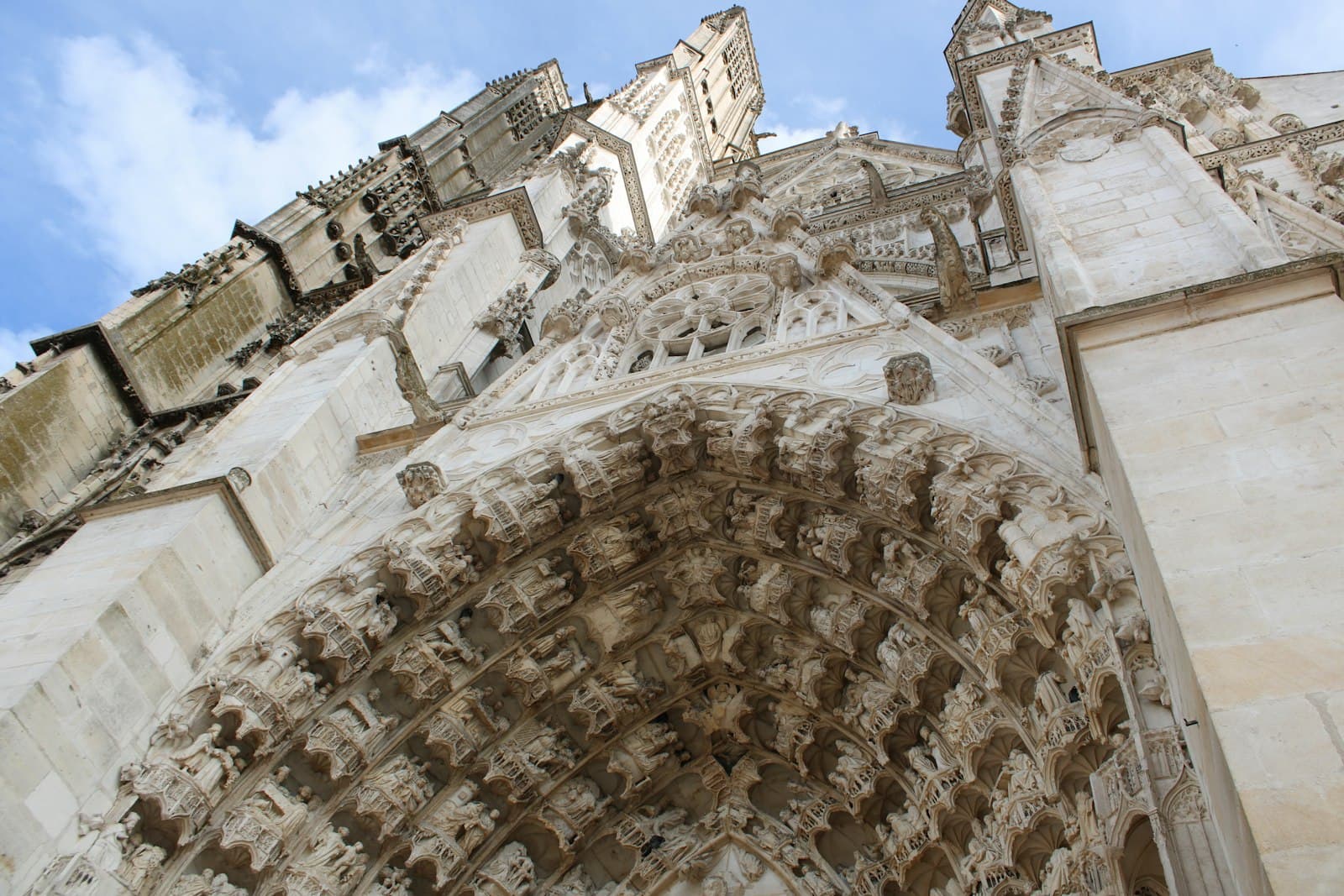
Iniziate la vostra esplorazione nel centro storico di Auxerre, dove l'architettura medievale e gli edifici a graticcio fiancheggiano le stradine lastricate. Lo skyline della città è definito dalle sue tre principali strutture ecclesiastiche. La Cattedrale di Saint-Étienne, un capolavoro gotico costruito tra il XII e il XVI secolo, presenta notevoli vetrate dal XIII, XIV, XV e XVI secolo. Scendete nella sua cripta romanica dell'XI secolo per ammirare il raro murale di 'Cristo su un Cavallo Bianco'.
Visitate poi l'Abbazia di Saint-Germain, fondata nel V secolo. Questo storico complesso monastico custodisce alcuni dei più antichi murales della Francia, situati all'interno delle sue cripte carolingie del IX secolo, costruite attorno alla tomba di San Germano. L'abbazia ospita anche un Museo d'Arte e Storia. Non trascurate la Torre dell'Orologio di Auxerre, una meraviglia del XV secolo che mostra sia l'ora solare che le fasi lunari. Passeggiate lungo i moli recentemente rinnovati del fiume Yonne per ammirare scorci panoramici dei monumenti della città. Potete anche esplorare la casa di Cadet Rousselle, l'eccentrico balivo immortalato in una canzone popolare francese. Per gli amanti del vino, Auxerre serve come porta d'accesso alla regione vinicola della Borgogna, con opportunità di degustare Chablis locali e altri vini regionali.
Il periodo più piacevole per visitare Auxerre va da metà maggio a metà settembre, quando il clima è più caldo e soleggiato, ideale per le attività all'aperto. Luglio e agosto sono particolarmente gradevoli, con temperature medie intorno ai 19-21°C e meno giorni di pioggia. Anche la primavera e l'inizio dell'autunno presentano un clima favorevole, con i vigneti al loro massimo splendore e festival culturali che animano la città. Sebbene l'estate sia la stagione più affollata, Auxerre vede meno visitatori rispetto ad altre destinazioni francesi, offrendo un'esperienza più autentica.
Auxerre si trova a circa 150 chilometri a sud-est di Parigi e 120 chilometri a nord-ovest di Digione. La città è ben collegata dall'autostrada A6 (Parigi-Lione) e offre collegamenti ferroviari per Digione, Parigi, Corbigny e Avallon dalla stazione di Auxerre-Saint-Gervais. Il centro città è facilmente percorribile a piedi, permettendo ai visitatori di esplorare i suoi monumenti e le sue affascinanti strade. Considerate un'escursione in barca o chiatta lungo il fiume Yonne e il Canal du Nivernais per una vista distintiva della città. Auxerre è celebrata per la sua gastronomia locale, tra cui il vino Chablis e le gougères (biscotti al formaggio). La città gode di un clima temperato e mite, rendendola confortevole da visitare quasi in qualsiasi periodo dell'anno. Tuttavia, preparatevi a serate più fresche, anche in estate.
Auxerre — coreano, cinese, ebraico e altre 29 lingue, ogni tappa narrata da una voce madrelingua. La più ampia scelta di lingue tra i tour audio autoguidati.
Disponibile in: