Canal de los Piratas
Este canal, ahora un lugar tranquilo para nadar y flotar, antaño resonaba con los gritos de los bucaneros.
La historia completa se desbloquea en el tour
 AdriLov / CC BY-SA 4.0, via Wikimedia Commons
Tour de audio autoguiado de Bacalar — ruta GPS a pie, reproducción offline, narración en 32 idiomas.
“Donde el agua susurra en siete tonos de azul.”
No las postales. Las historias que ni los locales conocen — al oído, justo donde ocurrieron.
Este canal, ahora un lugar tranquilo para nadar y flotar, antaño resonaba con los gritos de los bucaneros.
El 'Lago de los Siete Colores' no es solo un nombre poético; sus hipnotizantes tonalidades son un testimonio viviente de las formas de vida más antiguas de la Tierra.
Este imponente fuerte, construido para disuadir a los invasores, una vez enfrentó un ataque particularmente audaz que fue más allá del mero saqueo.
Descubre todos los secretos de Bacalar
Cada dirección, cada revelación al completo — a tu oído, justo donde ocurrió.
Eliges tus paradas. Caminas. La voz te revela lo que los demás ignoran.


Tu tour de audioguía por Bacalar te espera — elige tus lugares, tu idioma y empieza al llegar.
ComprarLume incluye una guía de realidad aumentada. Levanta el móvil y su cámara muestra la calle que tienes delante, con una flecha luminosa sobre la imagen real que siempre apunta a tu próxima parada — sin mapas que descifrar, sin giros equivocados. Como todo en Lume, funciona completamente sin conexión.
Bacalar, un Pueblo Mágico en el sur de la Península de Yucatán en México, ofrece una refrescante alternativa a la bulliciosa costa caribeña. Su pieza central, la Laguna de Bacalar, es conocida como el 'Lago de los Siete Colores' por su sorprendente gradiente de azules y turquesas. Esta laguna de agua dulce, alimentada por cenotes subterráneos, presenta un ambiente tranquilo y claro ideal para nadar, hacer kayak y paddleboard. A diferencia de los destinos de playa típicos, Bacalar ofrece un escape sereno con un enfoque en la naturaleza y un ritmo de vida más lento.
El pueblo de Bacalar en sí mantiene un encanto auténtico, con una plaza central, calles sin pavimentar y una atmósfera relajada donde el inglés se habla menos comúnmente. Es un destino donde los visitantes pueden sumergirse verdaderamente en la cultura mexicana, disfrutar de la gastronomía local y conectar con el paisaje natural sin multitudes de personas ni complejos turísticos de gran altura. La dedicación de Bacalar a preservar su delicado ecosistema es evidente, con iniciativas como días de descanso designados para la laguna y recomendaciones de productos biodegradables.
El área ahora conocida como Bacalar tiene una historia fascinante y a menudo turbulenta, que se remonta a sus orígenes como un importante asentamiento maya. El nombre maya original, b'ak halal, se traduce como 'rodeado de juncos', reflejando su paisaje natural. Sirvió como un vital asentamiento pesquero y puerto comercial para la dinastía Itzá, que controlaba las rutas comerciales de canoas que circulaban sal, jade y otras piedras preciosas por la Península de Yucatán.
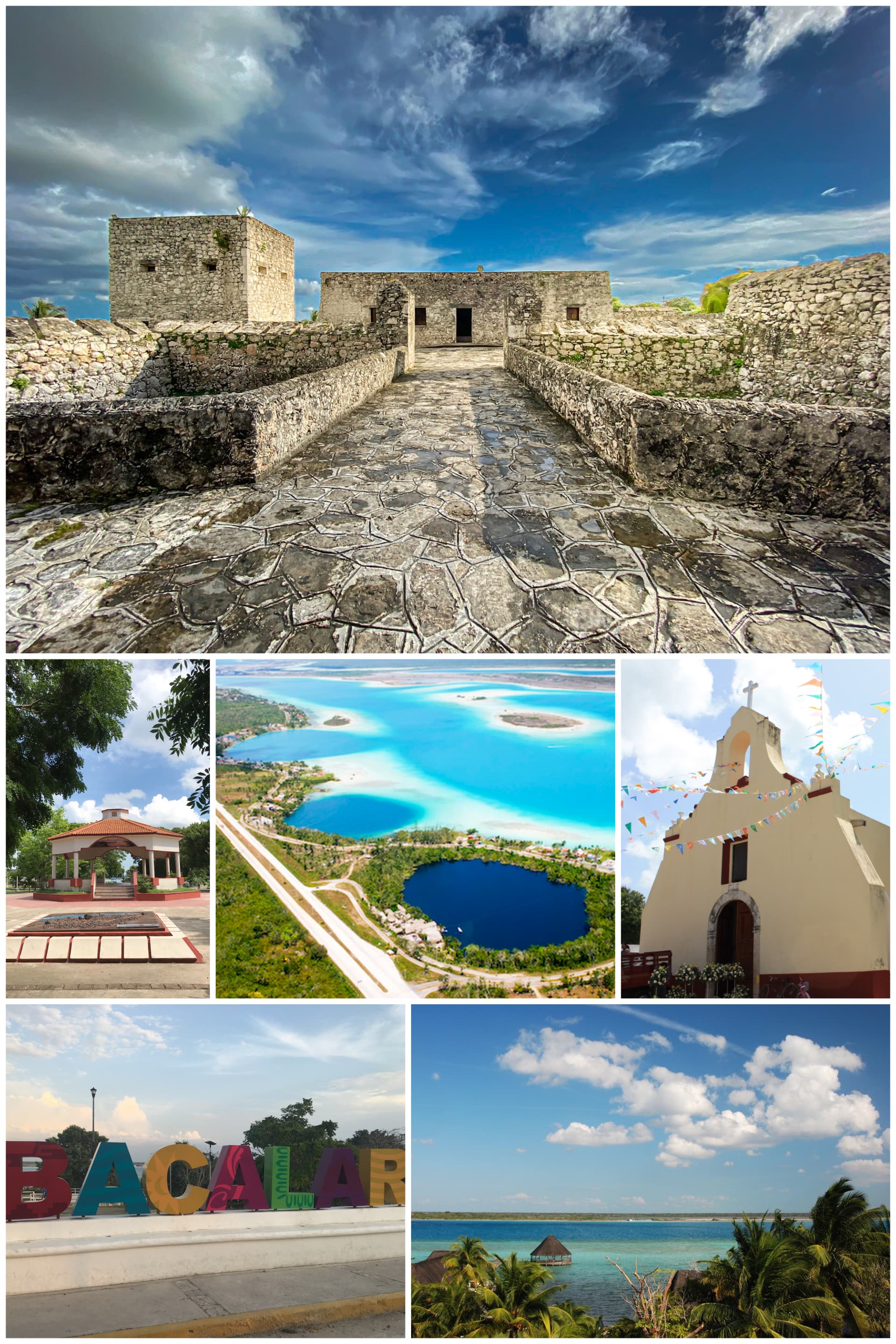
En 1543, los conquistadores españoles llegaron, capturando la ciudad y estableciendo un asentamiento colonial en 1545, al que llamaron San Felipe de Bacalar. Sin embargo, la ubicación estratégica de Bacalar, que conecta la laguna con el Mar Caribe a través del Canal de los Piratas, la convirtió en un objetivo principal para piratas y bucaneros durante los siglos XVII y XVIII. Estas incursiones, a menudo por bandidos ingleses, holandeses y franceses, fueron impulsadas por el deseo de controlar el lucrativo comercio de palo de tinte y caoba. Para defenderse de estos implacables ataques, el formidable Fuerte de San Felipe fue construido en 1729. Esta fortaleza en forma de estrella, completada en 1733, contaba con un foso profundo y estacas afiladas, lo que la convertía en una defensa formidable.
El fuerte desempeñó un papel crucial nuevamente durante la Guerra de Castas de Yucatán a mediados del siglo XIX, sirviendo como un puesto de avanzada español contra los rebeldes mayas. Las fuerzas mayas finalmente tomaron el fuerte en 1859, manteniéndolo hasta que las tropas mexicanas reconquistaron Quintana Roo en 1901. En 2006, Bacalar fue reconocido por su belleza natural y patrimonio cultural, obteniendo la designación de Pueblo Mágico por México.
La principal atracción en Bacalar es, sin duda, la Laguna de Bacalar, a menudo explorada a través de tours en barco que muestran sus distintos tonos de azul. Estos tours suelen visitar tres cenotes: Cenote Esmeralda, Cenote Cocalitos y Cenote Negro (también conocido como Cenote de la Bruja), cada uno ofreciendo experiencias de natación únicas. Un punto culminante de cualquier excursión por la laguna es el Canal de los Piratas, un canal histórico donde los visitantes pueden nadar en aguas poco profundas y claras e incluso aplicarse barro rico en azufre para la exfoliación de la piel.
Más allá de la laguna, el Fuerte de San Felipe se erige como un testimonio del pasado de Bacalar, ofreciendo vistas panorámicas de la laguna y albergando un museo con artefactos que detallan su historia pirata. Para una perspectiva diferente de la laguna, considere un tour de stand-up paddleboarding (SUP) o kayak al amanecer, cuando las aguas están más tranquilas y los colores más vivos. Los Rápidos, un canal natural con una corriente suave y estromatolitos antiguos, ofrece una oportunidad única para flotar río abajo entre estos fósiles vivientes. Aunque Bacalar en sí no tiene ruinas mayas, sitios cercanos como Kohunlich y Dzibanché ofrecen un vistazo a la antigua civilización maya.
La mejor época para visitar Bacalar es durante la estación seca, que va de diciembre a abril. Durante estos meses, puede esperar temperaturas agradables, lluvias mínimas y cielos despejados, ideales para disfrutar de los vibrantes colores de la laguna y las actividades acuáticas. Aunque es un período popular, Bacalar generalmente evita las multitudes extremas de otros puntos turísticos de Yucatán. La temporada de lluvias suele ocurrir de mayo a noviembre, siendo septiembre y octubre los meses más húmedos, y también coincidiendo con la temporada de huracanes. Sin embargo, incluso durante la temporada de lluvias, las lluvias suelen ser breves, dejando mucho sol.
Bacalar es un pueblo compacto y transitable a pie, con muchos alojamientos que ofrecen alquiler de bicicletas para una fácil exploración. Los taxis también están disponibles y son asequibles para moverse por el pueblo o a atracciones un poco más distantes como Los Rápidos. La moneda oficial es el peso mexicano (MXN), y aunque muchos restaurantes aceptan tarjetas de crédito, tener efectivo es útil para vendedores ambulantes y tiendas más pequeñas. Hay cajeros automáticos disponibles en el centro del pueblo, aunque es aconsejable llevar suficiente efectivo para su viaje, ya que a veces pueden ser poco confiables.
Para proteger el delicado ecosistema de la laguna y sus antiguos estromatolitos, es crucial usar solo protector solar biodegradable o evitarlo por completo al nadar. Los miércoles están designados como día de descanso para la laguna, lo que significa que los tours en barco y la mayoría de las actividades acuáticas no están permitidos, así que planifique sus excursiones en consecuencia. El agua del grifo en Bacalar no es segura para beber, así que traiga una botella de agua recargable con filtro o compre agua embotellada.
Bacalar en coreano, en chino o en hebreo — y 29 idiomas más, cada parada narrada por una voz nativa. La mayor variedad de idiomas de cualquier audioguía autoguiada.
Disponible en: