Kaiservilla
Kaiser Franz Joseph I., der 83 seiner 86 Sommer in Bad Ischl verbrachte, pflegte eine besondere Beziehung zu seiner Geliebten, die jahrelang ein gut gehütetes Geheimnis blieb.
Die ganze Geschichte wird in der Tour freigeschaltet
 David McGregor / CC BY-SA 2.0, via Wikimedia Commons
Selbstgeführte Audio-Walking-Tour durch Bad Ischl — GPS-Route, Offline-Wiedergabe, erzählerische Narration in 32 Sprachen.
“Wo imperiale Eleganz auf alpine Gelassenheit trifft und sich die Geschichte aus jeder sonnenverwöhnten Fassade entfaltet.”
Nicht die Postkarten. Die Geschichten, die selbst Einheimische nicht kennen – dir ins Ohr geflüstert, genau dort, wo sie geschahen.
Kaiser Franz Joseph I., der 83 seiner 86 Sommer in Bad Ischl verbrachte, pflegte eine besondere Beziehung zu seiner Geliebten, die jahrelang ein gut gehütetes Geheimnis blieb.
Diese berühmte Konditorei, ein ehemaliger Hoflieferant, bietet eine charakteristische Süßspeise mit einer überraschenden Entstehungsgeschichte.
Bevor es in ein Museum umgewandelt wurde, diente dieses Gebäude als Schauplatz einer entscheidenden und eher unerwarteten kaiserlichen Verlobung.
Entdecke jedes Geheimnis von Bad Ischl
Jede Adresse, jede Enthüllung vollständig – in deinem Ohr, genau dort, wo es geschah.
Du wählst deine Stationen. Du gehst. Die Stimme enthüllt, was andere übersehen.
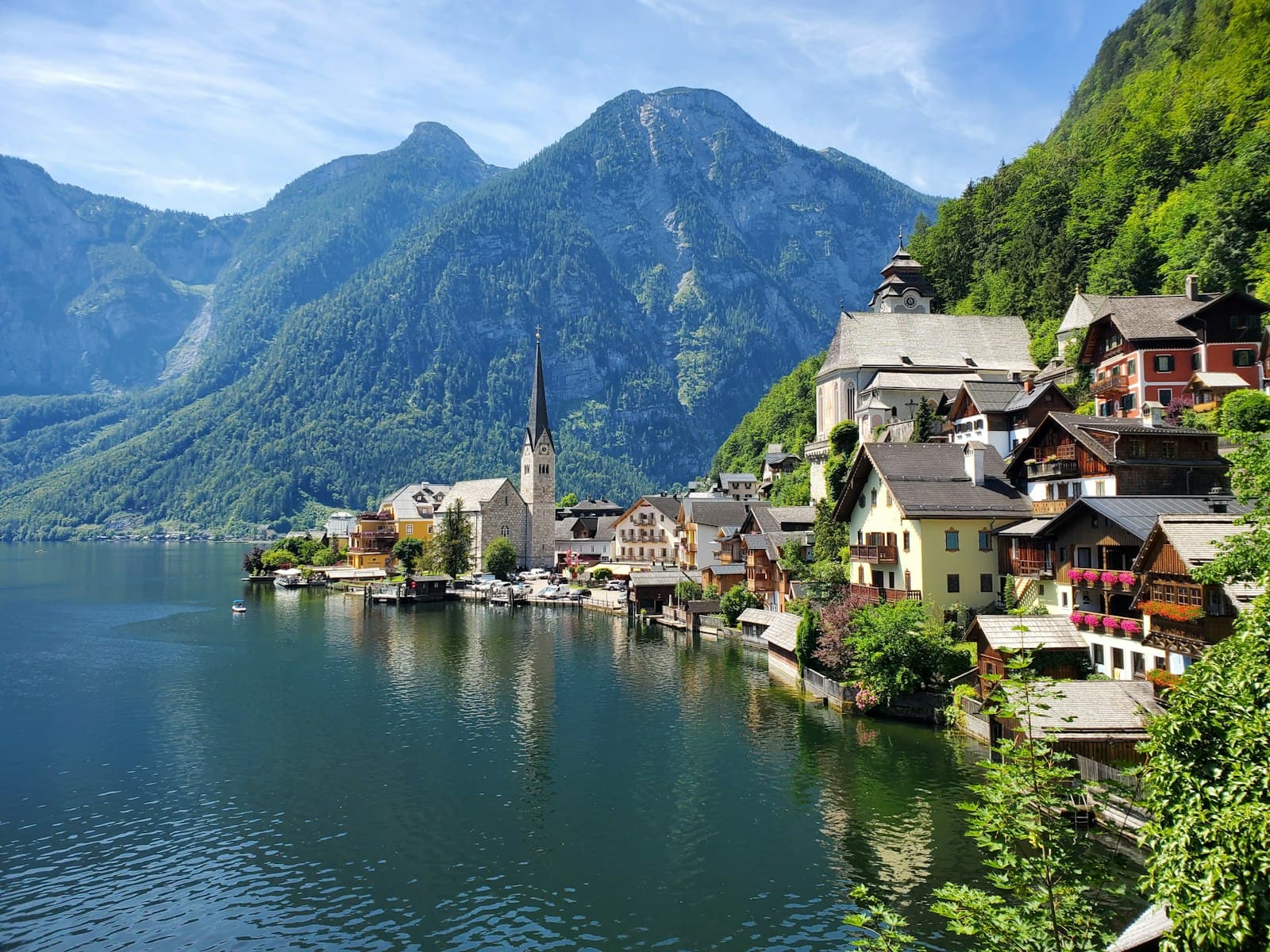
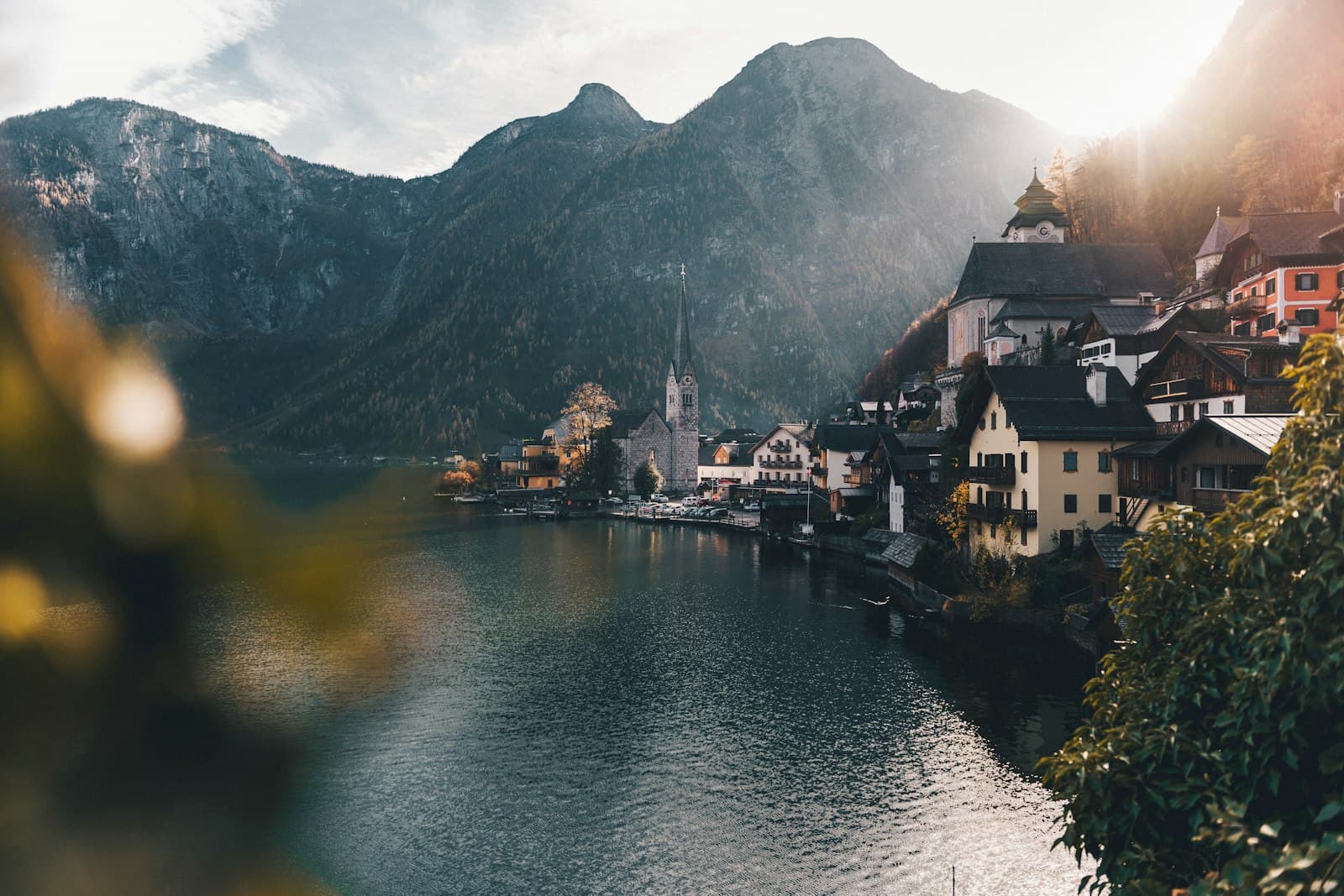
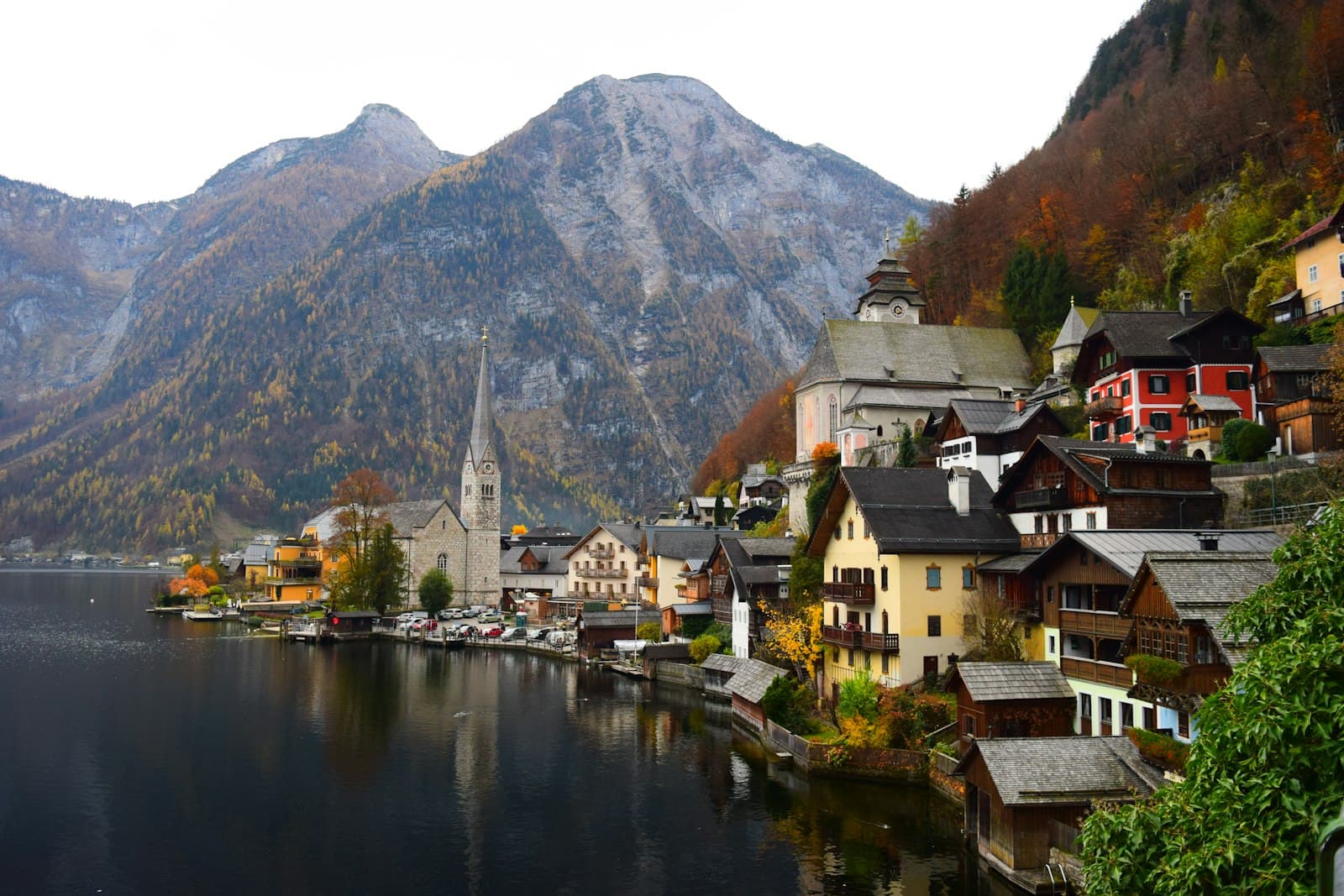
Deine selbstgeführte Audio-Tour durch Bad Ischl ist bereit – wähle deine Sehenswürdigkeiten, deine Sprache und starte, sobald du ankommst.
KaufenLume enthält einen integrierten Augmented-Reality-Guide. Halten Sie Ihr Handy hoch: Die Kamera zeigt die Straße vor Ihnen, mit einem leuchtenden Pfeil über dem echten Bild, der immer auf Ihren nächsten Stopp zeigt — keine Karte zum Rätseln, keine falschen Abzweigungen. Wie alles bei Lume funktioniert es komplett offline.
Bad Ischl, ein Kurort in der österreichischen Region Salzkammergut, ist ein Ort, an dem kaiserliche Pracht mit der Stille der Alpen verschmilzt. An der Mündung der Traun und der Ischl gelegen, stieg die Stadt im 19. Jahrhundert zur Bedeutung auf als die geschätzte Sommerresidenz von Kaiser Franz Joseph I. und Kaiserin Elisabeth, auch bekannt als Sisi. Die Architektur der Stadt, eine anmutige Mischung aus historischen Gebäuden, Biedermeier- und Jugendstil, spiegelt ihre distinguierte Vergangenheit als Treffpunkt der europäischen High Society, Künstler und Musiker wider.
Neben seinen kaiserlichen Verbindungen ist Bad Ischl für seine therapeutischen Salzwasserquellen bekannt, die es im frühen 19. Jahrhundert in ein modisches Heilbad verwandelten. Heute dient es als Tor zu den malerischen Seen und Bergen des Salzkammerguts und bietet eine Mischung aus kulturellen Erlebnissen, Outdoor-Aktivitäten und Möglichkeiten zur Erholung. Im Jahr 2024 wurde Bad Ischl zusammen mit 22 anderen Städten der Region zur Kulturhauptstadt Europas ernannt, als erstes ländliches alpines Reiseziel, das diese Ehre erhielt, was seine lebendige Kulturlandschaft unterstreicht.
Die Geschichte Bad Ischls reicht bis in prähistorische Zeiten zurück, mit Spuren menschlicher Besiedlung seit der Hallstattkultur. Die früheste dokumentierte Erwähnung der Region, als 'Iselen', stammt aus einer Urkunde von 1262. Die wirtschaftliche Bedeutung der Region wurzelte hauptsächlich in ihrem 'weißen Gold' – dem Salz. Der Salzabbau im Salzkammergut begann vor über 7.000 Jahren, wobei Bad Ischl als wichtiger Transportpunkt diente. Die direkte Beteiligung der Habsburger-Dynastie an der Region begann 1282, als König Rudolf I. seinen Sohn Albrecht, Herzog von Österreich und Steiermark, ernannte. Albrecht interessierte sich persönlich für die Salzindustrie und ließ 1284 sogar den Rudolfsturm zu seinem Schutz errichten.
Die Verwandlung Bad Ischls in eine Kurstadt begann im frühen 19. Jahrhundert. Die therapeutischen Qualitäten seiner Mineralwasserquellen wurden erkannt, was 1823 zur Errichtung der ersten Solebäder durch Dr. Josef Götz führte. Ein entscheidender Moment ereignete sich, als Erzherzogin Sophie, die Schwierigkeiten bei der Empfängnis hatte, mit den Solbehandlungen Erfolg hatte, was zur Geburt des späteren Kaisers Franz Joseph I. führte. Dieses Ereignis festigte Bad Ischls Ruf, und es wurde schnell zu einem modischen Kurort, der die europäische High Society anzog.
Von 1849 bis 1914 diente Bad Ischl als Sommerresidenz von Kaiser Franz Joseph I., der dort 83 seiner 86 Sommer verbrachte. Die Kaiservilla, ein Hochzeitsgeschenk an Franz Joseph und Kaiserin Elisabeth (Sisi), wurde zu ihrem geliebten Sommerrefugium. In dieser Zeit erlebte die Stadt einen sozialen und kulturellen Höhepunkt mit dem Bau von Hotels, Kaffeehäusern, Spielcasinos und Promenaden. Viele prominente Künstler und Komponisten, darunter Anton Bruckner, Johannes Brahms und Franz Lehár, besuchten Bad Ischl ebenfalls und hinterließen ihre Spuren im kulturellen Gefüge.
Bad Ischl spielte auch eine bedeutende, wenn auch düstere, Rolle in der Weltgeschichte. Am 28. Juli 1914 unterzeichnete Kaiser Franz Joseph I. in der Kaiservilla die Kriegserklärung Österreich-Ungarns an Serbien, was den Beginn des Ersten Weltkriegs markierte. Er verließ Bad Ischl am folgenden Tag und kehrte nie wieder zurück. Nach dem Zweiten Weltkrieg beherbergte Bad Ischl von 1945 bis 1952 ein Lager für Displaced Persons für Holocaust-Überlebende. Heute ehrt Bad Ischl weiterhin sein Erbe und nimmt seine Rolle als modernes Kulturzentrum an, was durch seine Ernennung zur Kulturhauptstadt Europas 2024 beispielhaft ist.
Bad Ischl bietet eine Mischung aus kaiserlicher Geschichte, natürlicher Schönheit und kulturellen Attraktionen. Ein Besuch der Kaiservilla, der ehemaligen Sommerresidenz von Kaiser Franz Joseph I. und Kaiserin Elisabeth, ist unerlässlich. Sie können die opulenten Räume besichtigen und den umliegenden Kaiserpark erkunden, der das Marmorschlössl umfasst, ein Marmor-Teehaus, das einst von Sisi genutzt wurde und heute ein Fotomuseum beherbergt.
Spazieren Sie entlang der Esplanade, einer schattigen Promenade, auf der einst kaiserliche Persönlichkeiten flanierten, und bewundern Sie die prächtigen Gebäude und Bergaussichten. Die Trinkhalle, ein elegantes Bauwerk aus dem Jahr 1829, zeugt von der Kurtradition der Stadt. Für einen Vorgeschmack auf lokale kulinarische Köstlichkeiten besuchen Sie die Konditorei Zauner, ein historisches Konditorei, das für seinen berühmten Zaunerstollen bekannt ist.
Für einen atemberaubenden Blick auf die Region Salzkammergut nehmen Sie die Katrin Seilbahn auf den Katrinberg. Die 15-minütige Fahrt führt fast 1.000 Meter über die Stadt und bietet weite Ausblicke auf sieben Seen und die umliegenden Berge. Weitere bemerkenswerte Sehenswürdigkeiten sind die Lehár Villa, die ehemalige Residenz des Komponisten Franz Lehár, heute ein Museum, und das historische Kongresshaus, das Operettenkonzerte und kulturelle Veranstaltungen beherbergt.
Die beste Reisezeit für Bad Ischl sind die Monate Mai, Juni, Juli, August und September, wenn die Temperaturen angenehm sind und zwischen 17°C (63°F) und 22°C (72°F) liegen. Obwohl der Juni der feuchteste Monat ist, bietet der Sommer längere, sonnigere Tage mit durchschnittlich 6,3 Sonnenstunden pro Tag im Juli. Juli und August sind wegen des Lehár Festivals besonders lebhaft, obwohl die Hotelpreise höher sein können. Mai und Anfang Juni bieten angenehmes Wetter mit blühenden Flieder und Potenzial für bessere Hotelangebote. September bietet milde Wanderbedingungen. Der Winter ist ruhiger, viele Cafés sind geschlossen, aber die verschneite Landschaft und die dampfenden Thermalbecken im Freien bieten einen einzigartigen, gedämpften Reiz.
Bad Ischl ist mit dem Auto, Bus oder Zug gut erreichbar. Von Salzburg aus erreichen Sie Bad Ischl über die Bundesstraße 158 in Richtung Osten oder mit dem Bus, mit stündlichen Abfahrten, die etwa 90 Minuten dauern. Züge verbinden Bad Ischl mit wichtigen Knotenpunkten wie Attnang-Puchheim und Stainach-Irdning und bieten Verbindungen nach Salzburg, Wien, Linz und Graz. Die nächstgelegenen Flughäfen sind Salzburg (ca. 1 Stunde Fahrt) und Linz (ca. 1,5 Stunden Fahrt).
Die lokale Währung ist der Euro (€). Geldwechselmöglichkeiten sind verfügbar, es ist jedoch ratsam, sich über die aktuellen Wechselkurse zu informieren und Geld an Flughäfen oder Hotels zu vermeiden, um bessere Kurse zu erzielen. Innerhalb Bad Ischls verkehrt ein lokaler Shuttle-Service, der Salzkammergut Shuttle, auf drei Routen und ergänzt den Stadtbus und den öffentlichen Nahverkehr, sodass Sie verschiedene Teile der Stadt und Wanderwege leicht erreichen können.
Das Tourismusbüro Bad Ischl in der Bahnhofstraße 6 bietet umfassende Informationen und ist Montag bis Freitag von 8 bis 18 Uhr, Samstag von 9 bis 15 Uhr und Sonntag von 9 bis 13 Uhr geöffnet.
Bad Ischl — Koreanisch, Chinesisch, Hebräisch und 29 weitere Sprachen, jede Station von einer muttersprachlichen Stimme erzählt. Die größte Sprachauswahl aller selbstgeführten Audiotouren.
Verfügbar auf: