Alcazaba de Badajoz
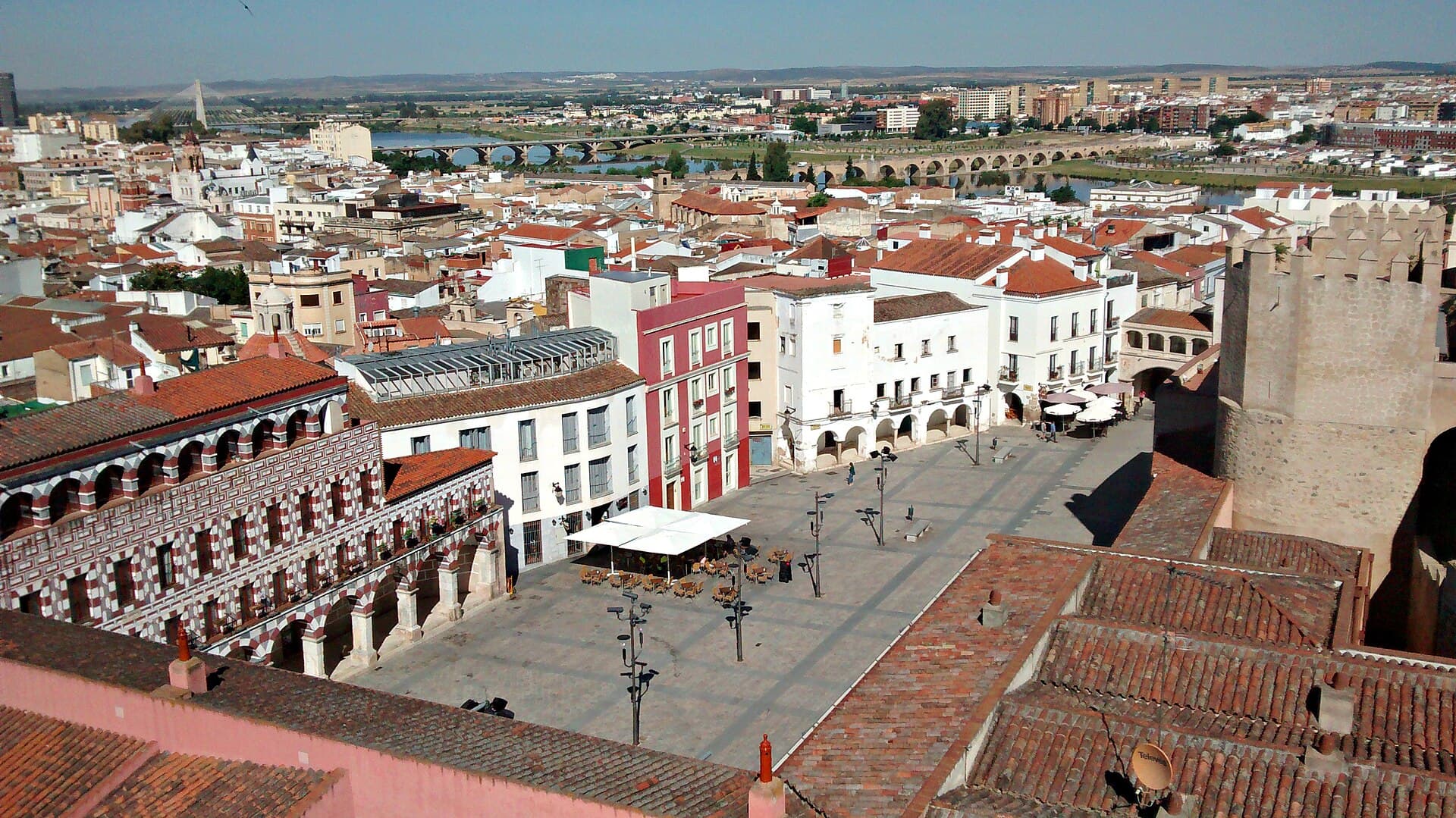
Die beeindruckende Alcazaba, Europas größte maurische Festung, trägt sichtbare Narben einer brutalen Belagerung aus dem 19. Jahrhundert.
Die ganze Geschichte wird in der Tour freigeschaltet
 Alonso de Mendoza / CC BY-SA 4.0, via Wikimedia Commons
Selbstgeführte Audio-Walking-Tour durch Badajoz — GPS-Route, Offline-Wiedergabe, erzählerische Narration in 32 Sprachen.
“Wo alte Mauern auf offene Plätze treffen und die Geschichte am Rande zweier Nationen atmet.”
Nicht die Postkarten. Die Geschichten, die selbst Einheimische nicht kennen – dir ins Ohr geflüstert, genau dort, wo sie geschahen.
Die beeindruckende Alcazaba, Europas größte maurische Festung, trägt sichtbare Narben einer brutalen Belagerung aus dem 19. Jahrhundert.
Dieses prächtige Stadttor aus dem 16. Jahrhundert, einst der Haupteingang von Badajoz, diente einem doppelten Zweck, der Sie überraschen könnte.
In einer Schlucht weit weg von der Stadt deutet eine rätselhafte Geschichte eines vermissten Mädchens und 'leuchtender Menschen' auf eine andere Art von Durchgang hin.
Entdecke jedes Geheimnis von Badajoz
Jede Adresse, jede Enthüllung vollständig – in deinem Ohr, genau dort, wo es geschah.
Du wählst deine Stationen. Du gehst. Die Stimme enthüllt, was andere übersehen.


Deine selbstgeführte Audio-Tour durch Badajoz ist bereit – wähle deine Sehenswürdigkeiten, deine Sprache und starte, sobald du ankommst.
KaufenLume enthält einen integrierten Augmented-Reality-Guide. Halten Sie Ihr Handy hoch: Die Kamera zeigt die Straße vor Ihnen, mit einem leuchtenden Pfeil über dem echten Bild, der immer auf Ihren nächsten Stopp zeigt — keine Karte zum Rätseln, keine falschen Abzweigungen. Wie alles bei Lume funktioniert es komplett offline.
Badajoz, die Hauptstadt seiner Provinz in Spaniens Extremadura-Region, liegt am linken Ufer des Flusses Guadiana, nur sechs Kilometer von der portugiesischen Grenze entfernt. Diese strategische Lage hat seine Identität geprägt und eine Stadt geformt, die von maurischen, spanischen und portugiesischen Einflüssen durchzogen ist. Von Reisenden, die zwischen Madrid und Lissabon unterwegs sind, oft übersehen, bietet Badajoz ein unverwechselbares Slow-Travel-Erlebnis, ein ruhiger Kontrast zu Spaniens größeren, belebteren Städten.
Von seinen Ursprüngen als maurische Festung im 9. Jahrhundert bis zu seiner Rolle als entscheidendes Grenzgebiet ist die Geschichte von Badajoz in seine beeindruckende Architektur und verwinkelten Straßen eingraviert. Es ist eine Stadt, die zur tiefen Erkundung einlädt, wo alte Mauern von Belagerungen und kulturellem Austausch erzählen und das moderne Leben auf lebhaften Plätzen pulsiert. Besucher können eine vielschichtige Vergangenheit entdecken, von der größten maurischen Festung Europas bis zu einer Kathedrale, die einer Verteidigungsanlage ähnelt.
Jenseits seiner historischen Wahrzeichen begeistert Badajoz mit seinem lokalen Charakter und seiner Gastronomie. Ein Spaziergang entlang des Flusses Guadiana, die Erkundung farbenfroher Plätze und die Verkostung regionaler Köstlichkeiten wie Ibérico-Schinken bieten ein authentisches und einladendes Erlebnis.
## Von der maurischen Gründung zur Grenzfestung Die Geschichte von Badajoz beginnt offiziell im Jahr 875 n. Chr., als der Muladi-Adlige Ibn Marwan die Stadt gründete. Aus Mérida vertrieben, errichtete er die Siedlung, damals bekannt als Baṭalyaws, auf dem Hügel La Muela und erklärte seine Unabhängigkeit vom Emirat Córdoba. Dieser Akt des Widerstands gab den Ton für eine Stadt an, die durchweg eine Schlüsselrolle in Grenzkriegen und kulturellen Umwälzungen spielen sollte.
Im 11. Jahrhundert, nach dem Fall des Kalifats von Córdoba, blühte Badajoz als Hauptstadt der Taifa von Badajoz, eines kleinen muslimischen Königreichs, auf. Diese Periode markierte eine kulturelle und wirtschaftliche Blütezeit, in der die Stadt zu einem Zentrum für Gelehrte, Dichter und Handwerker wurde. Das bleibendste Erbe dieser Ära ist die Alcazaba, eine beeindruckende Zitadelle, die bis heute eine der größten maurischen Festungen Europas ist.
Die christliche Reconquista brachte bedeutende Veränderungen mit sich, als Alfonso IX. von León Badajoz im Jahr 1230 eroberte. Die Stadt wurde dann zu einem königlichen Besitz und Sitz einer Diözese, und der Bau der Kathedrale von San Juan Bautista begann. Ihre strategische Lage nahe der portugiesischen Grenze bedeutete, dass Badajoz häufig umkämpft war. Im 17. und 18. Jahrhundert wurde Badajoz aufgrund der anhaltenden Konflikte mit Portugal in eine imposante Festung verwandelt, wobei seine Stadtplanung weitgehend von militärischen Notwendigkeiten bestimmt wurde. Die Wallanlage, ein sternförmiges Befestigungssystem, wurde in dieser Zeit erbaut.
Die strategische Bedeutung von Badajoz setzte sich in der modernen Geschichte fort. Während des Napoleonischen Krieges (1808–1814) war sie Schauplatz einer der blutigsten Schlachten gegen die Truppen Napoleons. Im Jahr 1812 belagerten und eroberten britische und portugiesische Truppen unter der Führung des Herzogs von Wellington die Stadt, ein Sieg, der mit schwindelerregenden 4.800 Opfern in nur wenigen Stunden erkauft wurde. Die Stadt erlebte auch ein düsteres Kapitel während des Spanischen Bürgerkriegs (1936–1939), als sie in die Hände der nationalistischen Truppen fiel, was zur Hinrichtung von schätzungsweise 4.000 Menschen im Stierkampfstadion der Stadt führte. Heute steht Badajoz als Zeugnis seiner turbulenten Vergangenheit da, seine alten Mauern und Denkmäler erzählen schweigend von Jahrhunderten des Konflikts und der Widerstandsfähigkeit.
Beginnen Sie Ihre Erkundung in der Alcazaba de Badajoz, Europas größter maurischer Festung. Ihre weitläufigen Mauern, die sich über einen Kilometer erstrecken, umschließen Gärten, Museen und den achteckigen Torre Espantaperros, der weite Ausblicke bietet. Innerhalb der Alcazaba zeigt das Archäologische Provinzmuseum, untergebracht im Palacio de los Duques de la Roca, Artefakte von der Altsteinzeit bis zum 16. Jahrhundert.
Steigen Sie hinunter zur Plaza Alta, einem beeindruckenden Platz, der für seine farbenfrohen Arkadenhäuser und seine Geschichte als mittelalterlicher Marktplatz bekannt ist. Daneben steht der Torre de Espantaperros (Angsthunde-Turm), ein Wachturm aus dem 12. Jahrhundert, der als Symbol für die Widerstandsfähigkeit der Stadt gilt. Weiter geht es zur Plaza de España, dem Hauptplatz, der von der Kathedrale von San Juan Bautista dominiert wird. Diese Kathedrale aus dem 13. Jahrhundert mit ihrem festungsartigen Aussehen beherbergt ein Museum für Renaissance-Kunst.
Spazieren Sie über die Puente de Palmas, eine historische Granitbrücke mit 30 halbkreisförmigen Bögen, die von zwei zinnenbewehrten Türmen bewacht wird und zur Puerta de Palmas führt, einem ikonischen Tor aus dem 16. Jahrhundert, das einst als Haupteingang der Stadt und Gefängnis diente. Verpassen Sie nicht La Giralda, ein einzigartiges Gebäude aus den 1930er Jahren an der Plaza de la Soledad, eine Nachbildung des Glockenturms der Kathedrale von Sevilla, geschmückt mit kunstvollen Metallarbeiten und Keramikfliesen. Für einen Moment der Ruhe erkunden Sie den Parque de Castelar entlang des Flusses Guadiana, der mit Palmen und Statuen gefüllt ist.
Die angenehmsten Zeiten für allgemeine Outdoor-Aktivitäten in Badajoz sind im Frühling (Ende April bis Mitte Juli) und im Herbst (Ende August bis Mitte Oktober), mit einem Höhepunkt Ende September. Die Temperaturen sind mild und eignen sich ideal zum Spazierengehen und Besichtigen. Die Sommer von Juni bis August können sehr heiß sein, mit Temperaturen von bis zu 35 °C, daher ist es am besten, diese Monate zu meiden, wenn Sie kühleres Wetter bevorzugen. Alternativ können Sie im Februar die lebhaften Karnevalsfeiern der Stadt erleben.
Badajoz ist eine sehr gut zu Fuß erkundbare Stadt, da die meisten Sehenswürdigkeiten im oder in der Nähe des historischen Zentrums liegen, wodurch öffentliche Verkehrsmittel für Besichtigungen weitgehend unnötig sind. Wenn Sie im Stadtzentrum wohnen, sind alle wichtigen Sehenswürdigkeiten in der Regel innerhalb von 20 Gehminuten erreichbar.
Der Flughafen Badajoz bietet begrenzte Direktverbindungen zu wichtigen spanischen Städten wie Madrid und Barcelona. Alternativ ist die Anreise über Madrid (MAD) oder Lissabon (LIS) und die Weiterreise mit dem Auto oder Zug eine gängige Option. Der Flughafen Sevilla (SVQ) ist ebenfalls eine bedeutende Alternative, etwa 187 km entfernt, mit einer Fahrzeit nach Badajoz von etwa 2 Stunden. Der Bahnhof von Badajoz liegt günstig 1,7 km vom Stadtzentrum entfernt, Taxis sind dort leicht verfügbar.
Zum Essen erkunden Sie die traditionellen Lokale rund um die Plaza de España und den lebhaften Paseo de San Francisco. Probieren Sie unbedingt die extremadurische Küche, darunter Ibérico-Schinken, migas extremeñas und sopa de antruejo.
Badajoz — Koreanisch, Chinesisch, Hebräisch und 29 weitere Sprachen, jede Station von einer muttersprachlichen Stimme erzählt. Die größte Sprachauswahl aller selbstgeführten Audiotouren.
Verfügbar auf: