Полуостров Монте-Бой
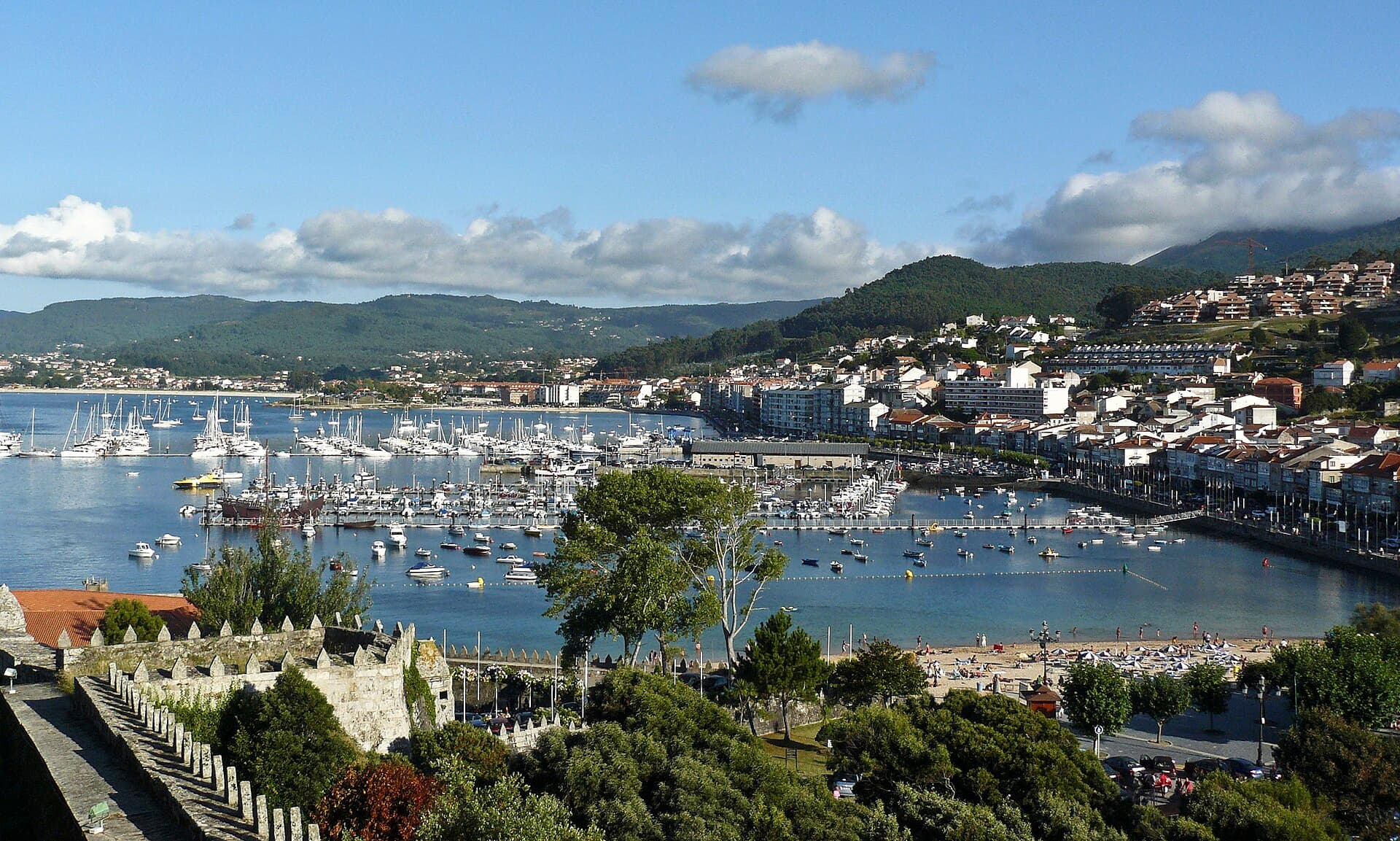
Мощный замок Монтерреаль наблюдает за Байона, но его древние стены хранят историю, выходящую за рамки средневековых осад.
Полная история открывается в туре
 User Alma / CC BY-SA 3.0, via Wikimedia Commons
Самостоятельная аудиопрогулка по Байона — GPS-маршрут, офлайн-воспроизведение, увлекательное повествование на 32 языках.
“Где Новый Свет впервые встретил Старый.”
Не открытки. Истории, которые не знают даже местные жители — шепотом в вашем ухе, прямо там, где они произошли.
Мощный замок Монтерреаль наблюдает за Байона, но его древние стены хранят историю, выходящую за рамки средневековых осад.
Монументальная статуя Девы Марии смотрит на Атлантику, но эта возвышающаяся фигура предлагает больше, чем просто эффектный силуэт.
Прогуливаясь по узким улочкам старого города, вы можете заметить особую предпочтительность в отношении местной торговли.
Откройте для себя каждый секрет Байона
Каждый адрес, каждое полное раскрытие — в вашем ухе, прямо там, где это произошло.
Вы выбираете остановки. Вы гуляете. Голос раскрывает то, что упускают другие.

Ваш самостоятельный аудиотур по Байона готов — выберите свои достопримечательности, выберите свой язык и начните в момент прибытия.
КупитьВ Lume встроен гид дополненной реальности. Поднимите телефон: камера показывает улицу перед вами, а поверх реального изображения светится стрелка, всегда указывающая на вашу следующую остановку — не нужно разбираться с картой и сворачивать не туда. Как и всё в Lume, это работает полностью офлайн.
Байона, живописный прибрежный город в Галисии, Испания, предлагает увлекательное сочетание истории, природной красоты и подлинного галисийского колорита. Расположенный в устье Риа-де-Виго, этот средневековый портовый город знаменит тем, что первым в Европе получил известие об открытии «Нового Света», когда каравелла La Pinta прибыла сюда 1 марта 1493 года. Его защищенная бухта, старинный замок и песчаные пляжи делают его популярным местом отдыха, особенно в летние месяцы, когда население города может значительно увеличиться.
Помимо своей исторической значимости, Байона служит остановкой для паломников на Португальском прибрежном пути Камино де Сантьяго, добавляя духовное измерение к его очарованию. Приверженность города качественному туризму проявляется в тщательно сохранившемся средневековом квартале, привлекательных набережных и доступе к замечательным островам Сиес. Независимо от того, привлекает ли вас его морское наследие, оживленные местные фестивали или просто спокойствие прибрежной среды, Байона подарит незабываемые впечатления от Галисии.
История Байона насчитывает тысячелетия, ее основание приписывается Диомеду Этолийскому в 140 г. до н.э. Изначально здесь поселились кельтские племена, чье присутствие позже было поглощено Римской империей, когда римляне двигались на запад в поисках золота. На протяжении веков Байона была свидетелем смены различных правителей и влияний, включая вестготов и арабов, прежде чем король Альфонсо IX Леонский даровал городу королевскую хартию в 1201 году. В 1370 году король Фердинанд I Португальский даже обосновался здесь на некоторое время.
Замок Монтерреаль XII века, стратегически расположенный на полуострове Монте-Бой, играл жизненно важную роль в наблюдении за морской деятельностью и защите порта. Его укрепления значительно расширились после знаменательного события 1493 года: прибытия каравеллы La Pinta. Этот момент закрепил за Байона место в истории как первого порта в Европе, получившего известие о путешествии Христофора Колумба в Новый Свет. Это знаменательное событие ежегодно отмечается фестивалем Festa da Arribada, посвященным средневековой тематике, который преображает город.
В 1993 году исторический центр Байона был признан объектом историко-художественного значения, что подчеркнуло его архитектурное и культурное наследие. Сегодня город продолжает чтить свое прошлое: такие достопримечательности, как копия La Pinta и Дом Навигации (Casa de la Navegación), дают представление о его морском наследии.
Начните свое исследование с замка Монтерреаль, крепости XII века, в которой сейчас находится Parador de Baiona. Пройдитесь по двухкилометровой тропе вокруг Монте-Бой, полуострова, на котором стоит замок, чтобы насладиться панорамными видами на море и побережье. В гавани посетите Музей каравеллы Пинта, точную копию корабля, принесшего новости о Новом Свете, который дает представление о морской жизни XV века.
Прогуляйтесь по средневековому кварталу Байона, пешеходной зоне с узкими улочками, традиционными галисийскими домами и многочисленными ресторанами и барами. Обязательно посетите Вирхен-де-ла-Рока, впечатляющую гранитную статую Девы Марии высотой 15 метров, держащую в руке смотровую площадку в форме лодки, к которой ведет внутренняя лестница, откуда открываются панорамные виды. Отдохните на одном из песчаных пляжей Байона, например, на Прайя Ладейра, известном своей протяженностью и близостью к пешеходным тропам и охраняемой зоне для наблюдения за птицами. В качестве экскурсии рассмотрите поездку на пароме на острова Сиес, природный рай с безупречными пляжами, такими как Родас, который часто называют одним из лучших в мире.
В Байона климат теплее, солнечнее и суше, чем во многих других частях Галисии, с комфортным летом и мягкими зимами. Лучшее время для общих мероприятий на свежем воздухе — с конца июня до середины сентября, с пиком в конце июля. Для мероприятий в теплую погоду, таких как купание, идеально подходит период с середины июля до конца августа. Весна (апрель–июнь) предлагает приятную погоду с меньшим количеством туристов, а осень (сентябрь–октябрь) — мягкие температуры и спокойную атмосферу. Август — пик сезона, когда население города может увеличиться почти в четыре раза, поэтому избегайте этого месяца, если вы предпочитаете более спокойный отдых.
Байона расположен в провинции Понтеведра, Галисия, Испания, примерно в 30 минутах езды от Виго. Ближайший аэропорт — Виго (VGO), примерно в 30 км, а Сантьяго-де-Компостела (SCQ) и Порту (OPO) — другие подходящие варианты для международных рейсов. Из Виго до Байона можно добраться на автобусе примерно за 30 минут. Местная валюта — Евро (€). Хотя испанский и галисийский языки широко распространены, в туристических районах часто говорят по-английски. Город удобен для пеших прогулок, и доступны такси. Многие рестораны в средневековом квартале специализируются на свежих морепродуктах и предлагают варианты menu del dia.
Байона: корейский, китайский, иврит и ещё 29 языков — каждую остановку озвучивает носитель языка. Самый широкий выбор языков среди аудиоэкскурсий без гида.
Доступные языки: