Castelo Velho
Esta imponente fortaleza nem sempre foi um bastião de defesa.
História completa desbloqueada no tour
 Photo: 🅐🅛🅔🅝🅐 / Unsplash
Tour de áudio autoguiado por Banská Štiavnica — rota GPS a pé, reprodução offline, narração envolvente em 32 idiomas.
“Onde a prata outrora fluía, agora as histórias brilham.”
Não os postais. As histórias que nem os locais conhecem — sussurradas ao seu ouvido, exatamente onde aconteceram.
Esta imponente fortaleza nem sempre foi um bastião de defesa.
Por séculos, um dos marcos mais proeminentes de Banská Štiavnica teve um papel auditivo muito específico além da mera defesa.
Os lagos serenos que pontilham a paisagem ao redor de Banská Štiavnica não foram originalmente criados para beleza cênica ou recreação.
Descubra cada segredo de Banská Štiavnica
Cada endereço, cada revelação na íntegra — no seu ouvido, exatamente onde aconteceu.
Você escolhe as suas paragens. Você caminha. A voz revela o que os outros perdem.
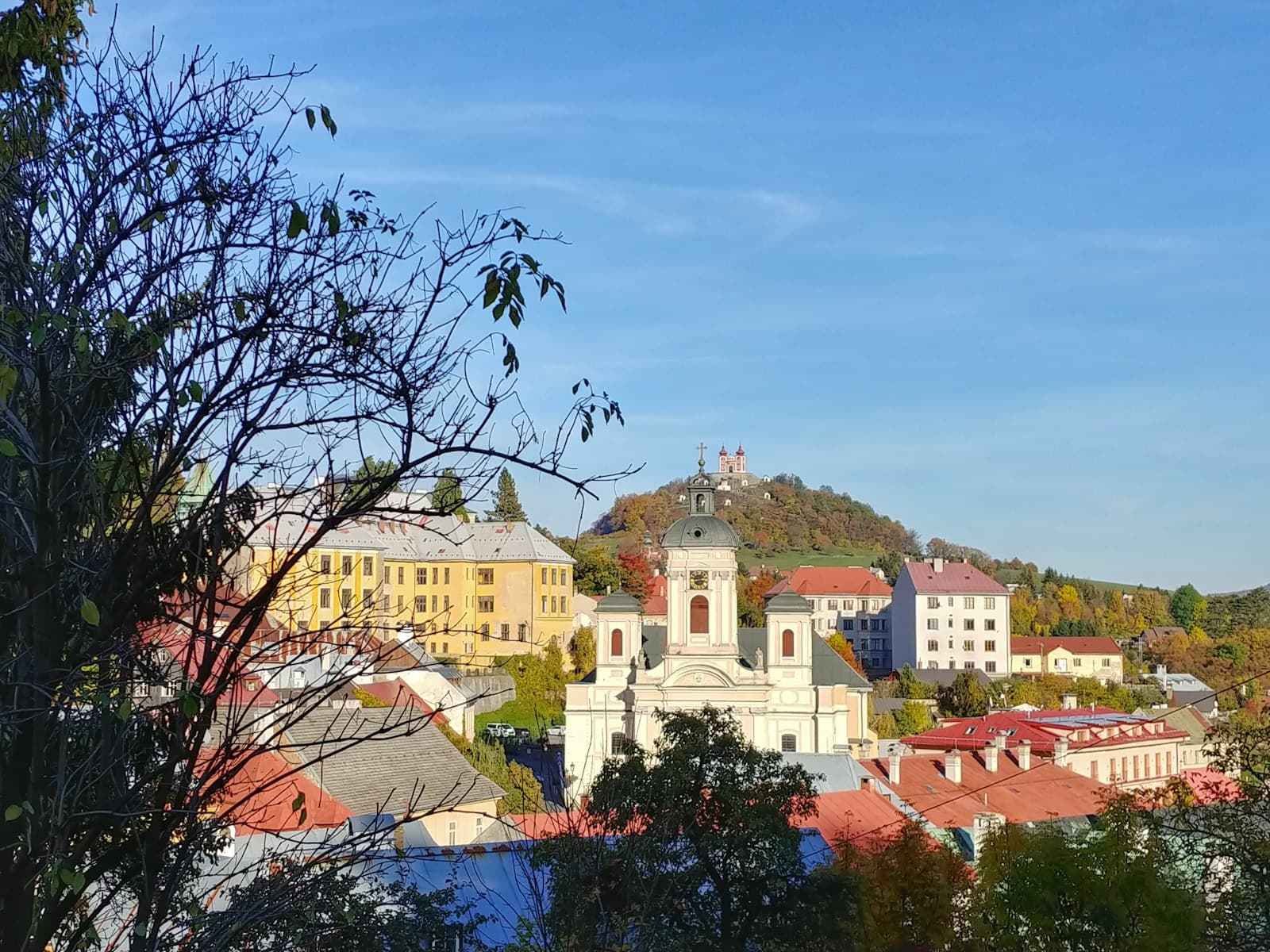
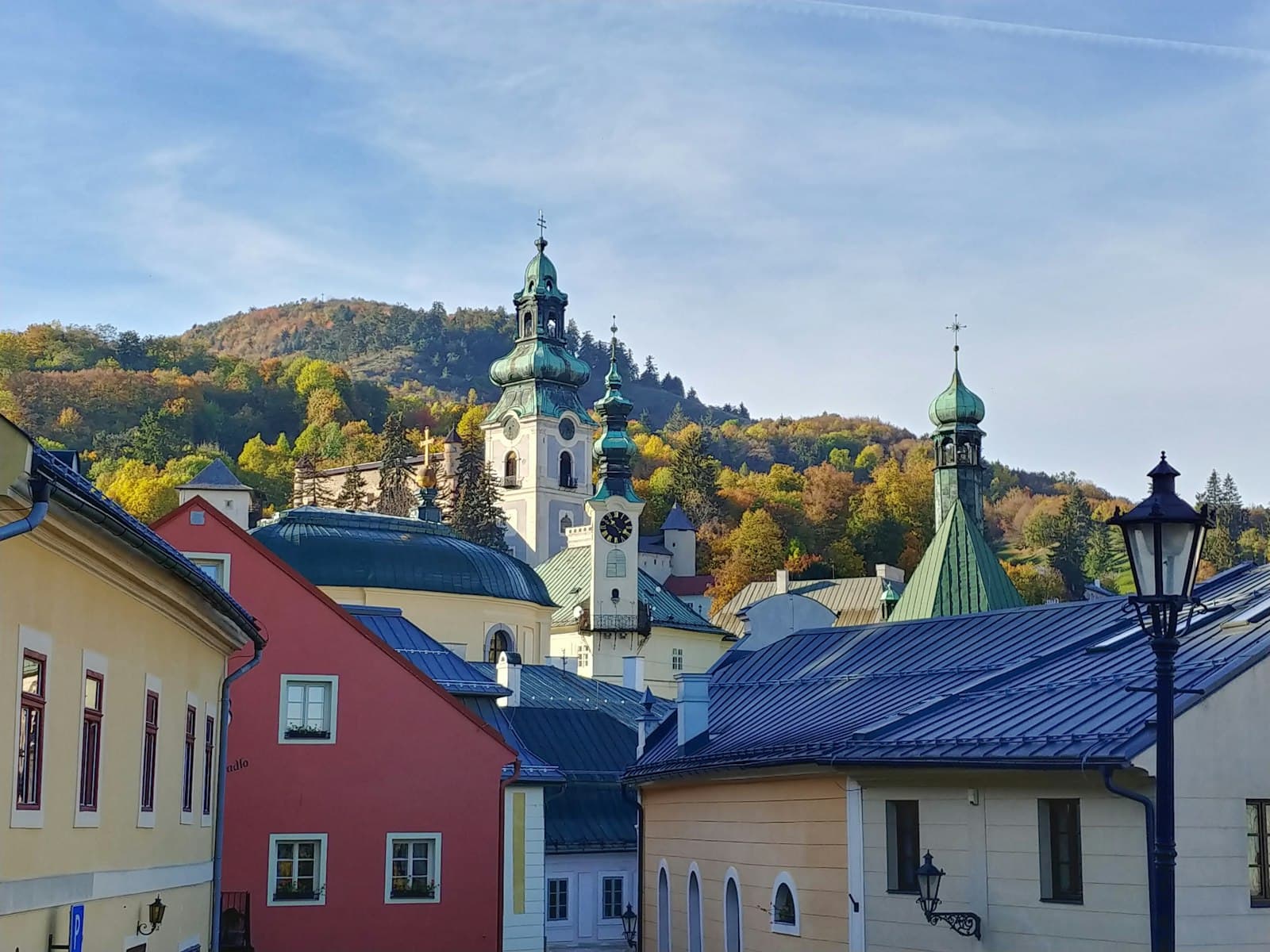
O seu tour áudio autoguiado de Banská Štiavnica está pronto — escolha os seus pontos de interesse, selecione o seu idioma e comece no momento em que chegar.
ComprarA Lume inclui um guia de realidade aumentada. Levante o telemóvel: a câmara mostra a rua à sua frente, com uma seta luminosa sobreposta à imagem real que aponta sempre para a sua próxima paragem — sem mapa para decifrar, sem voltas erradas. Como tudo na Lume, funciona totalmente offline.
Banská Štiavnica, um Patrimônio Mundial da UNESCO na Eslováquia central, é uma cidade esculpida em uma dramática caldeira vulcânica. Sua existência está intrinsecamente ligada à abundante jazida de prata e ouro sob sua superfície, transformando-a em um proeminente centro de mineração medieval. O caráter único da cidade provém dessa herança mineradora duradoura, evidente em seu centro urbano preservado, caracterizado pela arquitetura renascentista e barroca.
Ruas de paralelepípedos serpenteiam por uma paisagem pontilhada de edifícios históricos e monumentos técnicos, todos testemunhos de séculos de inovação e prosperidade. As Montanhas Štiavnica circundantes, uma área natural protegida, oferecem um pano de fundo impressionante para esta cidade historicamente significativa.
A história de Banská Štiavnica começa muito antes de sua proeminência medieval. Evidências de escavações indicam assentamento durante o período Neolítico, com as primeiras atividades de mineração atribuídas às tribos celtas no século III a.C. Esses primeiros habitantes, provavelmente a tribo celta Cotini, já estavam engajados na extração de metais preciosos.
No século XII, a mineração intensiva estava em andamento, e a área foi documentada pela primeira vez em 1156 como "terra banensium", ou "terra dos mineiros". A cidade obteve o status de cidade real em 1238, tornando-se uma das primeiras no Reino da Hungria a receber tais privilégios. Durante a Alta e Baixa Idade Média, Banská Štiavnica foi um grande produtor de prata e ouro para o Reino da Hungria.
O século XVI trouxe novos desafios com a ameaça de invasões otomanas. Isso levou à construção de robustas fortificações, incluindo o Castelo Velho e o Castelo Novo, para proteger a valiosa cidade mineradora. Banská Štiavnica também foi um centro de inovação; em 1627, a pólvora foi usada em uma mina aqui, uma das primeiras ocorrências globais. O século XVIII viu o desenvolvimento dos engenhosos tajchy, um sistema de reservatórios de água artificiais e canais projetados por cientistas locais para drenar minas e alimentar maquinário industrial primitivo.
Em 1735, a primeira escola de mineração no Reino da Hungria foi estabelecida em Banská Štiavnica, que mais tarde se tornou a Academia de Mineração em 1762 – reconhecida como a primeira universidade técnica de seu tipo no mundo. Em seu auge no século XVIII, Banská Štiavnica era o maior centro de mineração de metais preciosos na Monarquia Habsburgo e, até o final do século, a terceira maior cidade da Hungria. No entanto, a atividade de mineração começou a declinar no final dos séculos XIX e XX, com a última mina fechando em 2001. Apesar da cessação da mineração, a importância histórica da cidade foi reconhecida pela UNESCO em 1993, preservando seu valor cultural e histórico único.
Comece sua exploração na Praça da Santíssima Trindade (Trojičné námestie), o coração histórico da cidade, dominado por uma monumental coluna barroca da peste. De lá, uma curta caminhada leva ao Castelo Velho (Starý zámok), que começou como uma igreja românica do século XIII antes de sua transformação em fortaleza. Atualmente, abriga um museu com exposições diversas, incluindo achados arqueológicos e uma câmara de tortura.
Suba ao Castelo Novo (Nový zámok), uma torre de vigia renascentista construída no século XVI para defender contra os otomanos. Oferece vistas panorâmicas da cidade e abriga uma exposição sobre as Guerras Anti-Turcas. Não perca a Calvário de Banská Štiavnica, um impressionante local de peregrinação barroco com uma série de capelas e igrejas em uma colina com vista para a cidade.
Para um mergulho mais profundo na herança da cidade, visite o Museu Eslovaco de Mineração, que inclui um museu de mineração ao ar livre onde você pode explorar uma mina antiga. Os Jardins Botânicos, que cercam os antigos edifícios da Academia de Mineração, oferecem um refúgio tranquilo com árvores notáveis como sequoias e cedros japoneses.
A melhor época para visitar Banská Štiavnica é durante a primavera (abril a junho) e o outono (setembro a outubro), quando o clima é ameno e a cidade geralmente está menos lotada. O verão, de final de junho a final de agosto, também é popular para atividades ao ar livre, embora possa ser mais movimentado. Durante este período, as temperaturas médias diárias máximas ficam acima de 19°C, com julho sendo o mês mais quente. Os Dias da Salamandra em setembro celebram a história de mineração da cidade com vários festivais culturais e musicais durante todo o verão. Embora os invernos sejam frios e com neve, a cidade ainda oferece uma atmosfera única, com algumas atrações abertas.
Banská Štiavnica é acessível por trem e ônibus das principais cidades eslovacas. Uma vez lá, o centro histórico da cidade é melhor explorado a pé, pois muitas ruas são de paralelepípedos e sinuosas. Para quem dirige, há estacionamento disponível, incluindo perto do Castelo Velho e do Tajch Klinger. Considere planejar pelo menos dois dias inteiros para ver os principais locais, com três a quatro dias permitindo uma experiência mais imersiva.
As opções de acomodação variam de charmosas pousadas e hotéis boutique a albergues econômicos e Airbnbs; reservar com antecedência é aconselhável, especialmente durante a alta temporada. Embora o eslovaco seja a língua local, muitas pessoas na indústria do turismo falam inglês. A moeda local é o Euro.
Banská Štiavnica — coreano, chinês, hebraico e mais 29 idiomas, cada parada narrada por uma voz nativa. A maior variedade de idiomas entre os passeios de áudio autoguiados.
Disponível em: