Taalmeer
Het Taalmeer verbergt een verleden dat de verwachtingen voor een zoetwaterlichaam tart.
Volledig verhaal ontgrendeld in de tour
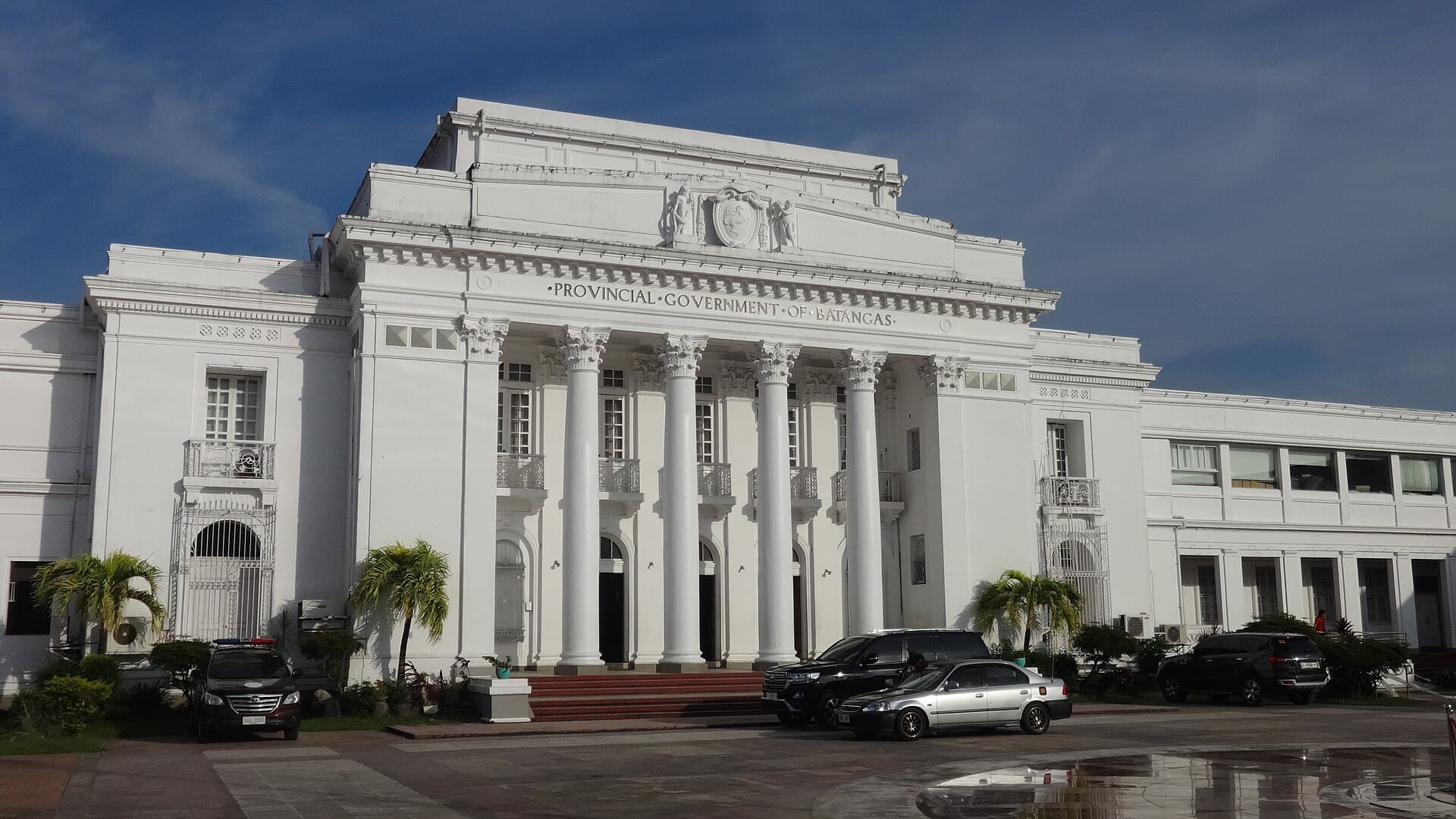 patrickroque01 / CC BY-SA 4.0, via Wikimedia Commons
Zelfgeleide audiowandeling door Batangas — GPS-route, offline afspelen, meeslepende vertelling in 32 talen.
“Waar vulkanische landschappen mariene reservaten ontmoeten.”
Niet de ansichtkaarten. De verhalen die zelfs locals niet kennen — gefluisterd in je oor, precies waar ze gebeurden.
Het Taalmeer verbergt een verleden dat de verwachtingen voor een zoetwaterlichaam tart.
Anilao wordt gevierd om zijn onderwaterschoonheid, maar de bloeiende koraalriffen waren niet altijd zo overvloedig.
Lipa City draagt een onderscheidende bijnaam, die het verbindt met een oude Europese hoofdstad, hoewel niet om de redenen die men misschien eerst zou verwachten.
Ontdek elk geheim van Batangas
Elk adres, elke onthulling volledig — in je oor, precies waar het gebeurde.
Jij kiest je stops. Jij wandelt. De stem onthult wat de anderen missen.


Je zelfgeleide audiotour van Batangas is klaar — kies je bezienswaardigheden, kies je taal en start zodra je aankomt.
KopenLume heeft een ingebouwde augmented-reality-gids. Houd je telefoon omhoog: de camera toont de straat voor je, met een oplichtende pijl over het echte beeld die altijd naar je volgende stop wijst — geen kaart om uit te puzzelen, geen verkeerde afslagen. Zoals alles in Lume werkt het volledig offline.
Batangas, een provincie in de CALABARZON-regio van Luzon, ontvouwt een gevarieerd landschap van uitgestrekte kustlijnen, vulkanisch terrein en een diepe culturele erfenis. Slechts een paar uur ten zuiden van Metro Manila biedt het een verfrissende ontsnapping voor diegenen die zowel rust als avontuur zoeken. De provincie is vooral bekend om zijn stranden en uitzonderlijke duiklocaties, met name in gebieden zoals Anilao.
Naast zijn natuurlijke charme is Batangas een centrum van culturele activiteit, bekend om zijn levendige festivals, traditionele ambachten zoals balisong (vlindermes) en Burdang Taal borduurwerk, en een onderscheidende culinaire traditie met gerechten zoals bulalo en lomi. De bevolking, bekend als Batangueños, wordt gewaardeerd om hun sterke familiebanden, eerbied voor ouderen en diepe toewijding aan het katholicisme, wat blijkt uit hun talrijke religieuze vieringen.
Batangas heeft een verleden dat teruggaat tot de pre-koloniale tijd, met archeologische vondsten die wijzen op gevestigde beschavingen die al in de 13e tot 15e eeuw handel dreven met China, Japan en India. De regio ondersteunde bloeiende gemeenschappen die zich bezighielden met landbouw, visserij en ambachten, wat een ontwikkelde cultuur en sociale structuur weerspiegelt. Lokale animistische overtuigingen eerden de natuur en voorouderlijke geesten, wat het dagelijks leven diepgaand vormde.
De Spaanse verkenning van Batangas begon in 1570, met expedities onder leiding van Martín de Goiti en Juan de Salcedo. De stad Taal werd gesticht in 1572, en Augustijnse missionarissen vestigden al snel christelijke nederzettingen rond wat toen Laguna de Bombon (Taalmeer) was. De Spanjaarden stichtten officieel de Provincie Bonbon in 1578, die later in 1581 werd omgedoopt tot Provincie Balayan, die delen van het huidige Batangas, Mindoro, Marinduque en delen van Laguna, Quezon en Camarines omvatte.
De verwoestende uitbarsting van de Taalvulkaan in 1754 begroef de oude stad Taal (nu San Nicolas), wat leidde tot de verplaatsing van de provinciehoofdstad naar Batangas (nu Batangas City) om verdere uitbarstingen te voorkomen. Tijdens de Spaanse koloniale periode werd Batangas een belangrijk centrum voor bestuur en handel, met de introductie van nieuwe landbouwpraktijken voor gewassen zoals koffie en suikerriet. De provincie was ook een van de eerste acht Filipijnse provincies die in opstand kwamen tegen Spanje, wat leidde tot de afkondiging van de staat van beleg in Batangas op 30 augustus 1896. Dit historische evenement wordt geëerd door de acht stralen van de zon op de Filipijnse vlag, die werd gemaakt door Marcela Agoncillo, een Batangueña.
Onder Amerikaans bewind werd op 4 juli 1909 een burgerlijk bestuur opgericht in Batangas. De provincie bleef zich ontwikkelen, hoewel ze aanzienlijke uitdagingen kende tijdens de Tweede Wereldoorlog. In afwachting van een Japanse invasie eind 1941 verhuisde de provinciale overheid kortstondig naar Ibaan. De Japanse bezetting leidde tot de inbeslagname van bewerkbare grond voor katoenplantages en naar schatting 25.000 burgerlijke massamoorden, waarbij alleen Lipa al 5.000 slachtoffers telde vanwege de actieve guerrillastrijd. De bevrijding van Batangas begon op 31 januari 1945, met de landing van Amerikaanse troepen in Nasugbu. Tegen maart 1945 hadden Amerikaanse troepen, waaronder de 11e Luchtlandingsdivisie en het 158e Regiment Combat Team, de provincie veiliggesteld.
Batangas biedt een breed scala aan attracties, van natuurlijke wonderen tot historische bezienswaardigheden. De iconische Taalvulkaan en het Taalmeer zijn een lust voor het oog en presenteren een uniek landschap van een vulkaan in een meer. U kunt er genieten van weidse uitzichten op de Taalvulkaan, zoals vanaf de Tagaytay Ridge. Voor avonturiers bieden Mount Maculot en Mount Gulugod Baboy lonende wandelingen met uitgestrekte vergezichten.
De provincie is ook een toplocatie voor strandliefhebbers en duikers. Anilao in Mabini is een wereldklasse duik- en snorkelbestemming, bekend om zijn rijke mariene biodiversiteit en duikplekken zoals Cathedral Rock en Twin Rocks. Andere populaire stranden zijn Laiya in San Juan, bekend om zijn resorts, en Masasa Beach in Tingloy, een favoriet bij backpackers vanwege het heldere water en de rotsformaties. Verde Island, erkend als het hart van de Coral Triangle, herbergt bijna 2.000 soorten vissen en koralen, wat het een uitzonderlijke duiklocatie maakt.
Geschiedenisliefhebbers kunnen Taal Heritage Town verkennen, dat architectuur uit het Spaanse koloniale tijdperk, voorouderlijke huizen en de Taal Basiliek, naar verluidt de grootste katholieke kerk van Azië, bewaart. Andere historische bezienswaardigheden zijn het Marcela Mariño Agoncillo Museum en Monument in Taal en het Apolinario Mabini Shrine in Tanauan. Bezoek voor een spirituele ervaring het Montemaria Shrine in Batangas City, met een torenhoog standbeeld van de Maagd Maria dat uitkijkt over Batangas Bay.
De ideale tijd om Batangas te bezoeken is tijdens het droge seizoen, dat loopt van november tot mei. Gedurende deze maanden kunt u heldere luchten, veel zonneschijn en gemiddelde temperaturen van 26°C tot 32°C verwachten, perfect voor buitenactiviteiten zoals strandexcursies, wandelen en eilandverkenning. Februari wordt vaak beschouwd als de helderste en koelste maand, wat het een comfortabele tijd maakt voor een bezoek. De warmste periode is van april tot juni, met mei als de warmste maand. Het regenseizoen vindt meestal plaats van mei tot oktober, met de natste maanden juli tot september. Hoewel de lucht na regen fris is, kunnen zeeactiviteiten en reisschema's worden beïnvloed.
Reizen naar Batangas vanuit Manila is eenvoudig, met bussen als de meest gebruikelijke methode. Verschillende terminals in Manila bieden routes naar Batangas City Grand Terminal, met een reistijd van ongeveer 2-3 uur. U kunt ook rijden of een taxi nemen. Eenmaal in Batangas kunnen openbaarvervoersopties beperkt en inconsistent zijn, vooral voor steden die ver van grote steden zoals Batangas City, Lipa en Lemery liggen. Overweeg het huren van een privévoertuig voor meer flexibiliteit en veiligheid.
Accommodatie-opties in Batangas bieden voor elk budget wel iets, van strandresorts en duiklodges tot budgetpensions en homestays, met populaire gebieden zoals Anilao, Laiya en Batangas City. Het is verstandig om accommodaties van tevoren te boeken, vooral tijdens piekseizoenen zoals de zomer en de Goede Week, wanneer de prijzen ook hoger zijn. Hoewel over het algemeen veilig, neem standaard voorzorgsmaatregelen tegen kleine criminaliteit, vooral in drukke toeristische gebieden. Bewaar waardevolle spullen veilig en wees u bewust van uw omgeving. Respecteer lokale gebruiken en tradities.
Batangas — Koreaans, Chinees, Hebreeuws en nog 29 talen, elke stop verteld door een moedertaalspreker. Het grootste taalaanbod van alle zelfgeleide audiotours.
Beschikbaar in: