Batticaloa Lagune
Een uniek natuurlijk fenomeen doet zich hier voor op maanverlichte nachten.
Volledig verhaal ontgrendeld in de tour
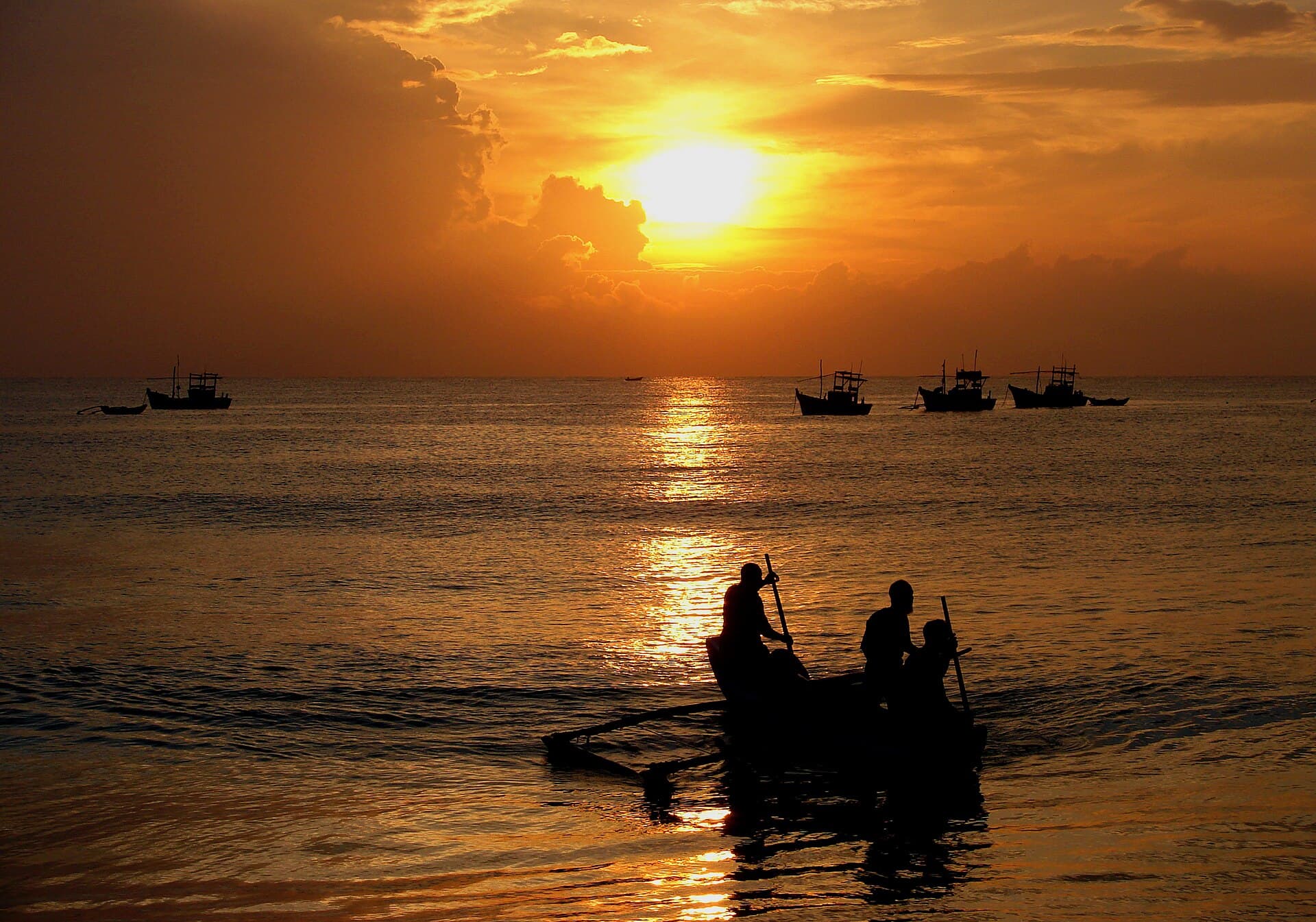 Anton Croos / CC BY-SA 4.0, via Wikimedia Commons
Zelfgeleide audiowandeling door Batticaloa — GPS-route, offline afspelen, meeslepende vertelling in 32 talen.
“Waar de lagune zingt en de geschiedenis weerklinkt.”
Niet de ansichtkaarten. De verhalen die zelfs locals niet kennen — gefluisterd in je oor, precies waar ze gebeurden.
Een uniek natuurlijk fenomeen doet zich hier voor op maanverlichte nachten.
Dit fort uit het koloniale tijdperk heeft vandaag de dag een verrassend dubbele functie.
Deze schijnbaar gewone brug is de beste plek om Batticaloa's beroemdste mysterie te ervaren.
Ontdek elk geheim van Batticaloa
Elk adres, elke onthulling volledig — in je oor, precies waar het gebeurde.
Jij kiest je stops. Jij wandelt. De stem onthult wat de anderen missen.


Je zelfgeleide audiotour van Batticaloa is klaar — kies je bezienswaardigheden, kies je taal en start zodra je aankomt.
KopenLume heeft een ingebouwde augmented-reality-gids. Houd je telefoon omhoog: de camera toont de straat voor je, met een oplichtende pijl over het echte beeld die altijd naar je volgende stop wijst — geen kaart om uit te puzzelen, geen verkeerde afslagen. Zoals alles in Lume werkt het volledig offline.
Batticaloa, vaak liefkozend 'Batti' genoemd, is een boeiende kuststad aan de oostkust van Sri Lanka, onderscheiden door zijn unieke geografie. Het ligt op een smalle strook land, omarmd door de uitgestrekte Batticaloa Lagune aan de ene kant en de Indische Oceaan aan de andere, met verschillende eilanden die het oppervlak van de lagune sieren. Deze rustige omgeving, ongeveer 314 kilometer ten oosten van Colombo, biedt een mix van natuurlijke schoonheid en culturele diepte die het onderscheidt van meer gangbare Sri Lankaanse bestemmingen.
De stad is een brandpunt van cultureel erfgoed, met invloeden van verschillende koloniale machten die nog steeds zichtbaar zijn in de architectuur en het dagelijks leven van de overwegend Tamil, Moorse, Sinhalese en Burgher bevolking. Batticaloa nodigt reizigers uit om hun tempo te vertragen, de historische bezienswaardigheden te verkennen, te ontspannen op de ongerepte stranden en zich onder te dompelen in de lokale cultuur, waaronder levendige festivals en traditionele muziek. Het is een plek waar oude verhalen en het moderne leven met elkaar verweven zijn, wat een vredige maar verrijkende reiservaring biedt.
Naast de serene lagunes en zandstranden staat Batticaloa bekend om een mysterieus muzikaal fenomeen - de 'zingende vissen' - wat een vleugje legende toevoegt aan zijn aantrekkingskracht. Deze combinatie van natuurlijke wonderen, historische intriges en culturele rijkdom maakt Batticaloa een aantrekkelijke bestemming voor diegenen die op zoek zijn naar een authentieke Sri Lankaanse ervaring, weg van de gebruikelijke toeristische paden.
De geschiedenis van Batticaloa strekt zich meer dan 2.000 jaar terug, met vroege kronieken die het gebied vermelden als onderdeel van het oude Koninkrijk Ruhuna. De oorspronkelijke Tamil naam van de regio, Mattakkalappu, betekent 'Modderige Lagune', een poëtische verwijzing naar het bepalende geografische kenmerk. Onderzoek suggereert dat de eerste bewoners Dravidische stammen waren, en een proto-staat onder Koning Kutikan kan rond 700 voor Christus hebben bestaan. Oude nederzettingen van aboriginals, waaronder de Nagar, Thumilar (Iyakkar) en Vedar, worden ook verteld in historische teksten zoals de Mattakalappu Purva Charithiram, met plaatsnamen zoals Nagamunai en Mantunagan Saalai (het huidige Mandur) die associaties met de Naga-stam aangeven.
Het moderne uiterlijk van Batticaloa begon vorm te krijgen met de komst van Europese koloniale machten. Portugese ontdekkingsreizigers landden in de 16e eeuw en erkenden het strategische belang van de oostkust. Zij bouwden de eerste vesting, het Batticaloa Fort, in 1628, en vestigden het als een belangrijk administratief en handelscentrum. Het Portugese bewind was echter van korte duur. In 1602 landden de Nederlanders voor het eerst in Sri Lanka nabij Batticaloa en, op verzoek van de Koning van Kandy, veroverden ze het fort in 1638 op de Portugezen. De Nederlanders versterkten en beheerden het fort vervolgens bijna twee eeuwen, en gebruikten het als handelscentrum voor specerijen.
De controle over Batticaloa ging in 1796 over op de Britten, die het fort ook gebruikten. Het fort, gebouwd van graniet en koraal, is een vierkante structuur met vier bastions, omgeven door de Batticaloa lagune aan twee zijden en een met water gevulde gracht aan de andere. Deze gracht zou ooit vol hebben gezeten met krokodillen. De koloniale erfenis is nog steeds zichtbaar in de architectuur van de oude stad, met huizen in koloniale stijl en statige kerken.
De strategische ligging van Batticaloa en de toegang tot de zee maakten het een belangrijk handelspunt langs de oostkust van het eiland. De aanleg van een spoorverbinding met Colombo betekende een economische doorbraak. In de 20e eeuw werd de stad ook een centrum voor onderwijs en cultuur, met de oprichting van instellingen zoals St. Michael's College en de Eastern University of Sri Lanka in 1981.
Batticaloa kreeg echter ook te maken met aanzienlijke uitdagingen. De regio was een centrum van Tamil separatistische activiteiten tijdens de Sri Lankaanse Burgeroorlog, waarbij de stad in de jaren 80 werd bezet door Tamil rebellen voordat deze in 1991 werd heroverd door regeringssoldaten. De oorlog had een diepgaande impact op de bevolking, leidend tot ontheemding en verlies van levens. In december 2004 trof de verwoestende tsunami in de Indische Oceaan Batticaloa, wat wijdverbreide vernietiging veroorzaakte. Ondanks deze tegenslagen heeft Batticaloa veerkracht getoond, zich herbouwd en bloeit het op, en komt het nu naar voren als een unieke bestemming voor reizigers.
Begin uw verkenning bij het Batticaloa Dutch Fort, een historische structuur die oorspronkelijk in 1628 door de Portugezen werd gebouwd en later door de Nederlanders werd versterkt. Dit fort, gebouwd van koraal en graniet, is uniek omdat het nog steeds overheidsdiensten huisvest binnen zijn oude muren. Wandel langs de wallen voor een weids uitzicht over de lagune en de Kallady Brug.
Op korte afstand van het fort bevindt zich de Batticaloa Poort, die de historische landingsplaats markeert van de eerste methodistische missionarissen op het eiland in 1814. In de buurt herdenkt een standbeeld van dominee William Ault dit belangrijke hoofdstuk.
Voor een kijkje in de maritieme geschiedenis, bezoek de Batticaloa Vuurtoren in Palameenmadu, ongeveer 5 km van het stadscentrum. Gebouwd door de Britten in 1913, biedt deze 28 meter hoge cilindrische metselwerktoren een panoramisch uitzicht over de lagune en de Indische Oceaan.
De Kallady Brug, ook bekend als de Lady Manning Brug, gebouwd door de Britten in 1924, is een oude ijzeren brug die de buitenwijken van Kallady met Batticaloa verbindt. De nieuwere Kallady Brug is de perfecte plek om te proberen de legendarische 'zingende vissen' te horen op maanverlichte nachten.
De Batticaloa Lagune zelf is een centraal kenmerk, dat mogelijkheden biedt voor boottochten en vogelspotten, vooral rond Bird Island. U kunt ook het Batticaloa Lagoon Environmental Learning Centre en Ecopark bezoeken om meer te leren over het ecosysteem van de lagune. Voor een ontspannende tijd biedt Kallady Beach een rustige omgeving aan zee.
Batticaloa kent een tropisch klimaat, wat betekent dat het het hele jaar door warm is. De beste tijd om te bezoeken is tijdens het droge seizoen, van april tot september. Gedurende deze maanden is het weer ideaal voor strandactiviteiten en het verkennen van de stad, met minder neerslag. Hoewel mei tot september erg heet kan zijn, is juni over het algemeen de warmste maand, met gemiddelde dagelijkse maxima rond de 34°C. De zeetemperatuur gedurende deze periode is ook aangenaam warm, gemiddeld 29-30°C, perfect om te zwemmen. Het nattere seizoen loopt van oktober tot februari, waarbij november en december de regenachtigste maanden zijn.
Reizen naar Batticaloa is eenvoudig, met trein-, bus- of privévoertuigopties beschikbaar vanuit grote steden zoals Colombo. Eenmaal in de stad behoren tuk-tuks, bussen en fietsen tot het lokale transport, wat een geweldige manier is om in uw eigen tempo te verkennen. Bij het huren van een tuk-tuk is het raadzaam om vooraf een prijs af te spreken.
Sri Lankaanse Roepies (LKR) zijn de lokale valuta. Hoewel Batticaloa over het algemeen veilig is voor reizigers, is het verstandig om algemene voorzorgsmaatregelen te nemen, zoals niet alleen 's nachts in onbekende gebieden lopen en uw bezittingen in de gaten houden. Kraanwater is over het algemeen niet veilig om te drinken, dus houd u aan flessen- of gefilterd water. Apotheken zijn beschikbaar in het hoofdgebouw, maar het is een goed idee om een basis EHBO-kit mee te nemen.
Cultureel gezien is Batticaloa conservatief. Bij het bezoeken van religieuze plaatsen of het wandelen door de stad, kleed u bescheiden door uw schouders en knieën te bedekken. Het is ook beleefd om toestemming te vragen voordat u foto's maakt van de lokale bevolking. De primaire gesproken taal is Tamil.
Batticaloa — Koreaans, Chinees, Hebreeuws en nog 29 talen, elke stop verteld door een moedertaalspreker. Het grootste taalaanbod van alle zelfgeleide audiotours.
Beschikbaar in: