Маркграфский оперный театр
Этот барочный оперный театр, чудо своей эпохи, хранит секрет своей непреходящей акустической яркости.
Полная история открывается в туре
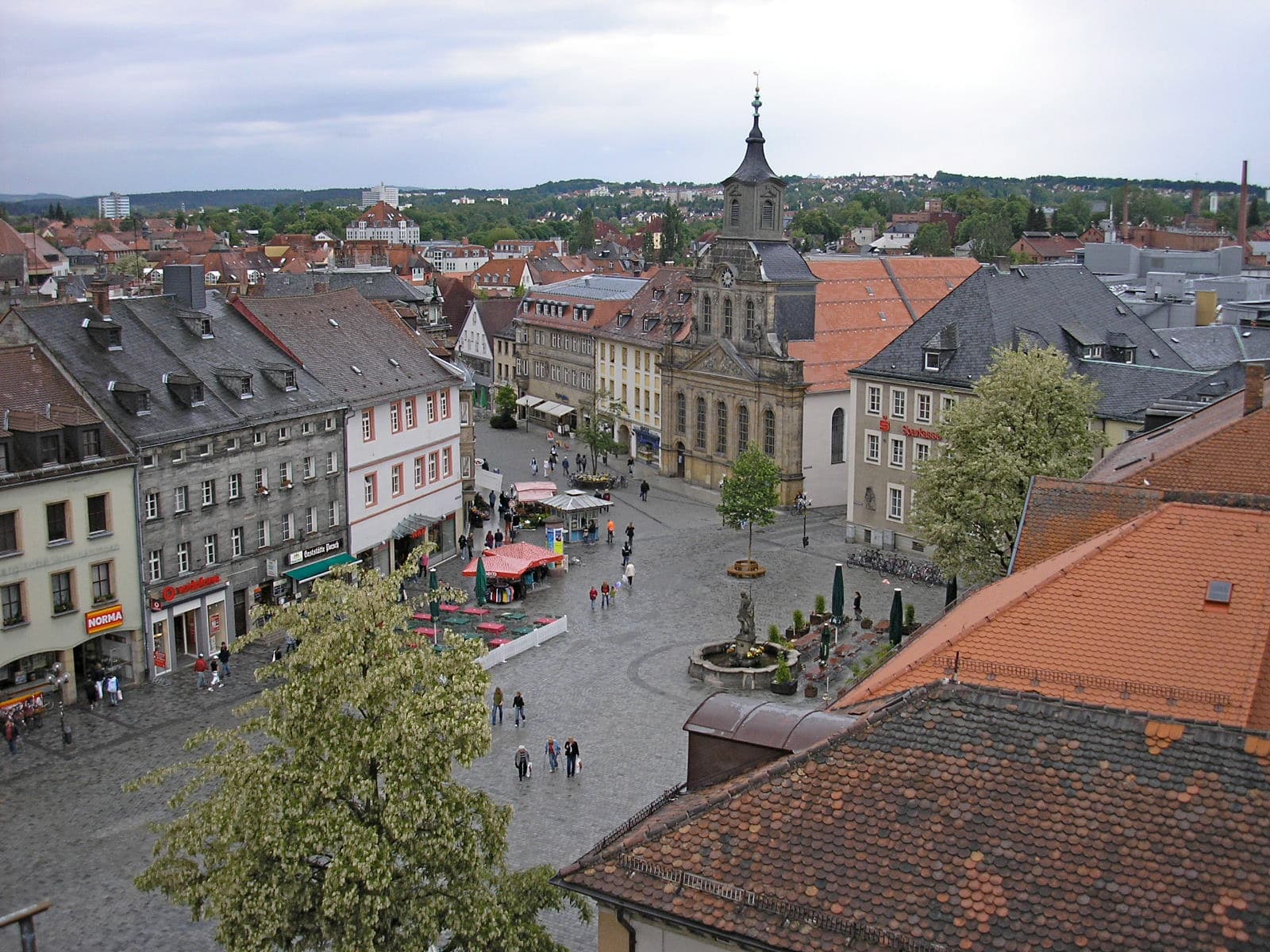 Michael Sander / CC BY-SA 3.0, via Wikimedia Commons
Самостоятельная аудиопрогулка по Байройт — GPS-маршрут, офлайн-воспроизведение, увлекательное повествование на 32 языках.
“Где барочное величие встречается с оперной преданностью.”
Не открытки. Истории, которые не знают даже местные жители — шепотом в вашем ухе, прямо там, где они произошли.
Этот барочный оперный театр, чудо своей эпохи, хранит секрет своей непреходящей акустической яркости.
Знаменитый Фестивальный театр Рихарда Вагнера был задуман для конкретной цели, выходящей за рамки просто сцены.
Байройт представляет самый большой в мире музей пива, но его подземные ходы хранят истории глубже, чем просто экспонаты.
Откройте для себя каждый секрет Байройт
Каждый адрес, каждое полное раскрытие — в вашем ухе, прямо там, где это произошло.
Вы выбираете остановки. Вы гуляете. Голос раскрывает то, что упускают другие.

Ваш самостоятельный аудиотур по Байройт готов — выберите свои достопримечательности, выберите свой язык и начните в момент прибытия.
КупитьВ Lume встроен гид дополненной реальности. Поднимите телефон: камера показывает улицу перед вами, а поверх реального изображения светится стрелка, всегда указывающая на вашу следующую остановку — не нужно разбираться с картой и сворачивать не туда. Как и всё в Lume, это работает полностью офлайн.
Байройт, город в Верхней Франконии (Германия), предлагает уникальное сочетание культурного наследия, барочной архитектуры и музыкального значения. Хотя город часто ассоциируется с ежегодным фестивалем Рихарда Вагнера, его очарование выходит далеко за рамки оперной известности. Пешеходный центр Байройта, украшенный пастельными зданиями, приглашает к неспешному исследованию.
С населением около 75 000 человек Байройт сохраняет баланс между провинциальным спокойствием и динамизмом культурного центра. Он расположен на берегах реки Красный Майн, предлагая живописный фон. Город также является университетским городом, что способствует оживленной атмосфере с многочисленными кафе, пабами и пивоварнями.
Байройт служит отличной отправной точкой для изучения окрестностей Верхней Франконии, известной своей традиционной кухней и впечатляющей пивной культурой, поддерживающей одну из самых высоких плотностей пивоварен в Германии.
## От средневекового поселения до княжеской резиденции Истоки Байройта восходят к Высокому Средневековью, первое письменное упоминание о нем относится к 1194 году под названием «Baierrute», что означает «баварская поляна». Это название отражает его основание баварскими поселенцами на расчищенных лесных землях. Могущественные графы фон Андекс-Мерания основали поселение, начав строительство укрепленного аванпоста в конце XII века. К 1231 году Байройт получил статус «civitas», что означало официальное городское право.
После пресечения линии Андекс-Мерания в 1248 году контроль над Байройтом перешел к династии Гогенцоллернов, в частности к бургграфам Нюрнберга. Эта смена власти ознаменовала поворотный момент, поскольку город начал приобретать административное значение под их покровительством. Стратегическое расположение Байройта на пересечении торговых путей, соединявших Нюрнберг с Богемией и Саксонией, способствовало его экономическому развитию. Ранняя экономика города опиралась на ремесла и сельское хозяйство, а его структура была сосредоточена вокруг широкой рыночной улицы, ныне Максимилианштрассе, где процветали ярмарки и торговля.
## Эпоха барокко и маркграфиня Вильгельмина Значительный поворот произошел в 1603 году, когда маркграф Кристиан перенес аристократическую резиденцию из Кульмбаха в Байройт, основав Старый дворец как маркграфскую резиденцию. Однако именно правление маркграфа Фридриха и его жены Вильгельмины Бранденбург-Байройтской (сестры Фридриха Великого) с 1735 по 1763 год превратило Байройт в культурную столицу. В этот период были быстро построены престижные здания и парки в стиле барокко и рококо, включая великолепный Маркграфский оперный театр, открытый в 1748 году к свадьбе их дочери. Новый дворец был завершен в 1753 году после пожара, уничтожившего Старый дворец.
## Наследие Вагнера и современный Байройт В 1791 году маркграф Александр отрекся от престола, и княжество перешло под прусское управление, а в 1810 году стало частью Королевства Бавария. XIX век принес Байройту его самую стойкую международную славу благодаря ассоциации с композитором Рихардом Вагнером. Он поселился в Байройте в 1872 году, и в том же году был заложен фундамент его Фестивального театра (Festspielhaus). Фестивальный театр официально открылся в 1876 году премьерой полного цикла «Кольцо нибелунга». Вилла Вагнера «Ванфрид», где он жил и работал, сохранена как музей.
Сегодня Байройт является столицей Верхней Франконии и продолжает ежегодно принимать знаменитый Байройтский фестиваль, привлекающий любителей оперы со всего мира. В городе также есть университет, основанный в 1975 году, что еще больше способствует его динамичной атмосфере.
Байройт предлагает ряд достопримечательностей, от роскошной барочной архитектуры до наследия музыкального гиганта. Маркграфский оперный театр является объектом Всемирного наследия ЮНЕСКО и ярким примером архитектуры барочного театра. Его богато украшенный деревянный интерьер и ярусные ложи свидетельствуют о придворной культуре XVIII века.
Для любителей музыки Музей Рихарда Вагнера на вилле Ванфрид, бывшем доме композитора, посвящен его жизни и творчеству. Неподалеку находится Фестивальный театр (Festspielhaus), оперный театр, спроектированный самим Вагнером, известный своей уникальной акустикой. Экскурсии доступны, когда нет запланированных представлений.
Новый дворец (Neues Schloss), некогда резиденция маркграфов, демонстрирует стиль рококо с музеями и художественными коллекциями, и дополняется прилегающим Хофгартеном Байройт, просторным парком, который развился от барокко до английского ландшафтного дизайна. Недалеко от центра города находится Эрмитаж (Eremitage) — бывший маркграфский дворец для развлечений с богато украшенными фонтанами, ухоженными садами и архитектурой рококо, с его «Старым дворцом» и фантастической искусственной гротой.
Помимо этих основных достопримечательностей, исследуйте компактный Старый город, особенно Максимилианштрассе, который выложен традиционными домами, магазинами и ресторанами. Для другого вида культурного опыта Музей пивоварения Maisel & Friends занесен в Книгу рекордов Гиннесса как самый большой пивной музей и предлагает знакомство с франконскими пивоваренными традициями.
Идеальное время для посещения Байройта — с конца весны до начала осени (с мая по сентябрь), когда погода приятная, а сады в полном цвету. Лето, с июня по август, предлагает комфортные средние температуры 17–19°C, часто достигающие 22–23°C днем, что идеально подходит для прогулок по паркам и посещения фестивалей. Однако будьте готовы к случайным дождям в течение всего года. Если вы планируете посетить знаменитый Байройтский фестиваль, который обычно проходит с конца июля до конца августа, бронирование жилья за 6–12 месяцев заранее является обязательным из-за повышенного спроса и цен.
Байройт — компактный город, поэтому большинство центральных достопримечательностей легко обойти пешком. В городе также действует хорошо развитая сеть общественного автобусного транспорта, маршруты которого охватывают весь город. Автобусы ходят по расписанию, хотя ночью их частота уменьшается. Такси доступны на стоянках в центре города, и их можно вызвать по телефону, хотя в часы пик рекомендуется бронировать заранее. Сервисов райдшеринга, таких как Uber, нет, но работают приложения Sixt Ride и FreeNow.
В Байройте нет собственного крупного аэропорта. Ближайший международный аэропорт — Нюрнберг (NUE), расположенный примерно в 61,5 км, время в пути около 1 часа на такси или арендованном автомобиле. Аэропорт Мюнхен Франц Йозеф Штраус (MUC) — еще один вариант, расположенный примерно в 177,7 км, время в пути 2–2,5 часа. Для железнодорожных поездок Байройт Хауптбанхоф хорошо связан частыми региональными поездами до Нюрнберга, крупного немецкого железнодорожного узла.
Местная валюта — евро (€). Хотя многие местные жители, особенно в отелях и ресторанах, говорят по-английски, знание нескольких основных немецких фраз всегда ценится. Байройт — в целом мирный город, и прогулки по центру ночью считаются безопасными.
Байройт: корейский, китайский, иврит и ещё 29 языков — каждую остановку озвучивает носитель языка. Самый широкий выбор языков среди аудиоэкскурсий без гида.
Доступные языки: